
Personalized mint tins 6-6

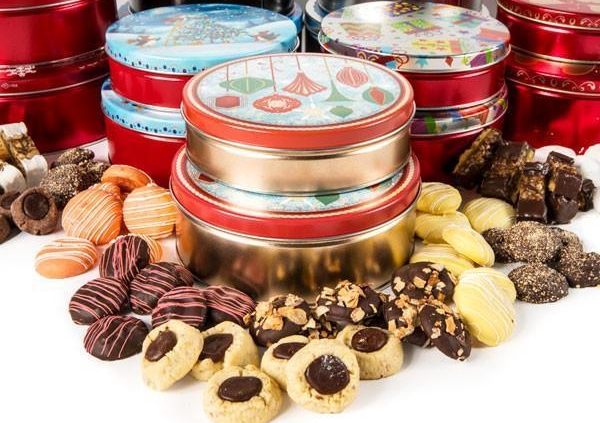
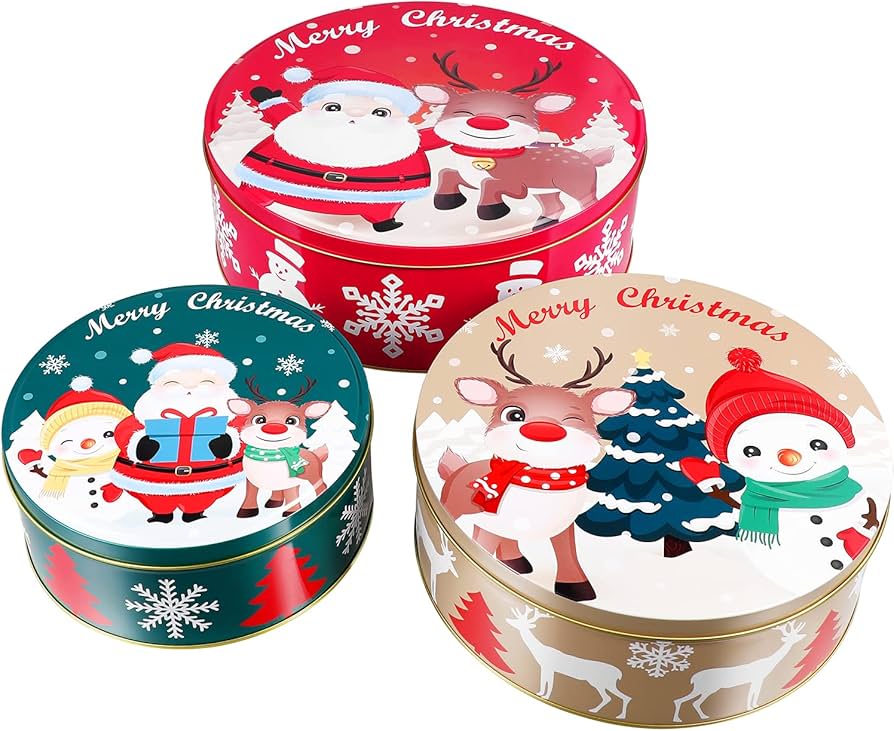
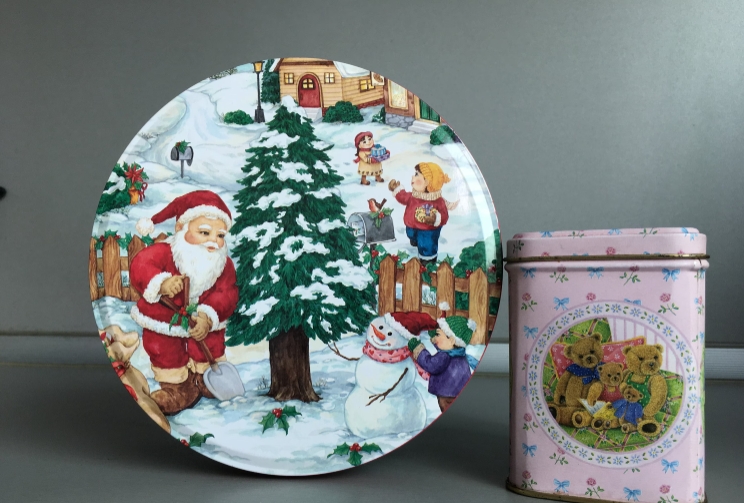
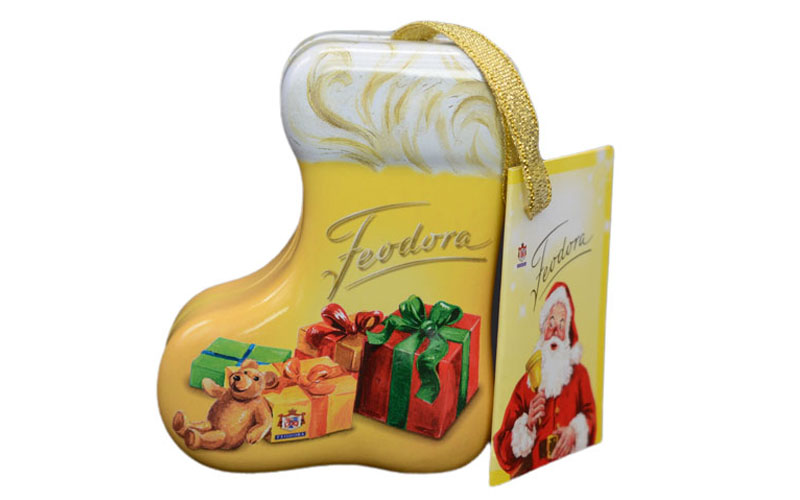
Personalized mint tins in many different designs

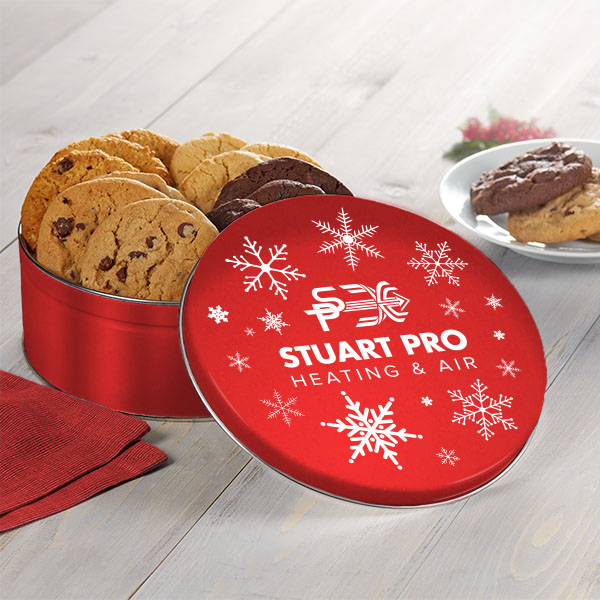
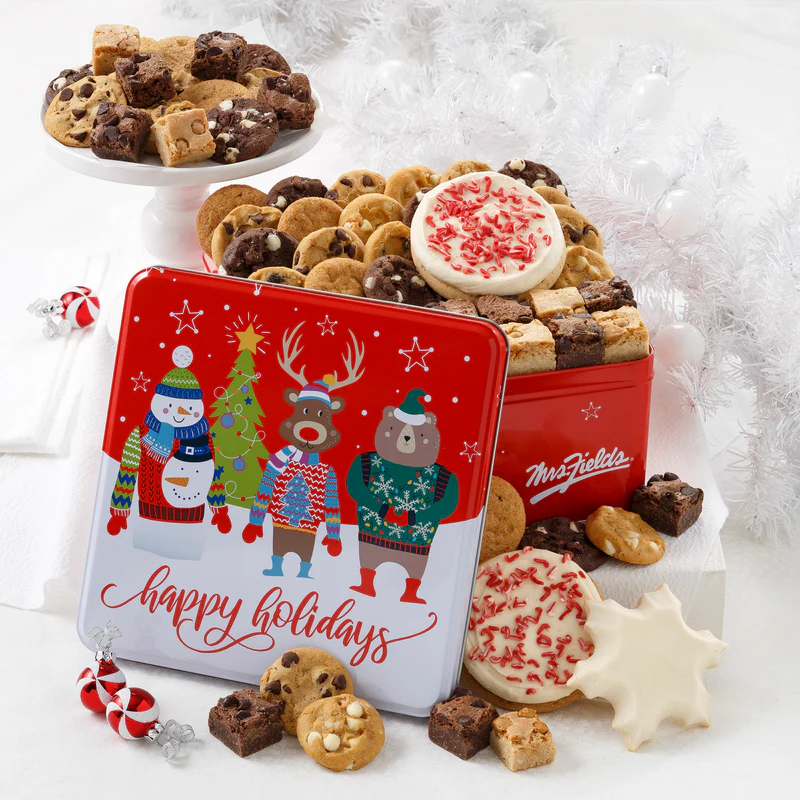
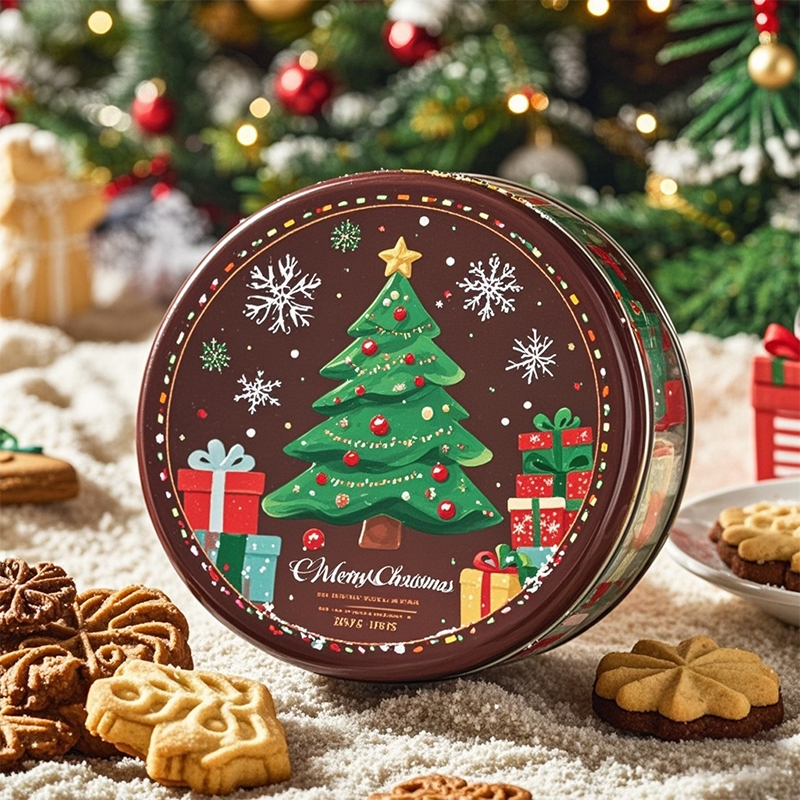
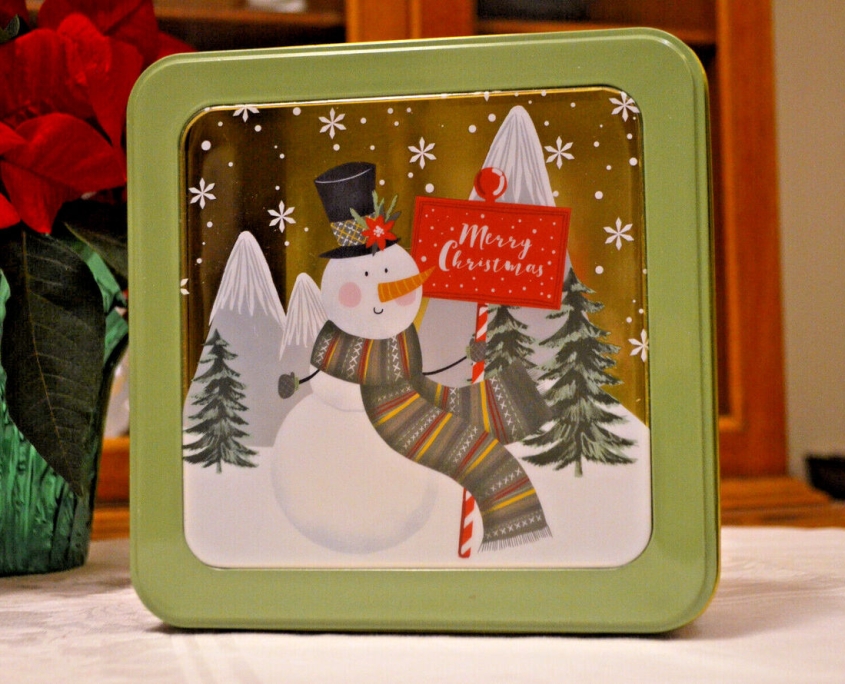
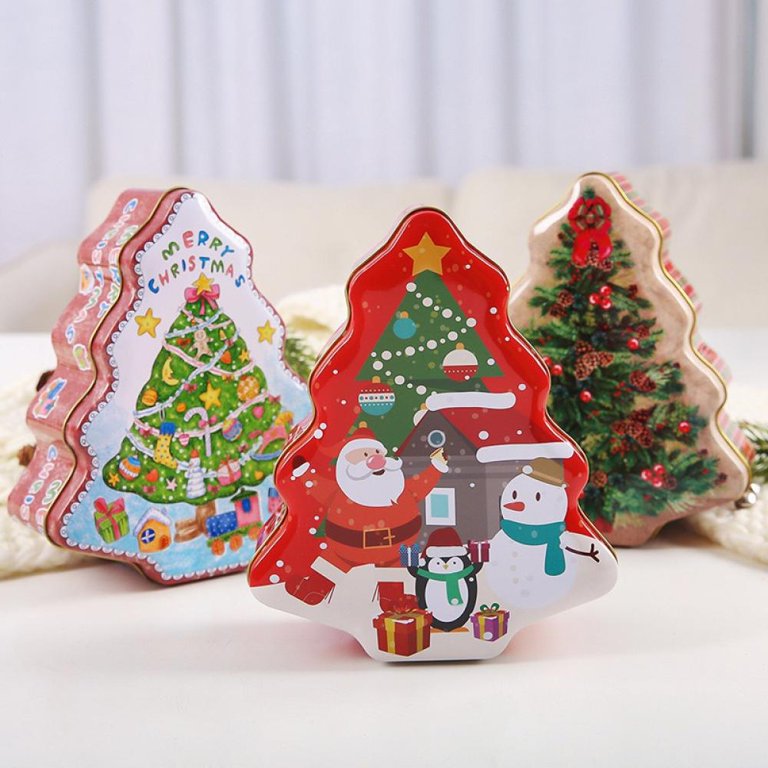
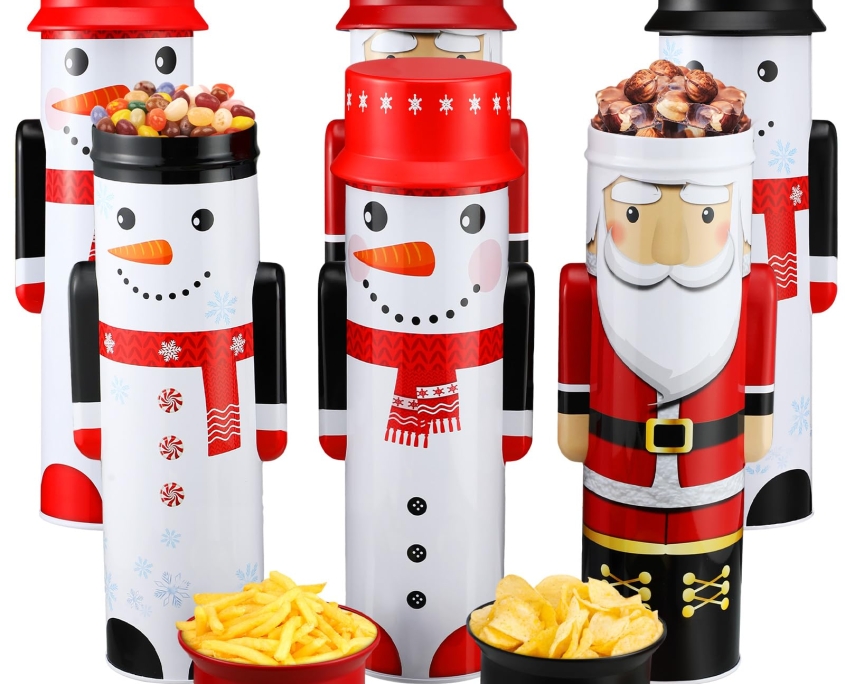
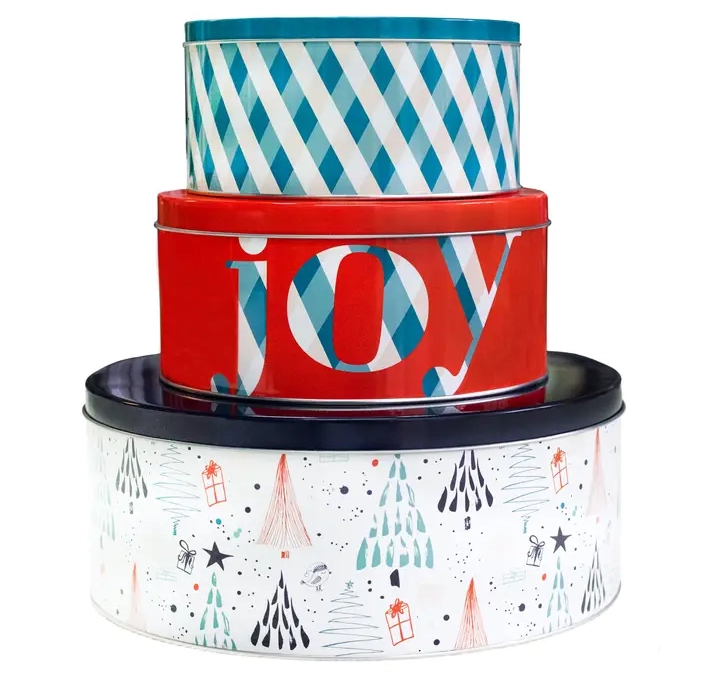
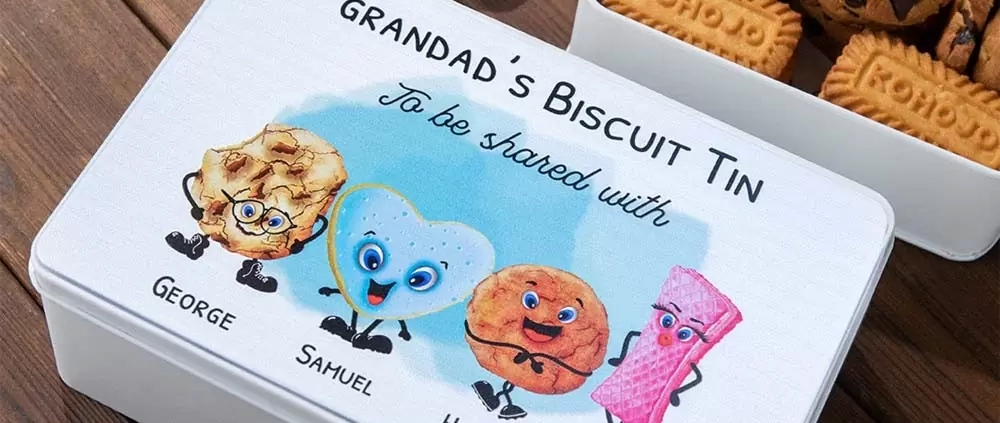
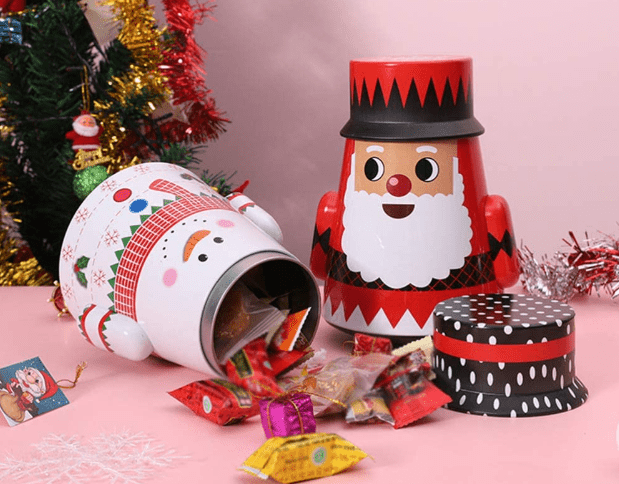
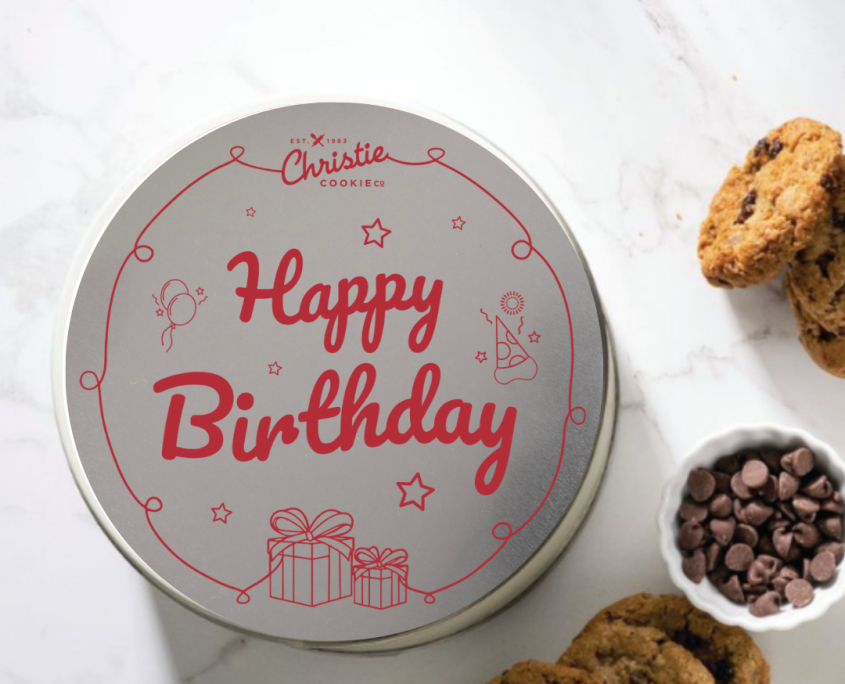
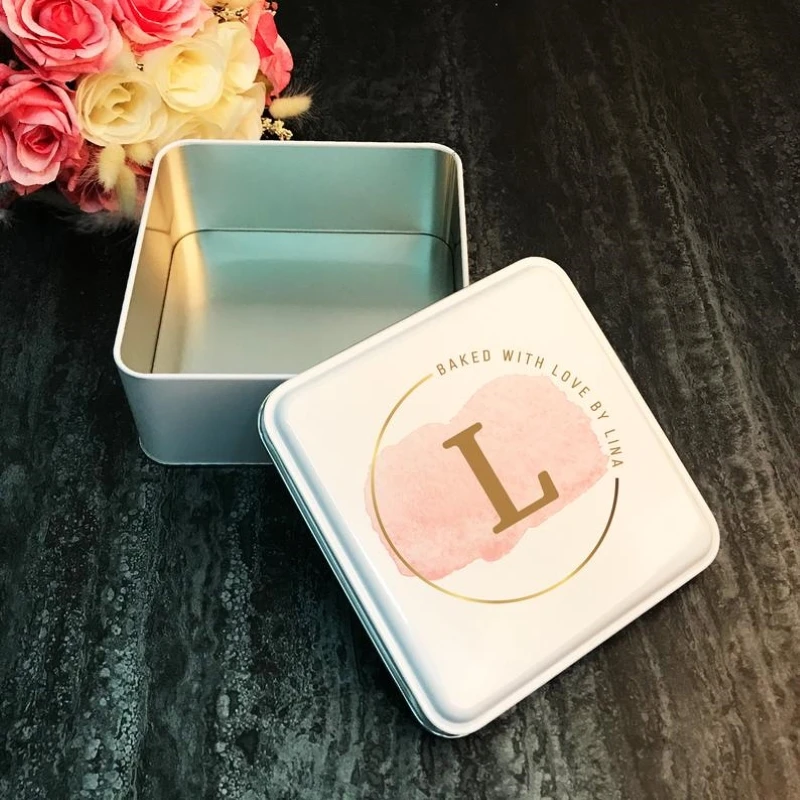
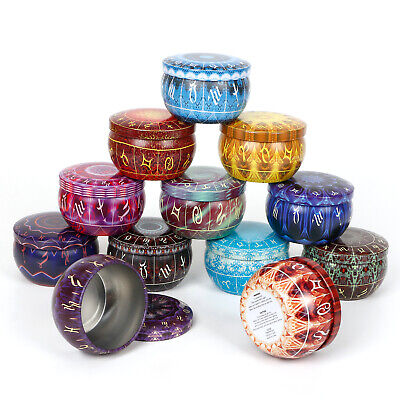
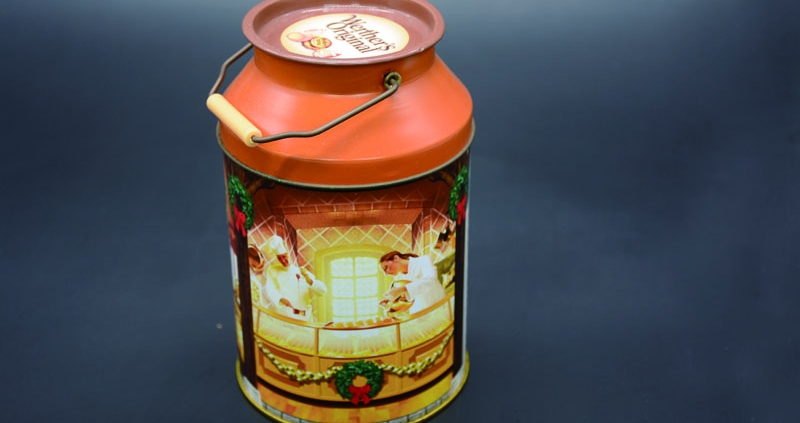
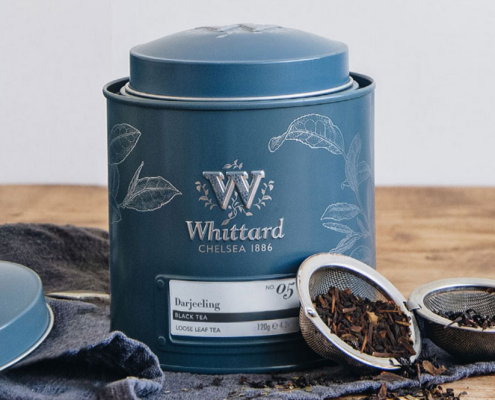
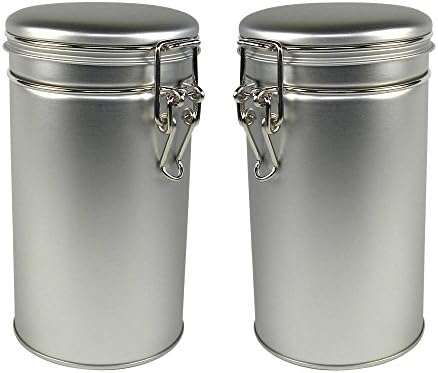
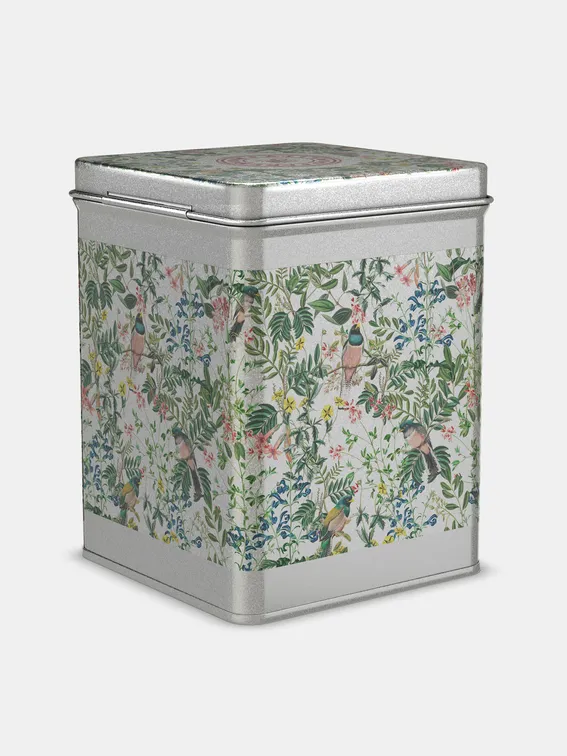
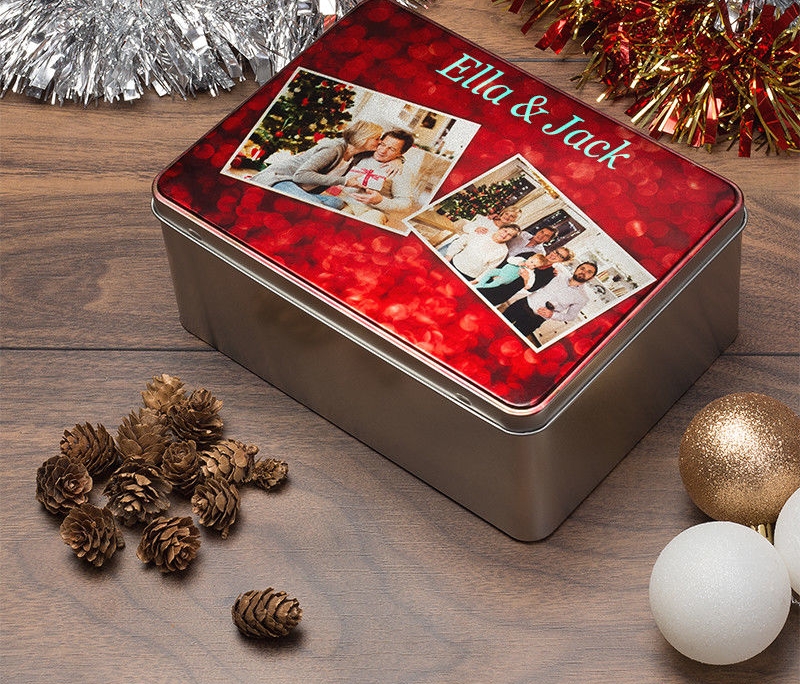
Some clients may want sleek, professional packaging for corporate events, while others may prefer lively, playful designs for wedding favors. Still others may seek luxurious, high-quality packaging for premium retail gifts. Even when the product inside is the same, the packaging design must appeal to entirely different audiences. That is precisely why we need to create distinct styles for personalized mint tins.

Custom Rectangular and Square Personalized Mint Tins

Among mint packaging options, rectangular and square tins remain the top choice for brands seeking simplicity, aesthetic appeal, efficient storage, and broad consumer appeal. Their geometric structure offers excellent space utilization for brand logos and decorative elements while maintaining portability.

Classic rectangular mint tins are particularly well-suited for holding breath fresheners, candies, gum sheets, chocolate bars, and promotional items. Their slim profile allows them to fit easily into pockets, handbags, backpacks, and retail display shelves. Additionally, rectangular tins maximize production efficiency; this standardized shape helps streamline production processes, enabling cost-effective mass production.
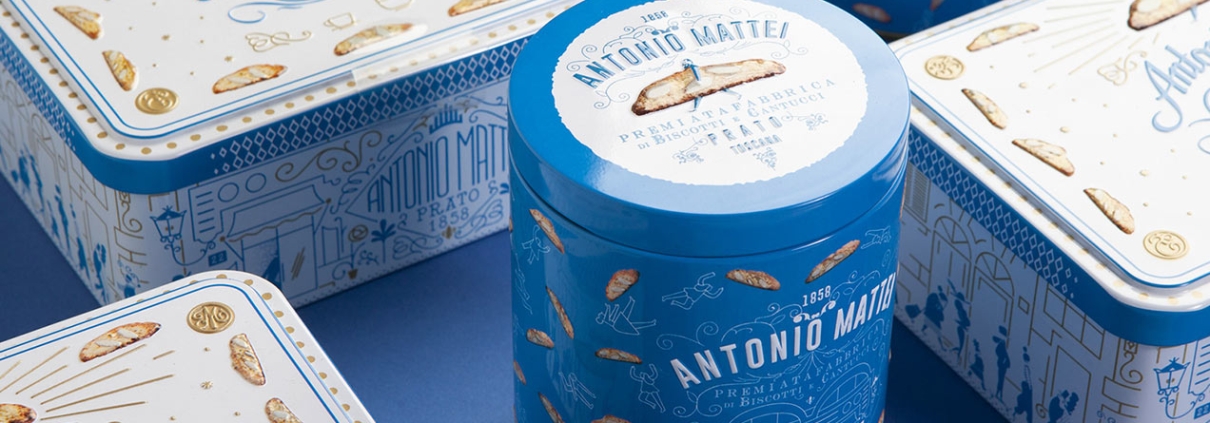
TSING offers a wide range of customization services for rectangular personalized mint tins, including:

  • Rounded-corner personalized mint tins
  • Custom mint tins with hinged lids
  • Custom mint tins with sliding lids
  • Custom mint tins with deep-drawn structures

In addition to structural flexibility, TSING offers a wealth of decorative enhancement options for classic mint tins, including gloss finishes, matte coatings, metallic effects, UV printing, and more. Through these options, brands can create a distinctive packaging identity.

Custom Rectangular and Square Personalized Mint Tins

Custom Round and Curved Personalized Mint Tins

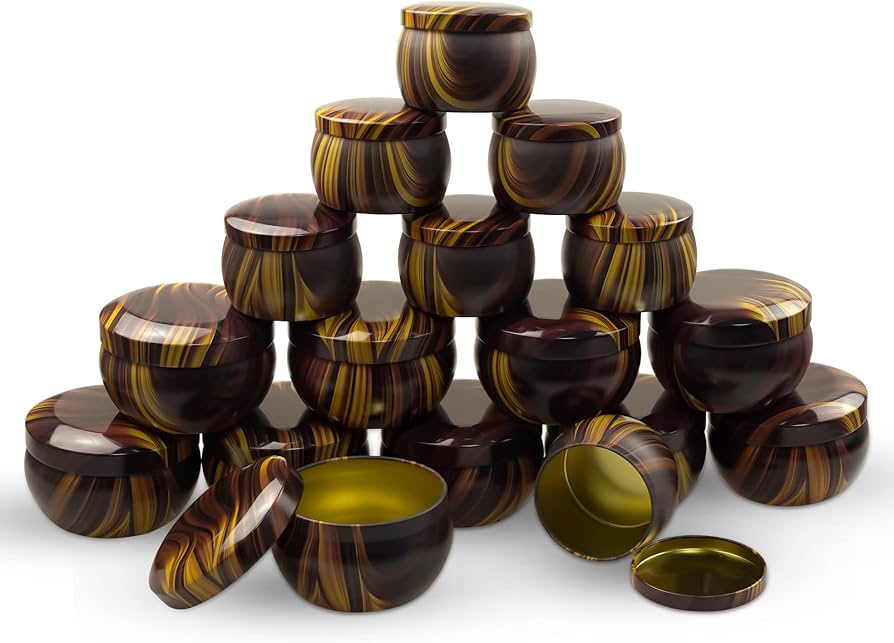
While rectangular tins dominate many mainstream markets, round and curved mint tins offer a more distinctive and emotionally engaging packaging style. These designs instantly set products apart from traditional packaging. The rounded shape of these mint tins is particularly favored by clients in high-end confectionery lines, boutique brands, and luxury gift segments.

TSING manufactures a variety of round and curved custom mint tins, including:

  • Oval Custom Mint Tins
  • Custom Mint Tins with Embossed Edges
  • Custom Mint Tins with Domed Lids

Curved mint tins also offer more opportunities for artistic graphic presentations. Designers can incorporate fluid patterns, panoramic illustrations, and dynamic typography that naturally conform to the tin’s shape.

Custom Round and Curved Personalized Mint Tins

High-End Customization and Premium Finishing Options

Many of the brands we work with increasingly require personalized mint tins and corresponding designs that convey uniqueness, exquisite craftsmanship, and innovative concepts. TSING continuously invests in advanced production technologies to provide highly precise, custom mint tins that meet the demands of high-end brands.

Personalized mint tins Featuring High-End Printing Technology

Print quality directly influences consumers’ perception of the packaging’s professionalism. Even the slightest printing flaw can diminish consumers’ perception of the product’s value. Therefore, TSING implements strict quality control at every stage of the printing process.

We support a variety of advanced printing technologies for personalized mint tin, including:

CMYK Offset Printing:

High-resolution offset printing delivers fine details, vibrant colors, and precise brand logos. This technology is ideal for complex visual designs and large-scale commercial production.
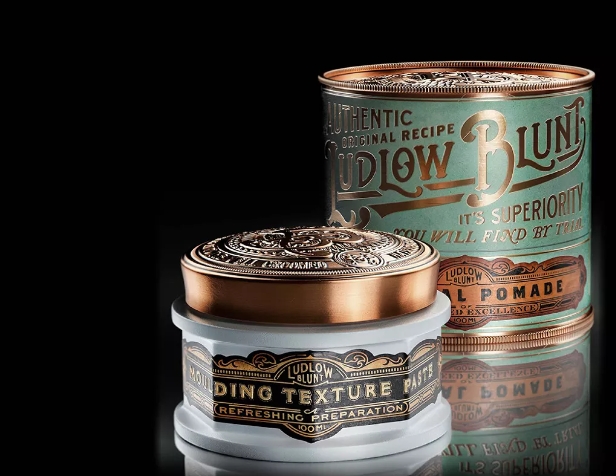
Pantone Color Matching:

Pantone color matching ensures consistent brand colors across all production batches.
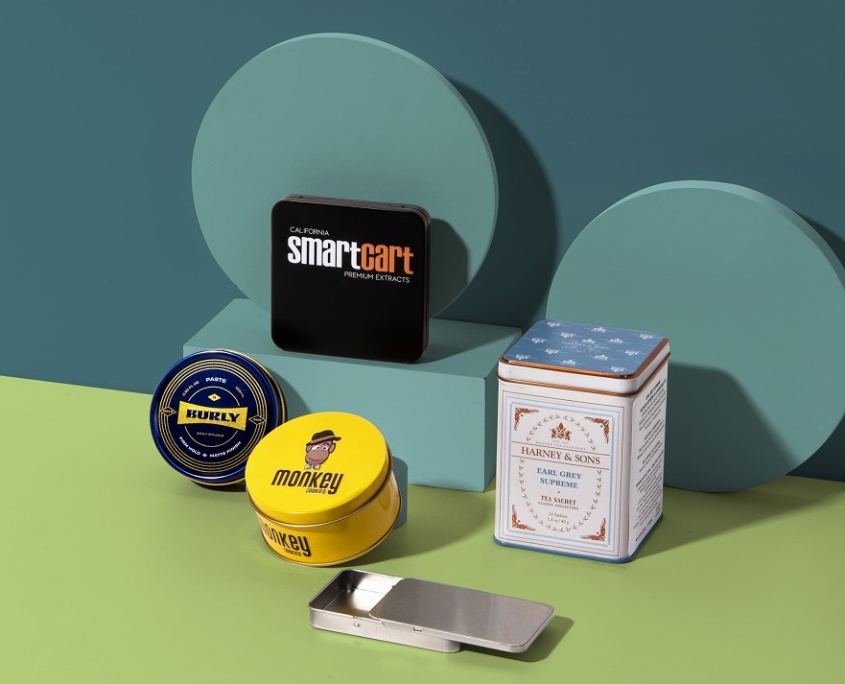
Metallic Ink Effects:

Metallic printing creates a reflective visual depth and a luxurious aesthetic. Gold, silver, copper, and holographic effects significantly enhance the presentation of premium products.

UV Spot Varnish:

UV spot varnish technology highlights selected graphic elements through the contrast between matte and glossy surfaces. This technique improves the visibility and tactile experience of the mint tins on the shelf.

High-End Customization and Premium Finishing Options

Providing Flexible OEM and ODM Manufacturing Solutions

Every brand has unique packaging goals, target audiences, and product positioning requirements. Given this diversity, TSING offers OEM and ODM manufacturing services for clients requiring personalized mint tins.

Our customization services provide support throughout the entire development process, including:

Personalized mint tins featuring custom structural engineering:
TSING develops fully customized tin structures tailored to specific dimensions, functionality, and brand requirements.

Customized mint tin development and prototyping:
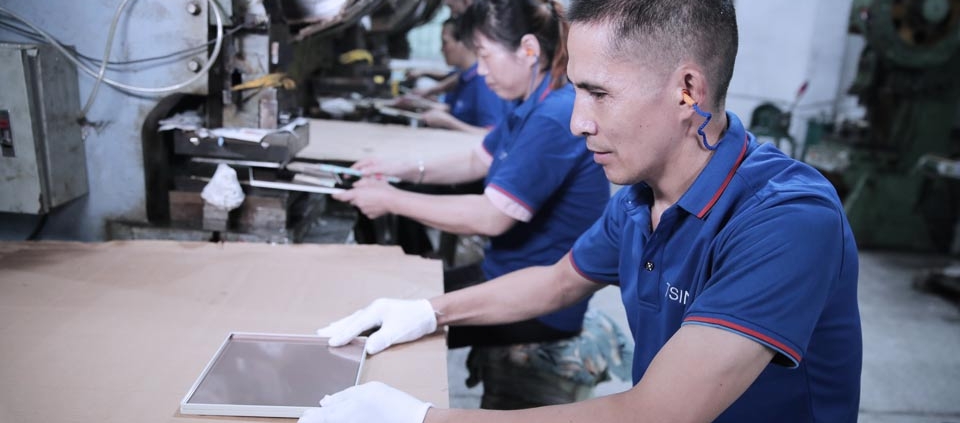
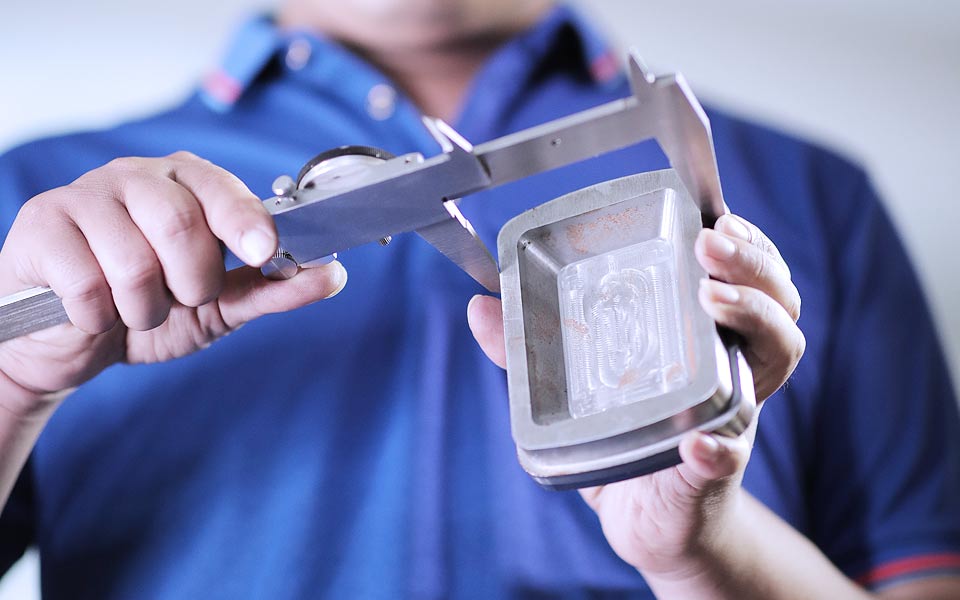
With over 2,500 molds in our inventory, we can also develop new molds tailored to your needs for production.

Large-scale production capabilities:
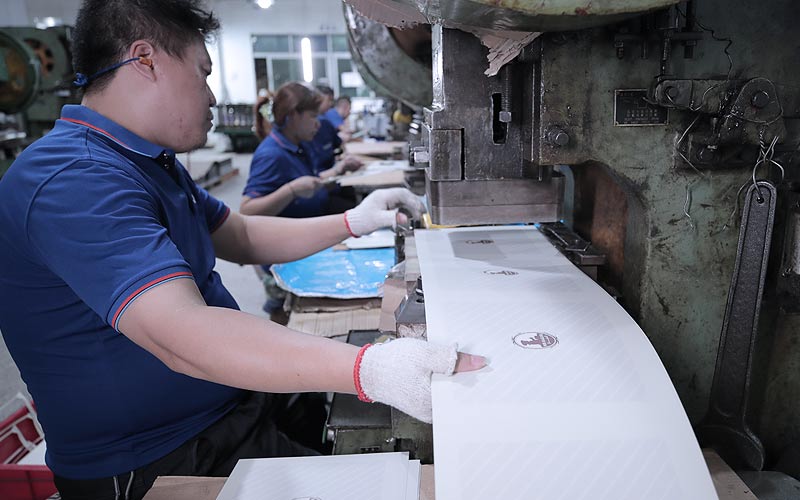
We operate more than 8 production lines with a monthly output exceeding 8 million metal tins, ensuring stable, high-volume production.

Global Export Experience
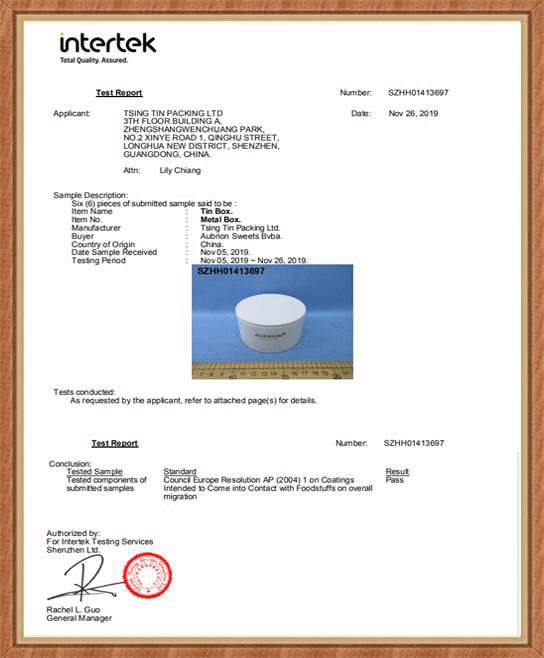
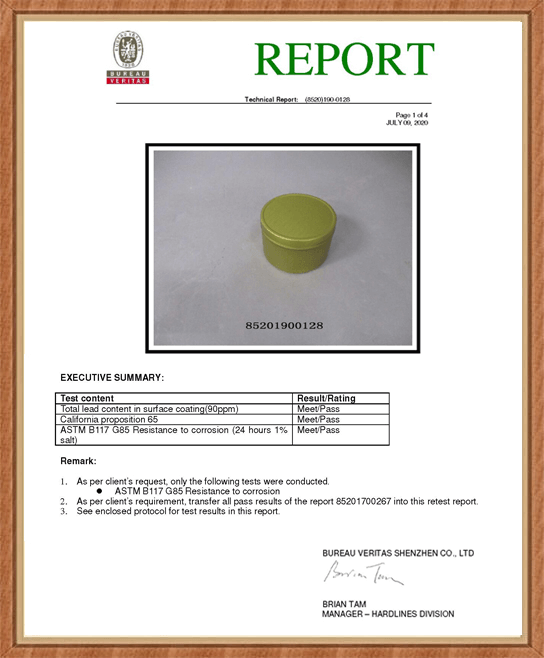
TSING serves international clients across multiple industries, meeting global packaging standards such as Intertek, Sira, Technical Report, and SMETA. Average lead time is 45 days.

Unique and Diverse Mint Tin Designs

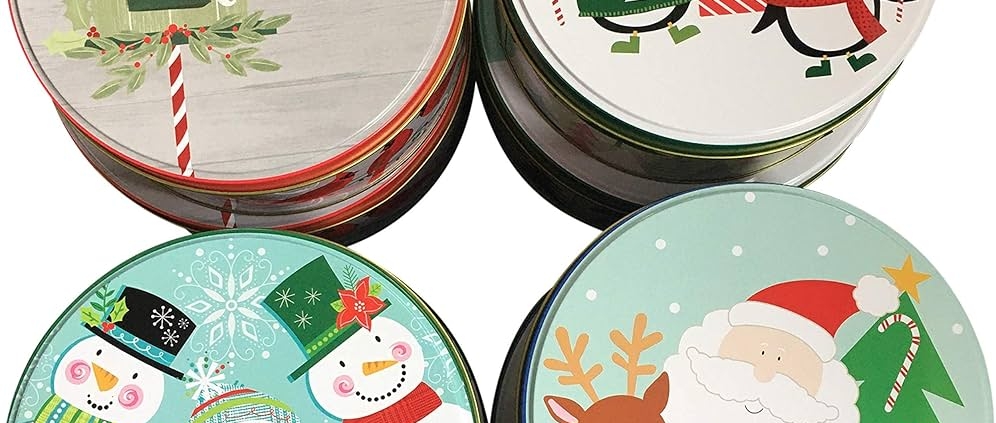
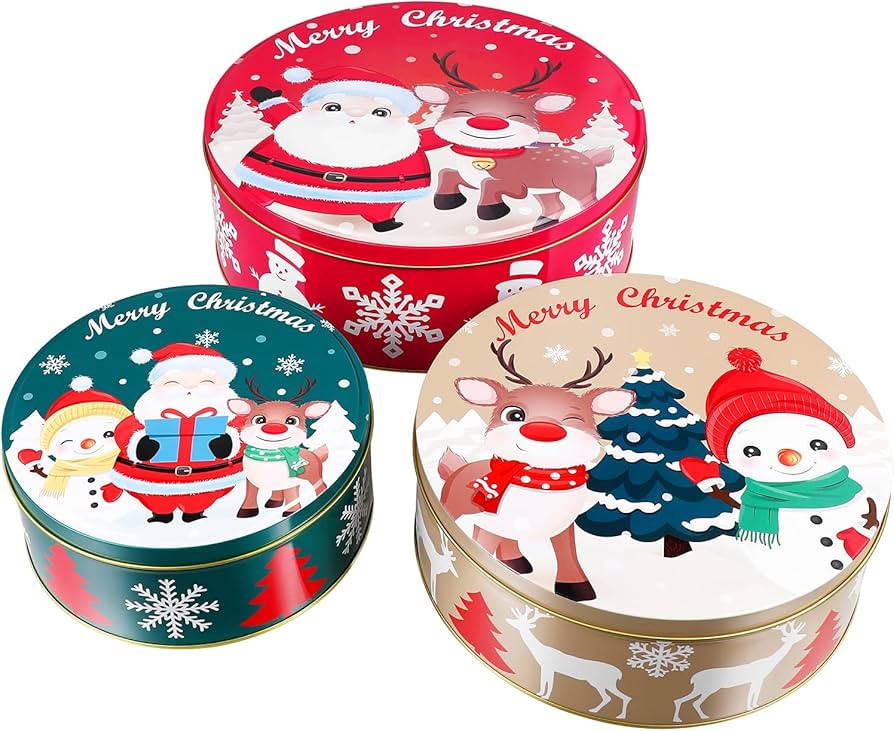
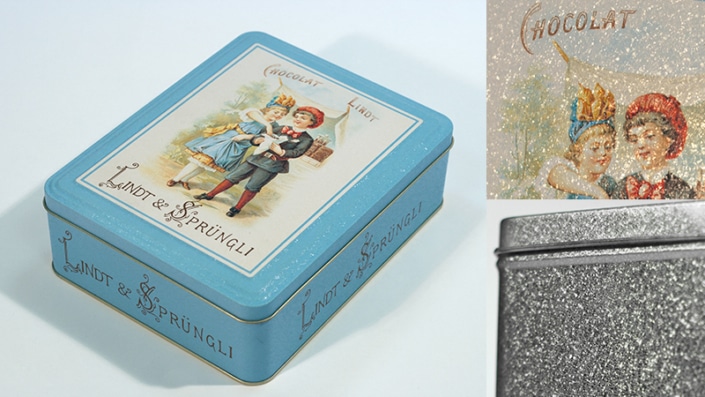
The greatest advantage of personalized mint tins lies not in a single design style, but in their ability to adapt to a wide range of styles. Using the same packaging format, different designs can convey a range of styles—from formal and lively to luxurious, minimalist, seasonal, or promotional. From classic rectangular tin boxes to luxurious embossed collector’s edition designs, each uniquely designed mint tin allows brands to create packaging that truly reflects their market positioning and visual identity.

custom tins 60

What are the options for reusable custom tins?

Custom tins are a versatile and eco-friendly option for packaging and storing different products, meeting the needs of brands and wholesalers who demand functionality and sustainability. Reusable custom tins offer long-lasting durability in terms of materials, while also offering different options for a premium look and feel. In this guide, we will explore what options are available for Tsing reusable custom tins.

Design Options for Custom Tins

Custom tins can be designed in a variety of shapes, sizes, and finishes to suit different product and brand characteristics. Design options include embossing, debossing, lithography, and more, which enable brands to create unique and eye-catching designs while also looking good for consumers and users during repeated use. Embossing and debossing techniques add texture and depth to custom tins, enhancing their visual appeal. Logos, patterns, or text can be raised (embossed) or sunken (debossed) into the metal surface, creating a tactile and premium finish that attracts attention on retail shelves. Lithography allows high-resolution graphics and vibrant colors to be applied directly to custom cans. Ideal for intricate designs and detailed artwork, lithographically printed cans retain their visual integrity over time.

custom tins 61

Functional Features of Reusable Custom Tins

Beyond aesthetics, reusable custom tins can include a variety of functional features that can meet usability and convenience requirements for different consumers. You can choose stackable and nesting designs to optimize storage space. These designs are particularly beneficial for brands with limited shelf space. Stackable tins also facilitate organization and access for consumers. You can also choose effective sealing mechanisms such as slide, hinged, or screw caps, which ensure secure closure and keep the product fresh to prevent spills or leaks during transportation. Whether it is dry goods, liquids, or semi-solids, different brands can choose sealing options that meet the specific requirements of their products.

custom tins 63 custom tins 62

Custom tins shape and size options

Custom cans not only have a variety of options in appearance and function but also in shapes and sizes to meet the scenarios of users’ repeated use.

Shape Options

Rectangular tins can hold a variety of products such as candies, tea bags, and small electronics. The straight sides and flat surfaces of rectangular tins provide ample space for custom branding and labeling. Round tins are versatile and are perfect for storing items such as candles, mints, and small candies. Their cylindrical shape allows for efficient storage and easy handling, and they are often designed to be seamless. Square jars combine the stability of rectangular tins with the compactness of round tins. They are perfect for packaging items such as spices, cosmetics, and specialty foods.

custom tins 65 (2)

Size Options

Small tins are compact and perfect for packaging travel-sized products, samples, or promotional giveaways. Small tins are typically 2 inches to 4 inches in length or diameter, making them easy to carry and store. Medium tins strike a balance between portability and capacity. They are ideal for packaging items such as chocolates, cosmetics, and personal care sets. They are typically 4 inches to 6 inches in length or diameter, accommodating a variety of product sizes. Large tins offer ample space for storing large items or large quantities of products, making them ideal for packaging gourmet foods, stationery sets, and crafts. They are typically 6 inches to 10 inches in length or diameter, providing ample storage capacity.

custom tins 65 (1)

Industries Used

Reusable custom tins are used in different industries and product categories. In the food and beverage industry, reusable custom tins package gourmet chocolates, teas, spices, and specialty foods. They can maintain freshness and protect the contents from light and moisture. In addition, some cosmetic brands use reusable customized tins for packaging creams, lip balms, solid perfumes, and other products. Their protective properties help maintain product integrity and extend shelf life, while customizable designs can increase brand awareness.

Reusable Benefits

They offer several sustainability benefits over single-use packaging. By promoting reuse and recycling, reusable custom tins help reduce the consumption of single-use plastics and other disposable materials. Moreover, the durability of the materials used in reusable custom tins ensures their longevity and reuse, minimizing the need for frequent replacement. This durability extends the life cycle of the packaging and reduces the consumption of resources associated with manufacturing new packaging materials.

Adopt reusable sustainable packaging solutions

Custom tins offer a variety of materials, design options, functional properties, and sustainable benefits to meet the diverse needs of modern consumers. By choosing reusable custom cans, brands can provide consumers with long-term value.

Personalized tin 50

Personalized tin with safety standards

Personalized tin cans are a popular packaging option across industries such as food, cosmetics, gifts, and pharmaceuticals. Their flexible customization and exquisite appearance make them a favorite for brand packaging and promotional gifts. They can convey brand identity through exclusive designs and adapt to different usage scenarios. However, regardless of the variety of customization options, the safety of tin cans remains a fundamental and inviolable principle, especially those that come into direct contact with food and pharmaceuticals. Their safety standards directly impact consumer health and brand reputation. Therefore, Tsing incorporates international safety standards into every aspect of its personalized tin production, from material selection and manufacturing processes to finished product testing, ensuring both the satisfaction of brand customization needs and adherence to safety standards.

Safety Standards in Personalized Tin

Safety standards are regulations and guidelines that ensure the safe use and consumption of products. The standards for Tsing’s personalized tin cans cover various aspects, including material safety, manufacturing processes, and final product testing. Some common safety standards for personalized tins include U.S. FDA regulations, EU REACH regulations, and ISO certification. These standards cover material composition, manufacturing processes, and contaminant testing. Ensuring compliance with safety standards is very important for manufacturers for the following reasons:

  1. It protects consumers from potential health risks caused by harmful materials or improper manufacturing methods.
  2. Compliance with safety standards is also a legal requirement.
  3. Safety standards also enhance consumer confidence, as customers are more likely to trust certified safe products.

Personalized tin 53

Material selection for personalized tin

Tsing chose tinplate as the material for personalized tins. For personalized food cans, a layer of food-safe paint will be applied to the tinplate to prevent direct contact between food and the metal. Safety standards will be met to prevent contamination and ensure product integrity, even for non-food applications, such as personalized tin cans used to package cosmetics, medicines, or other consumer goods. In addition to safety, environmentally friendly materials such as recyclable tinplate or metals from sustainable sources will also be used, meeting safety standards and appealing to environmentally conscious consumers. Regarding regulatory compliance of materials, Tsing’s tinplate materials comply with US FDA or EU REACH regulations.

Personalized Tin Manufacturing Process

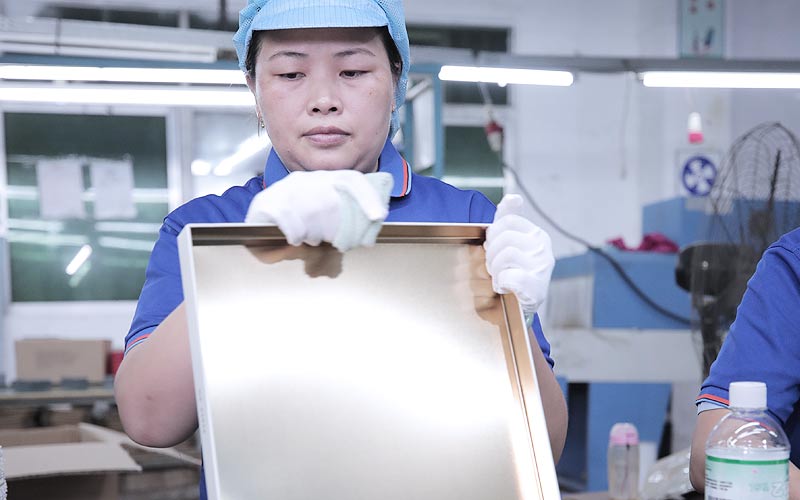
The manufacturing process is critical to ensuring personalized tins meet safety standards. Tsing’s manufacturing workshop maintains a sterile workspace and implements strict hygiene protocols using clean equipment. Strict quality control measures are implemented throughout manufacturing to ensure that the personalized tins meet safety standards. We regularly inspect, detect contaminants, and monitor production parameters. In addition to material selection, food-grade lacquers are also used in coatings and linings. These coatings prevent direct contact between the metal and the contents, thereby reducing the risk of contamination.

black square tin 71

Testing and Quality Assurance

Testing the raw materials used in personalized tins is the first step to ensuring product safety. We verify the composition of metals, coatings, and adhesives to ensure they are non-toxic and meet safety standards. Product testing includes testing structural integrity, checking for contaminants, and evaluating the performance of coatings and linings. Compliance testing involves verifying that the personalized tins meet the requirements of relevant standards such as FDA, REACH, and ISO. Quality assurance is an ongoing process. Our regular audits, inspections, and testing all help identify areas for improvement and ensure that manufacturing practices and products continue to meet safety standards.

Environmental factors in manufacturing

In addition to safety, sustainability is becoming increasingly important in manufacturing personalized tin cans. Consumers are more concerned about environmental impact, and many brands prefer sustainably produced products. Therefore, we also use tinplate materials, which help reduce the ecological impact of personalized tin cans. On the other hand, Tsing also selects environmentally friendly coatings and inks to further enhance sustainability. Water-based coatings and vegetable-based inks are the preferred alternatives to traditional solvent-based products. These ecologically friendly choices minimize harmful emissions and reduce the environmental impact of the entire product life cycle.

Triple Guarantee of Safety and Compliance, Flexible Customization, and Environmental Responsibility

In terms of materials, Tsing selects tinplate that meets FDA, REACH, and ISO international standards, combined with food-grade coatings and environmentally friendly inks to prevent contact with harmful substances, making them suitable for sensitive scenarios such as food and pharmaceuticals. During manufacturing, sterile workshops, strict hygiene regulations, and comprehensive quality monitoring ensure a pollution-free production process, with every step meeting safety requirements. Meanwhile, the use of recyclable tinplate material, water-based coatings, and plant-based inks makes personalized tin cans not only safe but also environmentally friendly, aligning with sustainable development trends. Whether you need food tin cans, cosmetic storage containers, or customized gift tin cans, Tsing can precisely meet your customization needs while complying with international safety standards.

candle tins bulk 20

How to choose the right thickness of candle tins bulk?

Different candle types have different uses and customer requirements. Therefore, customers often choose different thicknesses when placing orders candle tins bulk. Choosing the right thickness is crucial in candle jar production, as it impacts user experience, final product quality, and user safety. Therefore, we’ve compiled a list of common candle tin thicknesses across various brands and industries for your reference.

Thickness Selection for Different Candle Types

When choosing the thickness of bulk candle tins, there are a few factors to consider first:
Burning duration: Longer burning times require thicker tins to ensure safety and maintain the shape of the tin.
Heat management: For larger candles, thicker tins provide better heat dissipation.
Durability: Thicker tins are more resistant to denting and deformation, which is critical for candles in shipping or luxury markets.
Cost-effectiveness: Thinner tins are more economical for mass-producing smaller candles with shorter burning times.

Thin gauge tins (0.15-0.20 mm)

Suitable for tea candles: Tea candles are small and have a short burning time. Typically, a 0.15 to 0.20 mm thickness is ideal for such candles. The reduced thickness accommodates the wax and wick while keeping the tea candle lightweight and cost-effective. Candle tins bulk provide adequate heat dissipation during the short burning time without compromising safety.

candle tins bulk 22

Medium Gauge Tin (0.21-0.35mm)

For Container Candles: Container candles typically have a thickness between 0.21 and 0.35mm. This thickness ensures the tin can withstand larger candles’ higher heat output and longer burn time. It also provides better heat distribution, reducing the risk of hot spots that cause uneven burning or tin warping. If you are producing candles for travel or on-the-go, medium-thick tins are also a good choice.

candle tins bulk 21

Thicker Gauge Tin (0.35-0.40mm)

Specialty and Luxury Candles: For high-end, luxury, or specialty candles with multiple wicks or unique wax blends, thick gauge candle tins can provide the necessary sturdiness and upscale feel. The denser material adds to the overall aesthetic of the candle, thereby enhancing the customer experience.

candle tins bulk 23

Material properties for producing candle tins bulk

The material that candle tins bulk are made of is another crucial aspect in determining the thickness suitable for your needs. Usually made of tinplate or aluminum, these materials each have unique properties that affect their suitability for different types and sizes of candles.

Tinplate: This is a thin steel sheet coated with tin. Its durability, corrosion resistance, and ability to hold its shape make it a popular choice for candle tins.

Aluminum: It is lightweight, rust-resistant, and has excellent thermal conductivity. These properties make it another preferred material for candle tins.

Thickness measurement: When considering thickness, thicker tins are more stable and less likely to dent or bend, but they may also increase production costs and weight. Conversely, thinner tins may reduce cost and weight but may compromise the structural integrity of the tin. Additionally, both tinplate and aluminum have good heat resistance. Thicker tinplate dissipates heat better, reducing the risk of overheating and ensuring a safer burn.

Safety and Compliance of candle tins bulk

When choosing the thickness of candle tins bulk, you must recognize their safety and compliance. You must comply with industry standards and regulations to ensure your products are safe for consumers. Various standards, such as ASTM standards, specify the safety and quality of candle tins. These standards guide the minimum thickness required to ensure the candles are safe when burning. Putting consumer safety first requires rigorous testing of the thickness of the tins under various conditions to ensure that they perform reliably.

Balancing Form and Function in Candle Tins Bulk

In addition to meeting a specific thickness, it is necessary to balance aesthetics and functionality. Such tins can appeal more visually and influence consumers’ purchasing choices. Thicker tins give people a more substantial and upscale feel, which is especially important for high-end or luxury candles. Some thicker tins can better support complex designs, embossing, and other customization options. This can achieve more creative and visually appealing packaging. Thickness also affects the surface finish and texture. Thick and medium-thick tins generally have a smoother appearance and can also improve the perceived quality of the candle.

Mastering Thickness Selection

Choosing the right candle tin thickness is a multifaceted decision, involving understanding the material properties, candle type, and balancing aesthetics and functionality. These factors will ensure your candle tins meet the highest standards of quality, safety, and consumer satisfaction. Therefore, when ordering bulk candle tins, please explain your candle type, intended use, and desired thickness. This way, we can determine the optimal thickness for you.

black square tin 70

What is the production process of black square tin?

Black square tin is ubiquitous in all walks of life and is suitable for packaging and storing tea, minor hardware cosmetics, etc. Their durability makes them a popular choice for consumers and brand manufacturers. In this guide, you will look at the production process of Tsing black square tin and tell you why it can be durable enough and of good quality.

Material selection for black square tin

The first step in the production process of black square tins is to choose the suitable material. Usually, these tins are made of tinplate. This material provides the strength, corrosion resistance, and ductility required to make the tins. After sourcing high-quality tinplate, Tsing ensures that its thickness and tin plating parameters meet industry standards after rigorous testing to confirm whether it is suitable for further processing. In addition to the substrate, the choice of black coating is also crucial. And Tsing will use food-grade inks designed specifically for tinplate applications, all of which have passed international certifications such as FDA and LSGB to ensure good adhesion and provide a smooth and uniform surface.

tinplate

Coating and printing of black square tin

After the material preparation is completed, the next step is to coat and print the tinplate. The coating process involves multiple layers, starting with a primer to ensure a certain degree of adhesion. The primer also acts as a protective layer against corrosion. After the primer is applied and cured, the black coating is added. Tsing will be completed through various methods, including spraying, dipping, or electrostatic coating, and the required surface treatment and production requirements will determine the specific process.

Once the black coat has been applied and dried, printing can begin. At this stage, logos, product information and graphic designs are added using printing techniques such as offset or digital printing. The entire printing phase involves several stages of curing and quality checks to ensure that the final requirements are met. In addition, it undergoes various tests to ensure that it maintains its good appearance during use.

black square tin72


Cutting and shaping tinplate

After printing is completed, the next step is to cut and shape the tinplate into the required size. It starts with unrolling the tinplate roll and cutting it into sheets of specific sizes. The cut sheets are then fed into a forming machine to form the preliminary components of the black square can – the can body, lid, and bottom. The entire process involves several steps, including:

Cutting: Cutting the tinplate into the specific shapes required for the can body, lid, and bottom.
Forming: Using a mechanical press to bend and shape the blank into a square shape and create a sealed edge.
Joining: Using mechanical interlocking and welding or welding to connect the edges of the container to form a complete square container.
Throughout the process, Tsing uses automated equipment and professional technicians to work together to monitor the process to ensure quality standards.

black square tin 71

Quality Inspectins

Quality control is an integral part of the manufacturing process for black square tins and other types of tins and involves a series of rigorous checks and tests at each production stage.
The entire batch of tins is checked for color consistency. The entire batch of tins is checked for color consistency. The printed black must be uniform and consistent, with no noticeable variations in chroma or intensity. At the same time, the relevant inspectors check the alignment of the printed patterns, logos and text. The surface of each tin is also checked for defects such as scratches, smudges, or ink marks. The tin’s height, width, and overall shape are checked for size and accuracy. To ensure that the print adheres firmly to the surface of the tin, Tsing also conducts adhesion tests. This involves applying and removing tape to see if any ink falls off. The cans are also tested for abrasion resistance to assess the durability of the print to wear and tear. Finally, the glossiness of the printed surface is checked to ensure that it meets the required specifications.

Assembly

After completing the quality inspection, the assembly of the black square tin begin, which involves assembling the formed can body, can lid, and can bottom together.
The body of the black square tin be achieved by welding or bonding. Welding is commonly used for metal tins to ensure solid and leakproof seams. After the can body is formed, it is shaped into a square shape using a mechanical press. The pre-formed bottom part is then positioned and sewn to the can body, which uses a double seam process that involves rolling the edges of the can body and bottom together and compressing them to form a tight, leakproof seal. Depending on the design of the can, the lid is either permanently seamed or designed to be removable. For non-removable lids, the lid is securely fastened using a double-seam process. Removable lids usually feature a snap-on design or threaded sections for easy opening and closing. After assembly, a leak test ensures that the seams are properly sealed and the tin is airtight.

Guaranteeing manufacturing standards at every stage

From material selection to final packaging and delivery, Tsing pays attention to details and strives to be perfect in every link. From design, mold making to production, we provide one-stop service. At the same time, we can achieve high-efficiency output of 15 days for mold making, 3 days for samples, and 20 days for shipment.

tin box company 1

What are the common types of tin boxes produced by tin box company?

Tin boxes have always been a popular packaging choice for various products. Their durability, versatility, and aesthetics make them an excellent choice for brands and wholesalers in many industries. Tsing is a professional tin box company that designs various tin boxes to meet different packaging needs. In this guide, we will share the common types of tin boxes we produce and introduce you to their uses and advantages.

The main types of tin boxes produced by Tin Box Company are:

By use.
Shape.
Color.

The first type is divided by the use

1. Food storage tin boxes:
Our candy tins can maintain the freshness and quality of candies and chocolates. These jars are usually sealed to prevent moisture intrusion and are available in various shapes and sizes with customizable designs. They can also maintain dryness and their aroma and flavor when used to store tea and coffee, with features such as double lids and seals.

2. Beverage tin boxes:
When they are used to store beverages such as wine and spirits, they can provide elegant and protective packaging. These jars enhance the display of product brands and provide excellent protection against impact and light to maintain the quality of beverages.

3. Cosmetic and Beauty Products tins:
When you use them to store cosmetics and beauty products, manufacturers often coat their linings with a protective coating to prevent reactions to the product. They can be customized to reflect the brand identity.

4. Gift and Promotional Tin Boxes:
Also ideal for corporate gifts, promotional items, and special occasions, these tins can be customized with unique designs, logos, and messages. They come in various shapes and sizes to suit multiple gifts.

tin box 1

The second type is divided by shape

1. Rectangular tin boxes:
Rectangular tin boxes are versatile and can package various products, including food, cosmetics, stationery, and gifts. They provide ample space for brand display and promotion and can be customized with printed designs or embossed logos. These rectangular tin boxes have a sliding lid closure mechanism that is easy to open and close. They are commonly used to package items such as chocolates, biscuits, tea, and coffee.

2. Round tin boxes:
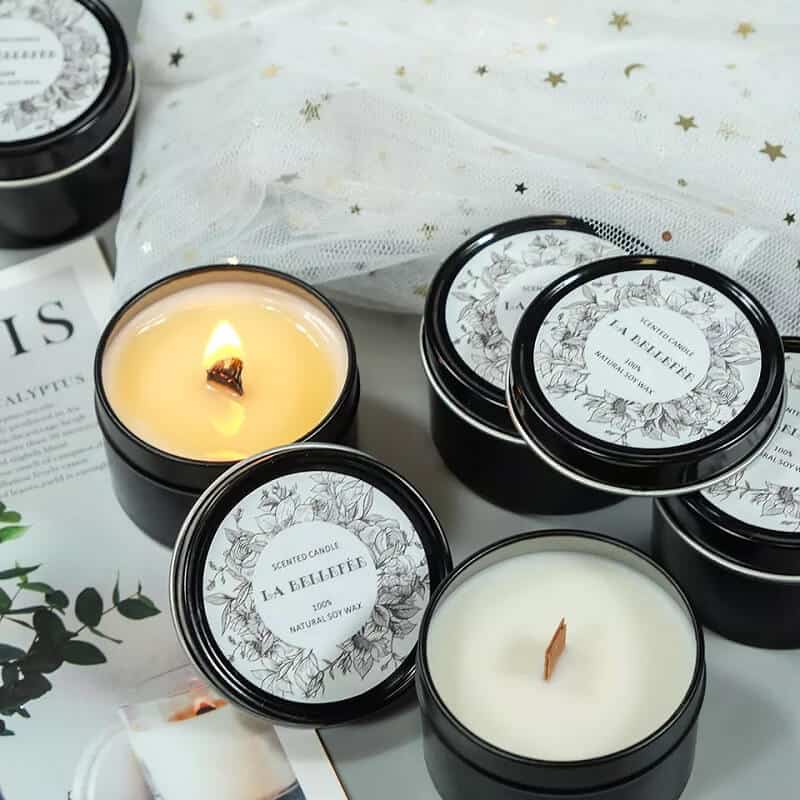
Products for round tin boxes include candies, mints, spices, and candles. The round design maximizes storage capacity, and these round tin boxes are usually paired with screw caps to ensure a secure closure, keeping the product well protected from spoilage. It is also ideal for storing candles, spices, tea, and other dry goods, allowing easy access and sealed storage.

3. Square tin boxes:
Square tin boxes are commonly used to package candies, cosmetics, toiletries, and small gifts. This square tin box offers a creative way to display contents while providing protection and freshness. Customers often use these boxes to package biscuits, chocolates, and other snacks, and this design allows them to see the product inside.

4. Special shaped tin boxes:
Special-shaped tin boxes include a variety of fun and whimsical shapes, including hearts, stars, animals, etc. These unique designs add charm and personality to the packaging, making them ideal for gifts, promotional items, and collectibles. In addition, we provide customized tin box shapes based on customer-specific requirements.

tin box 2 tin box 3

The third category is divided by color

1. Classic black tin box:
Tsing’s classic black tin box is among the most popular wholesaler choices. These versatile boxes are suitable for various uses, including packaging candies, jewelry, candles, spices, and cosmetics. Black tin boxes with company logos, brand colors, and information can be customized. Whether used for customer gifts or marketing activities, it will leave a deep impression.

2. Bright-colored tin boxes:
Colored tin boxes come in various colors, from red and blue to green and yellow. You can customize these colorful boxes to package products such as children’s toys, party gifts, and food for specific occasions or seasons. Tsing offers a series of colored tin box themes customized for particular occasions and festivals, whether Valentine’s Day, Easter, Halloween, or Christmas; themed tin boxes can cater to the festive atmosphere well.

tin box 4

Tinplate materials used by tin box company

Tsing, as a professional tin box company, uses tinplate as the main material for these tin boxes, which is ideal for durability and strength. They have a strong structural integrity, ensuring that our tin boxes can withstand external pressure and impact during transportation and handling. This durability protects the quality and safety of the contents of different types of tin boxes. The tin coating on the tinplate has excellent corrosion resistance, which prevents rust and other forms of steel deterioration. Their smooth surface is ideal for high-quality printing and embossing, allowing us to produce visually appealing tin boxes with bright colors and intricate designs. In addition, tinplate is 100% recyclable, so Tsing’s tin boxes are also an environmentally friendly packaging choice.

tin box 5

Printing Designs Used on Tin Boxes

Within these different types of tin boxes, Tsing uses different printing techniques to meet the design requirements of other brands. Tsing uses several different printing techniques to achieve:
Lithographic printing is a high-quality technology that accurately transfers detailed full-color images and designs to tinplate. This method ensures vibrant colors, sharp lines, and a durable surface that resists long-term wear and tear.

Offset printing is another technology Tsing uses, which is ideal for producing large quantities of tin boxes with consistent quality. Transferring the ink from the printing plate to the rubber blanket and then to the tinplate surface ensures the final design’s high resolution and accuracy.

Digital printing suits custom and small-volume orders, providing flexibility and speed. This technology can quickly change the design, making it ideal for personalized or limited-edition tin boxes.
To further enhance the appeal of the tin box, Tsing offers a range of special finishes such as matte, gloss, and spot UV coating. These finishes can add tactile elements to the design, making the packaging more attractive to consumers.

Tsing uses Embossed and debossed techniques to add texture and depth to the tin box design. Raising the design above the can surface while embossing creates a recessed effect, highlighting specific design elements or brand logos.

The diversity and value of tin box packaging

As a tin box company, Tsing can provide a wide range of packaging solutions to meet the different needs of brands and wholesalers. You can customize your tin box according to its purpose, shape, and color. If you want to learn more about it, you can visit our official website.

black tins 60

How do the black tins compare to the glass ones?

Black tins are one of the most common packaging methods. Other packaging methods include glass jars, plastic jars paper box packaging, etc. Among them, black tins and glass tins represent iron box packaging, which is beautiful and practical. They both present different situations in terms of functionality and durability. In this guide, we will give you a comparison of their various aspects and their advantages.

Comparison of durability and protection of black tins and glass jars

Black tins are usually made of tinplate and can provide strong protection for various products. They resist corrosion, dents, and scratches, ensuring the contents are well-protected during handling and transportation. Their excellent impact and damage resistance can reduce the risk of breakage or damage during transportation. Black tins provide excellent protection, and their opaque nature protects the contents from harmful ultraviolet radiation. In addition, they can be sealed with different lid forms.

black tins 61

Glass jars may be more attractive than black tins, but they are easy to break, especially when hit or pressured. Although glass jars can withstand moderate handling and storage conditions, they are also easy to break if dropped or subjected to sudden temperature changes. While glass jars offer a transparent view of the contents, they offer limited protection from external factors. Glass is permeable to light and oxygen, which can accelerate the degradation of some products. They require additional packaging, such as cardboard boxes or bubble wrap, to prevent breakage during transportation.

Comparison of the two in terms of portability

In terms of their portability, black tins are made of aluminum or tinplate, making them lightweight. They are usually streamlined in design, making them easy to stack and store in shipping containers, retail shelves, and home pantries. Its versatility extends to its compatibility with a variety of closure mechanisms, including screw caps, snap caps, and press-fit lids, all of which can securely seal the contents and prevent leakage or spillage during transportation. Due to the density of the glass material, glass jars are generally heavier than black jars. If mishandled or hit during transportation, glass jars are prone to breakage, which increases the risk of certain safety hazards. Despite efforts to improve the durability of glass jars with protective packaging such as bubble wrap or cardboard boxes, their fragility remains a limiting factor in portability.

black tins 62

Versatility of Customization

Black tins are versatile in design and customization and can be customized with different finishes, including matte, glossy, or textured surfaces, to enhance visual appeal and tactile experience. This allows brands to create unique packaging solutions. There is also the option of embossing, debossing, or printing directly on the surface, providing unlimited creativity for brand elements. The shape and size can be customized according to different brands. Glass jars also offer some customization options in size and shape, but the flexibility is generally lower than black tins. Their customization usually involves choosing from standard sizes and designs, lacking unique or innovative solutions.

black tins 63

Environmental sustainability

Black tins are highly recyclable and contribute to the circular economy. Tinplate tins, in particular, are one of the most recycled materials among packaging materials, capable of being recycled multiple times without compromising quality or performance. Glass jars are also recyclable, but recycling requires more energy. Recycling glass quality may deteriorate over time, resulting in limited applications and reuse potential. Despite efforts to increase glass recycling rates, challenges such as contamination, collection, and sorting issues still need to be addressed, affecting the overall sustainability of glass packaging.

Cost-effectiveness

Another advantage of black tins is that they are cost-effective compared to glass containers. Its materials have cost advantages over glass regarding raw material sourcing and processing. The production process of black tins involves technologies such as high-speed stamping and molding, which are efficient and cost-effective compared to the complex melting and other technologies required for glass. Glass jars are heavy, fragile, and expensive to produce and transport, resulting in higher packaging costs for brands. In contrast, black cans are cheaper to manufacture and transport, making them a cost-effective packaging solution for businesses and brands of all sizes.

Benefits of owning a black tin

Compared to glass containers, black tins offer advantages such as durability, lightness, design versatility, and cost-effectiveness. This makes it an attractive packaging option for brands across various industries, allowing them to enhance product protection and brand awareness. It provides a versatile packaging solution for food, cosmetics, or other consumer products.

custom tea tins 25

What lid types and construction options are available for custom tea tins?

Custom tea tins are an important part of a tea brand or wholesaler’s image, and they can keep tea fresh. When designing a custom tea tin, there are many different options, one of which is the type of lid and construction options for the tea tin. In this guide, we will talk about the various types of lids and construction options available for custom tea tins, so that you can understand their characteristics and help you make a better choice.

Custom Tea tins Lids:Plug-in lid

The plug-in lid is one of the lid types for custom tea tins. This design is to form a seal when the lid is firmly installed on the container. It has a safe closure mechanism that locks the lid firmly in place. Whether the can is upright or on its side, this design can prevent accidental tea spills or leaks. At the same time, it can effectively prevent air and moisture from penetrating the can, thereby maintaining the freshness of the tea. Plug-in lids also provide ample customization opportunities. The lid can be decorated with custom graphics, logos, or embossing to create a visual impact that attracts consumers. In addition, a variety of finishes can be used. The only disadvantage is that it is not easy to open, and the force cannot be well controlled.

custom tea tins plug-lid

Slip lid

The slid lid is also one of the lid options for custom tea tins. It is easier to open than the insert lid. The tin can be easily opened and closed for everyday use with a simple sliding motion. If appropriately designed, magnetic or friction-fit closures can provide a secure closure to ensure the lid remains secure during storage and transport. The downside is that sliding lids can wear over time, especially if the structure is imperfect or could be better and closed frequently. Issues such as the lid sticking, getting stuck, or bending can occur.

custom tea tins slip-lid

Clip Lids

Clip lids are hinged to the tin, allowing the lid to open and close smoothly without falling off. This design ensures that the lid and tin are connected and the lid cannot get lost. Clip lids usually have a clip or clasp that firmly locks the lid, creating a good airtight seal. Their sturdy construction also provides excellent protection from external factors, thereby maintaining the quality of the tea. The mechanical parts of clip lids, especially the hinges and locks, can be easily damaged if improperly handled.

custom tea tins Clip-Lid

Hinged lid

Hinged lids ensure that the lid remains attached and is never misplaced. This lid type is connected by a metal hinge, which is more flexible and convenient when opening and closing. Many hinged lids include additional locking mechanisms or clasps to ensure that the lid remains securely closed, helping to create an airtight seal. Hinged lids have a more complicated production process than simple lid types. Their hinges can also rust and wear when exposed to moisture, resulting in a weak seal or mechanical problems requiring maintenance or replacement.

custom tea tins Hinged-Lid

Construction Options for Custom Tea tins

A sealed base is a structural method that permanently seals the bottom of a tea tin during manufacturing. This design ensures that the base is strong, durable, and part of the can structure. Sealed bases are usually made of the same material as the can body. This structure provides good strength and rigidity to the tea tin, making it highly resistant to deformation and damage. The base helps maintain an airtight environment within the tin, allowing for a better seal and keeping the tea fresh.

Lined bases add an extra layer of protection to the tea, protecting it from external factors such as moisture and light. They have greater flexibility in customization, and different lining materials can be selected to enhance specific properties, such as moisture resistance and heat insulation. Depending on the design, some lining bases can be removed and replaced, making the can reusable. Lined bases may be more economical and cost-effective than permanently sealed ones. But if the seal is incorrect, it is prone to leakage, and its structural rigidity is slightly lower.

Elevate tea packaging with custom tea tins

Different lid types and construction options offer tea brands many styles, from sliding lids to hinged lids that can be customized to meet each brand’s unique needs and preferences. Tea brands can design custom tea tins, considering different tea types, storage requirements, and more.

custom printed tins 30

How can I ensure the print quality on my custom printed tins?

Custom printed tins are a popular choice for many brands and wholesalers for packaging, promotion and promotion. They will show their products’ differentiation and brand characteristics through customization and present different effects through different printing methods. Therefore, printing quality is critical, especially for those brands that purchase large quantities. If the quality of the entire batch is problematic, it will seriously affect the subsequent use. In this guide, we will share how we ensure the printing quality of custom printed tins.

Use food-grade inks in custom printed tins

We prefer to use food-grade inks in custom printed tins, which can ensure that the inner wall of the iron box can indirectly contact food, and the printing inks are all certified by the international FDA, LSGB, etc. Food-grade inks are used to ensure the safety of custom printed cans. These inks do not contain harmful substances such as heavy metals and VOCs. After being formulated, they can show excellent anti-migration properties, ensuring they will not transfer or penetrate the food stored in the tin. This feature can maintain the integrity and quality of the packaged food and prevent any interaction between the ink and the food.

Use original digital letterpress printing

We use original German digital letterpress in a custom printed tin printing process. It ensures crisp, high-resolution graphics, allowing it to print complex patterns, fine lines, and small text with excellent clarity and accuracy. This technology can also create different tactile textures on the printed surface. Unlike traditional digital printing methods that produce flat images, letterpress printing adds depth and dimension to the printed design by pressing the ink into the substrate, enhancing the tin’s visual appeal. Digital letterpress printing also reflects an efficient and fast production process, reducing setup time.

custom printed tins 31

Using CET International Standard Color Printing

We also use CET International Standard Color Printing in custom printed tins, which can support a wide color gamut, allowing us to reproduce bright and realistic colors on custom printed cans. Whether a brand logo, complex graphics, or subtle gradients, our printing technology can capture and reproduce the full spectrum of colors, ensuring that the final printed tins meet your aesthetic standards. At the same time, using CET International Standard Color Printing can also provide consistent color reproduction in different printing jobs and production runs. To ensure that the color accuracy of custom printed tins matches the specified target value.

custom printed tins 33

Using Fuji Printing Machines in Custom Printed Tins

Fuji Printing Machines in Japan have advanced print heads and imaging systems to provide ultra-high-resolution prints. This ensures precise and sharp details and vivid colors, allowing us to achieve complex and detailed text and graphics on custom printed tins. At the same time, it provides the flexibility of variable data printing capabilities, allowing personalized and customized printing on each tin.

They also use advanced color management technology and calibration processes to ensure accurate and consistent colors. We achieve precise color matching and consistency across different printing jobs and production runs by following standardized color profiles and calibration procedures. With our high-speed printing and automated workflow capabilities, we can easily handle large-volume orders.

custom printed tins 32

Let you harvest unexpected printing quality

To ensure the printing quality of our custom printed tins, we use food-grade inks, German original digital letterpress and CET international standard color printing, and Japanese Fuji printing presses to ensure color accuracy and harvest high-standard printing processes so that your creativity can be better presented in front of you.

Black square tins 65

What are some popular designs of black square tins?

Black square tins are one of the most classic and straightforward tin packaging methods and are the most commonly chosen packaging method for many different brand wholesalers. These brands choose black square tins to display or store their products in other designs. In this guide, we will help you understand several popular designs of black square tins and provide you with various choices.

Black square tins with transparent windows

The transparent window design of black square tins with transparent windows mainly adds functional advantages. These windows are shatterproof transparent plastic or glass, making it easy to see the contents without opening the tin. This is particularly useful in large food storage rooms or retail spaces, where they can quickly identify stored items. The window’s transparency can also promptly ensure that the contents’ color, texture, and quantity are visible, improving convenience and efficiency.

Black square tins 67

Black square tins with hinges

Black square tins with hinged lids are also a popular design. This design element adds a layer of convenience and ease of use. Compared with traditional screw caps or snap caps, hinged lids can make many lids open and close smoothly and safely, and seamless edges can eliminate the risk of any messy leakage during use. They can withstand frequent opening and closing without compromising their structural integrity or performance, and they can also be designed to be hermetically sealed if required, allowing them to store perishable goods such as cosmetics, herbs, etc.

Black square tins 66

Cans suitable for storing tea

Tea is one of the most popular beverages in the world, and we also receive many orders from different tea brands. Therefore, black square tins can also be designed specifically for storing tea. The square shape provides multiple advantages for storing tea. Unlike round containers, square tins can be more quickly, neatly stacked, and organized in cabinets or display racks. They are also designed to be sealed inside to preserve the freshness of your tea leaves.

Black square tins 68

Most popular printed designs

In addition to the popular shape designs mentioned above, many brands will add printing effects on the surface of the cans to enhance their visual appeal and brand image. The following effects are the most popular and classic printing effects used by our users.

Metallic foil stamping:
This printing effect involves applying metallic foil (such as gold, silver, or copper) to specific areas of the design, creating a luxurious and eye-catching decoration. It can be used for logos, decorations, or other exclusive patterns.

black square tins 68

Embossing and debossing:
Embossing involves raised designs that create a three-dimensional effect in certain areas. The recessed three-dimensional effect enhances the overall packaging appeal and stimulates the sense of touch, inviting consumers to interact with the product and experience its texture firsthand.

Matte and glossy finishes:
Matte finishes impart a sophisticated and understated elegance, creating a smooth, velvety texture that exudes sophistication and modernity. Glossy finishes, on the other hand, provide a soft and polished look that reflects light and adds a touch of glamour to the packaging. Whether choosing matte or gloss, the choice of finish will significantly affect the overall aesthetic of the can, and this design is more suitable for cosmetics or some delicately scented candle brands.

black square tins 69

Enjoy this popular design.

The famous black square tin design has many possibilities for combination, which can enhance the appeal of any product. According to the above suggestions, you can combine your own ideas to design a simple or retro-style jar. By exploring different designs and taking advantage of the unique benefits of square tins, brands can increase their influence and product sales. You can learn more about tin design on our official website.