
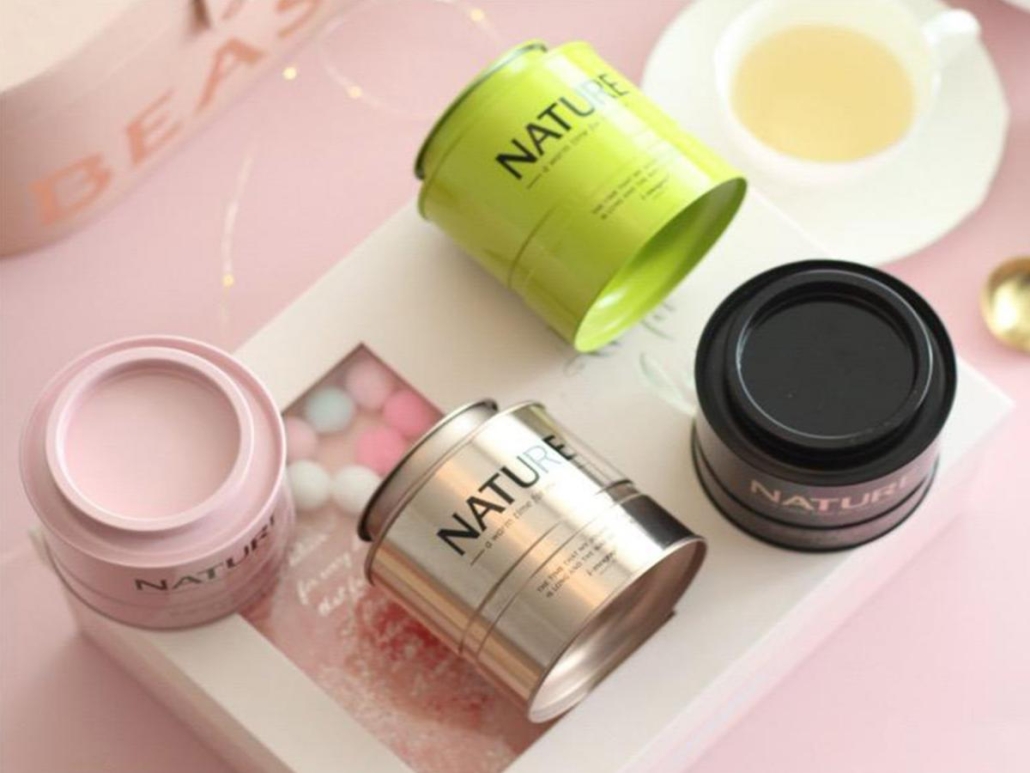
A guide to custom tin can sizes perfectly suited for candles, creams, and tea tins
For candle manufacturers, skincare companies, and tea producers, choosing the proper custom tin can packaging is more than appearance; it’s a comprehensive decision that integrates design, marketing, and logistics. Here, we’ll explain how to select the appropriate size and shape for candles, skincare products, and tea, how materials and surface treatments affect performance, which closures and sealing solutions can mitigate the risks of leaks and spills for liquids and creams, and which production and sustainability factors impact cost and delivery time.
Custom Tin Packaging Basics: Size, Capacity, and Their Importance
When choosing custom tin can packaging, size and capacity are primary factors in determining its suitability. First, consider the product fill volume and the required headspace. For candles, headspace centers the wick and allows safe burning; for creams, it prevents squeezing and potential contamination; and for tea, it preserves aroma and prevents compaction. In general, designers should reserve 5% to 15% extra headspace based on the nominal fill volume, depending on viscosity and product behavior under temperature changes. For example, a 4-oz candle with an expected net wax weight of 120 g might require a candle tin with an internal volume of approximately 140-145 g to account for shrinkage and wick placement.
Second, consider wall thickness and internal coating. Tinplate wall thickness affects structural rigidity and thermal performance during candle pouring. Thicker walls improve durability but increase weight and cost; thinner walls are lighter and easier to stack. The choice of internal coating affects compatibility with essential oils, solvents, or high-temperature waxes. Third, consider the can shape and stackability. We will ensure your custom tins are compatible with any filling, labeling, or capping production lines you use.
Custom Candle Tin Sizes: Balancing Burning Performance and Brand Image
Candle use requires consideration of several specific factors: wick placement, wax cooling, burn pool characteristics, and safety. Choosing the right custom tin size meets these functional needs while also considering brand aesthetics and shelf economics. The diameter of a custom tin dictates the size and number of wicks required. For single-wick candles, tins with a diameter between 2.5 and 3.5 inches typically create an even burn pool. Larger diameter tins (over 3.5 inches) usually require multiple wicks or a special wick system to ensure an even melt pool.
Additionally, the height affects the wax capacity and burn time. Shallow tins (20-30 mm) are ideal for travel sizes and sample sizes (e.g., 1-2 oz candle tins), while deeper tins (35-70 mm) support longer burn times and are suitable for 4-8 oz capacities. For example, a standard travel-size candle tin, 2 inches in diameter and 0.75 inches high, typically holds about 1-2 ounces of wax – perfect for sample sizes or promotional sets. Because candles generate heat during use, we select custom tins made from appropriately coated tinplate to withstand pouring temperatures. Tsing also prefers seamless drawn tin bodies because they reduce leaks and weak points and provide even heat distribution.
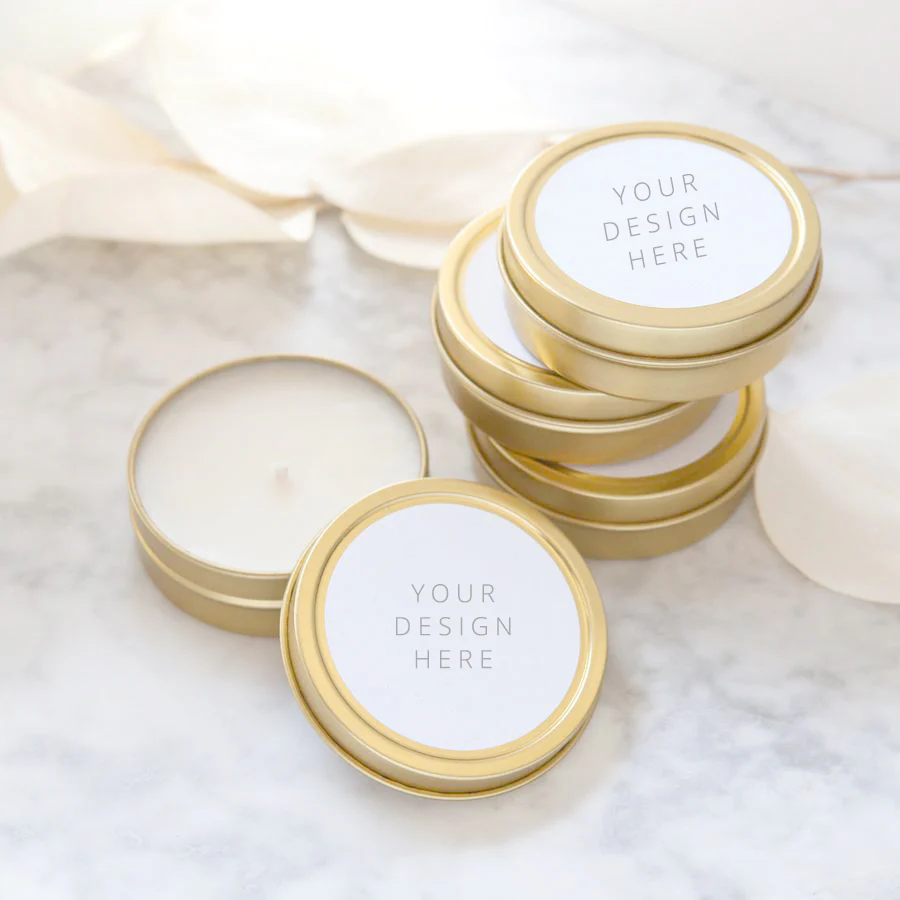
Custom-sized cream and lip balm tins: Dosage control, accessibility, and hygiene
Creams and lip balms require tin cans that are easy to access and that maintain the formula’s stability. When selecting custom cream tins, we prioritize compatibility with the inner coating, an ergonomic lid design, and size options that align with consumer usage habits.
Typically, cosmetic creams and lip balms come in packaging sizes ranging from small sample sizes (5-15 g) to everyday use tins (30-60 g) to larger skincare tins (100-200 g). For example, travel-size skincare samples often use tins with a diameter of 35-50 mm and a height of 10-20 mm. These sizes are convenient for application and generally comply with retail regulations for travel-sized products. For high-end face creams, a 30g cosmetic tin is a standard size.
While tins are ideal for creams and balms that are applied with fingers or spatulas, products with high water content are susceptible to contamination or oxidation in this type of packaging. For lotions, you can consider using a liner or inner seal. For solid or high-viscosity creams that are less prone to microbial growth, using a tin is safer. If your product requires frequent access, we will design the lids of your custom cosmetic tins to be easy to open and close without compromising the internal seal.
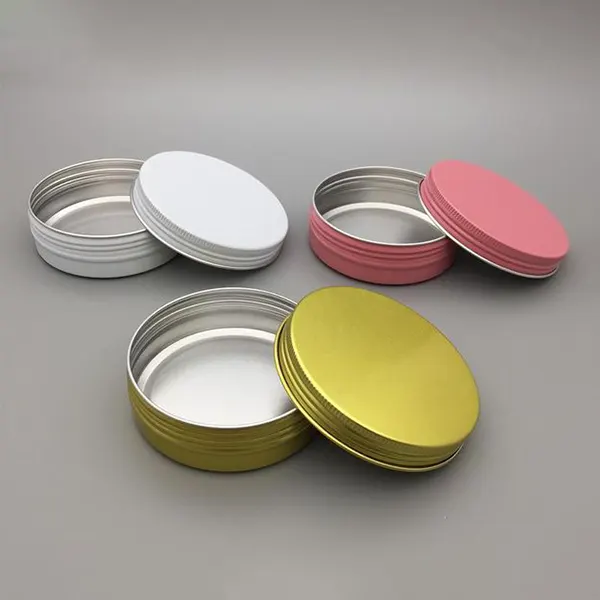
Custom Tea Tin Sizes: Preserving Aroma, Portioning, and Storage
Loose-leaf tea requires packaging that protects its aroma, prevents moisture, and facilitates storage. Carefully selected custom tin cans can extend the shelf life of tea brands and enhance the consumer experience. Tea capacity depends on weight and density. Tea capacity is measured by dry weight; therefore, the density of the tea (whole leaf vs. broken leaf) will affect the capacity of a particular tea tin. For example, a standard round tea tin, 2.5 inches in diameter and 3 inches high, can hold approximately 50-100 grams of whole leaf tea, depending on the tea’s volume.
For premium teas, we consider using internal seals, such as heat-sealed aluminum foil liners, or adding a removable polyethylene inner lid to create an intermediate barrier. While metal tins themselves offer good sealing properties, adding an inner membrane or gasket can improve aroma retention and reduce oxidation. When customizing tins, inquire about options that include inner seals or resealable liners. We can offer a range of sizes for tea samples, including small 15-25 g tins for sample packs, medium 50-100 g tins for regular purchases, and large 200-500 g tins for gift packaging. We can also design a series of custom tins with uniform patterns but varying heights, simplifying the production process while providing a flexible range of SKUs.
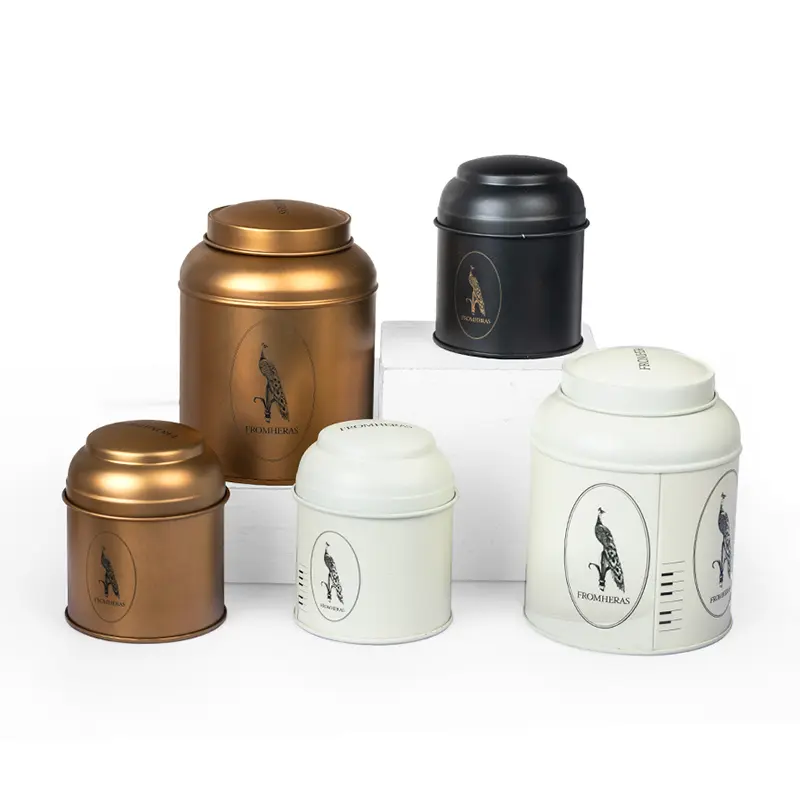
Custom Tin Can Manufacturing Process
The choice of manufacturing process directly impacts the performance of the custom tin. Two types of tinplate can be processed: seamed and seamless. Standard production methods are welded/seamed bodies and seamless drawn bodies. Welded bodies are economical for specific sizes and small production runs, but they introduce potential seam-related defects. Seamless stretching eliminates vertical seams, reducing the risk of leaks and improving aesthetics, but typically requires higher upfront tooling costs and stricter process control. For products where lateral leakage or structural integrity is a concern, such as candles and liquids, the seamless process is preferable.
The lid design of custom tin cans impacts sealing effectiveness and perceived product quality. Snap-on friction lids are standard and cost-effective. To improve leak resistance—especially for products that require aroma preservation, such as creams or teas—designers can consider liners, inner seals, or embossed lids. For liquid or gel cosmetics, embossed or necked lids with gaskets (silicone, PVC, or EPE) provide a stronger seal. Additionally, internal coatings protect both the product and the tin can’s integrity. Tsing uses cosmetic-grade or food-grade coatings for cream and tea packaging, while high-temperature-resistant coatings must be used for candle making. The external printing method determines the visual appeal and cost.
Designing and customizing the right size for you
The appropriate size for candle, cream, and tea tins directly impacts product performance, brand image, and long-term cost-effectiveness. A successful packaging choice is built on a clear understanding of product characteristics, capacity requirements, seal and coating compatibility, and manufacturing processes. By combining these technical factors with brand identity, sustainability goals, and supply chain realities, custom tin cans become more than just simple containers; they enhance product value, protect the product, improve user experience, and support scalable growth strategies.
 Facebook
 Twitter
 Linkedin
