

Addressing Global Export Compliance: Custom Metal Tins Certified by Intertek/Sira/SMETA
A beautifully designed tin container alone is no longer sufficient to satisfy the demands of international buyers or meet stringent regulatory requirements. Today, brands and retailers expect their suppliers not only to deliver high-quality products but also to demonstrate, before shipment, that these products comply with safety, ethical, and environmental standards. This is particularly critical for custom metal tins, which are widely used in sectors such as food and cosmetics, where safety and durability are paramount. For manufacturers and exporters of custom metal tins, obtaining certification from internationally recognized bodies—such as Intertek, Sira, and SMETA—serves as powerful evidence of their products’ compliance, reliability, and responsible production practices. These certifications provide buyers with assurance that the metal tins meet all applicable legal, safety, and ethical standards and will perform exceptionally well in their intended applications.
Global Compliance Requirements for Custom Metal Tins in International Trade
For manufacturers exporting custom metal tins, compliance is far more than just a burdensome administrative formality; it is an essential strategic imperative. International trade regulations are designed to safeguard consumer safety, prevent environmental pollution, and uphold ethical labor practices. Non-compliance can result in customs delays, product recalls, hefty fines, and even permanent bans from certain markets. For instance, metal tins used for food packaging that contain undetected levels of heavy metals could trigger product recalls and lawsuits, causing severe damage to a brand’s reputation.
Furthermore, global brands are increasingly relying on third-party certifications to verify the credibility of their suppliers. Certifications—such as Intertek testing reports or SMETA ethical audits—provide independent verification that products meet internationally recognized standards. The absence of such documentation for exported custom tin cans can act as a significant barrier to market entry in key global regions.
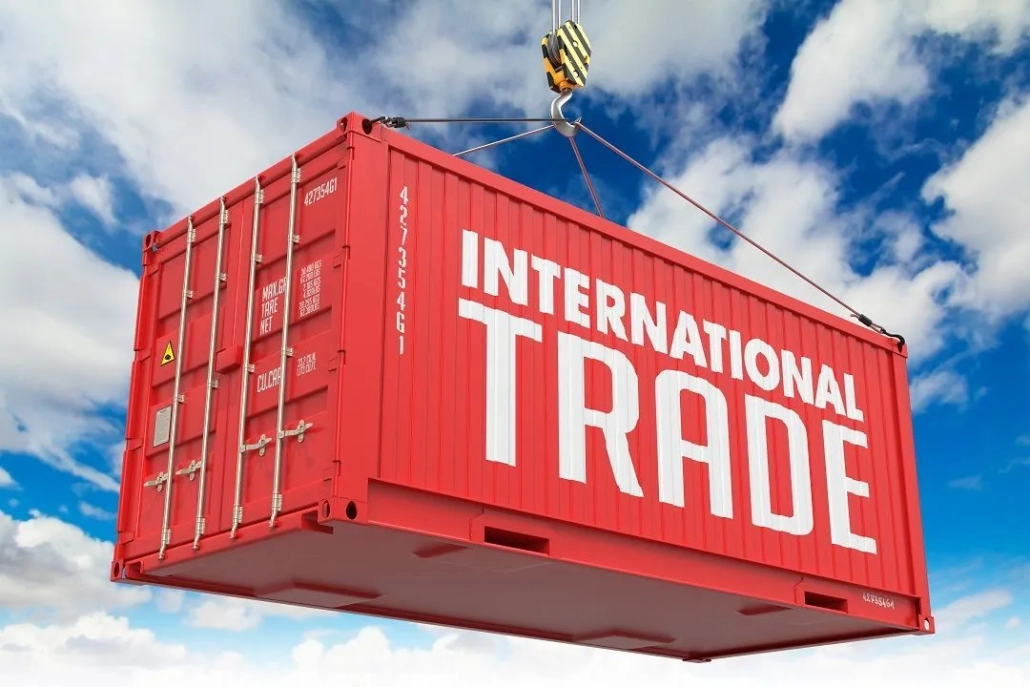
Regulatory and Testing Standards for Custom Metal Tins
To meet international compliance standards, manufacturers of custom metal tin must ensure their products undergo comprehensive safety and performance assessments. This includes both chemical and mechanical testing, as well as verification of ethical production practices. Laboratory testing ensures that the metal packaging materials are safe for consumers, a requirement that is particularly critical for food and cosmetic packaging. Typical testing protocols include heavy metal content analysis, migration testing for food-contact coatings, VOC testing, and coating adhesion testing. By ensuring their custom metal tins pass these rigorous tests, manufacturers can provide buyers with assurance that the tins are capable of safely storing products without contaminating their contents. Mechanical and Functional Performance Testing
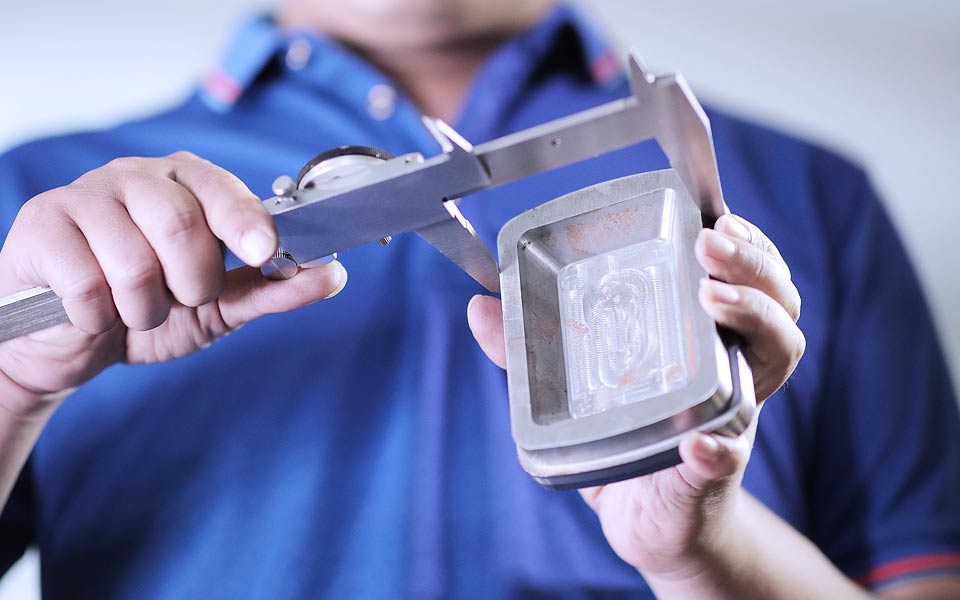
Beyond chemical safety, functional durability is also paramount. Mechanical testing typically evaluates resistance to drops and impacts, compressive strength, and the reliability of lid seals. Ensuring that custom metal tins maintain their structural integrity during transit, handling, and storage minimizes product damage, prevents leaks, and reduces consumer complaints. Collectively, these assessments confirm that the metal cans are suitable for a wide range of applications—from food packaging to specialized consumer goods.
The Role of Intertek and Sira Certification in Custom Metal Tins
Intertek is an internationally recognized authority in product testing, providing independent laboratory verification services for packaging products. For custom metal tin, Intertek’s testing protocols include chemical safety assessments, migration testing for food-contact coatings, mechanical durability testing, and certification for compliance with target-market regulations. These test results provide objective assurance to buyers and regulatory bodies, confirming that the products are safe, reliable, and fully compliant with applicable laws and regulations.
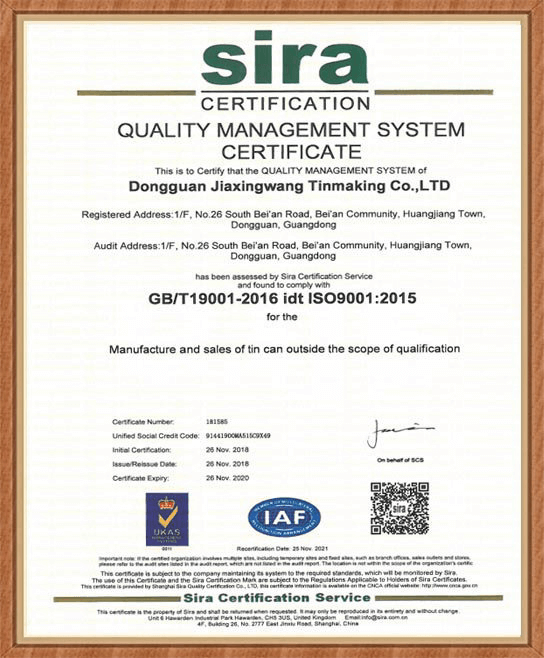
Sira has long provided technical certification and conformity assessment services for industrial products. For manufacturers of custom metal cans, obtaining certification from Sira—or an equivalent technical body—demonstrates that their products meet recognized standards for performance and safety. Buyers often view such certifications as tangible proof of a product’s reliability and regulatory compliance. By combining Intertek’s testing with Sira’s technical verification, manufacturers can establish a robust compliance framework that significantly enhances their credibility within the global marketplace.
Ethical Production and Supply Chain Transparency for Custom Metal Tins
Modern buyers evaluate not only product quality but also the ethical practices underpinning its production. SMETA evaluates manufacturing facilities against a comprehensive, internationally recognized set of standards encompassing labor rights, workplace health and safety, environmental responsibility, and business ethics. For manufacturers of custom tin cans, successfully passing a SMETA audit serves as an independent, third-party certification—a powerful testament that their production processes uphold labor rights, strictly adhere to safety regulations, and embody environmentally responsible manufacturing principles. Furthermore, this distinction helps strengthen relationships with global brands—particularly those maintaining rigorous “ethical sourcing” standards for their consumer product packaging—thereby enabling suppliers to secure greater business opportunities in markets where Corporate Social Responsibility (CSR) is regarded as a critical factor in purchasing decisions.
Export Documentation and Compliance Records
Accurate and well-maintained documentation is essential for demonstrating regulatory compliance and ensuring smooth customs clearance. Manufacturers should compile a comprehensive documentation package that includes laboratory test reports, ethical audit certificates, MSDS, Certificates of Origin, and Declarations of Conformity. Robust documentation serves a wide range of purposes. For example, it provides buyers with proof of compliance, expedites customs clearance, and offers a basis for traceability in the event of product recalls or inquiries. Exporters of custom metal cans who maintain complete compliance records can mitigate business risks, bolster buyer confidence, and enhance their reputation as reliable and responsible suppliers.
Strengthening Global Trust Through Compliance Certification
In today’s highly competitive global marketplace, ensuring export compliance is paramount for packaging manufacturers. Certifications from organizations such as Intertek, Sira, and SMETA provide independent verification, attesting that custom metal tins are safe, reliable, and produced in accordance with ethical manufacturing standards. These certifications not only satisfy regulatory requirements but also boost buyer confidence, mitigate shipping risks, and enhance market competitiveness. By implementing structured quality management systems, maintaining accurate documentation, and committing to ongoing audits and testing, manufacturers can solidify their standing as trusted suppliers of custom metal cans.


 Facebook
 Twitter
 Linkedin
