
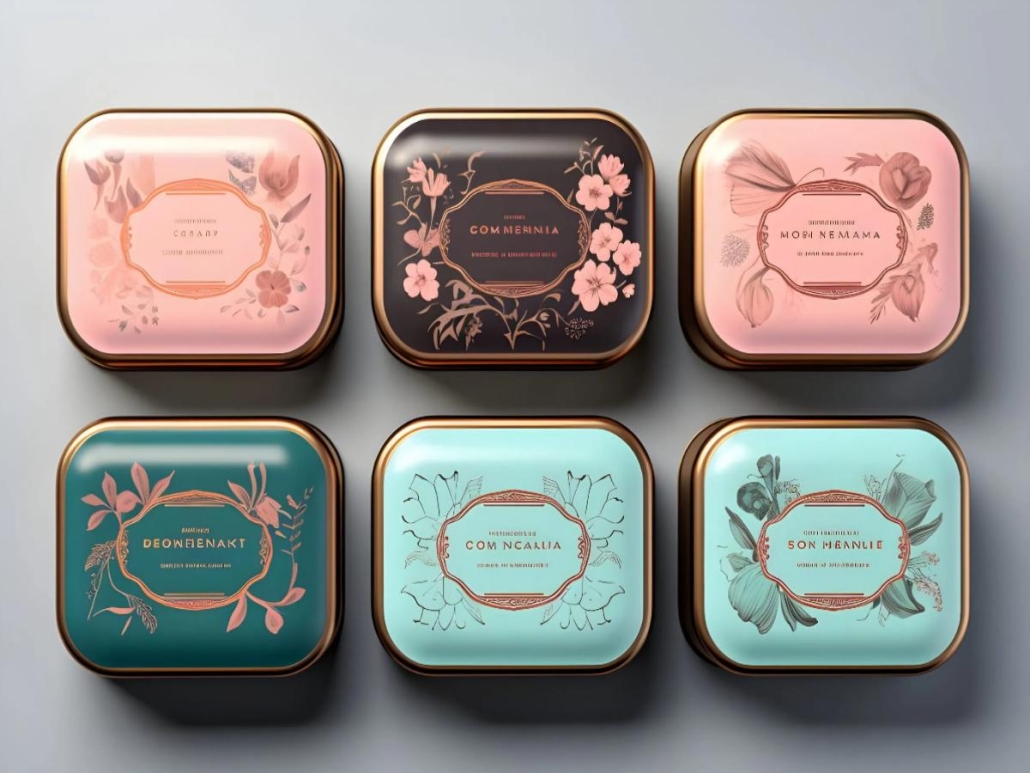
How to choose custom tin packaging for candles, tea, and coffee products?
A candle manufacturer initially used attractive cardboard boxes. However, the boxes were often crushed during shipping, and wax seeped through the thin packaging material, making the packaging look cheap. A consumer survey on the impact of packaging revealed that 73% of people judge the quality of candles, tea, and coffee based on their packaging. For these categories, packaging is more than just a container—it’s a silent salesperson and a symbol of brand image. The key to custom tin packaging for these categories lies in matching the tin can’s characteristics to the product’s unique needs. Candles need to be heat-resistant; tea needs to be protected from light; coffee needs to retain its aroma.
Custom Tin Packaging: An Indispensable Choice for Candles, Tea, and Coffee
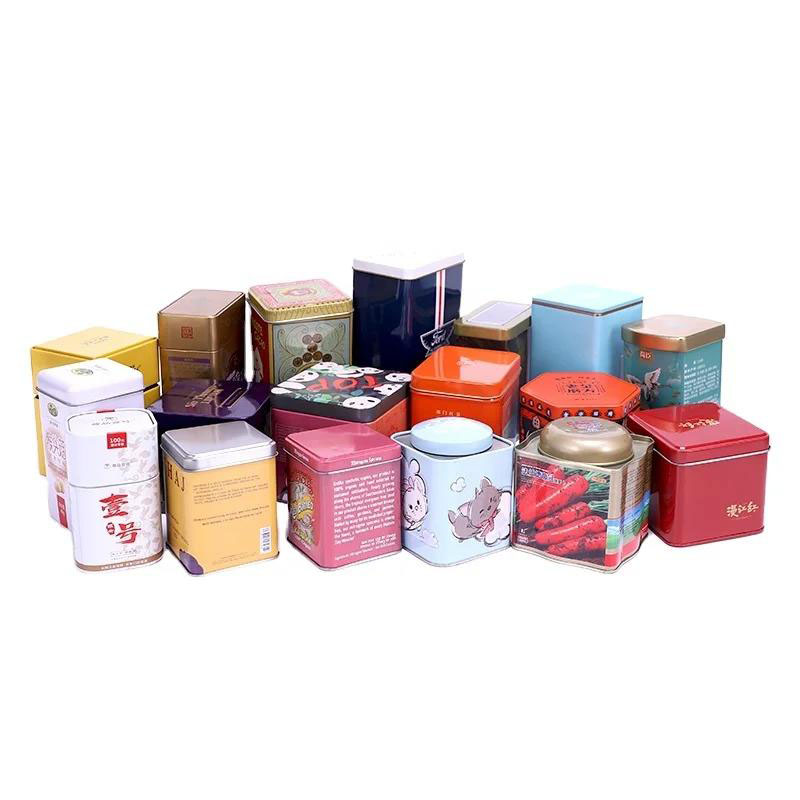
Why Custom Tin Packaging is Superior to Plastic, Paper, or Glass Packaging: Unlike other materials, tinplate meets three key factors that directly impact sales and product quality. First is durability. Tin cans are less prone to crushing during shipping (a common problem with paper packaging) and won’t break like glass. According to our clients, this can reduce return rates due to damage by 60%. Secondly, there’s the preservation effect. Tin cans are naturally opaque, blocking UV rays and preventing candle scent from fading and tea/coffee flavor from degrading. Their excellent sealing also prevents moisture and air from entering. Thirdly, there’s brand diversity. Custom tin cans can be shaped, printed, and surface-finished to match your brand, whether you’re a bohemian candlemaker or a high-end tea brand. Unlike plastic, which often gives a disposable impression, tin cans are reusable, and 89% of consumers keep custom tin cans for storage, making it free brand advertising.
Custom Candle Tins: Balancing Heat Resistance and Aesthetics
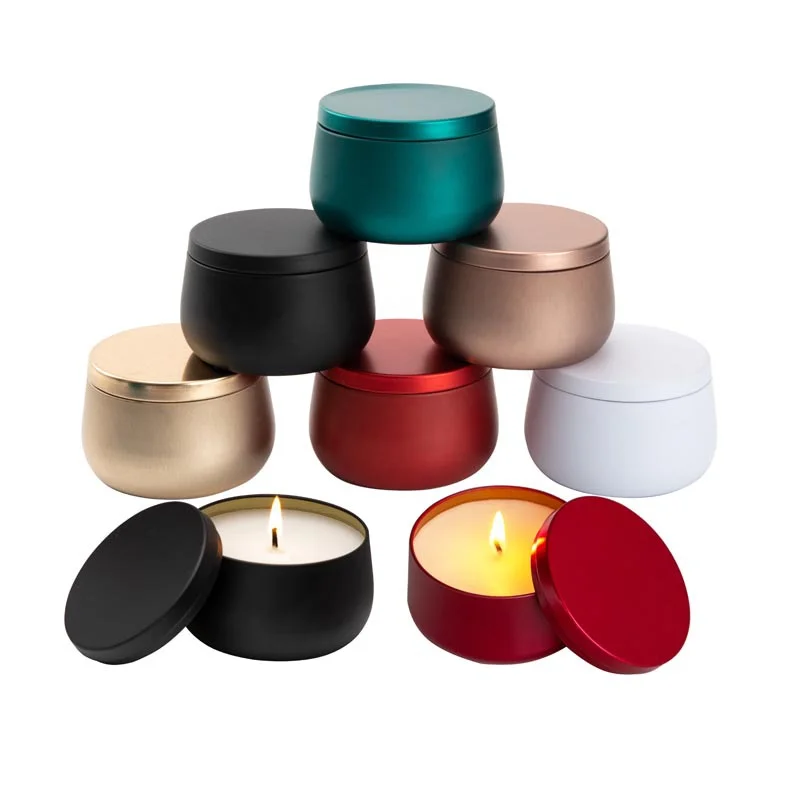
Candle packaging faces unique challenges: they generate heat, wax melts, and scent is key to sales. The best custom tin can packaging for candles needs to strike a balance between functionality and aesthetics.
First, we choose heat-resistant materials, using food-grade tinplate with thicknesses of 0.23-0.28 mm. Additionally, Tsing’s candle tins come with a heat-dissipating base to prevent the jar from becoming untouchable due to overheating, which is crucial for safety and customer satisfaction. Secondly, prioritize protecting the wax and fragrance. Choose a seamless construction to prevent wax leakage. For the lid, opt for a snug-fitting sleeve design to prevent melted wax from leaking during transport and to lock in the fragrance when the candle is not burning.
In terms of design, we consider both visibility and brand image. If you sell decorative candles, use clear window jars—but add a UV-protective coating to prevent fragrance fading. For solid-color candles, choose full-coverage printing and a matte or glossy finish. Embossed or debossed logos can add texture and make the jar look more upscale without increasing cost. In terms of size, 4-ounce to 8-ounce jars are suitable for travel or sample sizes, while 12-ounce to 16-ounce tins are ideal for standard-sized candles.
Custom Tin Can Packaging for Tea: Preserving Freshness and Locking in Fragrance
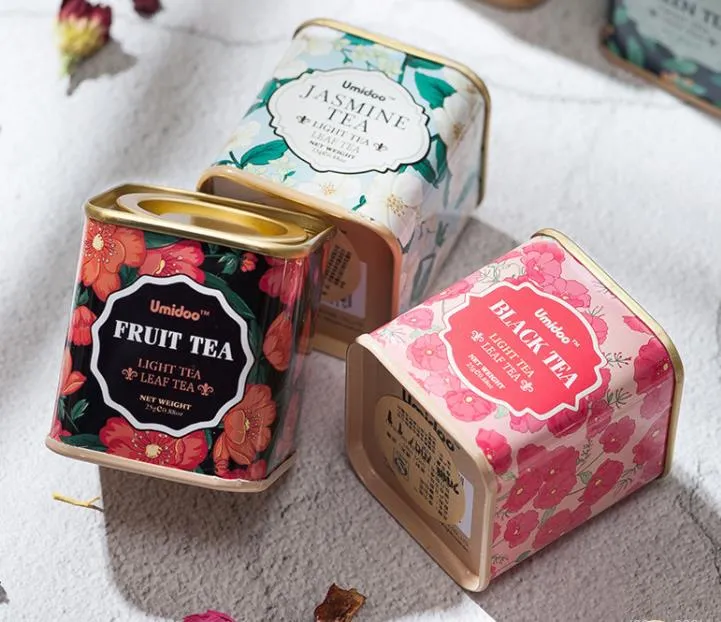
Tea is delicate and easily damaged; light, air, and moisture can all destroy its flavor and aroma. Custom tea tin packaging must act as a “freshness shield” while showcasing the product’s quality. The tin can’s opacity is essential; ultraviolet light can damage the essential oils in tea, turning vibrant matcha into a dull, bitter powder. Tsing’s tea tins are 100% opaque, completely blocking light and keeping the tea flavor fresh for over 6 months.
For airtightness, we chose screw caps with silicone gaskets to effectively prevent air and moisture from entering. For loose tea, we recommend an inner lid for extra protection. The size and shape of the can should also match the type of tea. For loose tea, we use wide-mouthed cans for easy scooping. For tea bags, slim rectangular tins save space and fit neatly in kitchen drawers. Design tip: We use color to differentiate flavors. For example, green tea can be used in soft green or white.
Custom Coffee Tin Packaging: Freshness and Portability
Coffee’s biggest enemies are oxygen, moisture, and high temperatures—but it also needs to release carbon dioxide (gas) after roasting. Custom coffee tin packaging must balance these conflicting needs to maintain the freshness and aroma of coffee beans or ground coffee.
The primary function is venting. Freshly roasted coffee releases carbon dioxide within 2-14 days after roasting. Without a venting valve, pressure can build up and cause the canister to burst, or oxygen can be forced back in, spoiling the coffee. Tsing’s coffee tins feature a one-way venting valve that allows carbon dioxide to escape while preventing oxygen from entering. Additionally, we opt for a double seal to maximize freshness. This industrial-grade seal creates an airtight barrier, offering superior preservation compared to standard tin lids. For ground coffee, we use a double seal with a pull-tab opening—convenient for customers and resealable to lock in the coffee’s aroma.
Portability is also a key design consideration for coffee lovers. The 12-ounce round coffee tin is perfect for kitchen countertops, and Tsing’s “stackable coffee tins” with interlocking lids are ideal for roasters selling multiple blends and looking to save shelf space.
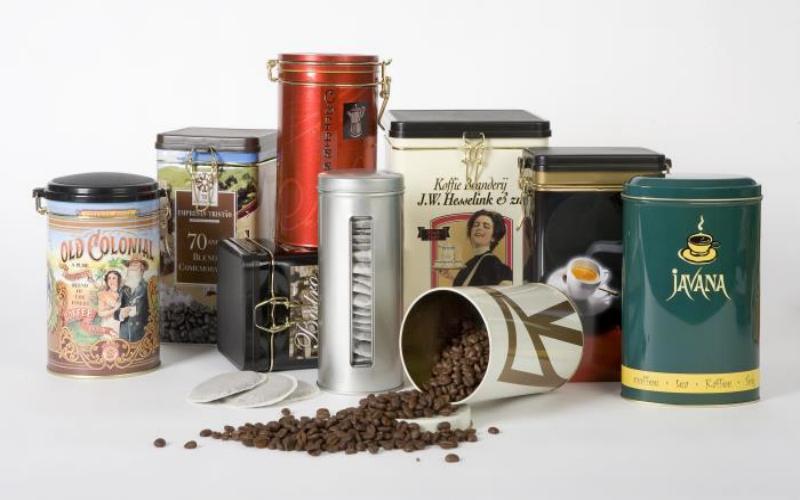
Key Design and Material Selection for Three Product Categories
While candles, tea, and coffee each have unique packaging needs, there are universal custom tin packaging solutions suitable for all three.
First, material grade. All food and cosmetic products should use FDA-compliant tinplate. Tsing’s tinplate is BPA-free and recyclable, which is crucial for environmentally conscious consumers. Second, the lid type. For most products, screw caps (for tea and coffee) or slide caps (for candles) are the best choice. Avoid snap-on lids—they offer poor sealing and are prone to falling off during shipping.
Third, printing and post-press finishing. Offset printing is best suited for large orders and complex designs; digital printing is suitable for small orders and fast delivery. Surface treatments such as matte lamination or spot UV coating can enhance the product’s quality without increasing costs. Tsing also offers “custom shapes” for brands looking to stand out; however, these shapes have a minimum order quantity (3000 pieces).
Choose the proper custom packaging!
For candles, tea, and coffee, custom tin can packaging offers better protection and customer satisfaction. A suitable tin can keeps candles safe, tea fresh, and coffee aromatic; it makes your product stand out on the shelf; and it’s reusable, turning one-time buyers into repeat customers.
Whether you’re launching a new product line or upgrading existing packaging, the key is to focus on what matters most: for candles, it’s heat retention and fragrance; for tea, it’s light and moisture retention; for coffee, it’s aroma and aroma release. Tsing’s design team translates these needs into custom tins.
 Facebook
 Twitter
 Linkedin
