
How to Choose Lid Types for 100g Loose-Leaf Tea Tins: Easy Access to Tea
A tea brand used a flip-top design on its 100g loose-leaf tea tins. These flip-tops easily pop open in the bag (leaking tea), do not seal well (fresh tea leaves turn to dry powder), and require both hands to open—creating a poor experience for users who want to enjoy a cup of tea quickly. Many customers consider the design of tea tins to be the highlight, but in many cases, functionality is also important. Therefore, when designing lids for 100g loose-leaf tea tins, we know the key is to balance three aspects: convenience, freshness preservation, and brand consistency. So, we will introduce the three most effective lid types Tsing uses in designing 100g loose-leaf tea tins, and how to choose based on your tea and customer needs.
The lids for 100g loose-tea tins are also essential
Unlike pre-packaged tea, loose-leaf tea is very delicate—its flavor and aroma depend on blocking three major enemies: air, moisture, and light. The can body can block light, but only the lid can truly isolate air and moisture. Even the most beautiful tea canister loses its appeal if the lid does not fulfill these two core functions:
First, ease of use. Tea lovers pick up their canisters two to three times a day, often while also holding a kettle or teacup. If the lid requires two hands, is excessively tight, or involves strenuous fumbling for small parts, it is simply too inconvenient. 41% of respondents said they “gave up their favorite tea” because their canisters were too tricky to open.
Second, airtight sealing is crucial. Loose tea begins to lose flavor after 30 minutes of exposure to air. A poorly sealed lid allows oxygen to enter, turning vibrant matcha into bitter powder and aromatic oolong tea into bland leaves. Tsing’s tests show that a high-quality lid can keep 100 grams of loose tea fresh for eight times longer than a poor-quality, unsuitable lid.
Third, durability. 100g tea tins are often casually stuffed into handbags, closets, or given as gifts—if the lid breaks, deforms, or pops open during shipping, it can damage a brand’s reputation.
Three Best Lid Types for 100g Loose Tea Tins
Not all lids are created equal. The best lid choice for 100g loose-leaf tea tins depends on your customer base, the type of tea, and the intended use. Here are four of the most effective lid types, along with real-world examples from our clients:
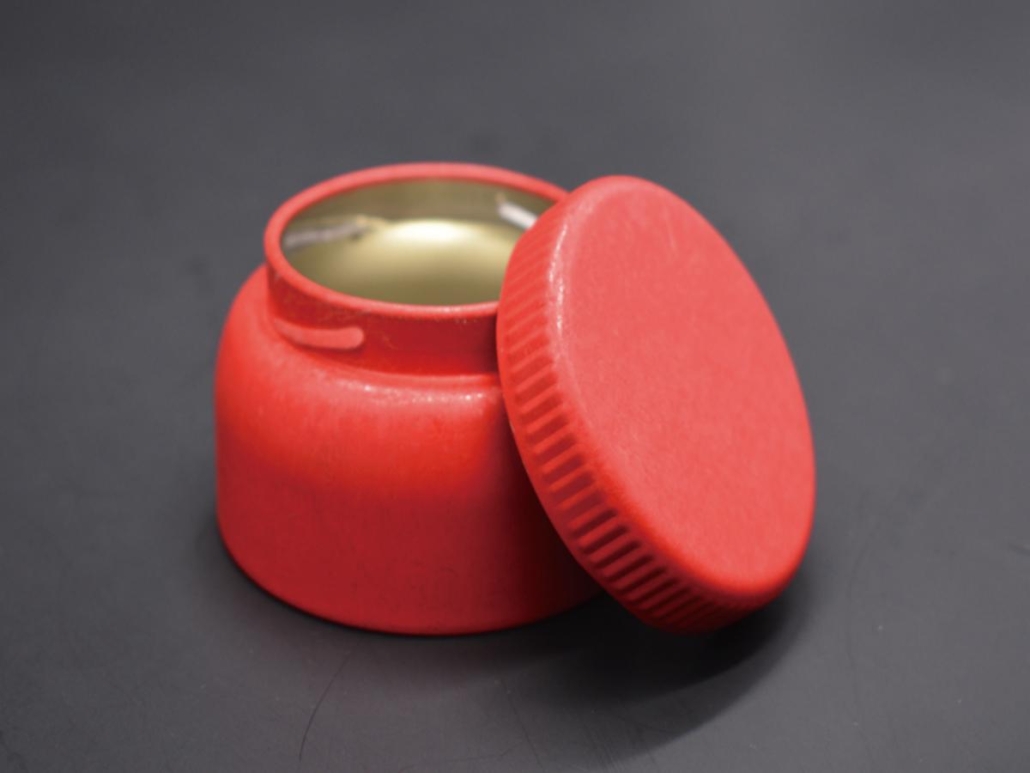
1. Screw Cap with Easy-Grip Pull Ring
Screw caps are the gold standard for 100g loose-leaf tea tins—they provide a better seal than any other lid type and are easy to operate with one hand. We have added a food-grade silicone sealing ring to the inside of the lid to keep out air and moisture. The pull ring on the lid allows customers to easily twist and open it, preventing fingers from slipping.
Best for: Delicate teas that need to maintain optimal freshness, customers who drink tea at home, and brands that value “premium”.
Tip: For 100g tea tins, choose a low-profile screw-on lid – this maintains a compact fit without compromising the seal. Avoid overly tall lids, as they waste space and look unsightly on a 100g tea tin.
2. Magnetic Flip-Top Lid
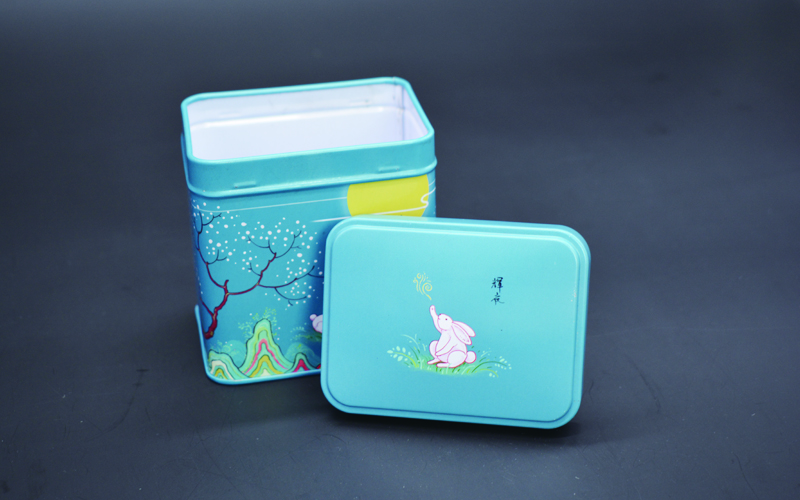
Flip-top lids are ideal for customers who drink tea frequently; no twisting is required, just a gentle flip. The downside? Cheap flip-tops are prone to leaks, so Tsing has added a magnetic sealing ring to the edge of the lid to improve preservation.
Best for: Strong-flavored teas that are less susceptible to air exposure (such as black tea and Pu-erh tea); busy working professionals or parents; and brands with a “relaxed and friendly” style. Note that for delicate teas, avoid flip-top lids without a magnetic or silicone sealing ring.
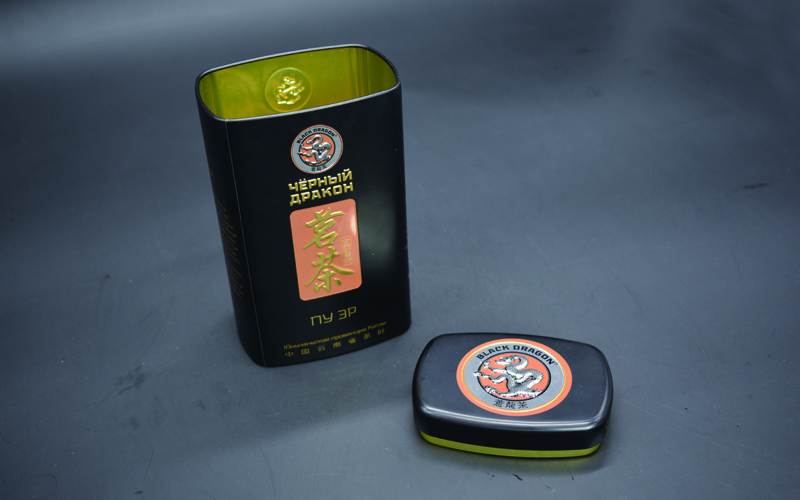
3. Hinged Snap-on Lid
Hinged lids open smoothly with metal hinges and lock securely with small snaps – they have a premium feel, elegant appearance, and are reusable. Tsing’s 100g loose-leaf tea tin features a hinged lid with a foam gasket and a reinforced hinge, ensuring durability even with repeated use.
Best suited for: premium or gift-grade teas (Silver Needle, Aged Oolong); luxury brands; holiday gift sets. Note that hinged lids are larger than screw-on or flip-top lids, resulting in slightly higher shipping costs. However, for most luxury brands, the perceived value more than compensates for the extra cost.
Choose the right lid type based on your tea, customers, and brand
Choosing the right lid is not about picking the “best” option, but rather the one that best suits your unique needs. Based on Tsing’s client success stories, you can refer to the following three-step framework for selection:
Step 1: Prioritize based on tea characteristics
Delicate teas (white tea, green tea, matcha) can be fitted with screw-on or magnetic flip-top lids. Stronger teas (black tea, Pu-erh tea) are best suited to flip-top lids. For gift teas, hinged lids are a good choice.
Step Two: Consider Customers’ Daily Habits
For home drinkers, screw-top lids are suitable; for office workers, flip-top lids are ideal; and for gift-giving, tea tins with hinged lids are a good choice.
Step Three: Maintain Consistency with Brand Image
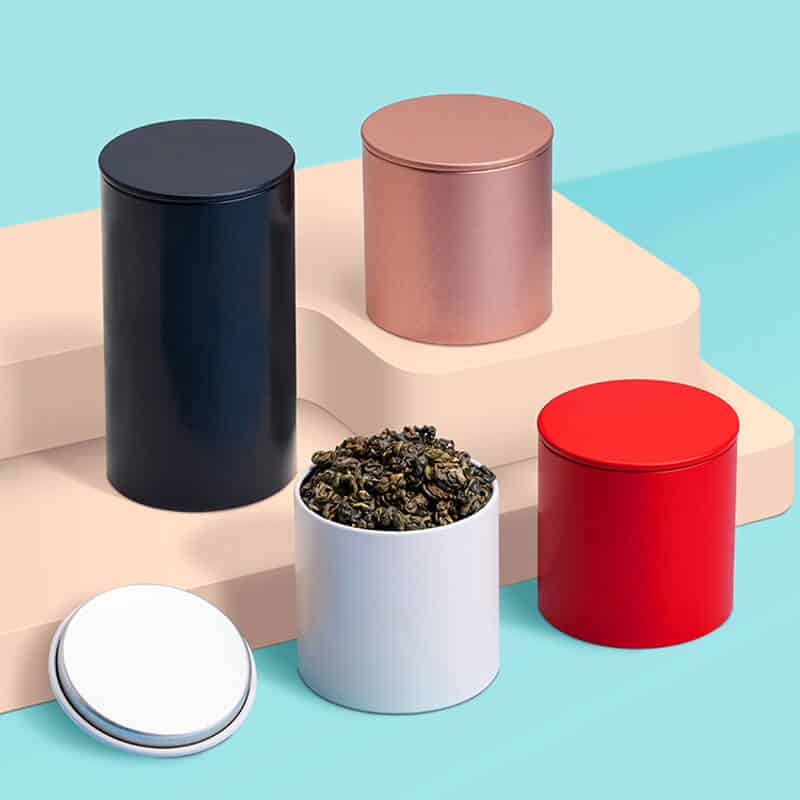
Minimalist brands can opt for simple screw-top lids with a matte finish and a slim design. More playful brands can add brightly colored flip-top lids with customizable printing. High-end brands can choose hinged lids and incorporate gold or silver accents into the tea tin design.
Tsing’s Lid Design Advantages – Durability and Freshness Preservation
Not all lids are created equal. Inferior lids, such as those with thin metal, easily damaged hinges, or no sealing ring, can lead to returns and customer loss, resulting in financial losses. Tsing’s lids for 100g bulk tea tins possess three key features derived from our testing and refined manufacturing processes:
1. Food-Grade Sealing Ring
Each lid comes with a food-grade sealing ring (silicone, foam, or rubber), ensuring safe direct contact with the tea leaves. We conduct over 500 opening and closing cycle tests on the sealing ring to ensure it will not age, crack, or absorb tea flavor.
2. Reinforced Hinges and Locks
Flip-top and hinged caps are prone to damage at the hinge, so we use high-quality 0.3 mm-thick stainless steel hinges, secured with rivets rather than glue. Our push-button caps feature an internal metal mechanical structure that will not break even with repeated pressing.
3. Personalization
You do not have to sacrifice functionality for style. Tsing can print your logo on any type of cap (offset or digital printing), add various surface finishes (matte, gloss, metallic), and even customize the shape.
Cap Care Tips for Maintaining Tea Freshness
Even the best caps require basic care to keep them fresh and durable. Share the following tips with your customers to improve customer satisfaction and reduce complaints. First, if conditions allow, clean the sealing ring monthly by wiping it with a dry cloth to remove tea dust or residue. The buildup of residue can damage the seal over time. For sticky residue, wipe with a damp cloth dampened with mild soapy water. Also, do not overtighten the screw cap on your tea tin; turn it until you feel slight resistance—overtightening will damage the threads, making the lid difficult to open later. If using a hinged lid, store the tea tin upright to avoid stressing the hinge. Storing it on its side can cause the hinge to bend over time.
A suitable lid can make your 100g loose tea tin a customer favorite
For a 100g loose-leaf tea tin, the right lid is the bridge between the product and the customer. A carefully chosen lid not only makes it easy to access the tea but also keeps it fresh. When choosing a lid for your 100g loose-leaf tea tin, ask yourself three questions: Will this lid keep the tea fresh? Will my customers find it easy to use? Does it align with my brand philosophy? Our team will translate these answers into a lid that is genuinely suitable for your tea tin during the design process.
 Facebook
 Twitter
 Linkedin
