

How to Pick 4 oz candle tins for Scented Candle Samplers?
A 4oz candle tin, while small, has a significant impact on your candle brand image. For scented candle sample sets, exploration, scent fidelity, and gift-giving value are far more critical than burn time. The candle tin you choose will affect scent longevity, burn performance, shelf appeal, and shipping reliability. Therefore, we will explain the factors to consider when choosing 4oz candle tins, how to select the correct tin based on the wax and wick, and which aspects to test before placing large orders, helping you confidently choose the correct candle tin for your sample set project.
4oz Candle Tins Materials, Inner Coatings, and Compatibility with Candle Wax
The choice of material determines the thermal performance, corrosion resistance, and barrier properties of 4oz candle tins. The two most common base materials for candle tins are tinplate and aluminum.
Tinplate:
Advantages: Excellent printability and lithographic effects, bright surface, usually lower cost, good formability for shallow tins and tight-fitting lids.
Considerations: Tinplate containers require a reliable inner coating to prevent the wax/fragrance from reacting with the metal. For scented candles, a food-grade, fragrance-compatible, oil- and heat-resistant coating is required. Tinplate may be heavier than aluminum, and its thermal conductivity is different—test the container temperature during burning.
Aluminum:
Advantages: Aluminum is naturally corrosion-resistant, lightweight, and often considered a premium material in some markets. Additionally, aluminum is very suitable for anodizing and brushing treatments.
Considerations: Aluminum sometimes has higher tooling costs, and its heat transfer is slightly different—you will need to verify the container wall temperature during burn testing.
Inner Coating/Lining:
Use a proven barrier coating to prevent essential oils from reacting with the metal. For retailers and consumers sensitive to odors, please request migration and extractable testing data from your suppliers. For samples where scent fidelity is crucial, consider using inner plugs in addition to liners during storage/transportation. Additionally, while induction liners or heat seals may be overkill for most candles, this method can be used for high-end sample sets to lock in the fragrance until the packaging is first opened.
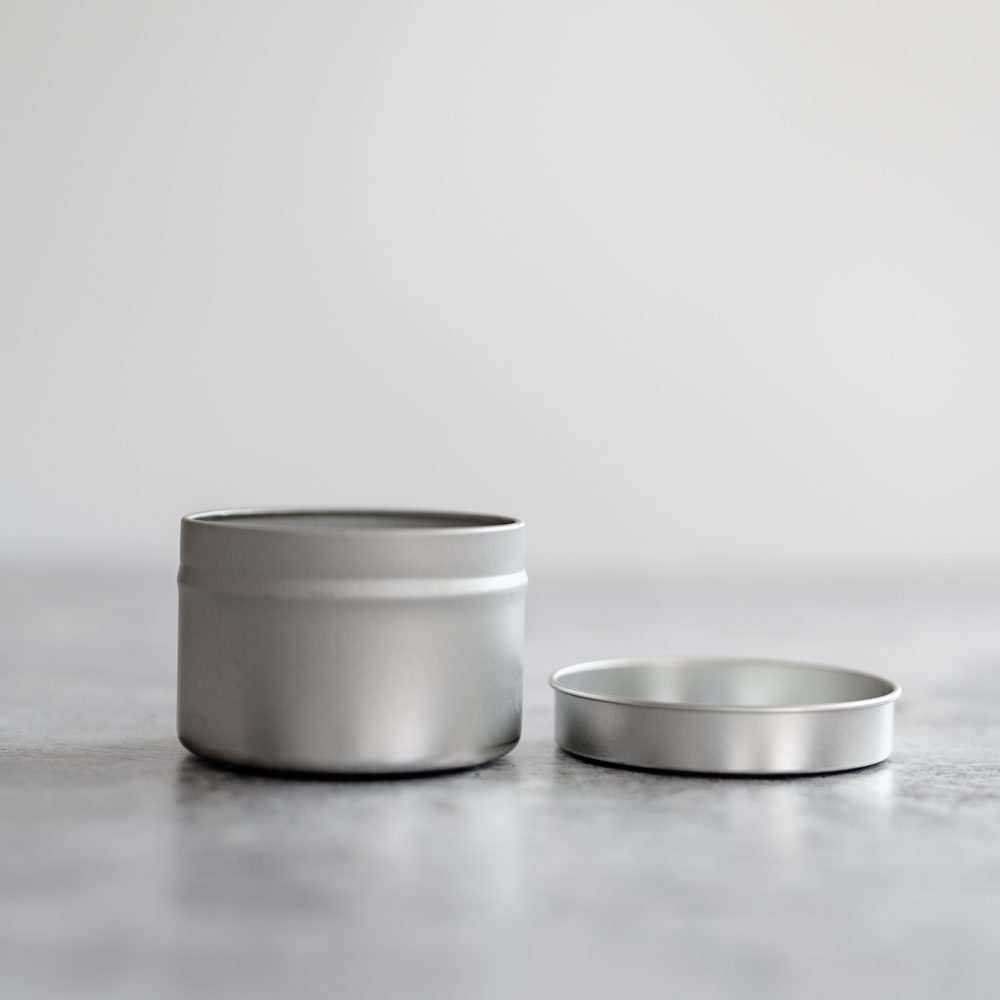
Lid Types, Sealing, and Fragrance Retention for 4 oz Candle Tins
Lid design impacts fragrance retention, shipping safety, and the tactile experience for customers sampling the fragrance.
Common lid types for 4 oz candle tins:
- Slip-on/Press-on lids:Most common – simple, lightweight, and economical. Suitable for sample jars and low-cost kits. They provide good sealing but limited airtightness.
- Screw-on lids: Offer better mechanical sealing and are the preferred choice for candle tins. Slightly more expensive but gives a premium impression.
- Snap-on or hinged lids: Less standard for this candle tin shape; typically used for novelty products or gift packaging.
- Inner sealing liner: An internal press-in plug (plastic or thin metal) or induction sealing foil can further prevent the loss of volatile fragrances during storage and transportation.
How to better retain fragrance?
- Use an inner plug for sample packaging: Placing an inexpensive plastic inner plug under the lid can significantly reduce headspace exchange and preserve delicate top notes.
- Choose a tighter-fitting lid: If samples are pre-filled and distributed in retail packaging boxes, a tighter-fitting lid can reduce fragrance leakage. Test several different lids and measure fragrance headspace loss over 1-4 weeks.
- Secondary packaging: Placing the sample jar in a resealable pouch or a folded card, then placing the pouch or card inside a box, further reduces fragrance migration during shipping.
Size, Fill Weight, Wick Selection, and Burn Performance
A 4oz candle tin typically refers to the weight of the wax poured into the container after the candle has burned. For sample candles, we find a balance: enough fragrance for a good experience, yet small and economical.
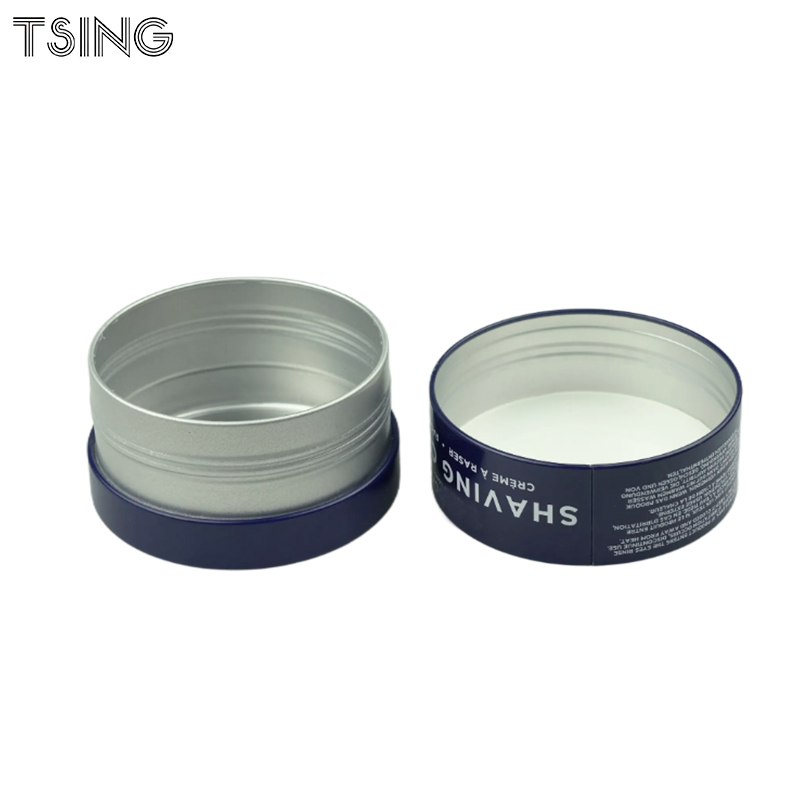
Size and geometry: 4 ounces typically corresponds to a shallow jar, approximately 2.5-3.25 inches in diameter and 1.0-1.25 inches in height.
Consider headspace: Leave 4-6 mm of headspace between the wax surface and the lid to prevent overflow and allow for thermal expansion during the first burn.
Wax type and density: The density of the wax will affect the volume required for a 4-ounce weight. Soy wax, paraffin wax, and coconut wax each have different properties. Please inform your tin can supplier of your desired wax density so they can confirm the dimensions from the can opening to the fill line, ensuring consistent fill weight.
Wick Selection for Sampler Performance: For sample candles, burn time is typically 1-4 hours. Wick selection should prioritize clean initial burning and clear fragrance throw within the sample burn time.
Decoration, Labeling, and Branding Considerations
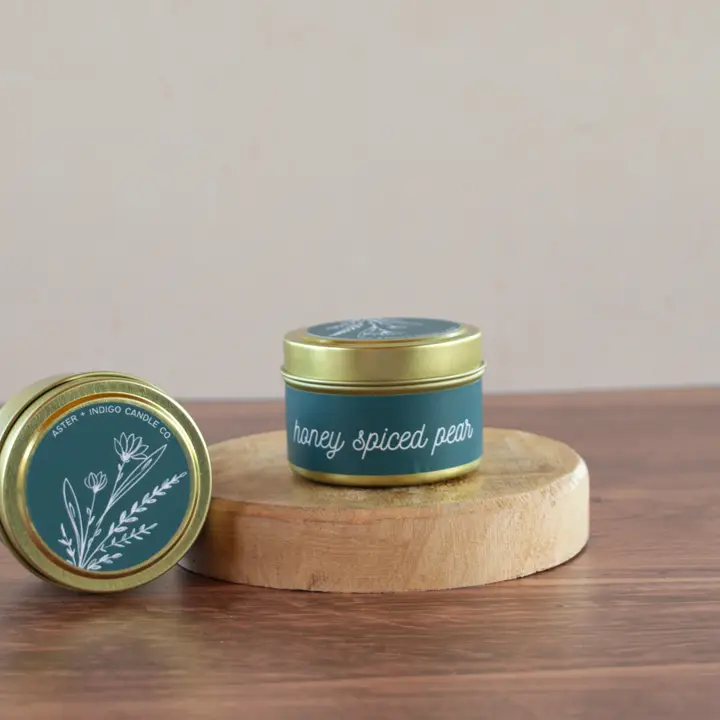
Packaging is crucial; samples are not just about fragrance, but also about brand storytelling and conversion rates. Beautiful candle tins can enhance perceived product value and increase the conversion rate of samples to purchases.
Decoration Methods:
- Full-Surface Offset Printing: Allows for full-color, photographic-quality packaging and is cost-effective for large production runs. Ideal for creating a strong visual identity.
- Spot Printing and Metallic Finishes: Use spot gloss, matte, or metallic inks to create contrast and a sense of luxury.
- Embossing and Debossing: Add a tactile sense of premium quality – suitable for limited-edition samples.
- Foil Stamping and Hot Stamping: Adds a small but striking touch of luxury to logos or fragrance names.
- Labeling: Pressure-sensitive labels or shrink sleeves are flexible options for multi-SKU sample lines; custom densities will affect minimum order quantities.
Color Fidelity and Brand Matching:
- If color accuracy is critical, provide Pantone color numbers and request color samples. Tsing offers Pantone Matching System (PMS) color-matching services to ensure printed colors align with your brand image.
Gift and Retail Packaging:
- Sample candle tins can be packaged in sets (e.g., 4-6 sample tins in a gift box). Use internal dividers to prevent damage during shipping.
- Consider retail packaging, such as outer boxes with small windows or compact packaging sleeves printed with fragrance names.
Sustainability, Recycling, and Customer Experience
Environmental considerations influence consumer purchasing decisions, especially for high-end, natural, or lifestyle candle brands. When chosen and presented correctly, 4-oz candle tins can also offer sustainability advantages.
Recyclability and Material Selection:
Metal tins are widely recyclable in most municipal recycling systems. Communicate recyclability information to customers: “Tinplate cans are recyclable.”
Pay attention to coatings: Certain polymer or composite linings may complicate recycling. Request a recycling impact statement from your supplier and choose single-material designs whenever possible.
Refillable and Reusable Strategies:
Position the cans as reusable: Design durable lids, offer refills, or launch programs that encourage consumers to recycle or refill the cans. Refill programs can increase customer lifetime value and reduce waste. For sample cans, suggest secondary uses on the label to encourage retention and minimize disposal.
In the customer experience, include simple care instructions and reuse suggestions on the packaging to enhance both the perceived and actual sustainability of the candle cans.
Designing and manufacturing the right 4oz candle can for you
Choosing the correct 4oz candle tin is a strategic decision that directly impacts fragrance performance, safety, brand image, and the overall customer experience. Therefore, we effectively balance factors such as material selection, inner coating, lid design, burning performance, brand image, and compliance during the design process. This ensures your 4oz candle tins not only maintain the integrity of the fragrance but are also safe to use.
 Facebook
 Twitter
 Linkedin
