
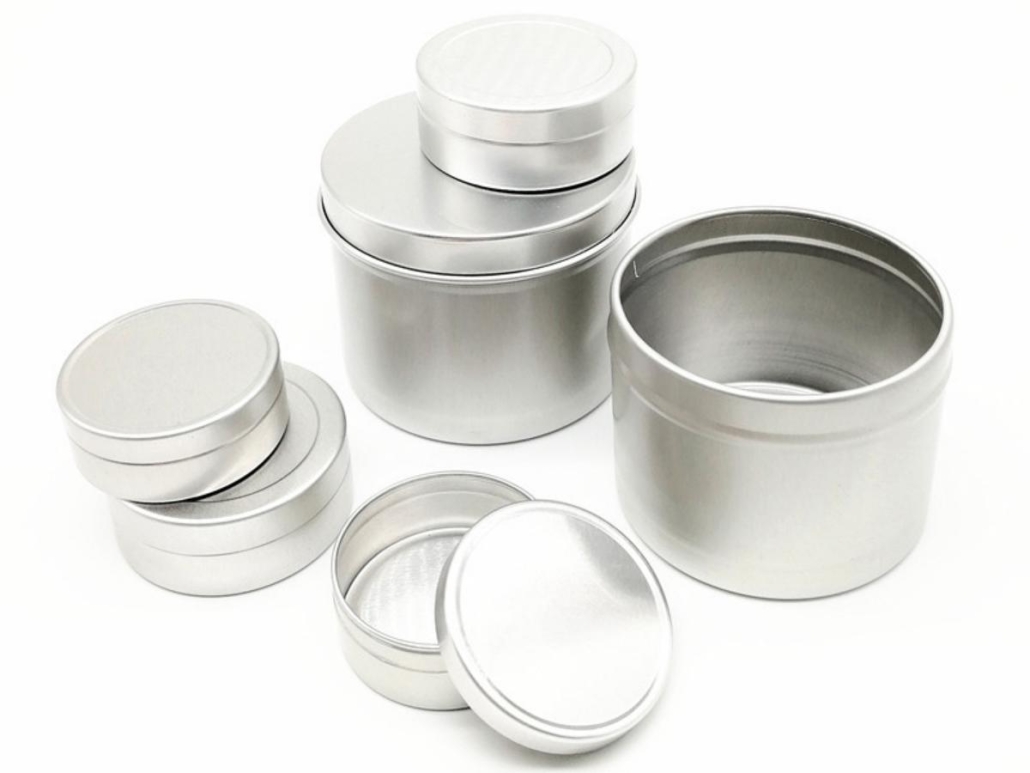
Metal Tins with vs Without Silicone Seals: Product Shelf Life Comparison
Imagine a matte black metal tin, printed with a crisp brand logo, its lid closing with a satisfying “click,” perfectly preserving the aroma for the next brew. Now imagine the same metal tin after a quarter of transportation and shelf display—the brand logo is still intact, but the aroma has dissipated, and the coffee is no longer fresh. In packaging, the difference between these two outcomes often comes down to the seal. A small silicone ring can transform packaging from merely adequate to truly effective in preserving freshness. Therefore, we’ll explain the practical impact of silicone sealing rings on metal tins, showing you how they affect product shelf life, performance, manufacturability, and cost.
The Difference Between Metal Tins With and Without Silicone Sealing Rings
When evaluating metal tins, the presence or absence of a silicone sealing ring changes three key attributes: physical closure behavior, barrier performance at the lid interface, and consumer experience.
First, let’s look at the physical seal. Ordinary press-fit lids rely primarily on mechanical interference between the lid edge and the can body for sealing. Initially, this seal feels very tight, but small variations in manufacturing tolerances, lid deformation, or repeated opening and closing can reduce sealing effectiveness. In contrast, metal tins with silicone sealing rings compress to fill tiny gaps and maintain a tight fit through repeated cycles. This results in a more uniform and stable sealing force and a lower likelihood of air ingress over time.
Secondly, there’s barrier performance. The barrier performance of metal tins without a compressible seal depends on the quality of the metal flange and the precision of the can lid. With proper storage and handling, these tins can be suitable for dry goods. However, for products that require strict odor retention or protection against moisture ingress, a silicone sealing ring effectively reduces air convection at the lid seam, thereby improving barrier performance.
How Does the Seal of Metal Tins Affect Product Stability?
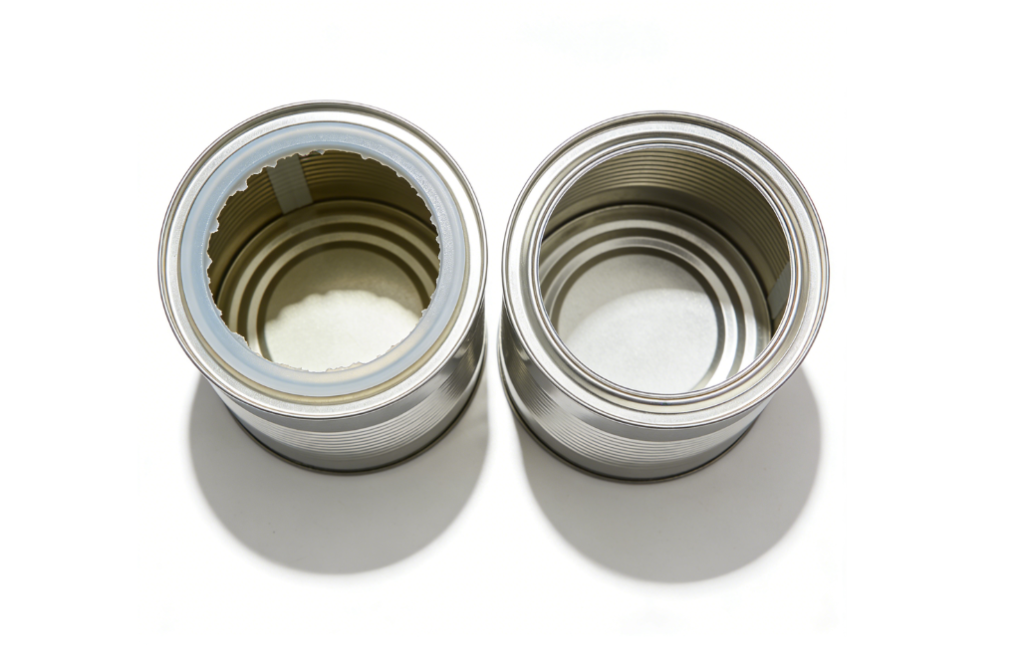
The shelf life of products packaged in metal tins depends on a variety of interacting factors: oxygen ingress, moisture exchange, light exposure, headspace chemistry, and the product’s own oxidation kinetics. Silicone seals most directly impact two variables: oxygen/moisture ingress at the can lid and the stability of the headspace after filling.
Oxygen and Moisture Ingress: While tin cans offer excellent barrier properties against gases and moisture, the lid seam is a common weak point. Even tiny air channels in the lid can lead to slow oxygen ingress. For products like roasted coffee, which contain volatile aroma compounds and are sensitive to oxygen, even small amounts of continuous oxygen ingress can shorten shelf life.
Headspace and Degassing: Some products, especially coffee or tea, degas after roasting. This degassing can cause micropores to open momentarily; the elasticity of the silicone seal can accommodate slight changes in internal pressure during early storage, reducing cyclical exchange with ambient air. Similarly, for products containing hygroscopic ingredients, reducing repeated exposure to humid air slows moisture absorption, thus reducing the risk of clumping or microbial growth.
In practice, for products sensitive to aroma and humidity, using metal tins with appropriate silicone seals can often extend their effective shelf life.
Silicone Seal Materials, Design, and Food Safety
Not all silicone seals are created equal. When evaluating metal tins with silicone seals, consider the material grade, geometry, installation method, and compliance with relevant regulations.
Material Properties: Food-grade silicone is the standard material for consumables. It is typically platinum- or peroxide-cured room-temperature vulcanizing (RTV) or high-consistency rubber (HCR/LSR) silicone, formulated to comply with US Food and Drug Administration (FDA) and European Union food contact regulations. Key performance characteristics to consider include hardness, compression set, and thermal stability. Softer hardness improves conformability but may wear faster; harder materials maintain their shape better but may not conform tightly to rough surfaces.
Seal Geometry and Placement:
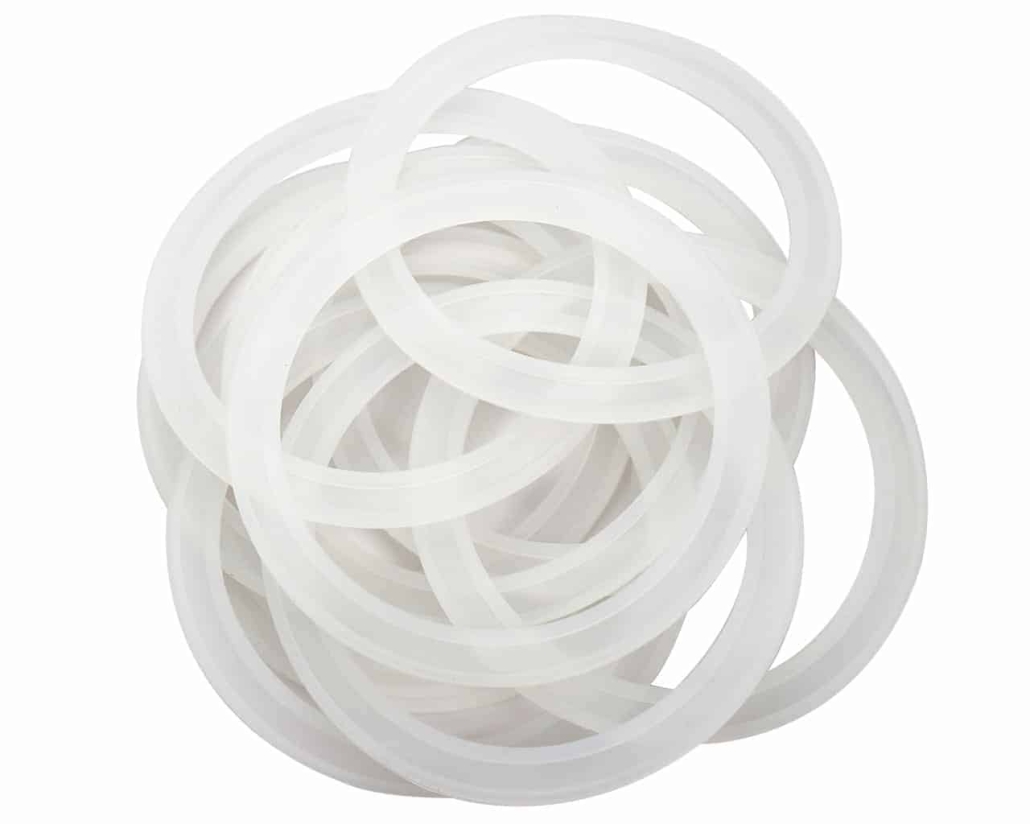
Insert Ring: A molded silicone ring that is inserted into a groove in the lid. This design is common and, in some styles, allows for easy replacement.
Overmolded Seal: During assembly, manufacturers mold the silicone directly onto the metal lid, creating a seamless connection and minimizing assembly steps. Integrated Lip Seal: Designers integrate a thin silicone lip into the lid edge, providing a secure seal while minimizing visual impact on low-profile lids.
Installation and Durability: Inserted seals can sometimes detach if they lack a securing mechanism; overmolded seals are securely bonded but require dedicated molds. Consider the expected number of openings and closings – consumer product tins may undergo dozens of cycles, so silicone with low compression set and good abrasion resistance should be chosen.
Regulations and Food Safety: For food products, manufacturers require relevant certifications, including compliance with U.S. Food and Drug Administration (FDA) 21 CFR food contact requirements, and ideally also meet EU 10/2011 or equivalent standards.
Which Products Need Silicone Seals, and Which Don’t?
Whether to add a silicone seal to a metal tin depends primarily on product sensitivity and brand positioning.
The following products benefit from silicone seals in metal tins:
Coffee Beans: Aroma is crucial. Silicone seals reduce contact between coffee and oxygen, helping to preserve volatile aroma compounds and extend freshness. The seal also aids in the degassing process during the first few days after packaging.
Specialty Teas and Fine Spices: Volatile aromas and moisture sensitivity make sealing essential to prevent flavor loss and clumping.
High-Value Cosmetics and Fragrances: Essential oils and perfumes benefit from improved headspace stability and reduced odor transfer to adjacent products.
The following products do not require them:
Non-perishable dry goods (hardware, small parts): The need for sealing to preserve aroma or moisture is low; a standard press-fit metal tin may suffice.
Bulk, low-cost promotions: If cost control is the primary factor and product sensitivity is low, the seal may not justify the expense.
Before specifying silicone seals for metal tins, evaluate product sensitivity (hygroscopicity, volatility) and brand positioning.

Balancing Shelf Life, Experience, and Practicality
Silicone seals significantly improve the sealing performance of metal tin lids, making them a valuable investment for products sensitive to aroma or moisture. Sealing rings effectively reduce oxygen and moisture ingress at critical failure points, stabilize the container’s internal environment, and enhance consumer perception through tactile feedback. However, they also increase complexity in manufacturing, supply chain management, and disposal costs.
The choice between metal tins with or without silicone sealing rings should depend on the product characteristics: for coffee, specialty foods, and high-value aromatic products, tin cans with sealing rings should be prioritized; while for products that do not require high levels of airtightness, well-designed standard metal tins can usually provide satisfactory performance at a lower cost.



 Facebook
 Twitter
 Linkedin
