
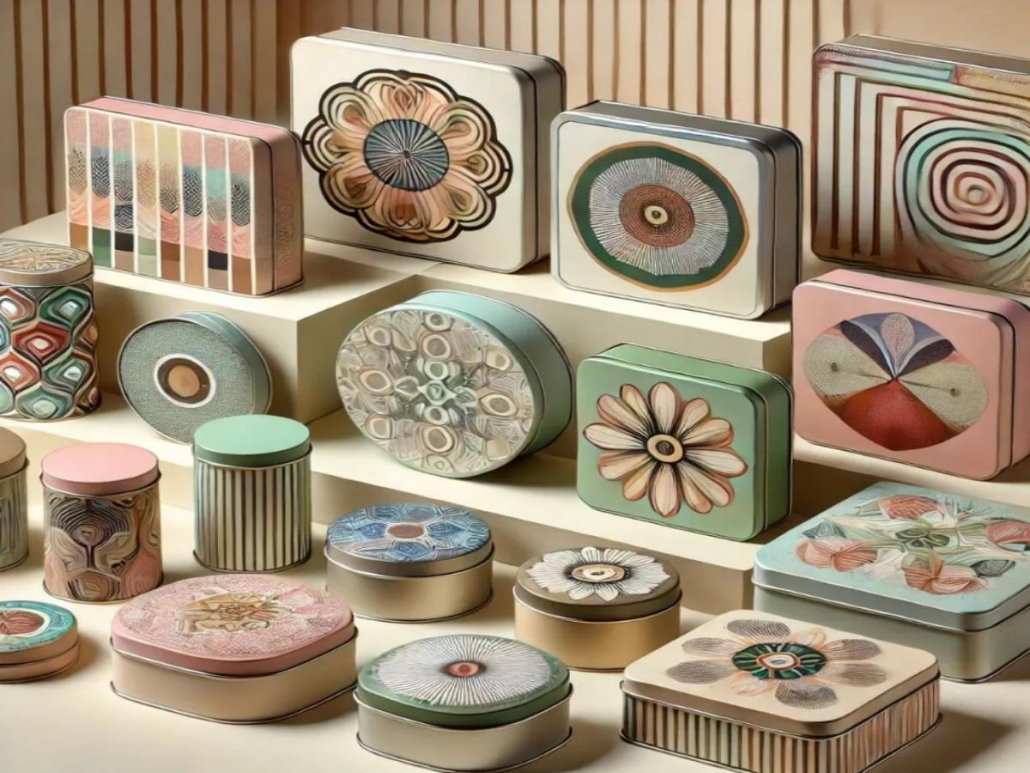
Multi-Purpose Custom Tin Box: Versatile for Food/Candles/Cosmetics & Gift Sets
Consumers pick up an item from a retail shelf. What makes them stop? Often, it’s the tactile feel of the beautiful packaging, its substantial weight, or a clever design that suggests reusability. Packaging is more than just protection; it’s a promise. A well-designed custom tin box can protect fragile products, convey brand value, enhance perceived value, reduce returns, and encourage repeat purchases. This is especially true for food, candles, cosmetics, and gift sets, where the packaging itself becomes part of the product experience.
Material Selection and Safety for Custom Tin Box
When choosing a custom tin box specifically for food, safety and compliance are paramount. Food-grade tin boxes require appropriate coatings, compatible inks, and sealing methods to preserve food flavor, extend shelf life, and prevent chemical migration.
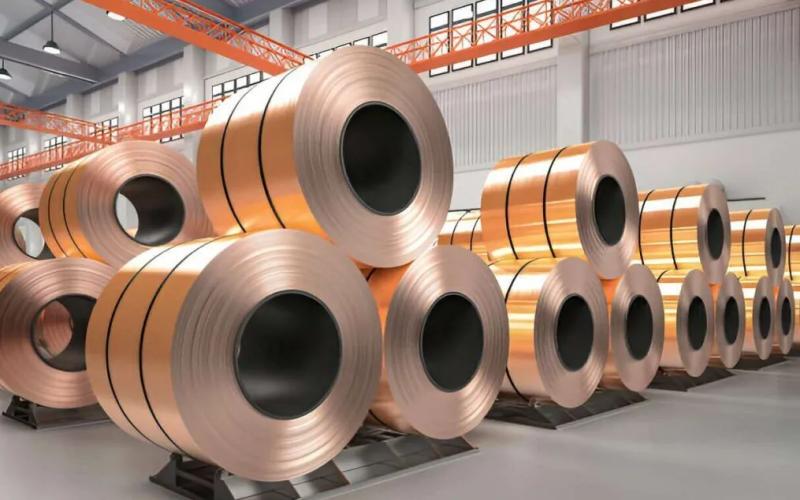
Start with the substrate. TSING’s food-grade tin cans are made of tinplate because of its corrosion resistance, high mechanical strength, and excellent printability. Secondly, the coating is crucial. The inner coating used for food contact must be food-safety certified (compliant with FDA/EFSA standards) and compatible with the product’s acidity and oil content, for acidic foods such as jams, coatings with high barrier properties, and migration limit testing are essential. If your product contains fragrances or oils, long-term aroma retention and potential discoloration must be evaluated.
Additionally, the choice of printing and inks is also crucial. For areas that may come into contact with the product (e.g., the inner lid surface), we use food-grade inks or contact-resistant gaskets. Furthermore, we use silicone sealing rings, pressure caps, or integrated gaskets to slow oxidation and moisture penetration.
Design and Construction Selection of a Custom Tin Box for Candles and Cosmetics
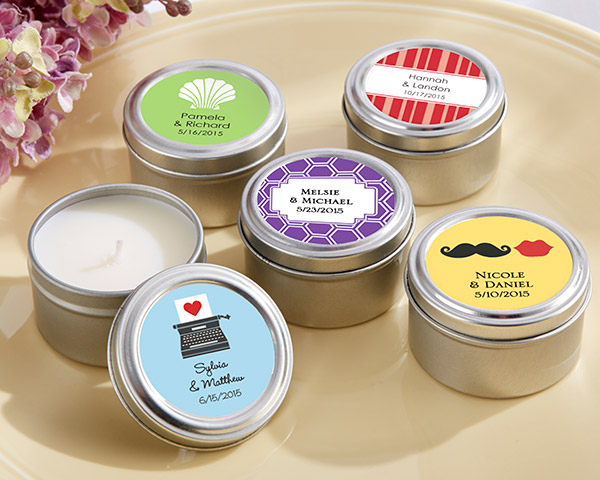
Candles and cosmetics present different mechanical and thermal challenges for custom tin boxes. Candles generate heat and may drip; cosmetics may be light-sensitive and require precise measurement. Design choices should reflect these nuances.
For candles, heat resistance and stability are paramount. Therefore, we use tin cans with sturdy lids and, where necessary, double-walled structures to reduce heat loss. Cosmetics require high-dimensional accuracy and aesthetic appeal. Lipstick jars and small face cream jars typically require airtight lids to prevent leakage and contamination. For face creams and serums, we provide linings or sensor-sealed containers to maintain hygiene.
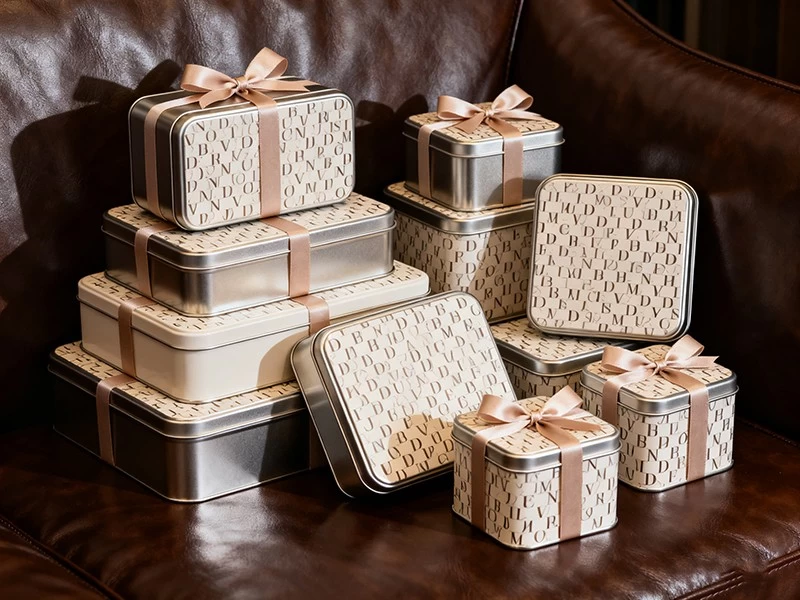
For stackable or bulk-shipped gift sets, structural reinforcement is crucial. During production, we reinforce the edges of the base and lid to prevent dents during transport. Additionally, we use embossing techniques to enhance the luxurious feel. For cosmetics, we incorporate comfortable surface treatments, such as soft-touch coatings, to improve the product’s premium texture, while still requiring a durable finish to ensure longevity.
Value-Enhancing Printing, Branding, and Surface Finishing Techniques
Custom tin boxes become brand ambassadors through printing and surface finishing. The perfect combination of printing processes, inks, surface finishes, and decorations can transform a simple tin box into a high-end product or an affordable mass-market packaging box.
You can choose the printing method based on the desired level of detail:
- Offset printing is ideal for producing clear CMYK images and high-volume printing. It delivers consistent colors and fine details, making it perfect for printing photographic images on custom tin cans.
- Gravure printing delivers deep, saturated colors, making it ideal for high-volume production.
- UV digital printing enables rapid turnaround and limited-edition variable data printing.
- Pad printing is suitable for small logos or components with curved surfaces.
Surface treatments and tactile finishes can enhance the perceived value of a product:
- Embossing/gravure processes can increase depth and tactile contrast.
- Soft-touch coatings offer a velvety texture and modern aesthetic, but may attract fingerprints; oleophobic topcoats can be used if needed.
- In general, choosing a printing technology that matches the print volume and design complexity, strategically using tactile finishes, demanding durable topcoats, and insisting on proofs that match the substrate are crucial.
Sealing Mechanisms, Silicone Gaskets, and Barrier Properties
A high-performance custom tin box must balance practicality with excellent barrier properties. Whether it’s extending the shelf life of coffee, preventing candle scent loss, or maintaining the purity of creams, the lid system and sealing strategy are critical.
Common Sealing Methods Used by TSING:
Simple friction-fit lids are economical and easy to use. They are suitable for many dry goods and candles, provided the seal is adequate.
Silicone gaskets significantly improve sealing. Whether molded onto the lid or installed as an insert, silicone effectively blocks oxygen and moisture. This is an ideal solution for food and reusable containers.
Induction seals increase tamper-evident properties and provide strong barrier performance—suitable for situations where product freshness and consumer safety are critical.
Double-lid systems (an inner liner and an outer decorative lid) are common in coffee cans, preserving aroma while maintaining an aesthetically pleasing appearance.
Cost, Molds, and the Economics of Multi-Purpose Production
Understanding cost drivers when choosing custom tin cans helps you plan inventory units, set product prices, and negotiate effectively.
Key cost drivers include:
Molds: Embossing, special shapes, and custom lids all require molds. One-time mold costs can be amortized over long-term production but increase unit costs in the short term.
Printing Complexity: More colors, special inks, and effects (hot stamping, metallic colors) increase plate-making and material costs. Spot varnishing increases the cost of specific products.
Surface Finishes and Coatings: Soft-touch coatings, UV varnishes, and premium lacquers are more expensive but add perceived value.
Material Thickness and Shape Complexity: Thicker materials and complex shapes (hinged lids, one-piece handles) require more materials and labor.
Assembly and Attachments: Gaskets, liners, and inserts increase bill of materials costs and assembly time.
Choose Custom Packaging for Your Products
Custom tin boxes are more than just containers; they are functional elements of product design, critical touchpoints with customers, and an extension of your brand promise. For food, candles, cosmetics, and gift sets, tin box packaging offers durability, an elegant look, and reusability. We carefully select materials, finishes, and seals to create customized packaging for your products.
 Facebook
 Twitter
 Linkedin
