
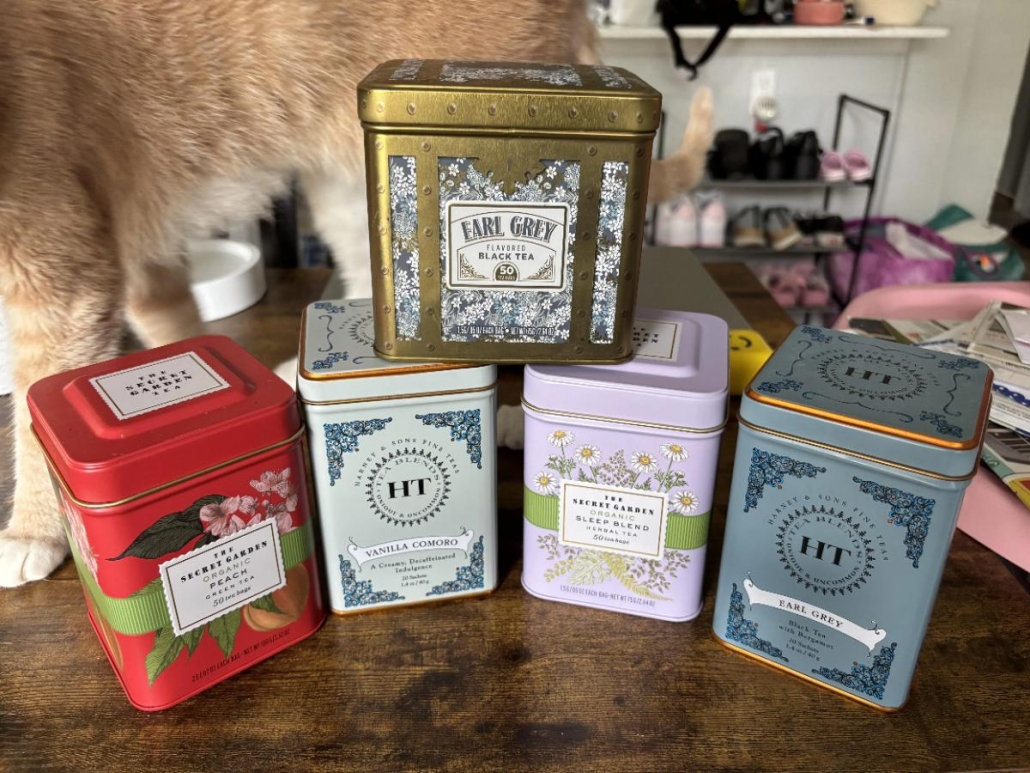
Tea tins in various capacities: meeting diverse tea packaging needs
A 100g tea tins can conveys a sense of smallness and elegance; a 250g tin can offer a practical, balanced feel; while a 500g tin can convey a sense of abundance and longevity. For tea manufacturers, this can influence customer expectations, transportation costs, and even how customers drink tea at home. As a tin can packaging manufacturer, we can provide customized tin can solutions covering various market segments. Some brands require small, customized tea tins for packaging high-end bulk tea and gift sets; some need medium-sized tea cans for everyday retail; and others require large-capacity tea tins for wholesale, bulk, or family packs. In all cases, the choice of tea capacity can impact product positioning and business performance.
The Importance of Capacity for Tea Tins
Tin tea tins are more than just for storing tea. They also protect aroma and maintain freshness. Capacity affects all of these aspects. A tea tin that is too small may be insufficient for retail consumers. A tea tin that is too large may be difficult to store or too expensive for trial purchases. Therefore, choosing the right capacity is one of the most important decisions in tea packaging.
In the tea industry, the inherent characteristics of tea itself influence packaging requirements. Loose tea, green tea, black tea, oolong tea, matcha, and others exhibit different characteristics during storage. Some products require strong aroma protection, some need a premium shelf display, and others require efficient bulk delivery. A suitable tea tin capacity helps brands meet these needs. From a sales perspective, capacity also influences pricing strategies. Small-capacity tea tins are suitable for entry-level products and gift sets. Medium-capacity tins serve as standard retail packaging. Large-capacity tins cater to high-end households or large consumer markets.
100g tea tins are a choice for premium and small-batch teas
Among all tea packaging sizes, 100g tea tins remain one of the most versatile and commonly used choices. They are particularly favored for high-quality loose teas, specialty teas, and small-batch products. The 100g size provides ample space for product display while maintaining a compact and attractive packaging design.
One of the biggest advantages of 100g tea tins is their balance. It’s large enough to give the impression of a formal retail product, yet compact enough for easy carrying, storage, and transportation. The 100g tea tin can is ideal for first-time buyers who want to try a tea but don’t want to purchase a large package at once. For high-end tea companies, the 100g tea tin can also offer brand promotion potential. Its surface area is suitable for labeling, printing, embossing, and surface treatments, including matte or glossy finishes. From a production perspective, 100g tea tin cans are easier to produce in small batches. They are also suitable for seasonal series, limited-edition teas, and gift packaging. Due to its small size, transportation costs are generally lower than for larger packages.
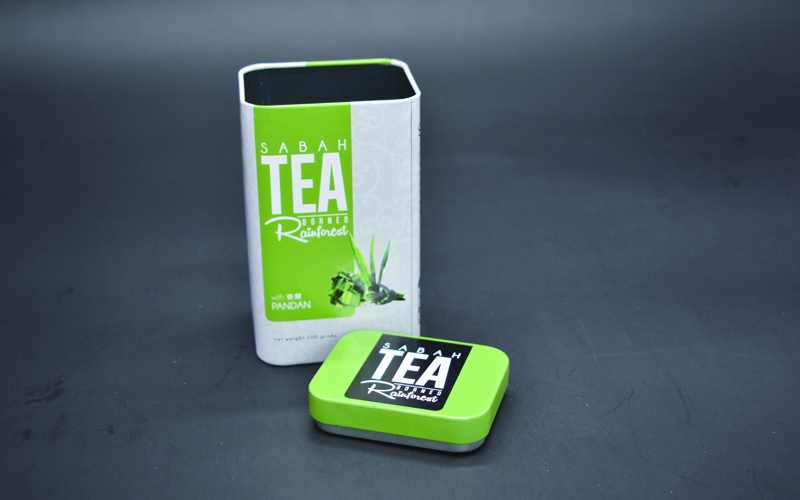
The 250g tea tin can is suitable for both retail and everyday use
The 250g tea tin can strike a good balance between retail appeal, everyday usability, and packaging efficiency. It’s large enough to give a substantial feel, yet easy to store at home and transport. For many consumers, 250g is a very practical capacity. It meets daily drinking needs without being too bulky or difficult to store. This is especially beneficial for consumers who frequently brew loose tea. A 250g tea tin conveys a sense of a reliable, household product, making it ideal for retail channels.
Another advantage of the 250g tea tin is its flexibility. It’s suitable for various types of tea, including green, black, oolong, and herbal. Brands can position it as an everyday premium product, a family pack, or a regular retail item. Because this size is frequently used, customers don’t need to guess whether the tin is too small or too large. From a branding perspective, the 250g tea tin is also eye-catching and practical. They provide ample surface area to display product information, images, and brand elements. Therefore, the 250g capacity strikes a good balance between sample packaging and bulk packaging.
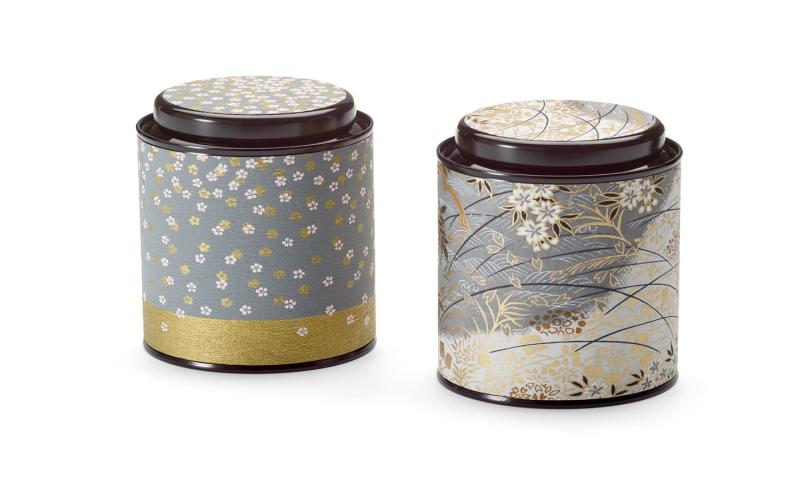
500g tea tins are suitable for bulk, wholesale, and large-family use
These tea tins are ideal for large-package storage, wholesale packaging, home use, and tea products designed specifically for frequent tea drinkers. The 500g packaging capacity conveys a sense of value and long-term supply. One of the most significant advantages of 500g packaging is its efficiency. The larger tin reduces the number of packaging containers needed for the same amount of tea. This reduces packaging frequency, lowers logistics costs, and minimizes packaging waste. This is a significant advantage for distributors, retailers, and bulk tea buyers. Furthermore, a well-made 500g tin can enhances the product’s perceived quality and reliability.
In high-end wholesale channels, 500g tea tins can also elevate brand image. Even if the product is targeted at the bulk market, the packaging still reflects the brand image. This means that the design of a 500g tea tin must be meticulous. Due to the larger capacity, the tin must provide robust structural support and reliable sealing. The larger the tin, the more important it becomes to control the lid’s fit, the tin’s rigidity, and storage performance.
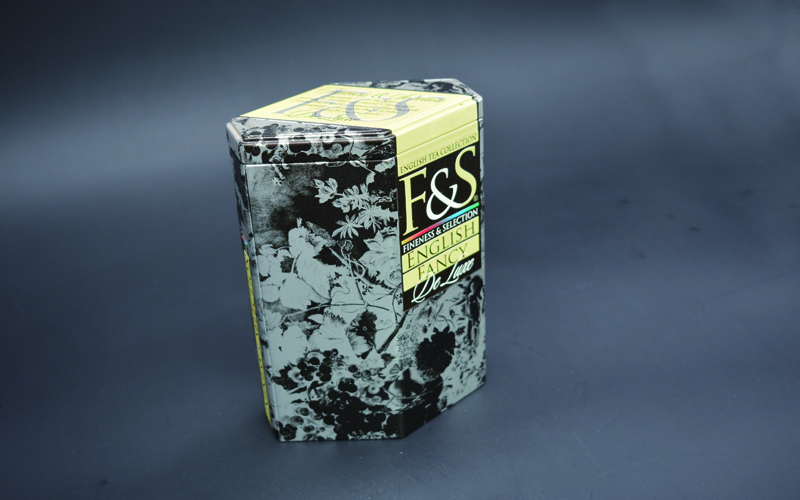
How can customized tea tins support different market segments?
Not all tea brands use the same size tin cans. Therefore, most tea brands choose customized tea tins. The capacity selection should reflect the tea’s sales methods, usage patterns, and market positioning. Brands serving both retail and wholesale markets may require a range of capacities to meet the needs of different customers effectively.
For example, high-end gift lines might use 100g tea tins because they appear elegant and have collectible value. Core retail lines might use 250g tea tins, which are practical and readily acceptable. Large wholesale or home-use lines might use 500g tea tins because they have a larger capacity and are more convenient to use. This clearly defines product tiers, helping customers quickly choose the right product.
Customized tea tins also allow brands to adjust the shape, finish, and structure according to the target market. For example, a matte black 100g tea tin is suitable for a high-end tea line; a patterned 250g tea tin might be suitable for the mass retail market; while a larger 500g tea tin might feature a more practical, airtight, and minimalist design. These design differentiations allow brands to serve multiple market segments while maintaining product consistency.
Come with Multiple Capacity Options for Your Tea Packaging
If your tea is a premium specialty or gift, a 100g tea tin is the best choice. If your tea is a regular retail product for everyday consumption, a 250g tea tin strikes a good balance between capacity and value. If tea is intended for bulk sales, home use, or wholesale, a 500g tea tin is the most practical solution. Of course, the choice should also be based on customer purchasing behavior. Some consumers prefer to buy small quantities frequently, while others prefer larger packages for long-term enjoyment. Therefore, a good packaging strategy should reflect these habits. Thus, the choice of packaging size should always be centered on the end-user.
 Facebook
 Twitter
 Linkedin
