
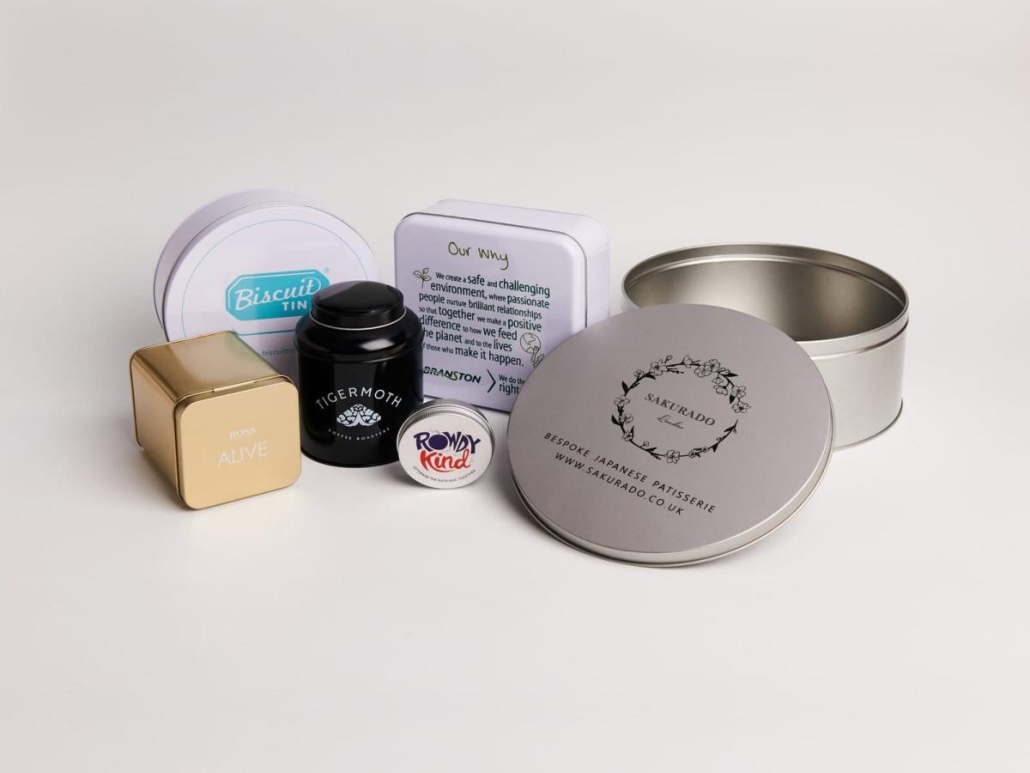
What high-quality surface texture treatments are typically applied to premium personalized tins?
In the realm of personalized tin packaging, surface textures offer users a distinct visual and tactile experience. This is particularly true in high-end packaging; for consumers encountering your products for the first time, their initial interaction is often primarily tactile and visual—they will typically pick up the product before reading any labels. At this critical juncture, by utilizing various textures to convey quality, market positioning, and brand identity, these surface finishes can transform personalized tins into objects that appear exquisite and rich in both design language and brand character. Beyond mere aesthetics, surface treatments also serve to enhance functionality. A matte coating, for instance, can minimize fingerprint smudges, while certain textured surfaces can even improve grip and durability. Consequently, the surface texture of a personalized tin is far more than a decorative element; it serves as a tangible representation of your brand image, the user experience, and product protection.
Personalized Tins Featuring Matte Varnish and Soft-Touch Coatings
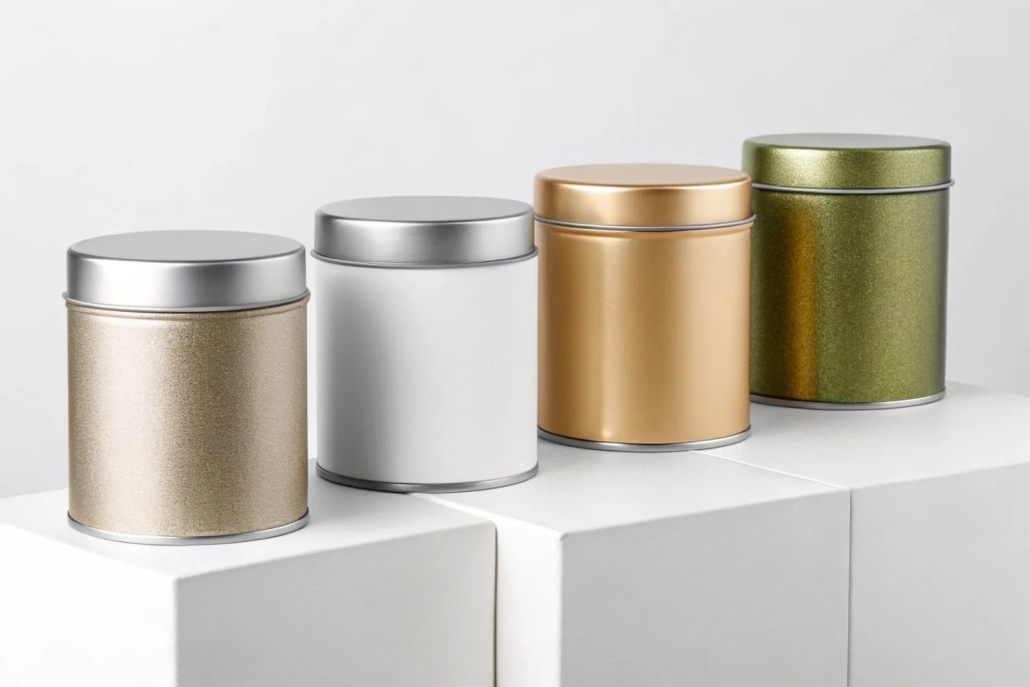
Among the various surface finishing techniques, matte varnish remains one of the most widely applied methods for personalized tins. Its non-reflective surface projects a clean, understated aesthetic. Furthermore, it helps minimize visible fingerprints and smudges—a feature of immense practical value for products in retail environments that consumers frequently handle.
Soft-touch coatings take the tactile experience a step further. This finish creates a “skin-like” sensation—smooth and supple to the touch—a texture typically associated with high-end electronics and luxury packaging. For personalized tins, this soft tactility not only imbues the product with emotional value but also strengthens the bond between the product and the user. These coatings also help convey a deeper brand narrative: a matte finish tends to evoke minimalism and refined elegance. In contrast, a soft-touch coating often imparts a sense of warmth and comfort. These finishes are ideally suited for brands targeting the high-end market or those championing a minimalist lifestyle philosophy.
Crackle Varnish for Vintage and Artistic Personalized Tins
Crackle varnish produces a unique surface effect, endowing the tin with a natural, fractured texture. This particular surface treatment proves most effective for brands seeking to cultivate a vintage aesthetic or convey the charm of a handcrafted product. It ensures that every tin container features a slightly distinct and unique pattern, thereby enhancing the product’s sense of authenticity and exclusivity. For personalized tin containers targeting specific niche markets—such as packaging for tea, candles, or gifts—a crackle finish creates a powerful visual differentiator. It serves to highlight a brand’s heritage and exquisite craftsmanship more compellingly. Furthermore, a crackle varnish can evoke an emotional resonance that standard finishes cannot match. Its irregular texture adds a sophisticated design aesthetic—reflecting a rich accumulation of history, tradition, and artisanal artistry—and resonates deeply with consumers who seek authentic experiences.
3D Embossing, Debossing, and Micro-Embossing Technologies
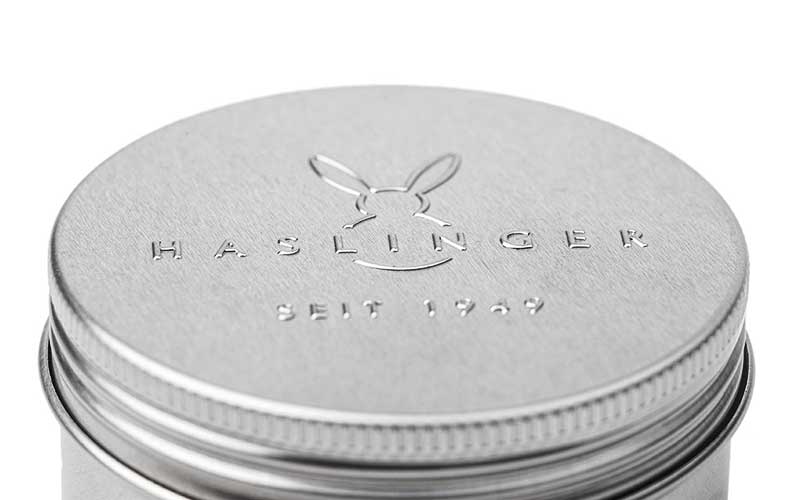
Embossing and debossing processes add a three-dimensional quality to personalized tin cans, elevating them beyond simple flat-printed designs. Embossing causes design elements to protrude, while debossing creates recessed patterns. Both techniques enhance visual depth and create tactile engagement, thereby reinforcing brand recognition.
Micro-embossing takes this concept a step further by introducing extremely fine textures. This high-definition detailing not only enhances the tactile experience but also bolsters anti-counterfeiting capabilities. For high-end, personalized tin containers, this surface treatment technique offers a perfect blend of aesthetic appeal and functional security. Additionally, embossing can guide consumers’ visual attention to key design elements, such as the brand logo or product name. The interplay of light and shadow across raised or recessed surfaces creates a dynamic visual effect. When executed effectively, embossing and micro-embossing techniques significantly enhance both the visual value and functionality of custom tin packaging.
Print Precision and Structural Details in Personalized Tins
In the realm of printing processes, Pantone color matching ensures that a brand’s exclusive color palette remains consistent across different production batches, eliminating visible color discrepancies that could otherwise dilute the brand image. Spot UV printing further enhances design contrast by applying a glossy coating to specific areas against a matte background. This contrast creates a visually layered effect that highlights key brand details without overpowering or detracting from the overall design. For custom tin cans, combining a matte finish with spot UV printing represents an optimal strategy for achieving a high-end, balanced aesthetic.
Beyond aesthetics, the precision of printing significantly impacts production efficiency and quality control. Consistent color matching minimizes the risk of rejected production batches. Furthermore, judicious spot UV finishes can be strategically applied to functional areas—such as openings or brand logos—thereby enhancing both usability and brand recognition. When executed correctly, these printing techniques not only heighten the visual appeal of personalized tin cans but also reinforce their overall consistency.
Internal vs. External Rim Structures for Personalized Tins
Rim design is a subtle yet critical detail in the customization process. An internally rolled rim creates a cleaner, more streamlined appearance. By minimizing sharp edges, this internal roll-over design enhances user safety and handling comfort. Visually, an externally rolled rim conveys a more traditional and classic aesthetic, making it ideal for products that emphasize heritage or a vintage sensibility. These rim treatments contribute to the structural integrity and durability of the tin can. Meticulous rim-rolling increases the can’s rigidity, preventing deformation during transit or repeated use. From a user experience perspective, smooth edges provide a more refined tactile sensation, reinforcing the perception of quality. For high-end custom tins, these fine finishing touches demonstrate an unwavering attention to detail and comprehensively elevate the packaging’s premium feel.
Surface Texture Treatments for High-End Product Packaging
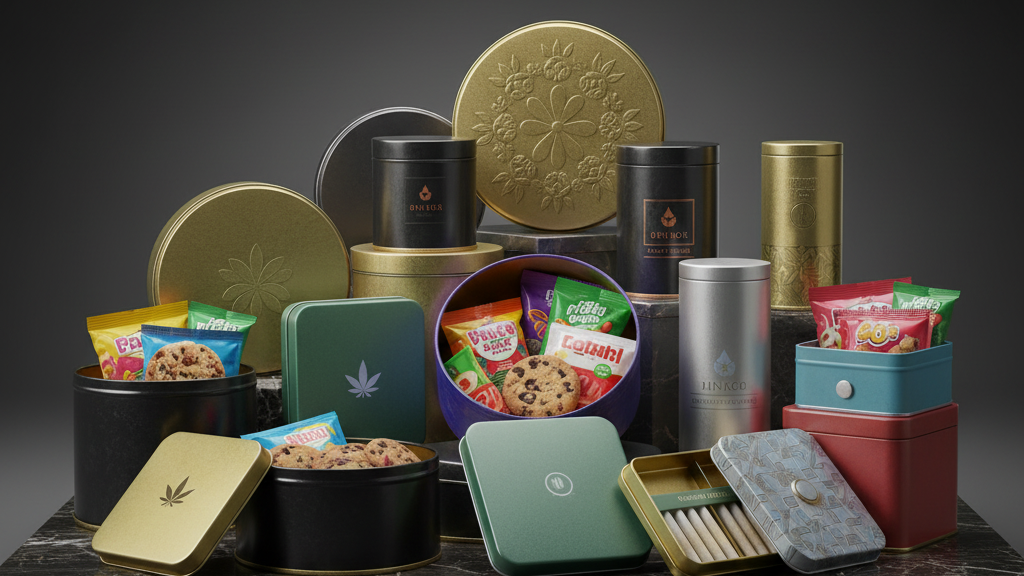
Surface texture treatments for high-end, personalized tin cans include matte finishes, soft-touch (rubberized) coatings, embossing, micro-engraving, and spot color printing. When making selections, it is essential to strike a balance between design intent, functional performance, and production feasibility. Different market segments have distinct requirements for surface finishes: luxury goods may be best suited for soft-touch coatings and embossed textures. At the same time, artisanal brands might prefer crackle finishes or matte textures. Regardless of the specific technique chosen, the ultimate objective remains the same: to enhance both the visual and tactile appeal of the packaging.
 Facebook
 Twitter
 Linkedin
