
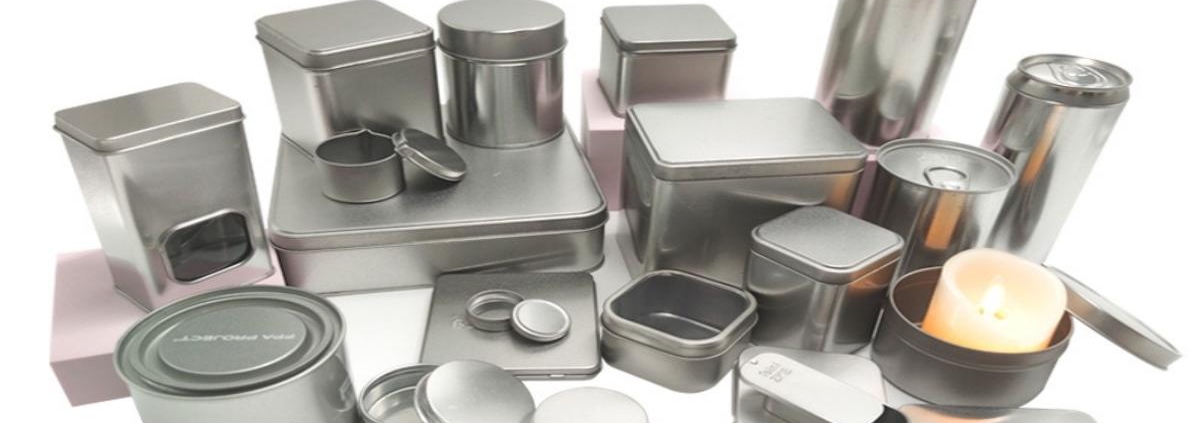
What are some structural methods for achieving high sealing performance in custom tin boxes?
In product packaging, airtightness is a structural necessity. Whether packaging matcha, premium loose tea leaves, coffee powder, spices, or fine powders, poor sealing directly affects product freshness, aroma retention, and stability. Even with extremely low levels of oxygen, moisture, or external contaminants, the product begins to degrade once inside the container. Over time, this leads to flavor loss, clumping, discoloration, or chemical instability. Based on TSING’s production experience, most sealing defects in custom tin boxes are not due to material defects, but rather to neglecting structural details during the design process. Even minute gaps in lid alignment, insufficient compression, or slight deformation caused by stacking pressure can allow oxygen to seep in, moisture to penetrate, or aroma to diffuse. This results in problems such as oxidation, clumping, flavor deterioration, or leakage.
Matching Sealing Structure to Product Category
Different products require different sealing standards. For example, premium tea leaves and matcha are highly sensitive to oxygen and light. Even small amounts of air can significantly reduce their aroma intensity and antioxidant value. In contrast, spices or fine powders require extremely strong moisture resistance to prevent clumping and microbial growth. Liquids or semi-liquids place higher demands on packaging structures, as container tilting, shaking, or temperature changes significantly increase the risk of leakage. Therefore, the choice of sealing structure for custom tin boxes must be matched to the product’s physical properties, moisture content, volatility, and storage conditions. At TSING, we advise clients to inform us of their product’s sensitivities before selecting a custom tin box configuration. By matching the sealing technology to the product type, brands can ensure consistent product quality and minimize risk.
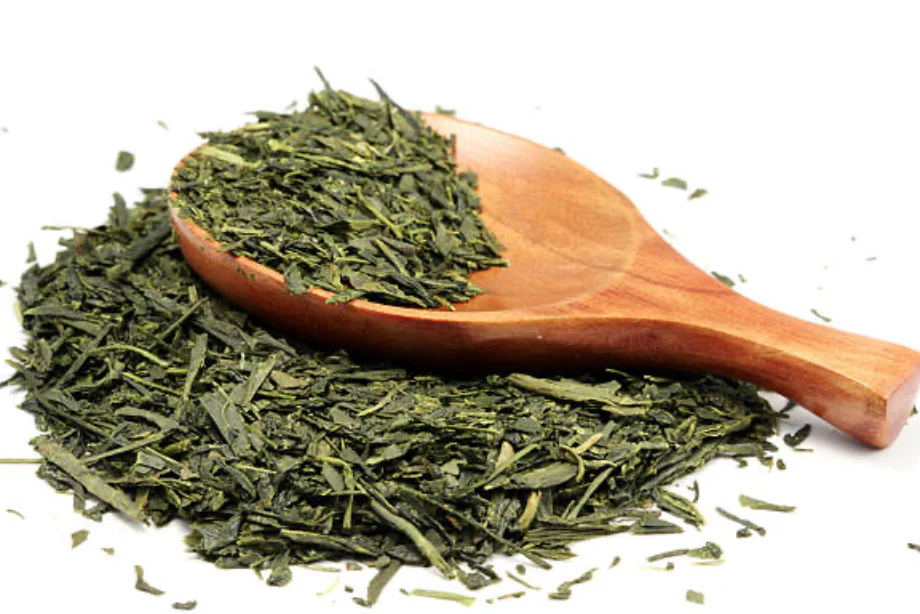
Three High-Sealing Custom Tin Box Structures
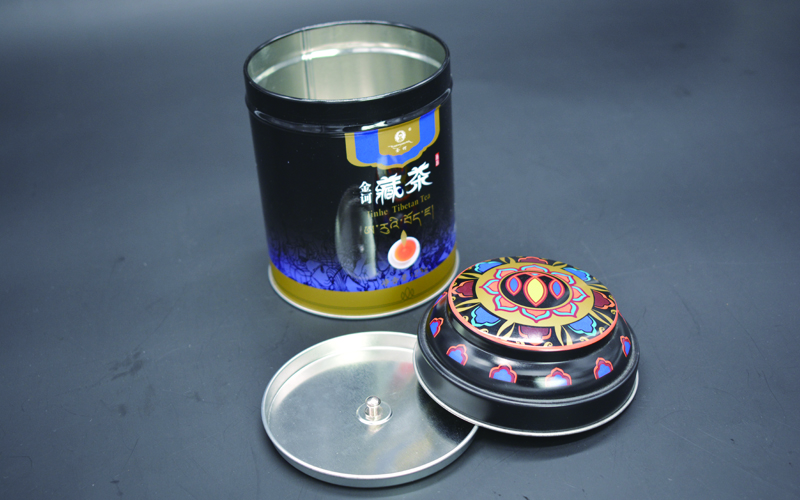
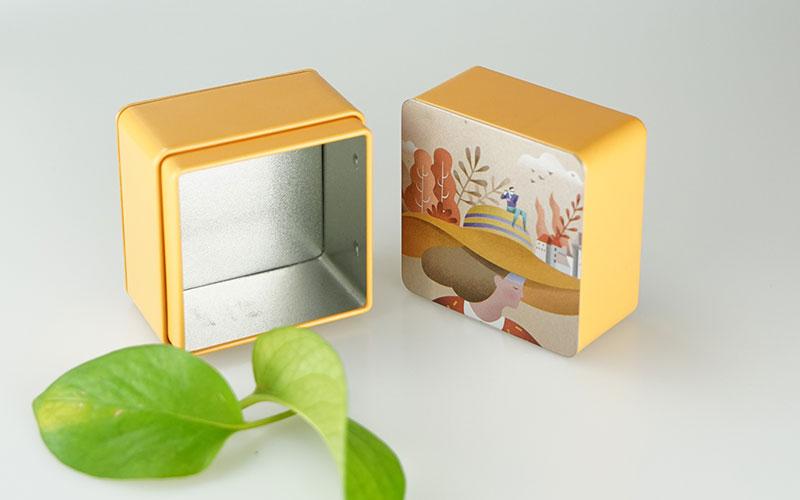
The first is the inner plug lid, one of the most effective structural upgrades for high-end custom tin boxes. This sealing method adds a sealing component beneath the outer lid, which can be a food-grade plastic inner plug or a precision-fitting metal inner lid. A well-designed inner plug lid forms a double barrier, significantly reducing oxygen exchange and aroma escape.
Mechanically, the inner plug presses tightly against the inner wall of the custom tin box. This compression creates circumferential contact pressure, restricting airflow even with slight deformation of the outer lid. Furthermore, the cavity formed between the inner plug and the outer lid acts as a buffer, reducing the risk of direct exposure to the environment. This structural design is particularly effective at preserving volatile compounds, which are crucial to premium matcha products. Because the sealing mechanism relies on structural compression rather than simple adhesives, its durability remains stable even with repeated opening and closing.
Ideal Applications for Double-Sealed Custom Tin Boxes
This double-sealing solution is especially important for matcha powder, premium bulk tea, specialty coffee powder, and high-value nutritional supplements. High-end tea brands prefer custom tin boxes with inner stopper lids because aroma retention directly impacts consumers’ perception of the tea’s freshness and authenticity. Furthermore, the secondary sealing structure enhances the unboxing experience. When customers open the outer lid and discover the extra protective layer, they associate the packaging with premium materials and craftsmanship. From a brand positioning perspective, double-sealed custom tin boxes enhance consumer trust. In export markets, this structure also effectively prevents humidity fluctuations during sea transport and improves the product’s long-term stability.
Gasket and Lining Technology
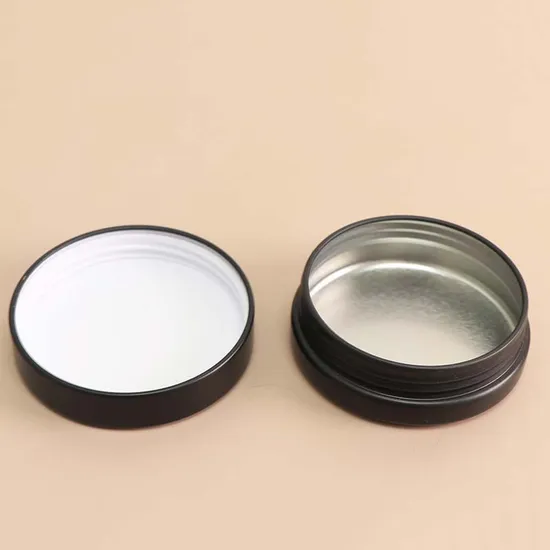
Another effective way to improve sealing performance is to integrate gasket or liner technology inside the lid. Commonly used materials include PVC gaskets, silicone sealing rings, and EPE foam liners. Each material has different compression characteristics, chemical resistance, and temperature resistance.
PVC sealing rings offer cost-effective flexibility and are widely used in food packaging. Silicone sealing rings offer superior durability, high-temperature resistance, and a longer service life, making them suitable for high-end packaging solutions. EPE foam liners are lightweight and compressible, making them particularly suitable for dry powders. These gasket materials are precisely injected or embedded into the lid’s inner groove during manufacturing. When the lid is closed, the liner fits snugly against the edge of the custom tin box, compensating for minor irregularities between the metal surfaces. This design ensures a more uniform sealing contact and significantly reduces air exchange.
Functional Advantages of Gasket Sealing for Custom Tin Boxes
Gasket technology improves sealing performance without requiring complex structural redesign. As a flexible interface between rigid metal components, it minimizes the impact of dimensional tolerances. Furthermore, gaskets absorb minor mechanical shocks during transportation, reducing the risk of seal breakage. This method is suitable for powdered health supplements, fine fragrances, oil-based ointments, and certain semi-liquid products. For brands concerned about oxidation, moisture absorption, or minor leaks under pressure, custom tin cans with sealing gaskets offer a balanced solution between cost and performance.
Seamless Deep-Drawn Structure of Custom Tin Boxes
Seamless or deep-drawn forming represents the highest standard of structural sealing in custom tin can manufacturing. This process uses continuous forming, stamping from a single sheet of tinplate, resulting in no weld seams on the can’s sidewalls and bottom.
Traditional welded cans have potential weak points at the seams. Over time, vibration, pressure, or corrosion can damage these areas. Seamless structures eliminate this structural defect. Because the can is formed from a single material, the integrity of the entire container remains consistent. Furthermore, deep-drawn tin cans offer greater resistance to pressure and impact. Their overall structure distributes external forces more evenly, reducing the risk of deformation during stacking and transportation.
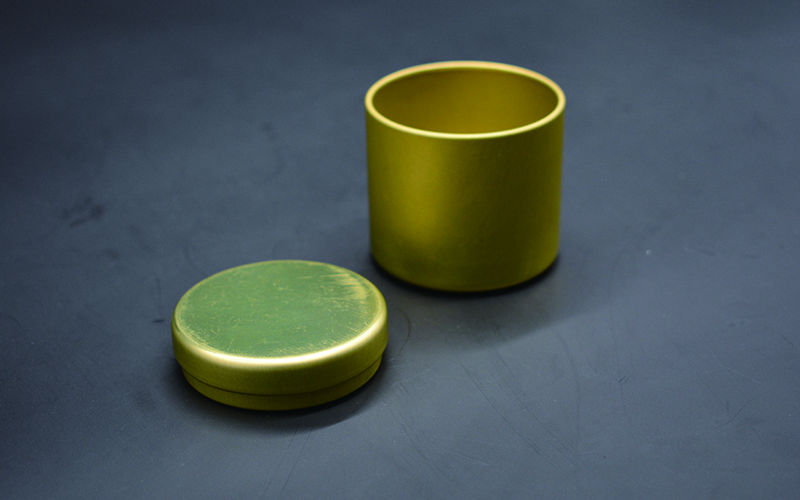
When to Choose Deep-Drawn Custom Tin Boxes?
This structural approach is ideal for liquid products. These fine powders are prone to leaking, hygroscopic, and require high durability for export products. For products that may be exposed to temperature fluctuations or stored for long periods, seamless custom tin cans offer enhanced security. While the mold costs for deep-drawing processes are higher, their long-term reliability usually justifies the investment. Brands can benefit from reduced leak claims, improved product safety, and increased consumer confidence. When used in conjunction with gaskets or secondary sealing systems, seamless custom tin cans achieve exceptional sealing performance.
How to Choose the Right Sealing Method for Your Custom Tin Cans
Each sealing method emphasizes a different balance between protection level and production cost. Inner-plug sealing systems better preserve aroma but require additional components and assembly processes. Gasket-lined sealing systems offer effective moisture protection at a moderate cost. Seamless structural sealing systems offer superior construction but require advanced molds. Therefore, when providing a suitable sealing structure for a custom tin can solution, we consider product sensitivity, expected shelf life, regulatory requirements, and target market positioning. High-end brands typically prioritize maintaining product freshness to the maximum extent possible. In contrast, mass-market products may focus more on cost-effectiveness while ensuring adequate protection.
 Facebook
 Twitter
 Linkedin