
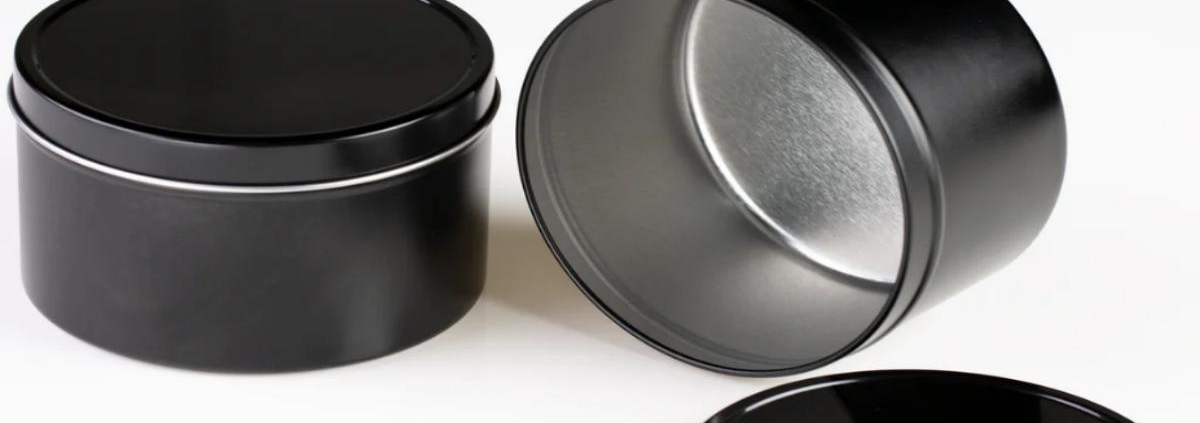
Tips for maintaining the shine of glossy black tins: Coatings that prevent fading and scratches
The glossy, shiny surface of a glossy black tin elevates the image of a wide range of products, from candles and tea to cosmetics and snacks. According to a retail packaging survey, glossy black tins receive 31% more shelf attention than matte black tins. However, this shine is fragile. UV rays can cause it to fade, moisture can dull its shine, and even minor handling can cause scratches. What is the secret to maintaining the premium look of a glossy black tin can? It is not just about careful handling, but about the right protective coating. This guide will tell you which types of coatings work best and how to combine them with simple care practices to keep your glossy black tin can looking flawless.
Why Does the Gloss of a Glossy Black Tins Fade, and How Can the Coating Prevent Fading?
A glossy black reflective finish is a double-edged sword: it is dazzling when flawless, but any imperfections are noticeable. Tsing has identified three main reasons for this during production, and their coatings directly counteract these problems.
First is UV radiation. Sunlight breaks down the pigments in the glossy black tin, turning the deep black into a dull gray. Our tests show that uncoated, glossy black tins lose 40% of their gloss after 6 months of daily exposure in retail environments. A good coating acts like “sunscreen” for black tins: it absorbs UV rays, preventing them from reaching the metal substrate and thus preventing pigment degradation.
Secondly, there’s moisture and chemicals. Humidity, condensation, and even the oils from customers’ hands can react with the can’s surface, forming watermarks or a hazy film. Finally, there’s physical abrasion; even minor handling, such as stacking tins, sliding them on a shelf, or opening the lid, can create tiny scratches that scatter light and dull the can’s shine. Designers carefully create each coating to address specific threats, from UV fading to frequent handling, allowing you to choose the right coating for your product needs.
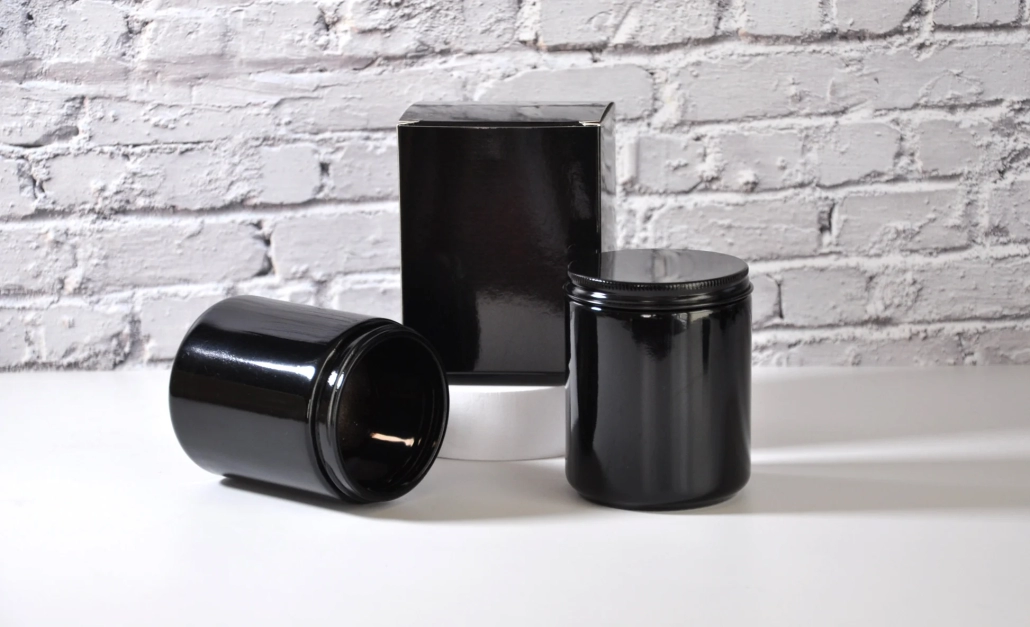
Glossy Black Tins: Three Durable Gloss Coatings
Not all coatings are created equal. Tsing tests more than 12 coating formulations each year to determine which are best suited for glossy black tins. Three coatings stand out for their durability, gloss retention, and compatibility with different usage scenarios. Designers carefully create each coating to address specific threats, from UV fading to frequent handling, allowing you to choose the right coating for your product needs.
1. Polyurethane Coating: UV Protection for Retail Glossy Black Tins
Polyurethane (PU) is the gold standard for glossy black tins sold in physical stores, where they are constantly exposed to UV rays. It forms a flexible, transparent coating that blocks 99% of UV rays and prevents yellowing. Tsing’s PU coating incorporates UV absorbers—molecules that “capture” harmful radiation, preventing it from reaching the can’s surface. Best suited for: candles, skincare products, cosmetics, and any glossy black tin can that needs to be displayed in a window or under intense light. Furthermore, this coating complies with FDA regulations regarding indirect food contact.
2. Epoxy Coating: Scratch and Chemical Barrier
Epoxy coatings are rugged, durable, and chemically resistant, making them ideal for high-traffic or frequently liquid-contact areas, such as glossy black tins. It has a pencil scratch test hardness of 3H and is resistant to oil, solvents, and water. Tsing’s epoxy coating is heat-resistant up to 250°F, which is crucial for candle tins that generate heat when burning. Best used for: candle tins, olive oil tins, cleaning product containers, and any glossy black tin that will be exposed to high temperatures, chemicals, or frequent use.
3. Ceramic-Reinforced Coating: The Durable Choice for Luxurious Glossy Black Tins
For brands selling high-end products (such as luxury chocolates, fine spirits, or designer cosmetics), Tsing’s ceramic-reinforced coating is the best choice. It combines the UV protection of polyurethane with the scratch resistance of epoxy resin, and adds ceramic particles to create an ultra-smooth, mirror-like finish. This coating achieves a 4H hardness in scratch tests and retains 98% of its shine after 18 months of use. Best suited for: luxury goods, gift sets, and custom black tins where durability and a high-end appearance are paramount.
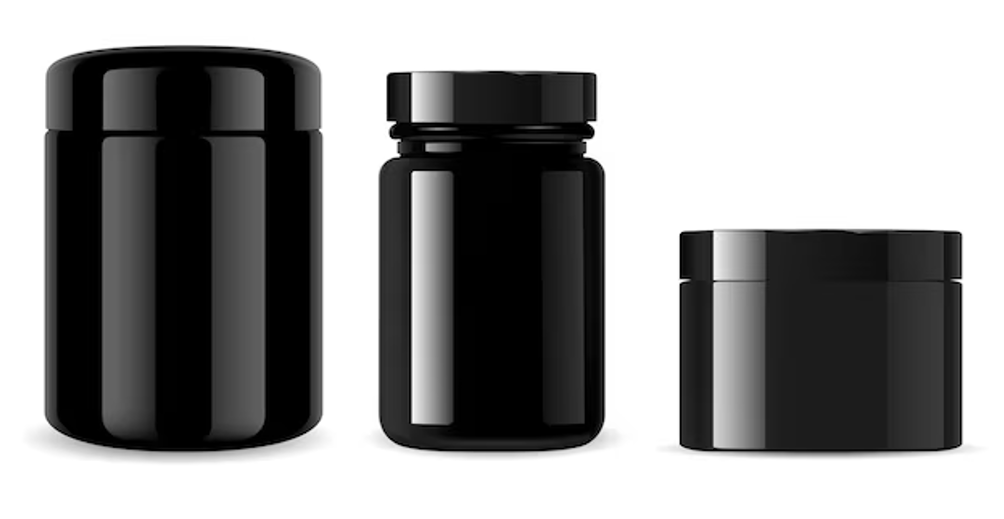
Coating Processing – Precise Craftsmanship Ensures Superior Performance
A superior coating finish depends on the application process. Even the best formulation will fail if the coating is uneven, has pinholes, or fails to bond firmly to the tin surface. Tsing’s coating process ensures a perfectly uniform coating on every glossy black tin, delivering on its durability promise.
Step 1: Pretreatment – Cleaning and Bonding
The substrate for the glossy black tin is bare steel. We first remove residual grease from the production process using food-grade solvents, then acid pickle to create a slightly roughened surface. This “roughness” helps the coating adhere firmly.
Step 2: Electrostatic Spraying – Uniform Coverage
We use an electrostatic spray coating process. This process charges the coating particles, which then adhere to the grounded can, ensuring uniform coverage in every corner. Traditional spraying processes often result in coatings that are too thin, while electrostatic spraying achieves a uniform coating thickness of 20-25 microns.
Step 3: Curing – Baking for Enhanced Durability
After spraying, the glossy black can is placed in a convection oven at 180°C (356°F) for 20 minutes. This cures the coating, transforming it from a liquid to a hard protective layer. Curing time and temperature are crucial: too low a temperature will leave the coating soft; too high a temperature will cause it to yellow.
Step 4: Quality Control – Perfectionist Approach
Each glossy black tin undergoes three inspections after coating: visual inspection for pinholes, runs, or uneven gloss; a scratch test using a calibrated pencil to verify hardness; and a UV test to confirm its fade resistance. Inspectors reject tin cans that fail any of these tests.
Maintenance and Coating Protection
While a high-quality coating is essential, simple maintenance practices are even more important for preserving the shine of glossy black tin cans. Feedback from following these maintenance methods indicates that your tin cans are twice as shiny as others’ and require minimal maintenance.
1. Gentle Cleaning
Dust and fingerprints are the most significant contributors to dulling tin cans in daily life. When cleaning glossy black tins, use a soft microfiber cloth and mild soap. For sticky residue, apply a small amount of isopropyl alcohol to the cloth; never pour isopropyl alcohol directly onto the tin can. 2. Proper Storage
Stacking glossy black tin cans directly can cause scratches. Use cardboard dividers between stacked tin cans, or store them upright. For long-term storage, store tin cans in a cool, dry place; even with a coating, humidity levels above 60% can cause water stains.
3. Timely Maintenance – Simple Repairs
Even with proper care, glossy black tin cans used frequently may develop minor scratches. For small imperfections, gently buff with a microfiber cloth dampened with a furniture polish containing carnauba wax to restore shine. This method can remove 90% of minor scratches.
Choose the Right Coating for Your Product’s Unique Needs
Each brand of glossy black tin can has different requirements: candle jars need heat resistance, food jars need to meet FDA standards, and high-end gift jars require unparalleled shine. Tsing’s consultation process ensures you get the coating best suited for your intended use – neither paying too much for unnecessary features nor compromising on essential protection.
Ask yourself: Where will your glossy black tin cans be stored? If these items are placed on a sunny windowsill (e.g., cosmetics, candles), polyurethane or ceramic coatings are best. If placed in a damp bathroom (e.g., bath bombs), an epoxy coating is preferable. Additionally, for items requiring international shipping (e.g., luxury goods), a ceramic-reinforced coating can withstand the bumps and shaking during transport.
Furthermore, for glossy black tin cans that need to hold food that comes into direct contact (e.g., mints, chocolate), the coating must comply with FDA regulations. Additionally, some brands pursue a “wet” ultra-gloss finish, while others prefer a softer satin sheen. Tsing’s coatings offer five gloss levels (60°-95°), allowing you to choose the one that best suits your brand’s needs.
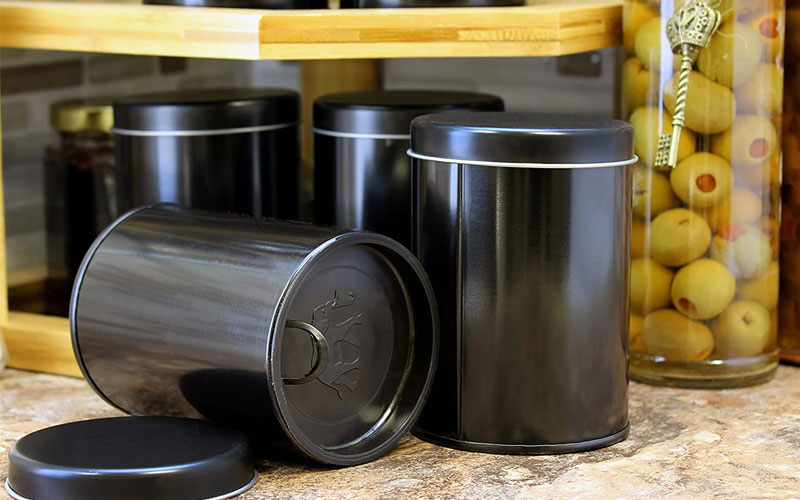
Use a suitable, high-quality coating to prevent fading.
The shine of a glossy black tin can is not just about aesthetics; it’s a symbol of quality. When your glossy black tin can looks dull or scratched, customers will perceive the product inside as of inferior quality. The solution lies in prioritizing coating quality over upfront cost. While ordinary acrylic coatings may save money per tin can, they result in returns, lost sales, and damage to brand reputation. Tsing’s PU, epoxy, and ceramic-reinforced coatings—applied with precision and easy to maintain—provide a perfect shine for over 12 months, making each black tin can a lasting advertisement for your brand.
 Facebook
 Twitter
 Linkedin