
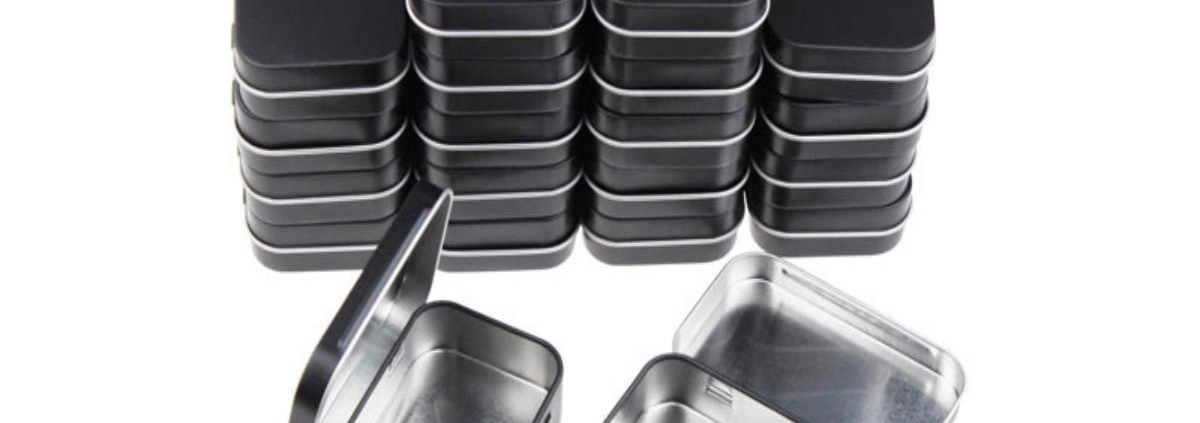
5 Reasons: Why hinged lid tins are a popular packaging solution?
When a customer stands in front of a product display, they open a small metal box, feel the smooth movement of the hinge, and then put the box in their pocket. Your brand logo is still clearly visible, and the brand image is deeply imprinted in the customer’s mind. As a tin can manufacturer, I’ve seen many clients perfectly combine practical functionality with branding using hinged tins. Therefore, I will explain 5 specific reasons, from the perspectives of manufacturing experience, material science, and valuable marketing, why hinged lid tins remain the preferred packaging solution for many product categories, such as mints, chewing gum, nail polish tins, and electronic accessories.
Reason 1: Hinged Lid Tins: Durability and Product Protection
First, hinged lid tins effectively protect their contents. Unlike thin cardboard or soft plastic, tinplate provides strong mechanical protection against crushing, punctures, and moisture. The hinged lid design keeps the lid attached to the body, reducing the risk of loss and preventing accidental spills. As a tin can manufacturer, Tsing optimizes hinge torque to balance secure closure and easy opening. Too tight would be inconvenient for users; too loose would lead to accidental opening. For products requiring a more robust seal (such as powder samples or small electronic devices), we also consider using gaskets or nested lid designs. For food contact applications, we use food-grade coatings and verify the internal coating to prevent corrosion and odor transfer.
Reason 2: Hinged Lid Tins Offer a Better User Experience and Convenience
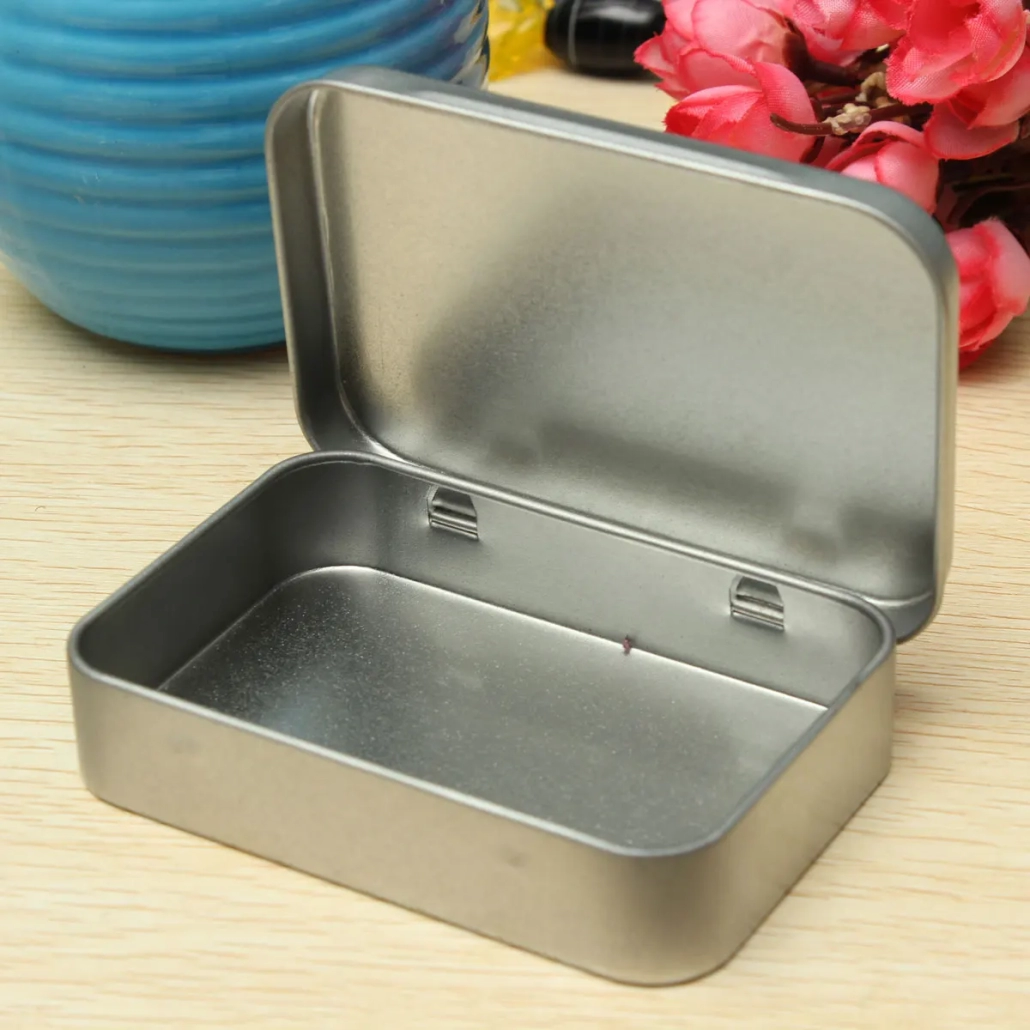
Packaging is more than just a container—it’s the interface between the brand and the user. Hinged lid tins excel in user convenience. Because the lid is permanently attached to the body, users can open and close the box with one hand without losing the lid. For pocket-sized items like mints, lip balm, or cosmetic samples, this convenient one-handed operation encourages repeated use.
Tsing’s hinged tin cans are designed with ergonomics in mind: rounded edges provide a comfortable feel, the lid has a secure clasp, and there is appropriate internal clearance for easy removal of contents. For promotional gifts, this pleasant tactile experience enhances the perceived value of the product. Users will keep and reuse these metal tins, for example, to store sewing needles, pills, or small cables.
Reason 3: High-Impact Branding and Customization Options
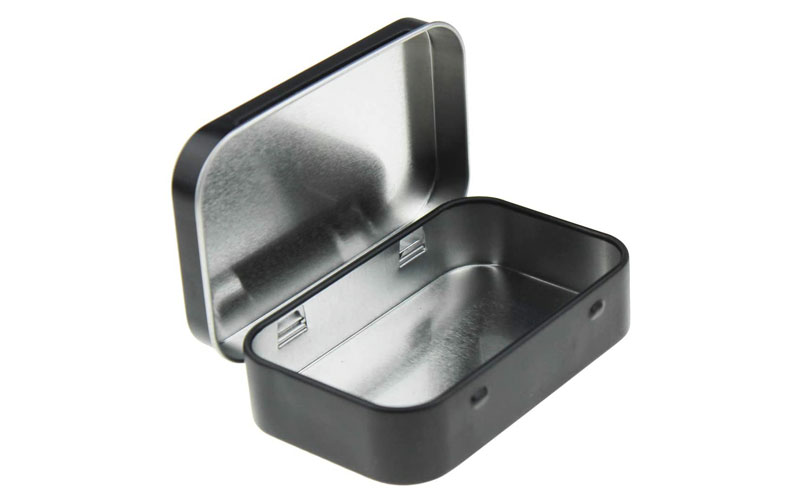
The flat lid and body of hinged tins provide excellent space for branding. At Tsing, we help clients cleverly utilize this space: using offset printing for full-color photos, Pantone color matching for corporate branding, hot stamping for high-end details, and embossing for tactile logos. These decorative options are particularly effective on hinged lid metal tins.
We also offer more advanced options—3D embossing, micro-engraving, and soft-touch varnish—all of which add depth and a premium feel to the product. For brands requiring precise color reproduction, our Pantone color-matching process and color proofing minimize color variations across production batches. Furthermore, the hinged design allows for a double-sided display: one side for prominent branding and the other (on the inside of the lid or on the bottom) for product information or brief brand messaging. We can also customize special shapes and windowed lids based on display needs, especially for limited editions or gift sets.
Reason 4: Sustainability, Reusability, and Lifecycle Advantages
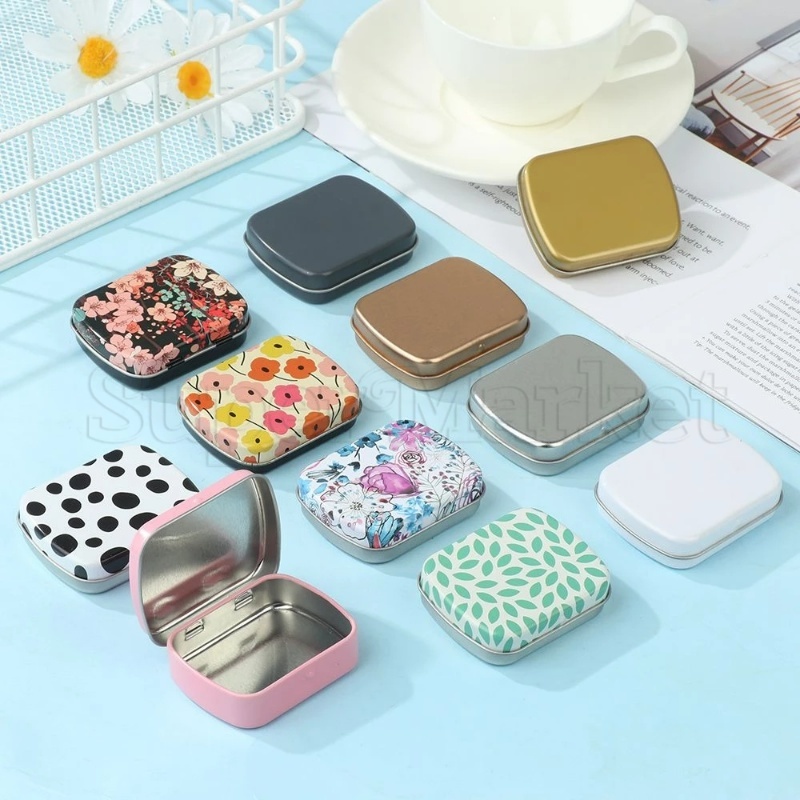
Tin cans perform exceptionally well in terms of recyclability and circularity; tinplate is fully recyclable and re-enters the metal supply chain with a high recycling rate. More importantly, hinged metal tins are durable and reusable, and in many scenarios, consumers typically keep and reuse them for years, extending the packaging’s lifespan.
At Tsing, we emphasize design choices that enhance recyclability: single-material construction, easily removable liners, and the use of water-based varnishes whenever possible. We can source tinplate containing recycled content to reduce carbon emissions and provide chain-of-custody documentation when needed to support sustainability claims. For many brands, the reusability of hinged metal tins increases brand exposure while reducing the environmental impact per use.
Reason 5: Merchandising, Shelf Display, and Distribution Advantages
Hinged lid tins not only protect products and promote brands but also boost sales. Their sturdy design and reflective surface make them particularly eye-catching on retail shelves and counters. Hinged lids on tins facilitate product sampling at the point of purchase: staff can open the tin to showcase the product and immediately close it again, maintaining hygiene and a tidy display. In terms of merchandising, hinged tins stack easily and integrate well into attractive retail displays.
From a distribution perspective, hinged lid tins are more resistant to common shipping risks than many other packaging types. They reduce breakage and return rates, thereby lowering distribution costs. The reusability of tin cans also encourages consumers to discover the brand through the retained tin, leading to repeat purchases or upsells. At Tsing, we assist our clients with display design and secondary packaging to ensure that hinged tin cans perform optimally in retail environments.
Protective and Reusable Tins
Hinged lid tins are popular because they offer a combination of protection, reusability, brand impact, sustainability, and measurable production economies. If product protection and reusability are crucial, hinged tins are an excellent choice. If durability or long-term visibility of the product is required, hinged tins are often the best option. As a tin cans manufacturer, Tsing always prioritizes design for manufacturability, high precision, and high-quality craftsmanship.
 Facebook
 Twitter
 Linkedin