
-800x423.jpg)
How to ensure that the tin candle box is heat resistant?
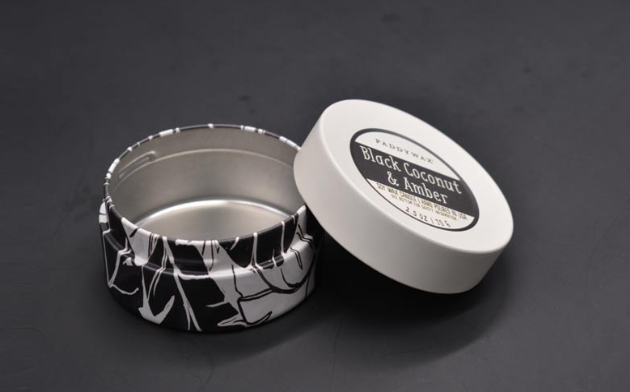
When packaging candles, the material selection of the candle box is critical, especially when exposed to high temperatures. Tin candle boxes are popular for their durability and aesthetics, but ensuring their heat resistance is critical to maintaining safety and product integrity. Therefore, in this article, we will introduce how Tsing ensures the heat resistance of tin candle box. We will cover key factors such as material selection, design, manufacturing process and testing methods to achieve the best heat resistance of tin candle packaging.
Choosing the Right Heat-Resistant Tin Candle Box Material
A heat-resistant tin candle box starts with choosing the right material. Tinplate is these boxes’ most commonly used material due to its heat-resistant properties. The tinplate is coated with a thin layer of tin, which provides a natural insulation barrier and helps maintain the box’s structural integrity at high temperatures. Tsing also considers the material thickness when choosing a tinplate, as thicker tin has better heat resistance. Thicker tinplate has higher durability and better heat insulation, making it more able to withstand higher temperatures without compromising the box’s integrity. Generally speaking, a thickness of at least 0.23 mm is recommended for strong heat resistance.
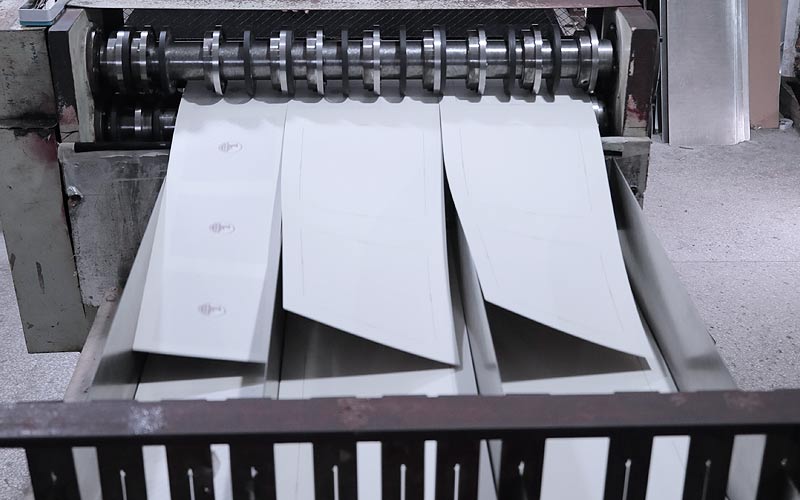
Additionally, manufacturers can apply special heat-resistant coatings further to enhance the box’s performance under thermal stress. Ensuring that tinplate meets industry standards for heat resistance is essential to producing safe and secure candle packaging. Tsing can also apply specialized coatings or treatments to enhance the tinplate’s ability to withstand heat. Heat-resistant coatings can provide an extra layer of protection, improving the box’s performance under thermal stress. These coatings not only enhance the material’s heat resistance but also enhance the overall aesthetics of the packaging.
Design Considerations for Heat-Resistant Tin Candle Boxes
The design of tin candle boxes needs to account for the heat generated by the candles and protect the packaging from any potential damage. The shape and size of the tin candle box play a vital role in managing heat distribution. Round or curved designs help reduce hot spots and distribute heat more evenly, while larger boxes provide more surface area for heat dissipation. The box size should be proportional to the candle to ensure enough air circulation and heat management space. A snug design helps maintain the stability of the candle and prevents the risk of the box warping or melting due to overheating. Incorporating heat dissipation features into the box design can significantly improve its performance under thermal stress. For example, strategically placed vents or slots on the lid allow heat to escape, reducing the risk of overheating and maintaining a safe temperature within the box.
Manufacturing Process
During the production process, several steps contribute to the box’s ability to withstand high temperatures. One important process is the application of heat-resistant coatings, which are usually baked onto the tin during manufacturing. These coatings provide an extra layer of heat protection that prevents warping or deformation. The seams and joints of tin candle boxes require special attention during manufacturing. Tsing is usually performed using a high-frequency welding technique, which is used to connect the edges of the tinplate securely. This process ensures that the seams are strong and can withstand the expansion and contraction caused by heat.
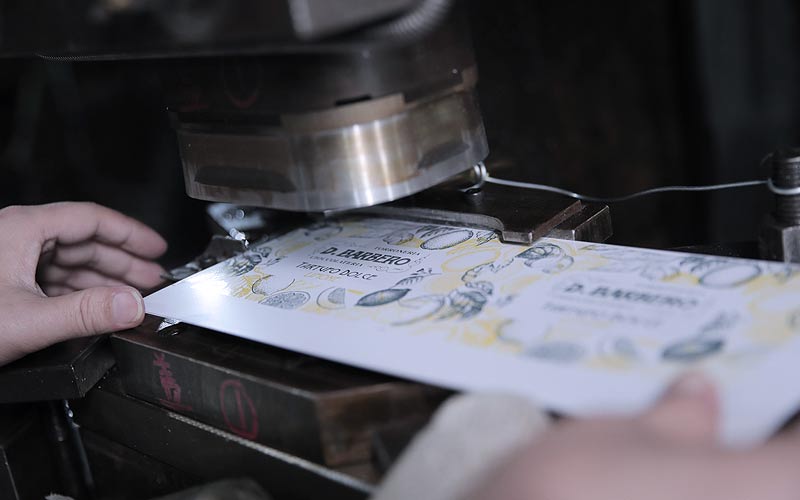
After the finishing stage, the individual components of the tin candle box are assembled. This assembly process is carried out precisely to ensure a tight fit, essential to maintaining heat resistance. Each assembled box then undergoes a rigorous quality control inspection to verify that it meets industry standards. Quality control measures include thermal testing, which involves exposing the box to high temperatures to evaluate its performance.
Comply with relevant safety standards.
Organizations such as ASTM International and ISO have developed guidelines outlining heat resistance, material integrity, and packaging safety requirements. For example, ASTM D5420 provides a test method for evaluating the impact resistance of materials, which is critical to ensuring that tin candle boxes can withstand the thermal expansion and contraction that occurs during candle burning. To meet these standards, Tsing conducts rigorous testing on tinplate materials. This includes evaluating thermal conductivity, melting point, and high-temperature structural integrity. These laboratories follow strict protocols to ensure accuracy and reliability. The results provide valuable data that manufacturers can use to select appropriate materials and design features to improve heat resistance. In addition, Tsing also meets UL or CE certifications, indicating compliance with specific safety and performance standards.
Provide users with tips to maintain heat resistance.
For users and consumers, there are some tips to maintain the heat resistance of tin candle boxes. A practical tip is to always place tin candle boxes on a stable, heat-resistant surface, away from flammable materials such as curtains, paper or fabrics. Avoid placing the box on heat-conducting surfaces such as metal or glass, increasing the temperature around the box and compromising its heat resistance.
To maintain the heat resistance of tin candle boxes, monitoring the burning time of the candle is recommended to be monitored. Long burning time will cause excessive heat to accumulate inside the box, which may affect its structural integrity. A maximum burning time of each time (usually about 2-4 hours) is recommended to prevent overheating. Burn candles in a well-ventilated area to allow heat to dissipate effectively and prevent excessive heat from accumulating around the box. These ways can prolong the heat resistance of candle boxes in daily use.
Making tin candle boxes more heat-resistant
By selecting the right materials, incorporating thoughtful design elements, and adhering to strict manufacturing processes, Tsing can produce tin candle boxes that effectively handle the heat stress associated with candles. Rigorous testing and compliance with safety standards further ensure that the packaging meets the necessary heat resistance requirements. For users, just following practical tips can help maintain the performance and safety of the box.
 Facebook
 Twitter
 Linkedin