

Bulk Custom Tin Packaging Cut Packaging Costs by 30% for a Large Confectionery Manufacturer
For many candy brands, packaging is not only a branding tool but also a high operating cost. Many manufacturers invest heavily in high-end packaging to enhance shelf appeal and protect fragile candies. However, without strategic planning, packaging costs can quickly escalate due to small production batches, complex designs, and inefficient supply chains. A large candy manufacturer that TSING worked with successfully reduced its packaging costs by nearly 30% by redesigning its packaging strategy and transitioning to bulk custom tin packaging, while maintaining high product quality and brand image. This case study illustrates the key factors driving cost savings and how businesses can apply similar strategies when choosing custom tin cans for their products.
Why do candy brands often overspend on custom tin can packaging?
Many candy companies choose custom tin can packaging because it is durable, has a premium look, and effectively differentiates the brand. However, these advantages can sometimes lead to unexpectedly high costs. One major reason is small-batch production. Seasonal products, promotional items, and frequent design updates often require multiple short production cycles. Each cycle involves setup time, mold adjustments, and printing preparation, significantly increasing the unit cost of custom tin cans.
Another common problem is overly complex packaging design. Decorative elements such as multi-layer coatings, embossing, and special surface treatments increase production time and material consumption. While these features enhance visual appeal, their functional value is often limited relative to their cost. Furthermore, inefficient logistics add hidden costs. When custom tin packaging is produced in small batches, unit transportation costs are higher, and warehouse space utilization is lower. These factors combined drive up the overall packaging budget.
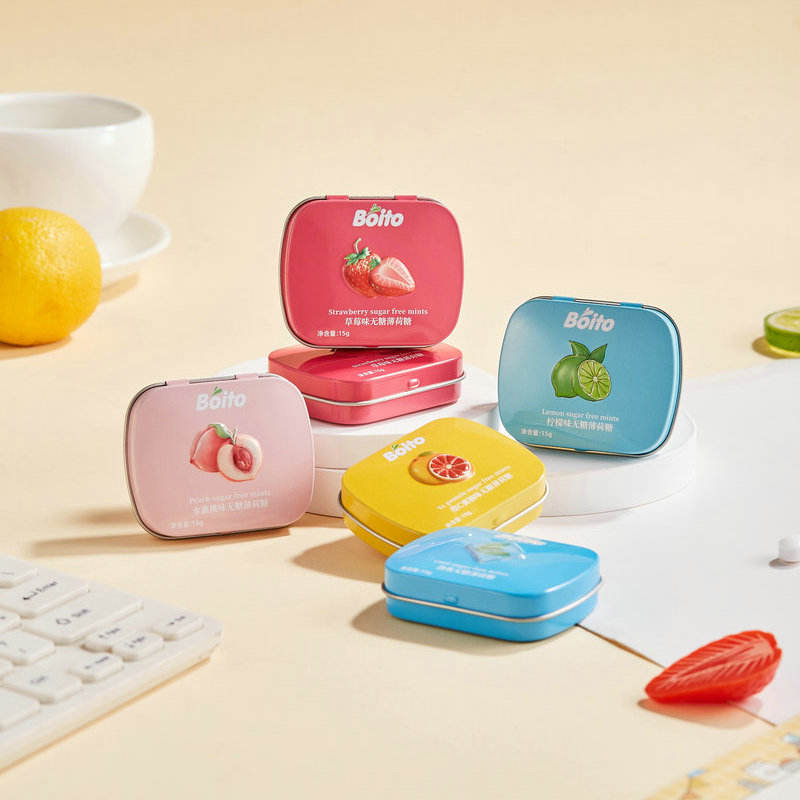
To improve cost-effectiveness, a shift to bulk custom tin packaging is needed
To address these challenges, this confectionery manufacturer partnered with TSING to develop more efficient bulk custom tins packaging. The primary goal was to reduce unnecessary complexity while maintaining a strong brand image and product protection. The first step was standardizing packaging specifications. Instead of producing multiple tin can sizes, the company consolidated its product line into a single set of smaller, standardized custom tin cans. This allowed the manufacturer to produce larger quantities at once, significantly reducing setup and mold costs.
Next, TSING’s design team optimized the structure of the custom tin cans. Material thickness was carefully evaluated to ensure durability without excessive material use. By adjusting tinplate specifications and improving structural design, raw material consumption was reduced while maintaining product strength. Finally, production planning was optimized. By consolidating orders into larger production cycles, the company fully leveraged economies of scale. Therefore, the unit cost of bulk custom tin packaging was significantly reduced.

How to Reduce Packaging Costs by 30%
First, material optimization reduced raw material costs. By selecting the most suitable tinplate thickness for each product type, the manufacturer reduced material usage without compromising packaging durability. Second, mass production reduced mold and setup costs. When producing a large number of custom tin cans in a single production cycle, machine setup time and labor costs can be spread across more products, thus reducing the average cost per unit.
Third, printing and post-processing processes were simplified. Instead of using multiple specialized post-processing techniques for each product, the company adopted a streamlined printing strategy that ensured visual quality while reducing production complexity. Furthermore, improvements in logistics further reduced costs. Optimized carton dimensions and pallet configurations improved transport efficiency and reduced transportation costs. These improvements, combined, resulted in a total cost reduction of approximately 30%, saving the confectionery company high annual costs.
Implementation of Custom Tin Packaging and Its Long-Term Benefits
One of the biggest concerns when reducing packaging costs is the potential impact on brand perception. Confectionery products typically rely on attractive packaging to attract customers and convey a message of quality. In this project, TSING ensured that the optimized custom tins packaging maintained the premium look consumers expected. High-quality printing techniques and carefully selected surface treatments perfectly preserved the packaging’s visual impact.
Meanwhile, the structural integrity of the custom tin cans was thoroughly tested. These tin cans were designed to withstand transport, stacking, and repeated handling without deformation or damage. By balancing cost-effectiveness and product presentation, the manufacturer successfully maintained its brand image while achieving significant cost reductions through bulk custom tin packaging.

Operational Improvements from Bulk Custom Tin Packaging
In addition to cost savings, adopting bulk custom tin packaging also improved the confectionery manufacturer’s operational efficiency. Standardized packaging simplifies inventory management. The company no longer needs to store cans of various sizes and components; managing only a smaller variety of standardized custom tins reduces storage complexity and improves production planning. Production planning also becomes more predictable. Mass production enables the company to schedule packaging production during peak sales seasons, ensuring sufficient packaging supply when demand increases. Furthermore, supply chain coordination has improved. Partnering with an experienced custom tin packaging supplier resulted in smoother communication, faster problem-solving, and more consistent product quality.
Reducing Costs Through the Right Packaging Strategy
This case demonstrates that bulk custom tin packaging can significantly reduce packaging costs while maintaining high product standards. Through careful design optimization, standardized packaging formats, and efficient mass production, this confectionery manufacturer successfully reduced packaging costs by 30%. Equally important, these improvements did not compromise the visual quality or durability of the custom tin packaging. Instead, they created a more efficient and scalable packaging strategy, supporting the company’s long-term growth.
 Facebook
 Twitter
 Linkedin
