
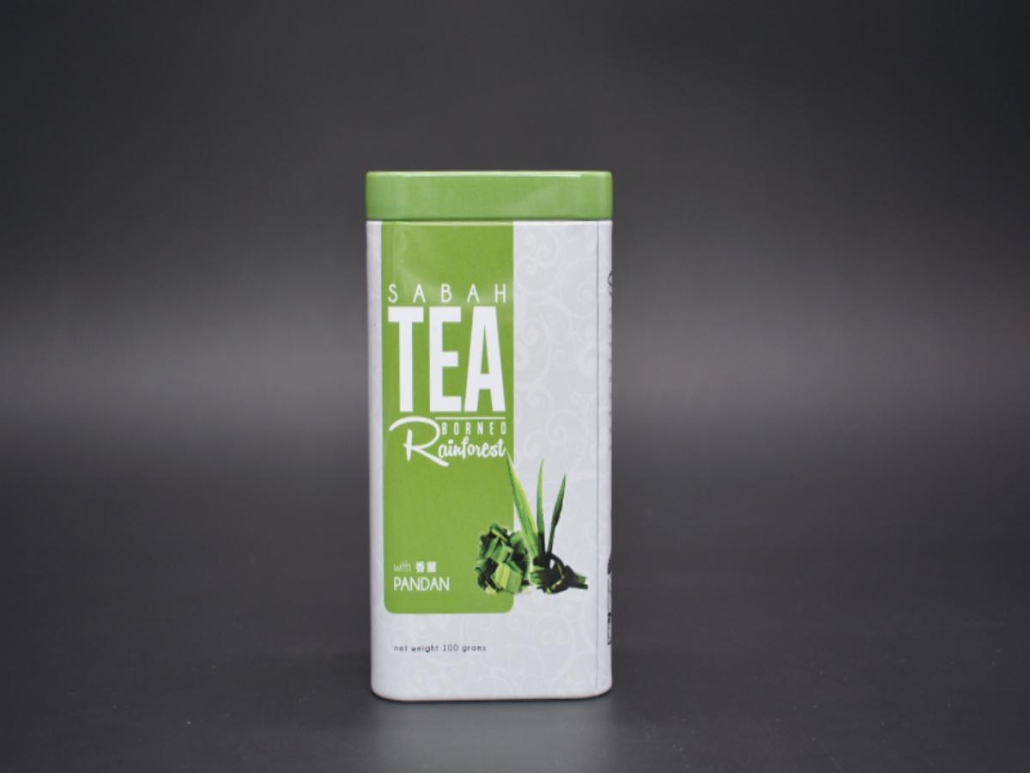
How to Avoid Deformation: Durable 0.23-0.30mm Tinplate 100g Green Tea Tins
Choosing the right packaging for premium tea products is not just about appearance; it also involves durability and structural stability. Many tea brands face a common problem when selecting packaging: thin, low-quality Tea Tinss are prone to deformation during transportation, stacking, or retail handling. Deformation not only affects the packaging’s visual appeal but also the product’s freshness and the brand image. Tsing’s 100g Green Tea Tins, made from 0.23–0.30 mm-thick tinplate, are the preferred choice for many tea brands. TSING’s material thickness, molding process, lid structure, and quality inspection all play a crucial role in preventing deformation. By combining durable tinplate with optimized manufacturing processes, we can create green tea tins that are shape-stable, protect the tea, and enhance the product’s overall value.
Material Strength and Structural Design of the 100g Green Tea Tins
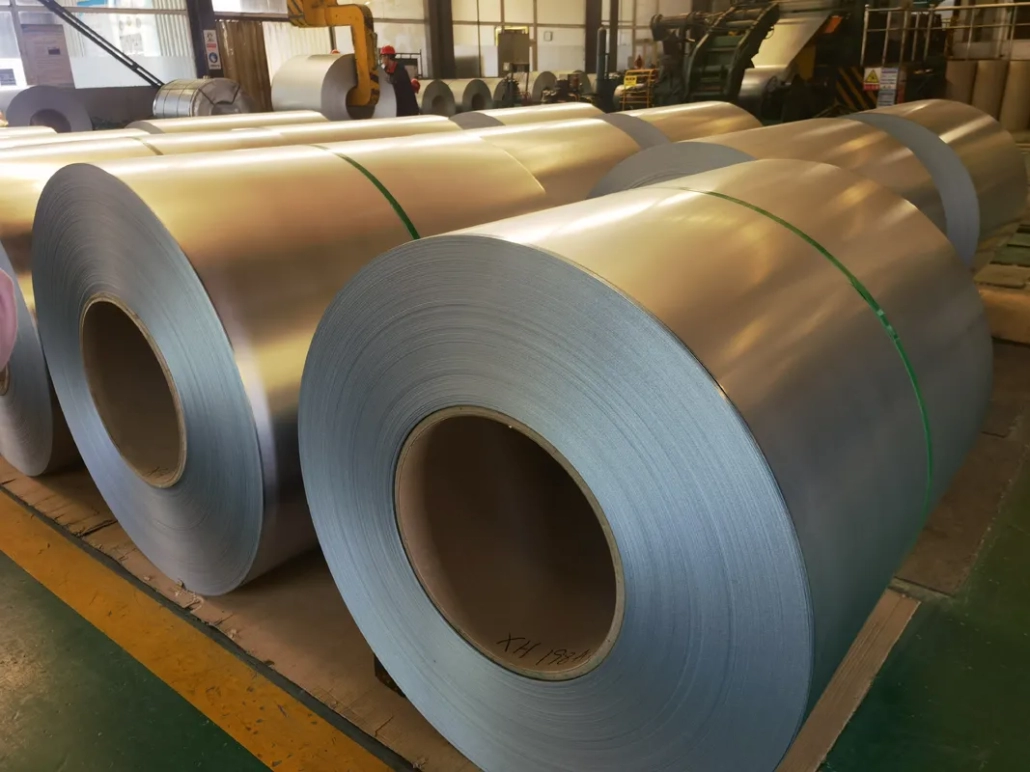
Material thickness is one of the key factors affecting the structural strength of the 100g green tea tins. A 0.23-0.30 mm thick tinplate balances rigidity, durability, and machinability. If the tinplate is too thin, the can is more prone to denting during transport or handling. Even slight stacking pressure can cause noticeable deformation. Conversely, a thicker tinplate significantly improves the can’s resistance to pressure and impact. This extra rigidity ensures the green tea can maintain its shape even under actual logistical conditions. Another advantage of this thickness range is the ability to provide a premium feel. For tea brands targeting the high-end or gift market, the tea’s structural strength can play a crucial role in shaping consumer perception.
Structural Reinforcement Characteristics of 100g Green Tea Tins
In addition to material thickness, structural design also significantly affects the durability of 100g green tea tins. Manufacturers can employ various reinforcement techniques to improve their resistance to deformation. A common solution is rolled edges or reinforced edge structures. This design reinforces the can opening and helps distribute pressure more evenly when opening, closing, or stacking. Without proper edge reinforcement, the top of the can may bend or deform over time.
Another effective technique is to use structural ribs or round reinforcing strips on the tea can body. These ingenious design elements enhance the rigidity of the can walls, much like building columns support a structure. Therefore, the green tea tins can withstand greater external pressure without deforming. Meanwhile, the carefully designed bottom structure enhances load-bearing capacity, preventing deformation when the canister is stacked in shipping cartons or retail display shelves. By cleverly balancing these structural features, TSING ensures that the 100g green tea tins combine strength and aesthetics.
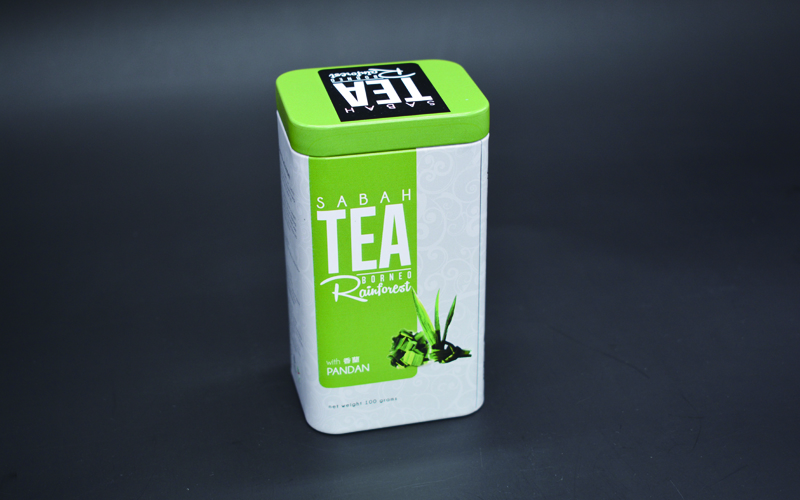
Manufacturing Process and Quality Control of the 100g Green Tea Tins
At TSING, the first key process is precision stamping, which processes tinplate sheets into the cylindrical structure of the can. Modern forming equipment ensures uniform canister wall thickness and a smooth surface, avoiding weak points that could lead to dents. Another important step is deep drawing technology, which shapes metal without causing excessive stress or structural damage. Proper deep drawing ensures consistent strength throughout the canister. After forming, each component undergoes trimming and shaping processes to achieve precise edges and dimensions. This high precision ensures a perfect fit for the lid while maintaining the overall strength of the Tea Tins. Through a rigorously controlled production process, TSING’s 100g green tea tin is durable and performs exceptionally well.
Surface Coating and Protection of Green Tea Tins
Surface treatment also contributes to the long-term durability of green tea tins. Without a proper protective coating, tin cans are susceptible to corrosion or environmental damage. The interior is coated with a food-grade protective varnish to prevent direct contact between the tea leaves and the metal surface. This coating protects the tea’s flavor while maintaining the canister’s structural integrity.
Furthermore, on the exterior, decorative coatings and printing layers not only enhance brand value but also provide additional protection. High-quality coatings prevent scratches, oxidation, and minor surface damage that could otherwise weaken the canister’s structure. For premium tea packaging, we also offer surface treatments, including matte, glossy, and special textures. These processes enhance the visual appeal of the 100g green tea tins while ensuring their durability during transportation and retail. By combining structural strength with protective coatings, TSING ensures that its Tea Tins are both functional and aesthetically pleasing.
H3: Quality Inspection Ensures 100g Green Tea Tins Remain Undeformed
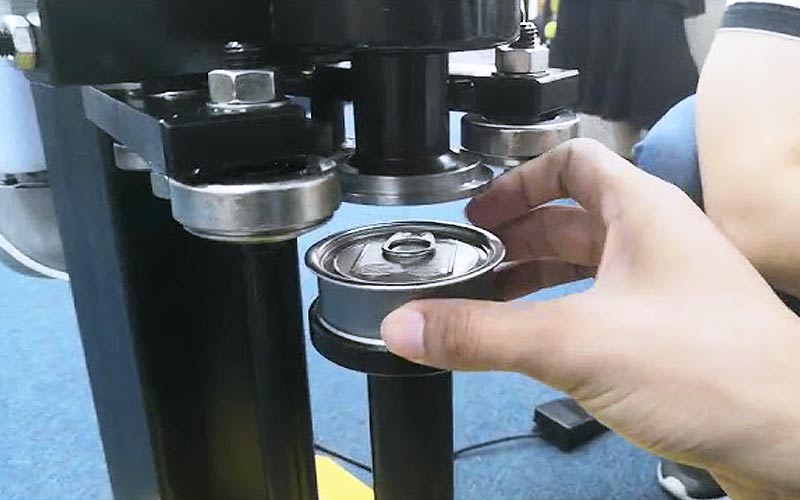
To guarantee reliable packaging performance, each batch of 100g green tea cans undergoes rigorous quality control procedures. Inspections ensure the tin cans can withstand the pressures of transportation, storage, and consumer use. An important test is the compression or stacking test, which measures the tin cans’ ability to resist vertical pressure when stacked in a carton. This test simulates actual transportation conditions to verify the container’s structural stability.
Another important assessment is the drop test, which determines whether the tin cans can withstand accidental impacts without significant deformation. Since packaging is frequently subjected to minor drops during logistics, this test is crucial for durability. Other inspections include dimensional checks, coating adhesion tests, and corrosion resistance assessments. These procedures ensure that every green tea that leaves the factory meets stringent quality standards.
Durable, Deformable Green Tea Packaging
Factors such as tinplate thickness, structural design, manufacturing precision, and quality inspection all affect the container’s overall durability. Using a tinplate with a thickness of 0.23–0.30 mm significantly reduces the risk of dents and deformation. With reinforced edge construction, precision molding processes, and a protective coating, these tinplate containers excel throughout the supply chain. Durable materials, advanced manufacturing processes, and rigorous quality control ensure that these tea tins maintain their shape, protect the tea leaves inside, and provide a superior packaging experience.
 Facebook
 Twitter
 Linkedin
