
How to ensure cigarette tins are corrosion resistant: Coatings, Liners, and Handling Tips
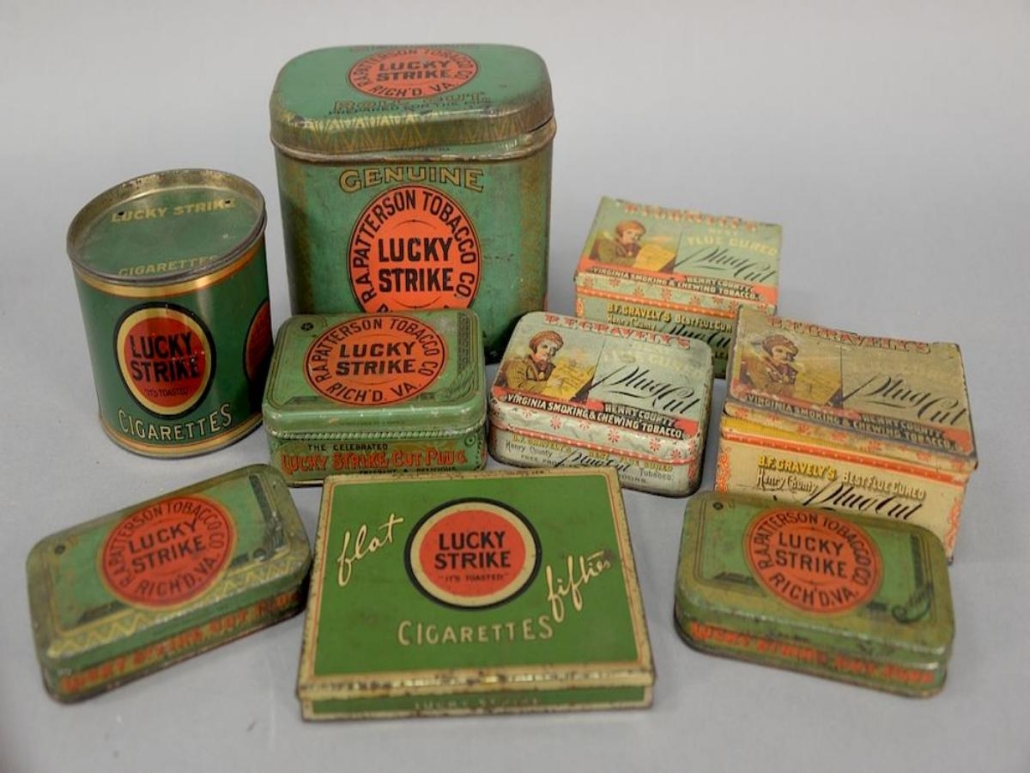
A high-end tobacco manufacturer received 5,000 custom cigarette tins ordered before last year’s holiday season, only to find rust at the seams when they arrived at retail stores. These tins, stored in a damp warehouse for three weeks, were severely corroded, even contaminating the cigarette packaging inside. For tobacco products, freshness and appearance are just as important as the product itself. Rusty cigarette cans not only affect aesthetics but also quality and can damage the tobacco inside. As a professional tin can manufacturer, we use advanced coatings, food-grade linings, and precise pretreatment techniques in our cigarette can production. We will also introduce methods to prevent rust, protect against moisture, and enhance the durability of cigarette cans, and provide practical maintenance tips to help you keep your cigarette boxes in perfect condition.
Why Does Rust in Cigarette Tins Affect Tobacco Quality?
Rust in cigarette tins is not just a cosmetic issue; it threatens the quality of the tobacco inside and the brand’s reputation. When cigarette boxes are typically stored in warehouses, transported to different climate zones, or placed in humid environments, even small amounts of moisture can react with the cigarette box’s metal substrate, causing oxidation. An unprotected tinplate reacts with oxygen and moisture. A single scratch on a poor-quality coating can expose the metal, leading to rapid rust spread. Furthermore, tobacco is sensitive; moisture from corrosion can seep into the cigarette case, spoiling the tobacco’s freshness. A rusty cigarette tin also conveys a sense of neglect. For a premium cigarette brand priced over $50, rusty packaging is unacceptable.
Anti-corrosion Coating – The First Line of Defense Against Corrosion
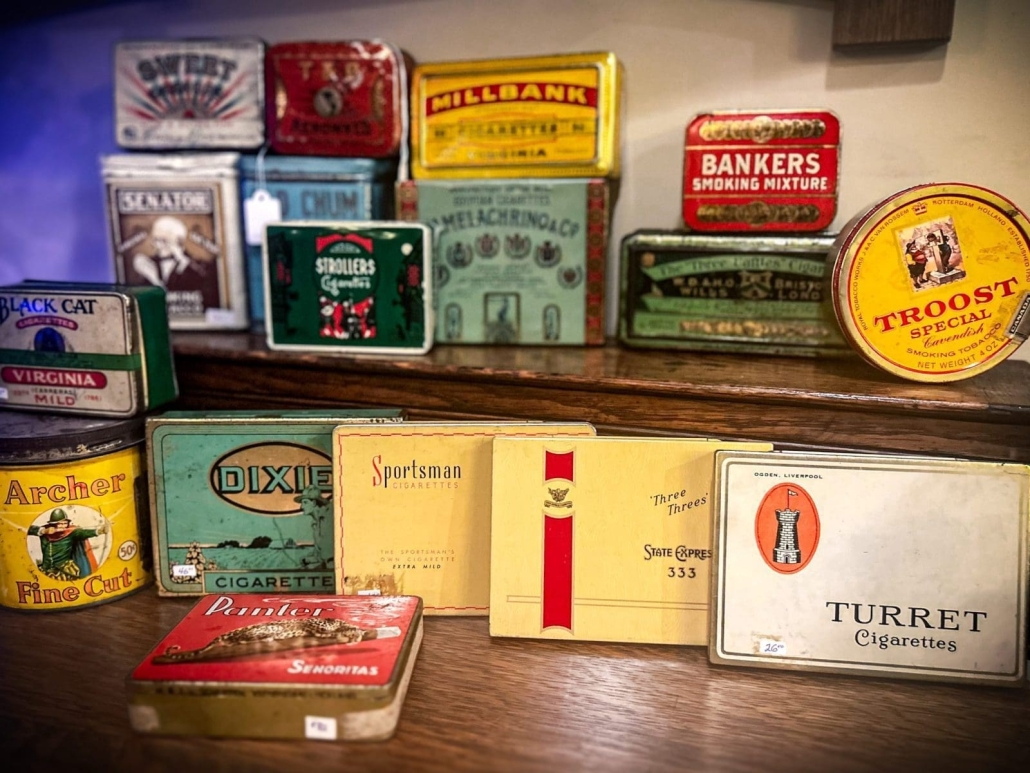
The outer layer of the cigarette tin is its first line of defense against moisture and oxygen. Tsing uses two layers of corrosion-resistant coatings specifically designed to meet the unique needs of cigarette tins:
Base Coating: Food-grade tinplate, passivated: All Tsing cigarette tins are made from high-quality food-grade tinplate (pure tin-coated steel). Then we passivate it – forming a thin, invisible layer of chromate or zirconium on the tin surface to prevent it from reacting with oxygen. This single step reduces corrosion risk by 60%, well below that of unpassivated tinplate.
Topcoat: We use a premium low-VOC powder coating for surface treatment, available in matte, gloss, and metallic colors. Unlike cheap paints, our powder coating is 80 microns thick, three times the industry standard, allowing it to adhere firmly to tinplate and effectively resist scratches, impacts, and moisture. Furthermore, it is UV-resistant, so the cigarette packs will not fade or age even when stored in bright retail display cases. The seams of cigarette packs are the most susceptible to moisture. Tsing applies a clear, flexible sealant to all seams.
Food-grade liner for cigarette tins, protecting tobacco from internal corrosion
While the outer coating protects against external moisture, the inside of the cigarette pack requires a food-grade liner to prevent direct contact between the metal and tobacco and to block internal humidity. Tsing offers two liners, customizable to your needs:
BPA-free epoxy liner: Our standard liner uses food-grade epoxy resin to form a smooth, non-reactive barrier between the cigarette pack metal and the tobacco. It is colorless and odorless, and prevents any metal particles from seeping into the product. This liner is suitable for most cigarette cases, including bulk and branded packaging.
Polypropylene (PP) Liner: We offer PP liners for premium cigarette cases or cigarettes requiring long-term storage—thicker, more durable, and 100% moisture-proof. It is heat-sealable, so you can lock in the freshness of your cigarettes while adding an extra layer of corrosion protection. Both cigarette case liners meet US FDA and EU food safety standards, so you can be confident they will not affect the flavor or safety of the tobacco.
Pretreatment Technology—Metal Pretreatment for Maximum Durability
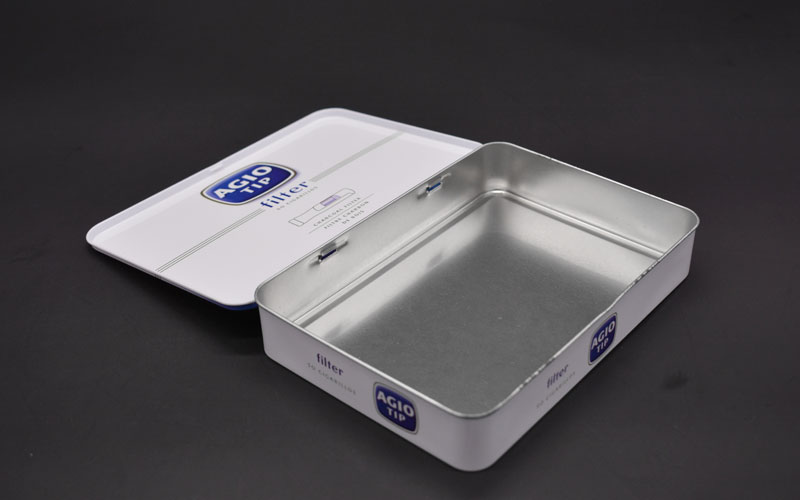
Corrosion protection begins before the first coating is applied. Tsing uses a three-step pretreatment process to ensure perfect adhesion between the coating and liner, eliminating weak points:
Degreasing: We clean the tinplate with a food-grade alkaline solution to remove residual oil, dust, or debris from the manufacturing process. Even tiny contaminants can hinder coating adhesion, creating gaps that allow moisture to seep in.
Pickling: The tin-plated iron sheet is immersed in a dilute acid solution to remove surface rust or oxides that may have formed during storage. This step ensures the metal is clean and smooth, preparing it for subsequent coating.
Rinsing and Drying: We rinse the tin-plated steel sheets with deionized water and dry them in a controlled environment. Moisture during pretreatment can cause premature corrosion, so we tolerate no mistakes.
While Tsing’s pretreatment process adds 24 hours to production time, it doubles the corrosion resistance of cigarette canisters (from 2 years to over 5 years).
Treatment and Storage Tips for Extending Corrosion Resistance
Even the highest quality cigarette canisters require proper care to prevent rust. Here are our expert tips for the care and storage of cigarette tins:
Avoid Humid Environments: Store cigarette tins in a dry place. Use desiccant packets in warehouses or shipping containers to absorb excess moisture, especially in coastal or tropical areas.
Prevent Scratch: The coating is scratch-resistant, but not completely scratch-proof. Avoid stacking heavy objects on cigarette tins and use partitions inside shipping containers to reduce friction. Scratching the metal will expose it, so handle the cigarette case with clean, dry hands.
Control Temperature: Drastic temperature changes can cause condensation. Before opening the cigarette case, allow it to reach room temperature to prevent moisture buildup.
Gentle Cleaning: If the case gets dirty, wipe it with a dry, soft cloth. Avoid using water, cleaning sprays, or abrasive materials, as these can damage the coating or lining.
Visible, Reliable Protection
Corrosion of cigarette cases is not inevitable. Tsing’s triple protection system—an advanced coating, a food-grade lining, and precise pretreatment—effectively blocks moisture, oxygen, and time. Our rigorous quality control ensures that every cigarette case meets the highest standards, and our care guidelines help you maintain its protective properties long after you receive the product.
 Facebook
 Twitter
 Linkedin
