
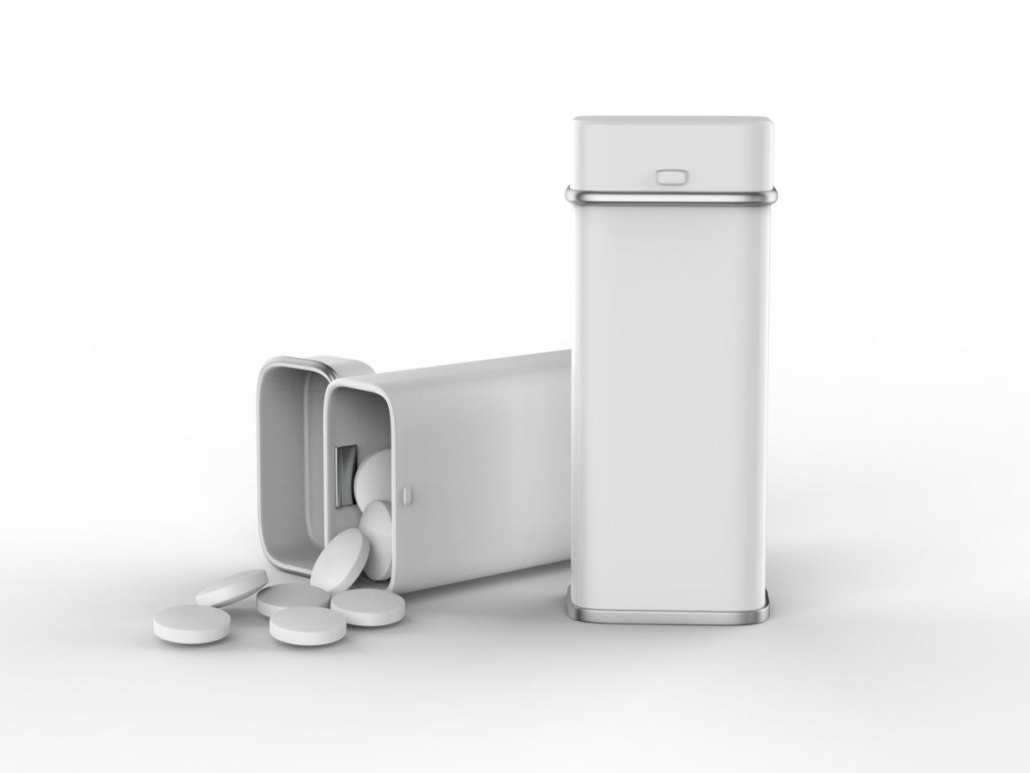
What characteristics must metal tin containers used for packaging medical and pharmaceutical products have?
FDA regulations stipulate that drug containers and seals must not exhibit any reactivity, additives, or absorbability that would alter their safety, potency, quality, or purity, and must provide adequate protection against foreseeable external factors during storage and use. These are the FDA requirements for drug packaging, and many customers ask whether our tin cans meet them. Our solution involves using sealing gaskets or liners inside the can lid, employing seamless or deep-drawn tin structures, or using a necked-off lid design to improve friction and ensure lid alignment. This ensures that our metal tin containers meet the packaging requirements for medical drugs.
Required Characteristics of Metal Tin Containers for Drug Packaging
The primary requirement for metal tin containers in drug and medical packaging is reliable protective performance. The U.S. Food and Drug Administration (FDA) requires that container seals adequately protect against foreseeable external factors, preventing product deterioration or contamination; simultaneously, the container material must not interact with the drug in any way that could alter its quality or purity. This is the foundation of any qualified drug packaging.
For metal drug storage tins, a tight seal is absolutely essential. If a pharmaceutical product is sensitive to moisture, air, odor transfer, or microbial exposure, the packaging must maintain its barrier function over a long period. This principle applies whether the product is a dry powder, fine granules, a topical preparation, or a liquid formulation, as long as you store it in durable metal packaging. Therefore, the design of metal tin containers used for pharmaceutical packaging differs from that of ordinary retail cans. Packaging must consider barrier performance, compatibility, and sealing reliability.
Sealing gaskets and lining technology are used inside the lid
One of the most effective ways we improve the sealing of metal tins is by placing a sealing gasket or liner inside the lid. We determine whether to use a PVC, silicone, or EPE sealing gasket based on the product’s storage requirements, shelf-life targets, and price positioning. The goal is to create a tighter seal between the lid and the can, which helps reduce air and moisture from getting inside after you close the lid and ensures the packaging meets pharmaceutical protection requirements. If you need to open and reuse the pharmaceutical packaging multiple times, we recommend silicone gaskets because they stay flexible and maintain a strong seal very well. PVC gaskets offer a reasonable balance between cost and barrier performance. EPE gaskets are suitable for products requiring lightweight cushioning and moderate sealing support.
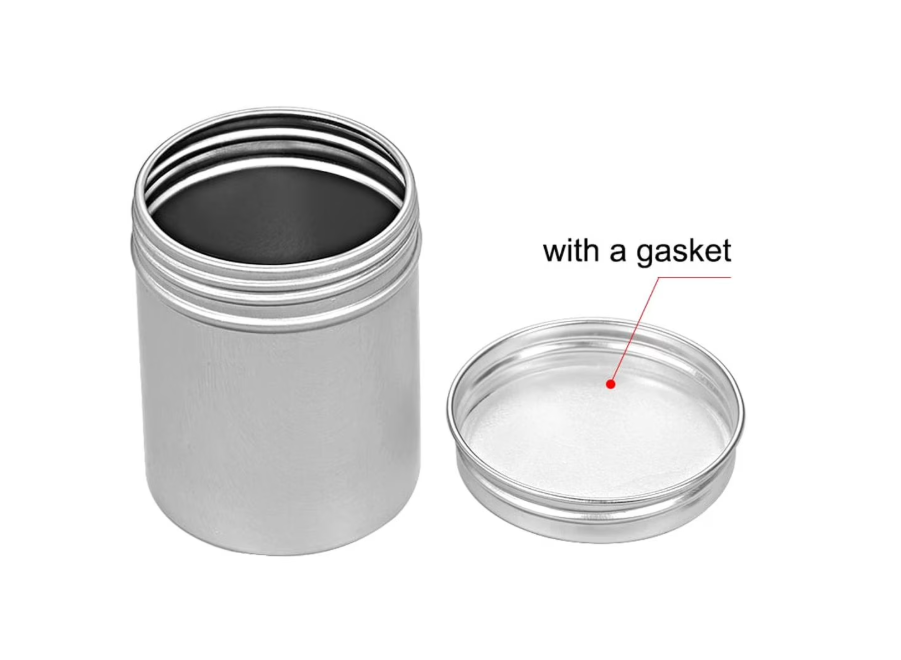
Seamless Deep-Draw Metal Tin Containers Eliminate Leaks
Another important feature is the can construction. When pharmaceuticals require a stronger seal, we use seamless or deep-drawing processes. In this process, the can is made from a single piece of metal, with no weld points on the bottom and sides. This eliminates the most common type of side seam leakage. For metal tins used to package liquids or fine powders, eliminating side seams reduces the risk of seam-related leakage and creates a better-sealing can. We use seamless construction for pharmaceutical packaging metal tin containers when there is a high risk of leakage, or when the product has small particles, is liquid, or is highly sensitive to leakage.

Metal tin containers with a Necked-in Structure
The necked design of the metal tin container allows the lid to fit more snugly against the can body when closed. This increases contact pressure and friction, thus helping to form a tighter seal. It also helps maintain lid alignment, making the closed can feel more secure.
This design also enhances usability. A more even fit of the lid to the can provides users with a smoother closure and a more predictable opening experience. The recessed design strikes a balance between secure, reliable packaging and easy opening. It provides a more controlled closure interface for tin cans, ensuring a proper fit and preventing loosening or misalignment. People open and close many pharmaceutical packages multiple times during use. If you make the lid too loose, it compromises the seal; if you make it too tight, it hurts the user experience. This is one reason why this design is so prevalent in many pharmaceutical tin cans.
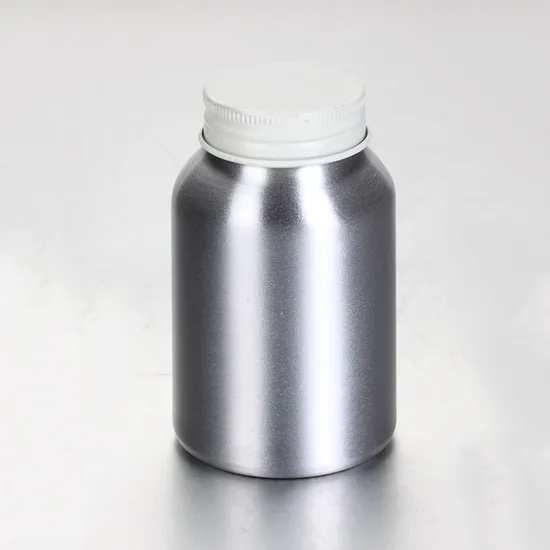
Three structures enable better sealing in pharmaceutical packaging
Sealing gaskets or liner technology improves compressibility and sealing. Seamless deep-drawn structures reduce the risk of leakage and are suitable for liquids or fine powders. Necked structures enhance friction, resulting in a tighter lid closure. When these characteristics are combined with consistent material selection, clean surface treatments, and rigorous quality control, truly suitable metal packaging for medical and pharmaceutical applications can be produced.
 Facebook
 Twitter
 Linkedin
