
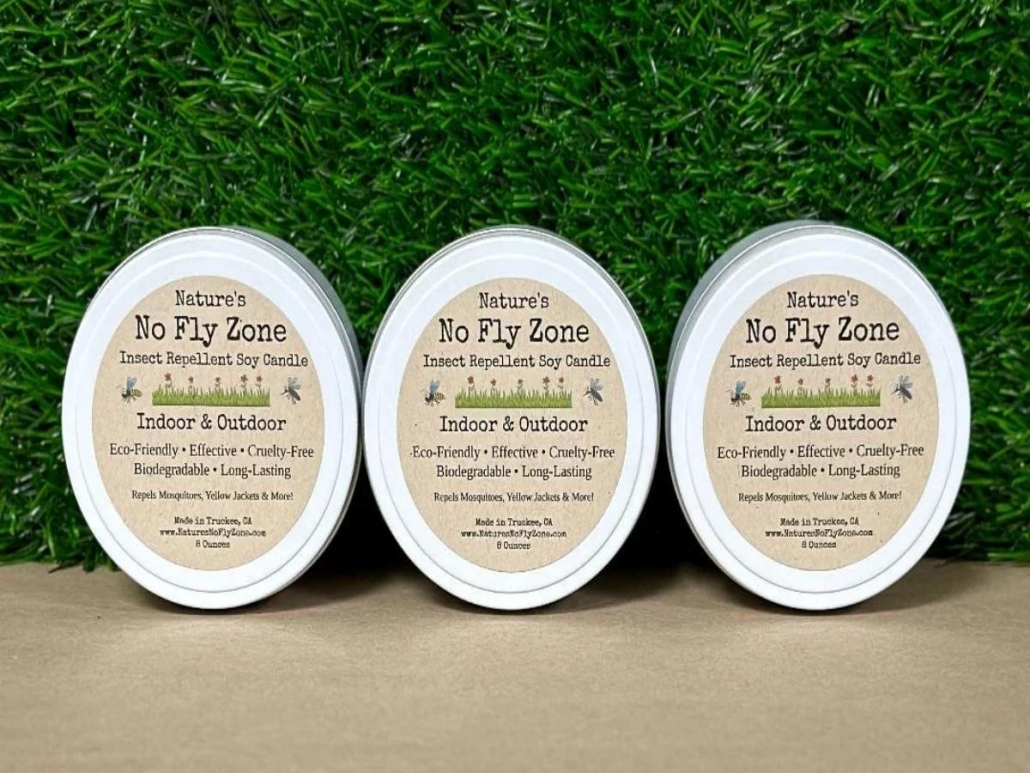
Why Do Label-Friendly Tin Cans Have Smoother Surfaces Than Standard Tin Cans
Every customer wants their tin can packaging to have a crisp, perfectly aligned label—no bubbles, no peeling edges, and no misaligned graphics. This perfect first impression depends more on the metal material the label is attached to than on the label itself. At Tsing, we’ve encountered many customers whose perceived quality and sales have suffered due to incompatible substrates: rough micro-textures, uneven coatings, or excessively low surface energy can all compromise label adhesion, print accuracy, and shelf life. Therefore, we’ll explain why label-friendly tin cans have a smoother surface than ordinary tin cans, and how Tsing’s manufacturing process, surface treatment, and coating selection create a reliable, directly labelable surface.
Manufacturing Process of Label-Friendly Tin Cans
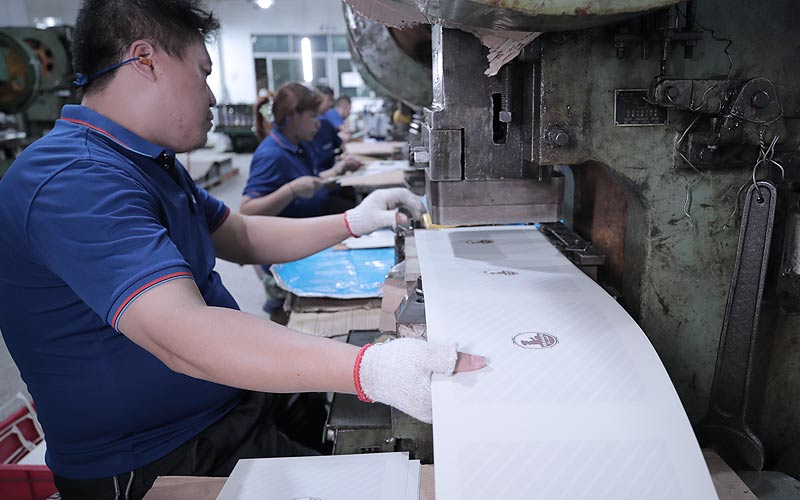
Surface smoothness begins in the metal production process. Label-friendly tin cans typically undergo specific upstream processing to achieve lower micro-roughness and significantly fewer surface defects than ordinary tin cans. During production, we select cold rolling and skin-pass rolling. The tin-plated steel sheet used for labeling undergoes precision cold rolling to achieve strict thickness tolerances, followed by a light skin-pass rolling to improve the surface texture. This reduces anchoring points that can cause label edges to lift and provides a uniform substrate for coatings and adhesives.
In the single-piece deep drawing and ironing process, the mold design minimizes surface scratches and wrinkles. Ironing uniformly reduces wall thickness and achieves a smoother wall surface than rough stamping or seaming processes, which can leave seam overlaps and micro-scratches.
Furthermore, combining this with appropriate annealing processes eliminates work-hardening stresses and helps maintain surface consistency after forming. Controlled annealing prevents scale formation and surface disturbances that would subsequently show through thin varnishes or printing inks. Reducing subsequent processing steps through mold polishing and maintenance improves the first-pass yield of label application.
Coating and Surface Treatment Processes for Creating the Ideal Label Substrate
A smooth metal substrate alone is not enough; a customized coating system transforms the metal into the ideal carrier for labeling. Label-friendly tin can utilize specific external coatings and pre-treatment processes to optimize label adhesion, printability, and durability.
TSING applies a thin external primer coat designed to eliminate minor surface imperfections and enhance the adhesion of inks and pressure-sensitive adhesives. These primers are formulated to allow for smooth offset, UV ink, or screen printing without orange peel effects. Crucially, the primer formulation is carefully balanced to maintain the required surface energy and compatibility with label adhesives.
Many high-end tin cans feature matte or soft-touch finishes, providing a luxurious feel and concealing minor imperfections. Chemists formulate these finishes to allow for secure label adhesion by balancing surface tack and abrasion resistance. Additionally, manufacturers often use chemical pretreatments to create a uniform, corrosion-resistant layer and improve chemical compatibility between the metal and the primer, thereby promoting bonding. Before coating, operators thoroughly clean the parts and apply a thin layer of leveling varnish to improve adhesion and reduce edge lifting caused by moisture or abrasion.
Surface Energy and Adhesion of Label-Friendly Tin Cans
Labels adhere securely to a substrate when the adhesive wets the substrate and forms a mechanical or chemical bond with it. Two key concepts govern this interaction: surface energy and wettability.
Surface Energy and Contact Angle: High surface energy surfaces allow adhesives to spread and form intimate contact; low surface energy surfaces cause liquids to bead up, resulting in poor wettability. In practice, we measure the contact angle: a low contact angle (< 40°) indicates good wettability and therefore good adhesion potential. Label-friendly tin can is designed to deliver consistently high surface energy, enabling the adhesive film to wet the can surface uniformly.
If coatings alone do not provide sufficient surface energy, engineers can employ treatment steps such as corona discharge or atmospheric plasma to increase surface polarity and thus improve adhesive wettability. Furthermore, the surface energy must remain stable over time and after processes such as printing or transportation. Some inexpensive treatments, while initially providing high surface energy, gradually lose it as contaminants adsorb onto the surface. Therefore, Tsing’s label-friendly tin cans utilize stable chemical treatments and protective topcoats to ensure the surface energy remains stable before label application.
Label Types, Adhesive Selection, and Application Techniques
Smooth, high-energy labels only reach their full potential when combined with the right label materials and adhesive systems. This matching determines whether the label is flat, wear-resistant, moisture-resistant, and withstands transportation.
Label Facestock:
Paper labels: Highly absorbent and naturally rough on a microscopic scale; they adhere well to coated metal when the coating is suitable for water-based adhesives and the printing process is optimized. However, paper has poor moisture resistance.
BOPP, PET, and other films: These polymer labels offer excellent durability and moisture resistance, but typically have low surface energy; they require potent pressure-sensitive adhesive formulations or pre-treatment. On label-friendly tin cans, film labels benefit from the metal’s higher surface energy and primer.
Adhesive Chemistry:
Water-based emulsion pressure-sensitive adhesives: Economical and environmentally friendly. They bond well to absorbent coated metals; however, extreme cold or humid environments may affect some formulations.
Solvent-based pressure-sensitive adhesives: Offer strong initial tack and stability across a range of temperatures, but raise concerns about volatile organic compounds (VOCs).
Hot-melt adhesives: Fast-curing adhesives used in high-speed production lines; they require surface temperature and coatings compatible with rapid bond formation.
Enhancing Tin Can Packaging Quality Through Smooth Surface Treatment
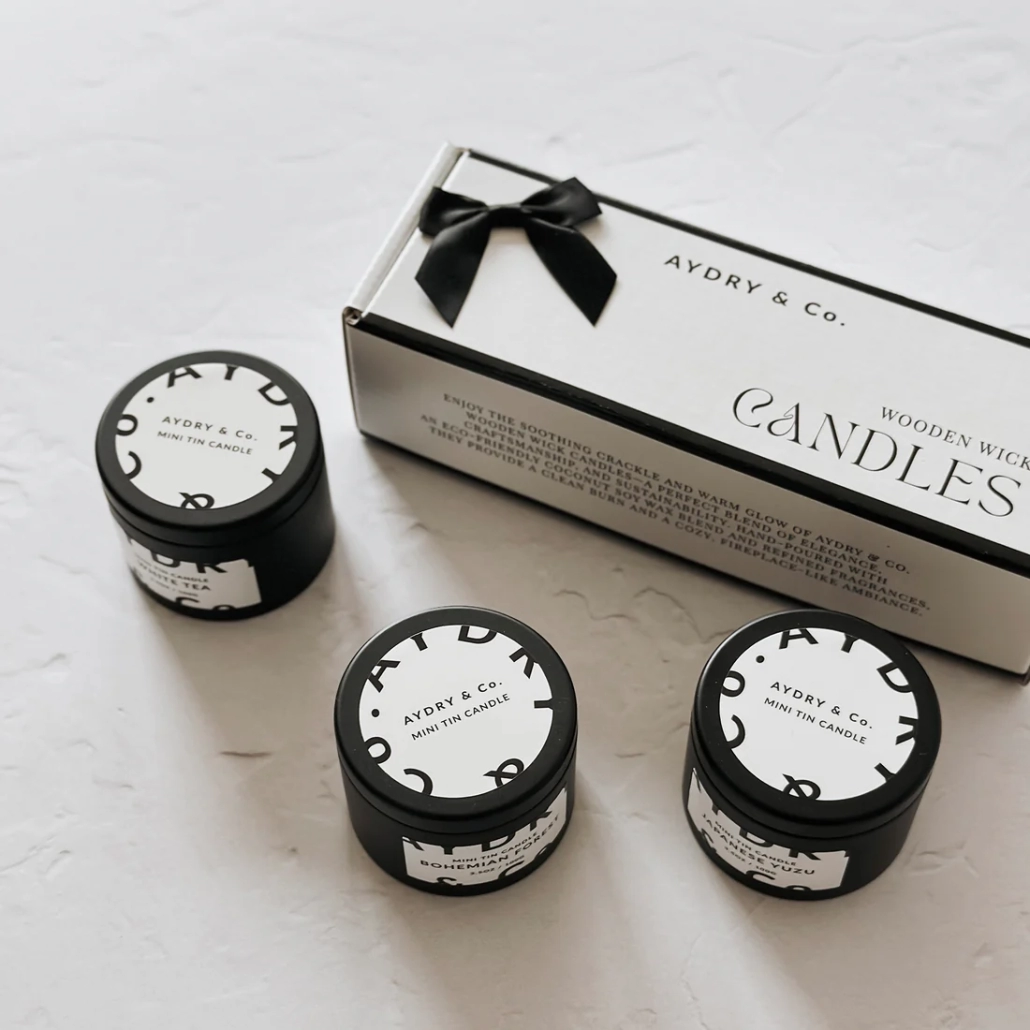
Label-friendly tin cans are more than just an aesthetic upgrade; they are a critical component of successful packaging, protecting brand image, ensuring secure label adhesion, and enhancing consumer perception. These tinplate cans combine precision metal forming, smooth surface treatment, customized coatings, and controlled surface energy to provide reliable support for both paper and film labels. They minimize defects such as edge lifting, bubbling, and misalignment while ensuring long-term durability across various environmental conditions.
 Facebook
 Twitter
 Linkedin
