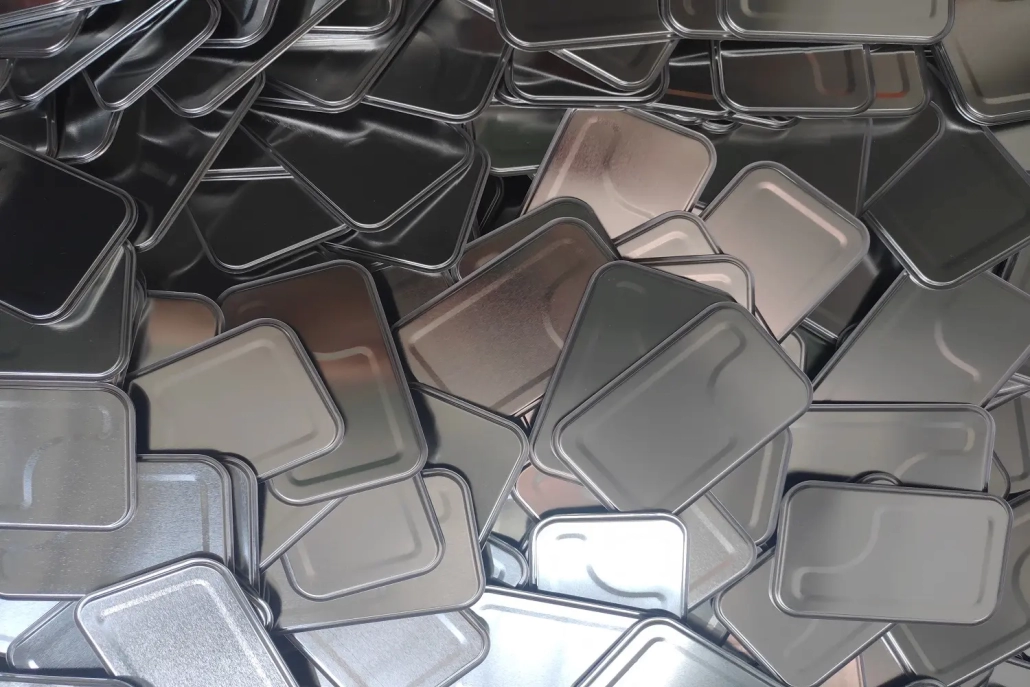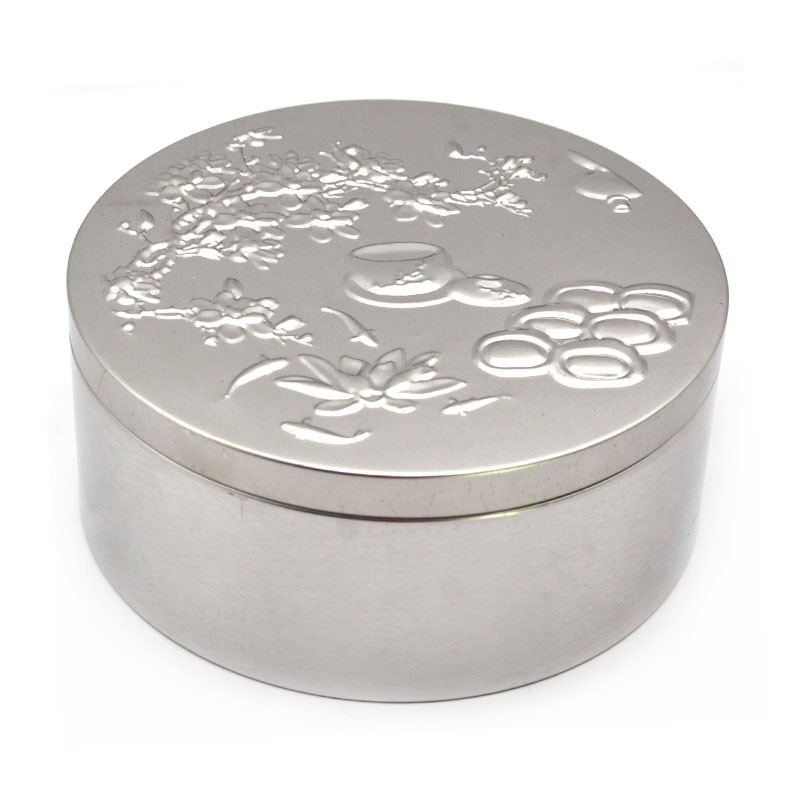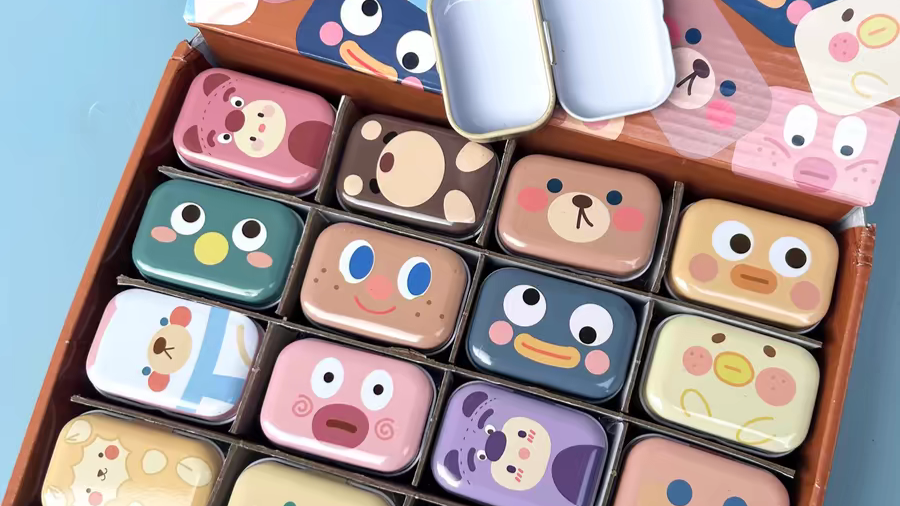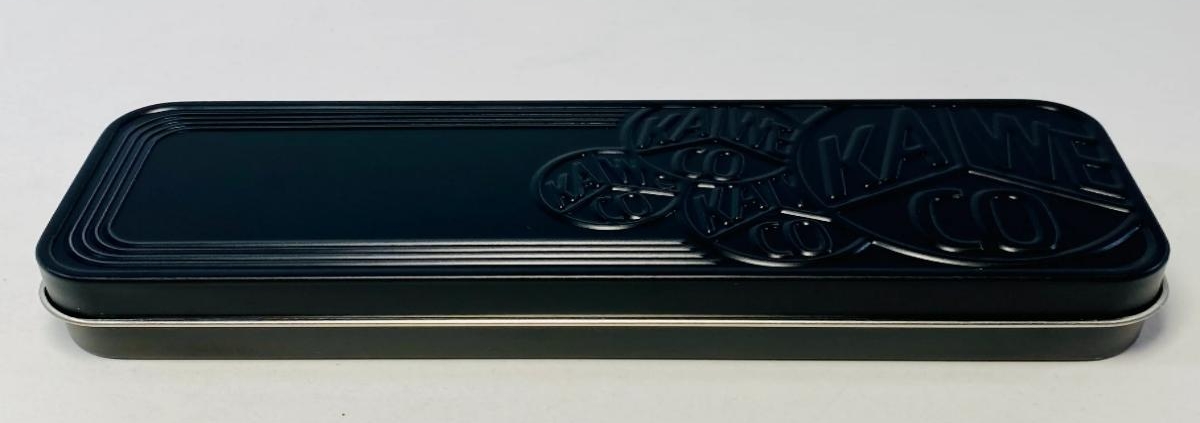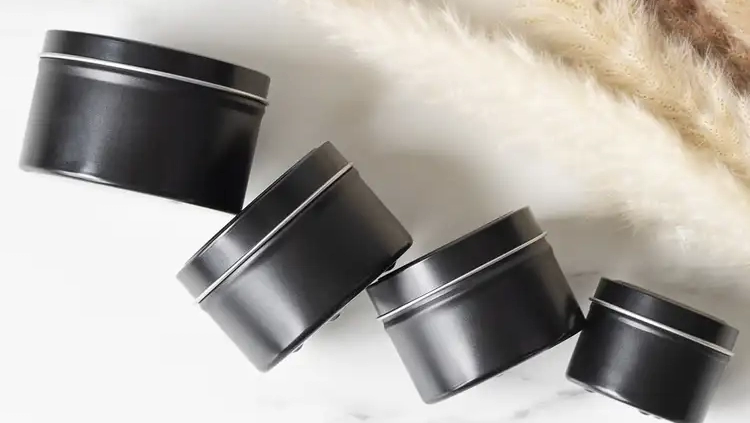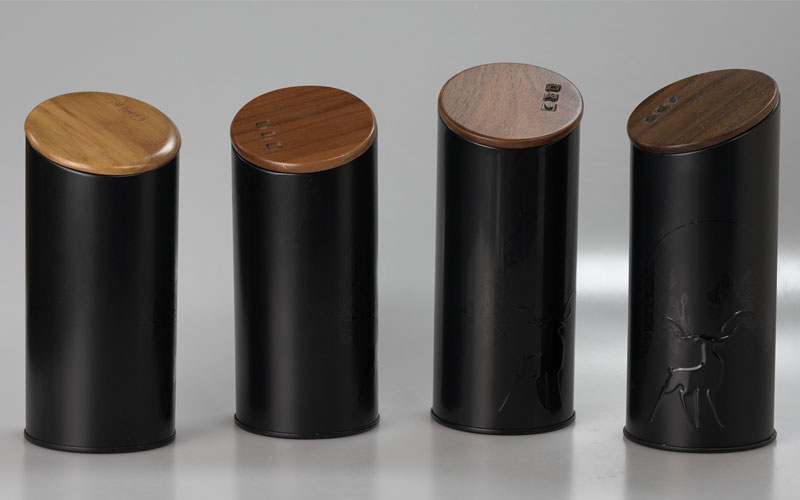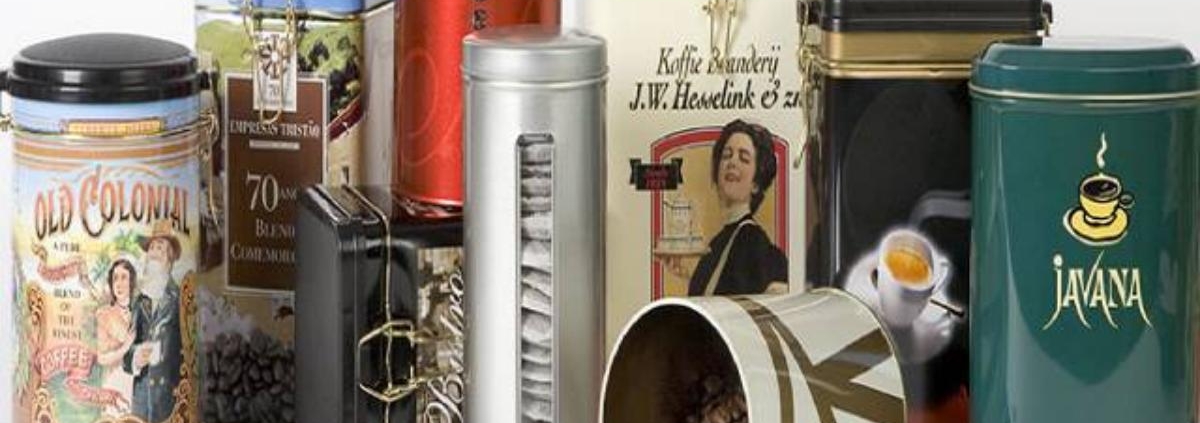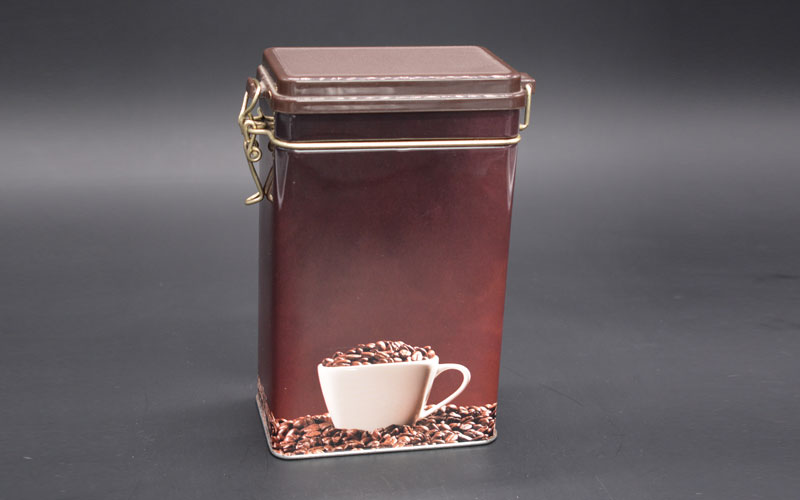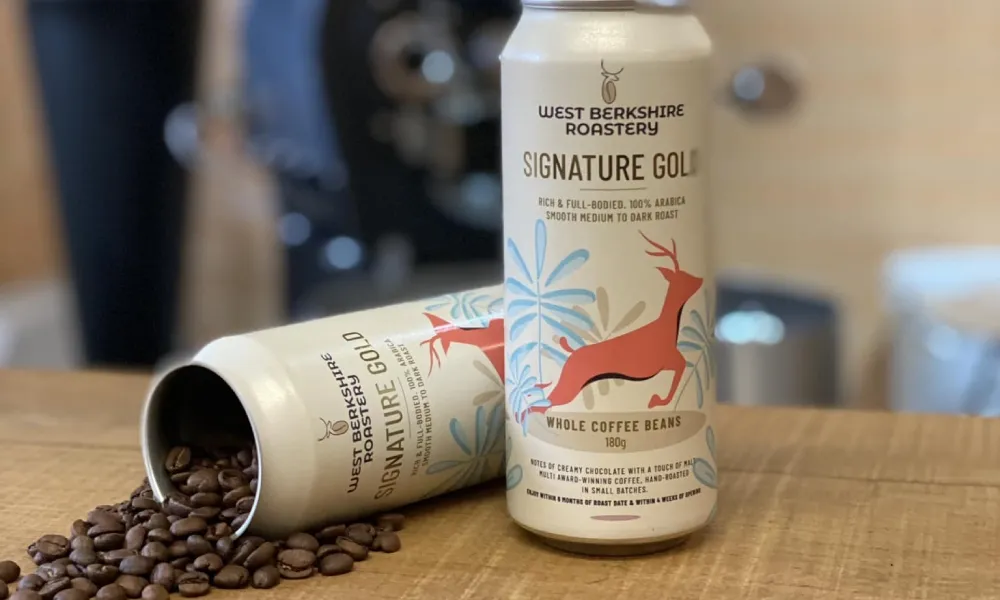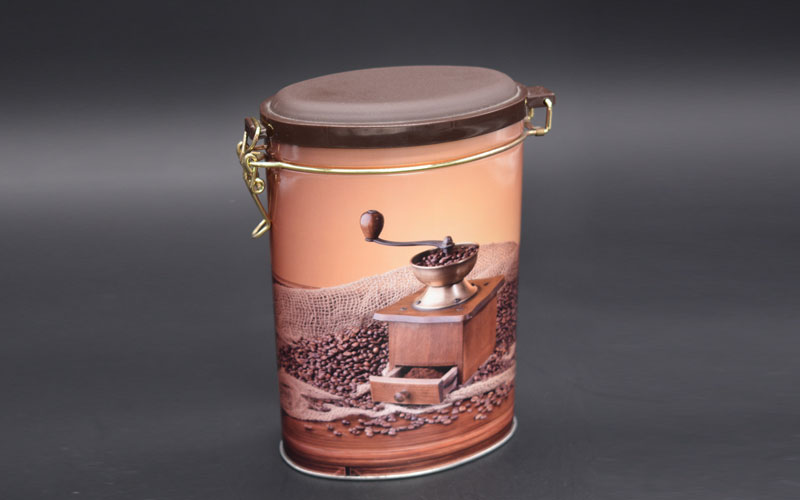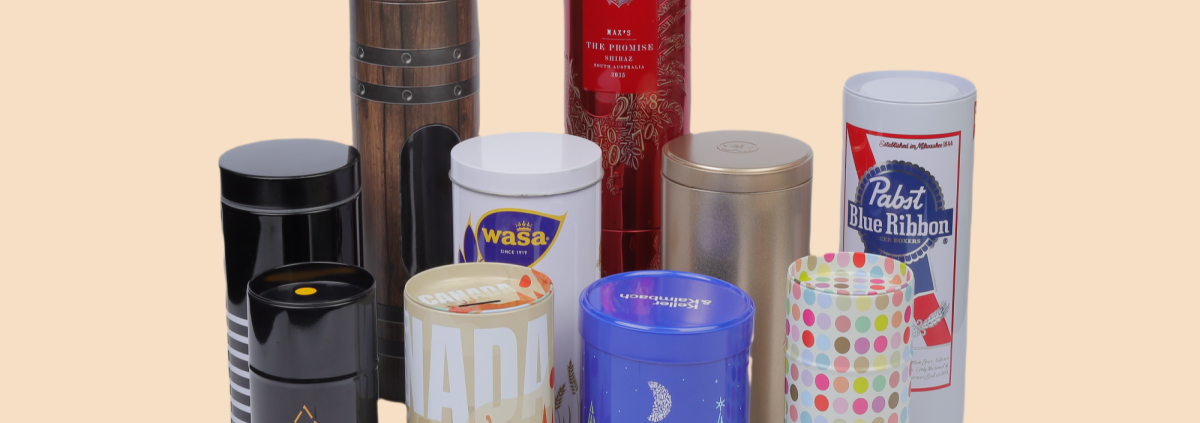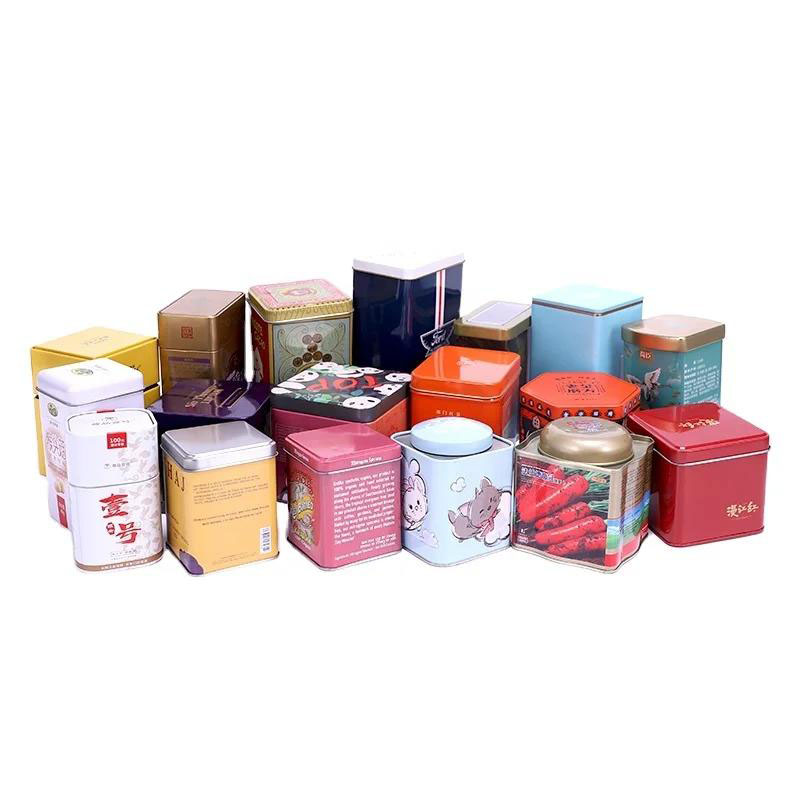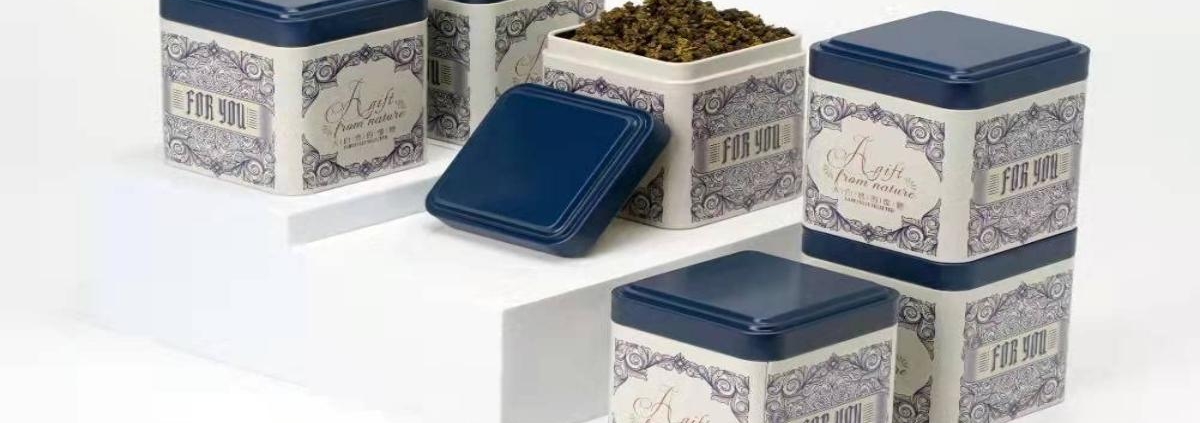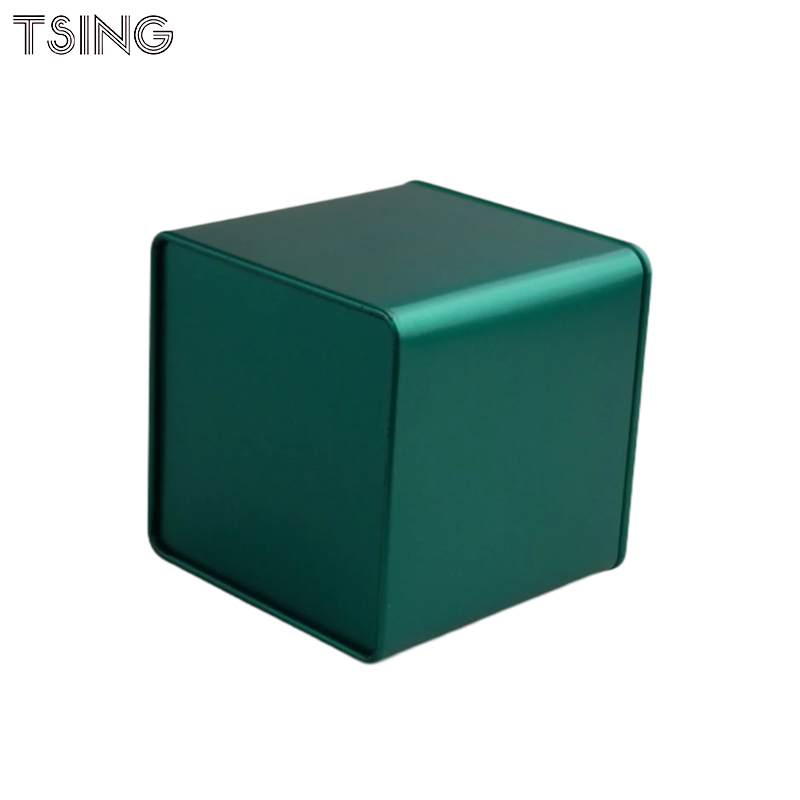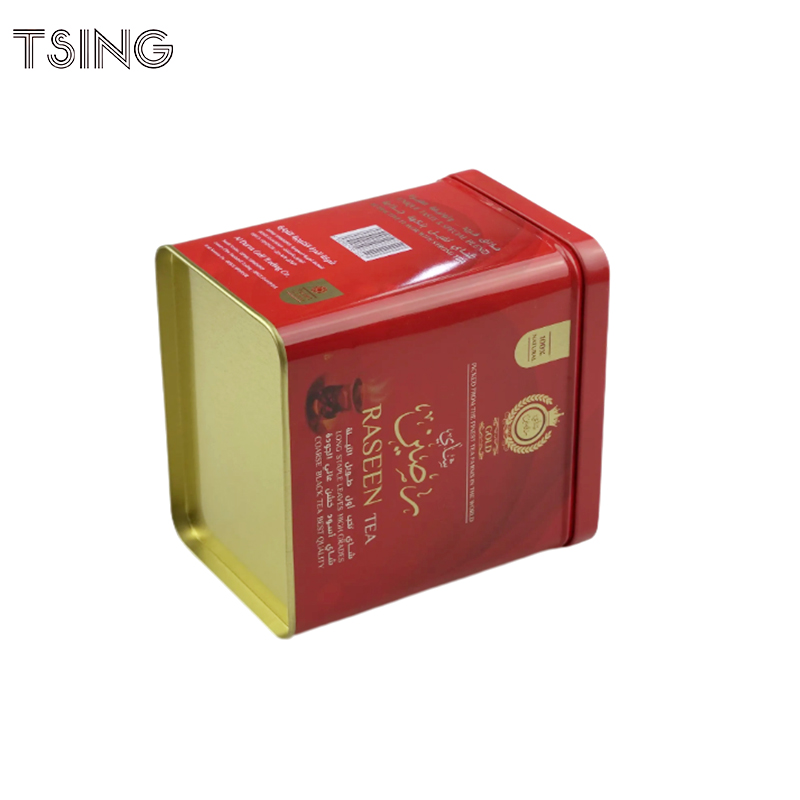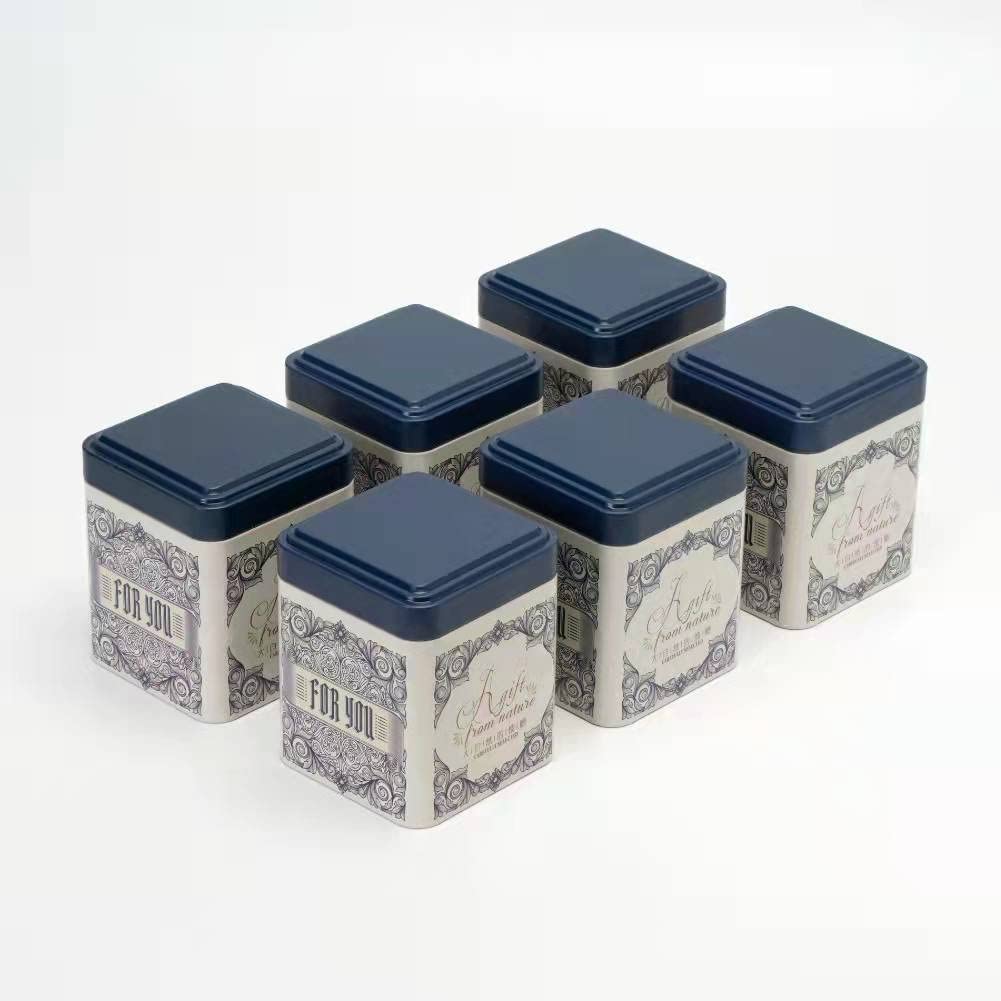
black tin cans 1-9

How do black tin cans provide a scratch-resistant surface for cosmetics?

Cosmetics brands must protect their products from makeup stains, accidental drops, and the frequent handling of items in retail environments where customers pick and view items. Traditional cardboard or plastic containers quickly show signs of wear and discoloration, which reduces the perceived value of the product. Made from tinplate, black tin cans are not only strong and durable but also feature a special scratch-resistant coating during production, which reduces the impact of wear and tear. This coating protects against the wear and tear caused by daily use, whether it is in a purse or on a store shelf.

Material Composition and Substrate Properties of Black Tin Cans

The core of scratch-resistant cosmetic containers lies in the strength of the material itself. Black tin cans are usually made from tinplate, and this tin coating not only prevents corrosion but also provides a smooth and uniform substrate suitable for advanced coating and printing processes. When we produce black tin cans, we first cold-roll steel coils to precise specifications. After rolling, the steel is cleaned and electrolytically coated with tin. The thickness of this layer of tin is typically between 0.5 and 1.0 microns on each side. The tin adheres firmly to the steel, forming a corrosion-resistant barrier that prevents rust and ensures long-term durability. Since cosmetics often contain oils, water-based serums or acidic toners, this corrosion resistance helps maintain the structural integrity of the container and protects the product from contamination.

Next, lubrication and surface treatment are required to prepare the surface for the functional coating. This is followed by the application of a primer, usually an epoxy, phenolic or polyester resin. This primer sets the stage for subsequent coatings, enhancing adhesion and providing additional corrosion protection. This primer enhances scratch resistance from the inside. Finally, special additives such as UV stabilizers or scratch-resistant nanoparticles may be added to the primer or ink formulation of the customized black tin can to enhance its durability under intense light exposure or repeated rubbing.

tinplate

Anti-scratch coating technology for black tin cans

To add a scratch-resistant surface to a black tin can, we use a powder coating application method. In this process, we electrostatically spray a dry powder polymer onto the pre-treated tinplate. After the powder adheres to the surface of the can, we place the can in an oven and cure it at a temperature of 180–200°C. The result is a smooth and uniform coating.

Additionally, for some high-end cosmetics, we will use black tin cans and UV-cured varnish. This coating technology involves applying a colored resin to the tinplate surface and then exposing it to high-intensity UV light. UV exposure triggers instant polymerization, converting the liquid varnish into a solid cross-linked film in seconds. The result is a smooth, high-gloss or matte surface.

Another special surface treatment technology is hot stamping with scratch-resistant metallic pigments. In this method, we attach a patterned foil embedded with metal particles and a protective topcoat to the tinplate surface under high temperature and pressure. High-end cosmetic brands often employ this method to ensure that complex patterns retain their gloss and prevent wear during the product’s shelf life.

Anti-scratch coating technology for black tin cans

Surface treatment and texture design

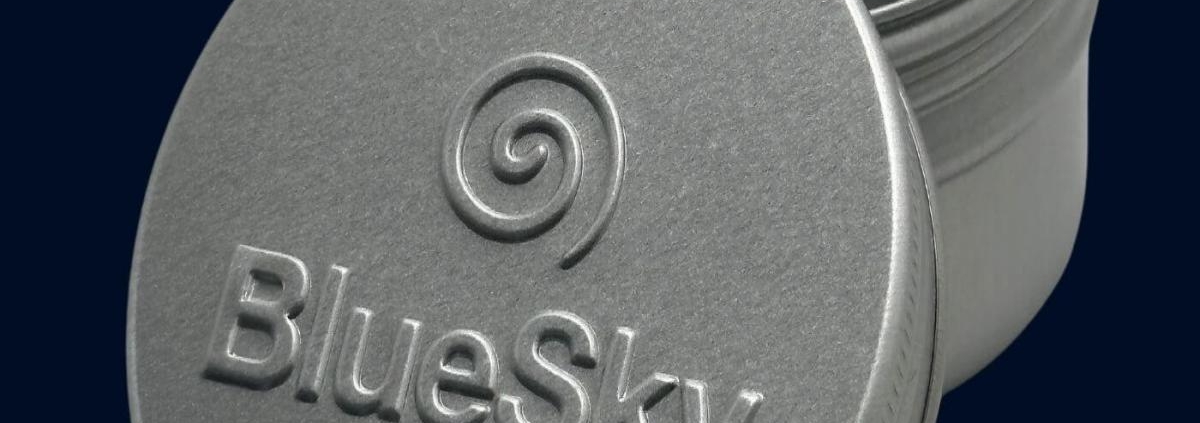
In addition to purely functional coatings, cosmetic brands often seek customized black tin cans with tactile and unique textures. Surface treatment technologies, such as embossing, debossing, and soft-touch finishes, enhanced scratch resistance by creating subtle textures that hide minor scratches..
The embossing process involves stamping a raised pattern onto the tinplate before coating. These raised areas increase the coating thickness when manufacturers apply subsequent coats, creating a slightly textured surface that resists surface scratches more effectively. When users handle or rub black tin cans against other objects, the slight wear and tear usually only affects the raised parts of the coating.

Another option is to apply a soft-touch matte varnish or silicone-based coating over the primer. This micro-textured coating offers a luxurious feel and effectively conceals fingerprints, minor scratches, and surface oils. The thickness of the soft-touch coating typically ranges from 5 to 10 microns. The black tin cans treated with soft-touch coatings can maintain their matte beauty even after long-term use in the cosmetics retail environment. By combining surface treatment processes such as embossing, soft-touch finishes, and textured matte coatings, black tin cans can also achieve a unique combination of beauty and scratch resistance.

Rigorous testing and quality control

First, the abrasion resistance test evaluates the ability of black tin cans to withstand repeated friction. In the Taber Abraser, a weighted abrasive wheel rotates over the can surface a specified number of times. At the end of the test, inspectors measure the coating thickness loss (ideally less than 5 microns) to ensure that the tinplate underneath remains protected.

Next, the impact resistance evaluation verifies that the coating and tinplate materials can withstand minor impacts without chipping or cracking. If the effect does not produce visible cracks, peeling or noticeable dents, the tinplate can pass the test. This ensures that the black tin cans remain intact during shipping or minor drops, thereby protecting the contents’ appearance and maintaining the container’s aesthetics.

In addition to mechanical testing, we perform accelerated aging tests that simulate prolonged exposure to heat, humidity and UV light. For example, testers may need to place a black can in a humidity chamber at 85% relative humidity and 40°C for 1,000 hours. The inspector then evaluates the coating for signs of blistering, delamination or fading. Finally, we perform a visual inspection under specific lighting conditions to assess color consistency, gloss, and the presence of defects, such as pinholes or foreign matter.

Tin Can Manufacturer 1

Provide a scratch-resistant surface for cosmetics.

When adding a scratch-resistant surface to black tin cans, we use tinplate coated with a corrosion-resistant coating and use advanced powder coating, UV lacquer and special surface treatment technology to achieve a durable black surface. At the same time, we can also use embossing, soft-touch textures, and other technologies to enhance the jar’s durability and appearance, prevent further tearing, and ensure that skincare tins, solid perfume jars, and cosmetic samples maintain a flawless finish. In addition, they implement a rigorous testing program during the final production stage to assess abrasion resistance, conduct impact testing, and perform accelerated aging tests, ensuring each batch of black tin cans meets industry-leading standards for scratch resistance and visual durability.

Which custom tin can design would a coffee roasting company prefer?

For some coffee roasters who need to consider branding and ensure that coffee beans remain fresh, custom tin cans can fully meet their needs, offering better protection against external elements and significantly superior barrier properties compared to paper bags or laminated bags. When used with a high-quality inner coating, these cans prevent coffee oils from corroding the metal, thereby maintaining the integrity of the flavor. In addition to these, design elements such as pull rings, clips and lever lids added to custom tin can enhance ease of use. Embossing, debossing, and digital UV printing, combined with various decorative treatments, enable roasters to print complex brand elements. In conjunction with our successful cooperation cases, we will share with you several custom coffee tin designs suitable for coffee roasting companies.

Custom tin can designs for silver round paint tin styles

Silver round paint can styles are usually made of tinplate. The bright silver appearance immediately conveys a sense of modern minimalism while also providing ample space for custom finishes. Available in diameters ranging from 70mm to 120mm and with customizable heights for specific fill levels, the Silver Round Paint Tins are designed for customization to suit roasting batches, subscription boxes, and promotions.

Functionally, the Silver Round Paint Tins form factor excels at preserving coffee bean freshness: The tight, press-fit lid blocks light and air when sealed, preventing oxidation. Often, roasters specify an inner epoxy phenolic liner to avoid direct contact between coffee oils and metal, thereby further preserving the flavor. The cylindrical shape allows digital UV printing, screen printing, or hot stamping to be applied uninterrupted around the circumference.

In addition, the Silver Round Paint Tins seamlessly integrate with accessory functionality. A common enhancement is a stainless steel metal pull ring on the lid for one-handed opening and a seal when the lid is re-capped. For seasonal or limited-edition blends, roasters can use color-coded rings in signature colors or snap-on silicone gaskets to distinguish products at a glance. For larger coffees, we offer elevated silver round-painted tins with reinforced snap-on lids that combine functionality with a clean, modern aesthetic.

silver round paint tin styles

A change to lever lids enhances functionality

While traditional press-fit lids provide an excellent seal, custom coffee tins with lever lids offer an improvement in both functionality and perceived quality. The lever lid secures the lid to the can, compressing the internal silicone gasket, which helps keep freshly roasted coffee beans protected from oxygen and moisture, extending shelf life. Coffee roasting companies targeting the premium or specialty markets often choose custom coffee tins with lever lids to meet customers’ expectations for convenience and long-lasting freshness.

Designing custom tins with lever lids requires striking a balance between the contours of the can and the location of the hinge. Most roasters choose cylindrical or square tins with tinplate thicknesses between 0.20 mm and 0.25 mm to ensure sufficient rigidity to withstand clamping forces. Additionally, the silicone gasket we use is food-grade and heat-resistant, guaranteeing an even seal around the entire circumference. Additionally, some roasters customize the lever profile by bending it to reflect the shape of the coffee beans or engraving the brand’s slogan on the surface of the clamp. Inside, a small metal or plastic insert can be inserted under the lever to guide the coffee spoon, further enhancing usability.

A change to lever lids enhances functionality

Custom Tin Can Design with Window and Transparent Lid

Of course, some roasters will choose to integrate transparent windows or fully transparent lids in custom tin cans to meet consumers’ demand for a visual experience. We usually strategically place PET or polycarbonate windows on the lid or sidewall, allowing consumers to confirm the freshness of the coffee beans without opening the can. The most common choice for coffee roasters is a round or rectangular window (ranging from 50mm to 80mm in diameter) to balance visibility and barrier performance.

In a typical custom tin can configuration with a window, manufacturers laminate the window panel to the inner lid or body of the can and seal it with an FDA-approved adhesive to maintain an airtight seal around the transparent part. The rest of the lid features a traditional press-fit or lever cover design, complete with a silicone gasket, to ensure a uniform seal. To maintain the integrity of the barrier, we use a multi-layer laminate that reflects light away from the beans until the consumer actively peers through the film. This approach strikes a balance between visibility and preservation.

Special Finishes and Decorations

One of the highlights of custom metal cans is the availability of exceptional finishes. In addition to the standard silver or matte black powder coat, roasters often choose metallic tones such as copper, rose gold or brushed aluminum to echo specific flavor profiles or origin narratives. When it comes to the choice of finish,

Decoration techniques, such as screen printing, digital UV printing, hot stamping, and embossing/debossing, provide ample room for creativity. Screen printing creates vibrant blocks of color, perfect for highlighting roast labels or origin logos. Digital UV printing, on the other hand, creates realistic images. Hot stamping (available in silver, gold or custom foil) adds a reflective effect that attracts consumers’ attention under retail lighting. Embossing and debossing processes create tactile elements that enhance the sensory experience of touch. For roasters seeking limited-edition or seasonal products, these special processes create collectible, custom coffee tins that encourage repeat purchases.

round-coffee-tins-3

Functional Add-ons and Sustainability Considerations

Beyond aesthetics, coffee roasting companies consider functionality and sustainability when selecting custom tin cans. A popular add-on is a one-way degassing valve built into the lid or sidewall, which allows carbon dioxide emitted by freshly roasted coffee beans to escape without allowing oxygen to re-enter. This valve helps preserve the freshness of the beans for a more extended period. When designing, we chose to combine the degassing valve with a lever lid to ensure that the coffee beans remain sealed and fresh between uses.

Sustainability considerations also influence design preferences. Tinplate is fully recyclable, and many roasters emphasize the environmentally friendly nature of custom metal cans, encouraging customers to refill or upcycle the cans rather than discard them. By incorporating functional add-ons and sustainability-focused materials, we can ensure that customized coffee cans not only look premium but also meet the needs of environmentally friendly packaging.

Bringing you the best custom designs

Silver round paint pot style tins, lever cover variants, windowed lids, special finishes, and sustainable options are among the custom coffee tin designs that many coffee roasters choose. For custom coffee cans, we will base our design on barrier properties, exhaust valve integration, and overall coffee can creation to create unique coffee cans by combining ideas from different coffee roasters.

paint tins 2-1

What customization options for paint tins can satisfy the needs of coffee roasting company?

Unlike standard coffee bags, paint tins, especially silver round paint cans, are more effective in keeping out moisture, light, and oxygen, thereby preserving the coffee beans for an extended period. Additionally, the reusable nature of metal cans enhances their perceived value, encouraging repeat purchases. Customization options such as color coatings, embossing, and custom insert trays make these paint cans both attractive merchandise and practical storage tools. We will inform coffee roasting companies in various regions about our customization options, which include material and size selection, as well as lid mechanisms and decorative finishes. These strategies enable coffee roasting companies to customize paint tins according to their product lines, budget constraints, and brand image requirements.

Custom Size and Material with Paint Tins

Choosing the right size and material is the basis for customizing coffee packaging paint tins. Empty paint tins come in a variety of capacities, including compact 100ml sample cans suitable for single-serving tastings and spacious 5-liter bulk paint cans, which are ideal. This enables roasters to offer portions that cater to the diverse needs of consumers. In terms of material selection, we will use tinplate as the primary material. They provide superior barrier and dent resistance, ensuring the coffee beans are protected from external elements without sacrificing strength. For custom gasket seals, we offer a range of hardness options to ensure a tight seal and maintain optimal moisture content in coffee beans. By defining precise dimensions and using tinplate as the metal substrate, coffee roasters can ensure that the paint cans they order meet their premium brand positioning.

Tinplate Grade

Silver Round Paint Tins Enhance Brand Appeal

Silver round paint tins are a beautiful choice for coffee roasters in North America and Europe who seek a minimalist and industrial-chic aesthetic. Their cylindrical profile creates a sense of practical functionality that resonates with coffee consumers seeking minimalist designs. Among them, surface finishes such as high polish, brushed matte or hammered enhance the tactile and visual effects of the cans, which can be used as brand logos and more. At the same time, we can emboss or laser engrave the metal surface to add a subtle premium brand element and reduce the risk of label peeling. Additionally, the welded side seams and rolled edges enhance the structural integrity of the cans, ensuring that the coffee beans remain intact during transportation and handling.

Silver round paint pot style tin with lever lid for easier use

For frequent-use environments, such as cafe self-service stations, office break rooms, or home users who value convenience, the silver round paint pot style tin with a lever lid offers more flexible functionality. The lever lid allows for simple opening and reclosing, maintaining an airtight seal and preserving the freshness of the coffee beans. This opening method is carefully designed for durability, featuring stainless steel levers and precision-fitted hinges that are rated for thousands of opening and closing cycles. The tight lever clasp prevents accidental spills and minimizes oxygen ingress, avoiding premature aging of roasted beans. At the same time, custom color-matched lever assemblies and silicone gaskets can also be added to align with brand color schemes. By integrating this user-friendly lever lid into the paint tin, coffee roasters enhance the out-of-the-box experience and cater to the needs of professional and enthusiast users.

Silver Round Paint Pot Style Tin

Decorative Finishes and Labeling Techniques for Paint Cans

Customizing coffee paint tins also involves choosing decorative finishes and labeling methods to reinforce brand storytelling and product positioning. We can digitally print directly on the surface of the paint to achieve full-color, high-resolution graphics, which is perfect for vivid, original illustrations or photography. Screen printing can produce durable single- or multi-color logos with excellent scratch resistance. Hot stamping can create metallic highlights, such as gold, silver, or copper foil decoration. Meanwhile, embossing or debossing the surface of paint cans can add a tactile element that reflects the attention to detail. Tsing can also use removable self-adhesive labels made of textured paper or waterproof polypropylene for seasonal or limited-edition products, providing flexibility without altering the bottom of the tin.

Additional customization features: windows, liners and accessories

In addition to basic customization options, we can also integrate other features into the paint tin customization options to enhance functionality and differentiate the brand. The transparent PET or PVC window on the lid allows customers to inspect the size of the coffee beans, roast color, and surface gloss before making a purchase. The addition of a removable pulp or cardboard liner allows for wrapping each batch of coffee beans to prevent collisions and breakage during transportation. Silicone seals that match the color of the can ensure a seal. Laser-etched QR codes or NFC tags on the surface of the tin can connect consumers to brewing tutorials and tips. By incorporating these novel features, coffee roasters transform simple paint tins into interactive, multifunctional packaging units.

Silver Round Paint tins

Custom paint tins for roastery needs

Custom paint tins offer coffee roasting companies a unique packaging style that blends form, function, and style. From selecting the ideal empty paint can in the exact size and material to sleek packaging in a silver round paint pot style with a lever cap, roasters can create packaging that preserves freshness while enhancing ease of use and strengthening their brand story.

black square tin 2-2

How to incorporate a viewing window into a black square tin?

Black square tins are used for a wide range of products, from premium teas to luxury candles. Adding a viewing window to a black square tin enhances its functionality, giving customers a sneak peek while maintaining the container’s structural integrity and visual appeal. Striking this balance requires careful consideration of tinplate specifications, viewing window materials, sealing methods, and manufacturing processes. We combine our design philosophy and material selection with tooling to ensure that the black square tin with a built-in viewing window is functional, stands out on the shelf, and performs reliably during shipping, handling, and display.

Black square tin: Material selection for tinplate and window substrate

Material selection determines performance and cost when designing a black square tin with a viewing window. For the can body, tinplate thicknesses between 0.18 mm and 0.25 mm are selected to provide the best balance between weight, stiffness, and formability, while maintaining shape during stamping and stretching operations. Thicker tinplate also provides excellent dent resistance for high-value goods. The viewing window substrate must be transparent, food-safe, and durable; options include PVC, PET, or PLA films, ranging from 0.15 to 0.30 mm thick. PVC offers excellent clarity and scratch resistance, while PET provides outstanding stiffness and recyclability. Additionally, PLA offers biodegradability, making it a suitable choice for eco-conscious brands. We help customers evaluate compatibility by aligning thermal expansion coefficients, ensuring proper coating adhesion, and confirming that the selected combination withstands production stresses and end-use conditions without film fogging or delamination.

Window Position and Size Optimisation for Black Square Tin

The size and position of the window significantly impact the aesthetics and functionality of the black square tin. A well-positioned window maximises product visibility while retaining structural ribs or reinforcements. A centrally located square or round window draws the eye with the symmetry of the can. In contrast, a larger rectangular or panoramic window can showcase layered or irregularly shaped items, such as candy or handmade soaps. As a black tin manufacturer, we use 3D CAD simulations and digital models to visually demonstrate how window geometries affect the can’s strength and user experience. Designers optimise the window area by ensuring an adequate metal edge for seams and reinforcing bends. They fine-tune the corner radii around the hole to prevent stress concentrations that can cause cracking during the stamping process.

Die and die-cutting techniques.

Embedding the viewing window into the black square tin requires precision die work to form a clean aperture without deforming the surrounding metal. Tsing’s die engineers designed hardened steel dies with matched punch and die clearances—typically 5 to 10 per cent of the sheet thickness—to produce burr-free edges. For complex shapes, multi-blanking dies form the can’s outer contour and the inner window cutout in a single stroke, reducing cycle time and adjusting tolerances. After blanking, we stretch and re-stretch the can to achieve the final wall height. They reinforce the window area with a 1 1.2-millimetre flange or bead around the perimeter to prevent thinning or tearing during forming. The flange also serves as an anchor for the window film during assembly. By integrating these features into high-precision moulds, Tsing ensures that each black square maintains its geometric fidelity while accommodating large or specially shaped viewing windows.

Material Efficiency and Economies of Scale for Bulk Candle tins

Window Film Application and Sealing Methods for Black Square Tin

Once the black square tin body is formed, applying the window film requires a durable, food-safe sealing method that can withstand thermal cycling and handling. Standard techniques include heat-seal lacquer, solvent-based adhesives, ultrasonic welding, and others. We apply heat seal lacquer to the inner surface around the can body cutout, allowing the pre-cut film to firmly bond during a heat and pressure cycle and form an airtight, tamper-proof seal in seconds. Ultrasonic welding uses high-frequency vibrations to locally heat and fuse the film to the can body without the addition of other materials. Tsing’s custom tin service utilises heat-seal lacquer for high-volume production, thanks to its fast bonding and short cure time. However, we tailor solutions to each customer’s specific production volume and requirements. Precise control of temperature, pressure, and dwell time ensures uniform bonding and prevents the film from delaminating under temperature changes or mechanical stress.

Black Square Tin 3-2

Surface Treatment, Printing, and Window Integration

Whether glossy, matte, or soft finish, a uniform black finish must seamlessly cover the window, maintaining colour and texture consistency. At the same time, screen printing and offset printing require precise registration to align the pattern with the edge of the film, ensuring that brand logos and information are clear and sharp. Before masking the window, I apply black primer and UV-curable clear lacquer to ensure the movie evenly overlaps and fully cures the edge coating. For complex, multi-colour designs, we utilise a robotic masking system to protect the window area during spraying, enabling us to achieve tight tolerances. This delicate process preserves the can body’s premium surface and the window’s crystal clarity, ensuring that each black square looks and performs impeccably.

Quality Control and Performance Testing

To ensure consistency and durability, each black square tin with a viewing window is rigorously inspected and performance tested. An in-line vision system automatically verifies the position of the viewing window, film tension, and edge uniformity at production speeds exceeding 1,000 per hour. A visual inspection ensures the film is wrinkle, bubble, and particle-free. Seal integrity testing confirms the seal’s effectiveness, preventing moisture infiltration and maintaining the product’s freshness. Mechanical drop and stacking load tests from standard heights simulate shipping and retail shelf conditions to verify that the cans can withstand real-world pressures.

professional-printing-machine

Enhance the packaging experience.

Adding viewing windows to black square tins transforms ordinary packaging into an engaging display platform that highlights product quality while maintaining durability and brand appeal. We use strategic material selection, precise window size, advanced die-cutting, reliable film bonding, and other process technologies to enable black square can solutions to deliver superior performance at scale.

black tins 9-9

How do you balance the lightweight design and strength of a black tins?

Achieving the perfect balance between lightweight design and strength in black tins is a delicate manufacturing engineering challenge beyond simply selecting material thickness. A black tin can wall that is too thin can dent or buckle under pressure, resulting in compromised product integrity and increased returns. At the same time, a too thick material can add unnecessary weight, drive up raw material costs, and increase shipping expenses. As a black tin manufacturer, we combine design methods such as material science, structural analysis, and precision manufacturing. Ensure your black tin can provide strong protection without adding unnecessary weight, supporting brand integrity and cost-effectiveness throughout the supply chain.

Choosing the Right Tinplate Grade for Black Tins

Tinplate is a tin-coated steel sheet with various grades and specifications, each with a unique weight, formability, and corrosion resistance combination. Lower-gauge tinplates, such as 0.12-0.15 mm, can reduce weight and lower material costs, but they have limited rigidity and may wrinkle during deep drawing. Conversely, higher-gauge tinplate, such as 0.20-0.30 mm, provides greater rigidity and dent resistance but adds weight. Then, during the collaborative process, we will select the best specifications based on the product’s fragility, stacking height, and drop test requirements. For example, a premium candle collection for retail display may require a 0.18mm tinplate to prevent the lid from warping during shelf stacking. A lightweight tea can use a 0.14mm tinplate with a plastic liner added inside to maintain shape. In addition, incorporating specialized alloy coatings such as tin-free steel (TFS) or brushed tinplate finishes can enhance corrosion and scratch resistance.

Tinplate Grade

Wall Thickness Optimization and Cost Effectiveness of Black Tins

Once the material grade is selected, the next step is to optimize the wall thickness of the black tin to meet structural needs while minimizing material usage. Uniform thickness is not always ideal, and we will strategically vary the thickness to reduce weight without compromising strength. For example, cylindrical designs benefit from uniform thickness, but rectangular or square tins have higher stress concentrations at the corners. Therefore, Tsing’s Custom Tin Service team analyzes stress distribution under simulated stacking loads, impact scenarios, and internal pressure tests to guide wall thickness adjustments. Thicken the wall at high-stress corners and thin the panel at flat surfaces. Compared to a uniform thickness design, this reduces overall material consumption by up to 15%. This focused approach not only reduces weight but also reduces production costs and environmental footprint.

Black Tins 10-9

Structural reinforcement through design features

Design features such as ribs, stiffeners, and rolled edges significantly increase the stiffness of the black tin without increasing thickness. A simple circular stiffener increases panel stiffness by up to 30%, preventing sidewall buckling and improving stacking stability during shipping and storage. Multiple longitudinal stiffeners can be integrated into the sidewalls for larger can sizes to create a lightweight yet strong structure similar to an I-beam cross-section. Our team incorporates these reinforcements directly into the custom mold, ensuring they complement the label placement and branding graphics. The rolled lid and bottom interlock securely, evenly distributing loads and preventing deformation during high-speed automated packaging processes. Combining these structural enhancements with optimized wall thickness creates a black tins that is both attractive and strong.

Coating, Varnish and Surface Treatment Considerations

In addition to mechanical reinforcement, the surface treatment of black tins plays a vital role in the long-term performance and appeal of the product. We apply a high-strength lacquer to interior and exterior surfaces to create a protective barrier against moisture, acid, and UV rays, preventing corrosion and maintaining structural integrity. Special finishes, such as soft-touch or velvet matte powder coatings, enhance the tactile feel and introduce micro-textures that resist scratches and fingerprints. Our custom tin services include the selection of environmentally friendly lacquer systems that cure at low temperatures, reduce energy consumption during production, and avoid metal softening. In addition, combined with printing technology, UV-curable inks and hot stamping can reliably adhere to these coatings, ensuring that vibrant brand graphics remain precise and durable.

Ensure consistency through precision molds and automated production.

Precise molds and strong process control are essential to achieve strength and lightweight performance in black tins. We use a fully automated production manufacturer to produce tin cans with dimensional tolerances within ±0.15 mm, ensuring that each lid and base fits perfectly. Automated welding and seaming units ensure uniform seams that meet food-grade or industrial-grade strength specifications. At the same time, laser micrometers and visual inspections detect deviations in real time, allowing press parameters to be adjusted immediately. By strictly controlling the punch speed, sheet temperature, and die gap, spring back and metal fatigue are minimized, reducing scrap rates by up to 10%. This high-precision manufacturing foundation ensures that every black can that leaves our factory is a perfect balance between lightweight design and structural strength.

Material Efficiency and Economies of Scale for Bulk Candle tins

Achieving the ideal lightweight and durable packaging

Balancing lightweight design with strong strength design in black cans covers materials, structural analysis, surface chemistry, and precision manufacturing. We provide metal tin can packaging solutions that combine durability, aesthetics, and cost-effectiveness through carefully selecting tinplate grades, optimizing wall thickness, targeting the integration of structural reinforcements, applying durable coatings, and using high-precision tooling.

Metal Tin Box 10-10

How to Match Metal Tin Box Dimensions to Your Product?

For candle brands, tea producers, and other manufacturers working with Metal tin manufacturers, the right metal tin box ensure product integrity while increasing shelf life. The right size can prevent damage during shipping and minimize material waste. In addition, customized metal tin boxes allow brands to tailor packaging to precise specifications, whether it is a luxury candle that requires an airtight seal or a premium tea that requires a stackable, space-saving can. By understanding key factors such as product size, weight distribution, and consumer ease of use, packaging can be created that meets both practical needs and market trends.

How Candle and Tea Brands Benefit from Metal Tin Box?

Each manufacturer has unique packaging requirements for their products. For candle brands, cans must securely hold the candles and avoid excessive movement to prevent candle breakage or wax spillage. A tight fit also ensures a premium unboxing experience. Tea producers, on the other hand, prefer metal tin boxes that can preserve tea freshness and prevent air and moisture contact. Whether it is loose leaf tea, tea bags, or triangular tea bags, the size of the can must consider the tea’s capacity while also being easy for consumers to access. As a metal tin manufacturer, we recommend sample testing and placing the product in a prototype can to evaluate its fit, seal, and durability. In addition, customized options such as removable liners, foam pads, or dividers can further enhance the protection and display of the product.

How Candle and Tea Brands Benefit from Metal Tin Boxs

Working with metal tin manufacturers to achieve the perfect product fit.

Successful packaging design starts with communication between the brand and the metal tin manufacturer. Providing precise dimensions (height, diameter, weight) and intended use (e.g., retail display, gifting) helps manufacturers use the right materials and structural design. As a metal tin manufacturer, we use CAD modeling and 3D prototyping to visualize the metal tin box before production to ensure it meets functional and aesthetic expectations. For example, a candle company may need a gold candle tin with a diameter of 4 inches and a height of 2.5 inches to hold a standard soy candle, while a tea brand may need a square tin with a buckle lid. We then provide recommendations based on material thickness, with thicker tinplate (0.23mm – 0.30mm) providing increased durability, and thinner tinplate for lightweight products.

Working with metal tin manufacturers to achieve the perfect product fit.

Designing a metal tin box for beauty and function

Metal tin boxes should be both beautiful and functional. The shape, finish, and opening method all influence the user experience. Candle tins often have smooth, rounded edges to create a sense of luxury, while tea tins may feature embossed logos or matte coatings to enhance the premium look. Functional elements such as snap-on lids, magnetic closures, or twist-off caps will enhance the product’s ease of use, while candle brand manufacturers may prefer easy-open lids. Brands should also consider label placement to ensure enough space for brand logos, regulatory information, and QR codes without compromising structural integrity. A well-designed metal tin protects the product and acts as a reusable keepsake that promotes brand awareness long after purchase.

Custom metal tin box solutions for specific packaging needs

Beyond standard sizes, metal tin boxes can also meet the needs of niche industries through custom tin services. For some candle brands, embossed floral patterns may be required for seasonal collections, while tea producers can add aluminum foil to the inner layer for UV protection. For handmade products, snack brands, unique shapes such as hexagons, ovals, or even custom die-cut tins can make brands stand out on retail shelves. As a metal tin manufacturer, we offer modular designs, such as tins with interchangeable lids or compartments for multi-product packaging. Meanwhile, sustainability is another factor that is gaining increasing attention, and we add recyclable coatings, biodegradable liners, or minimalist designs that reduce material waste. By customizing packaging to specific needs, brands can increase practicality and consumer appeal.

Custom metal tin box solutions

Case Study: Increase Sales with Customized Metal Can Boxes

A luxury candle brand saw a 30% increase in repurchase rate after launching travel-sized portable tins with a secure silicone seal, improving functionality and perceived value. Similarly, a specialty tea company reduced product damage by 40% by switching to stackable tins with reinforced corners optimized for e-commerce shipping. These examples show how custom sizes, durable materials, and thoughtful design can solve logistical challenges while increasing brand recognition. Customization in product packaging allows these brands to adapt to consumer preferences quickly.

Enhance your overall brand image

The right size of metal tin boxes can ensure product safety, convenience, and brand characteristics for consumers. By understanding product needs and using customized packaging, you can create packaging that protects the product and enhances the customer experience. Whether you are packaging candles, tea, or other high-end products, a well-designed metal can can help your brand achieve better sales in the corresponding market.

Bulk-Candle-Tins-9-10

Why Bulk Candle Brands Choose Bulk Candle Tins for Cost-Effective Packaging?

Many bulk candle brands choose bulk candle tins as their candle packaging solution because they combine affordability with strong protection. Unlike fragile glass jars or ceramic containers, bulk candle tins are virtually unbreakable during shipping and storage. Tinplate-made jars have excellent barrier properties, protecting the wax from moisture, dust, and light, ensuring consistent burning quality. In addition, bulk candle tin containers can be stacked efficiently, maximizing pallet utilization and reducing freight costs. By choosing bulk candle tins, candle producers can simplify logistics and reduce the risk of damage during transportation while keeping the unit cost of candles competitive.

Material Efficiency and Economies of Scale for Bulk Candle Tins

The main reason bulk candle brands choose bulk candle tins is their excellent material efficiency and cost savings for large-scale production. Tinplate is lightweight but tough, and can reduce shipping weight by 40% compared to glass jars, reducing freight costs. When ordering bulk candle tins, the unit price drops significantly when the quantity is between 3,000 and 10,000 or more, making large-volume production very economical. In addition, Tsing’s high-speed rolling mills and automatic punching machines guarantee consistent wall thickness during production, minimizing material waste. Our nesting design allows stacks of empty tins to take up 60% less warehouse space than other containers, further saving operating costs. These advantages allow candle brands to reinvest the savings in higher-quality waxes and premium fragrances.

Material Efficiency and Economies of Scale for Bulk Candle tins

More Economical Bulk Candle Tins Customization Service

The advantage of bulk candle tins is that they can also provide a wide range of customization services, from custom sizes and lid styles to special finishes. Tsing’s bulk printed candle tin service uses advanced lithography and digital printing technology to print full-colour graphics, metallic foil decorations, and even soft-touch coatings on each candle tin, which can achieve gold square candle tins, gold round candle tins, and more. Customers can quickly proofread designs with sample prototypes before scaling up to tens or hundreds of thousands of products. This flexibility ensures brands can maintain visual consistency across seasonal collections or limited editions while keeping unit prices within budget. Bulk candle tins enable candle producers to offer custom candle tin packaging by combining various designs with high production efficiency.

More Economical Bulk Candle Tins Customization Service

Improved Shelf Appeal and Consumer Perception

Bulk candle tins are designed not only to be cost-effective but also to improve product shelf appeal and brand perception significantly. In today’s retail environment, metal tin box naturally stand out from plastic or paperboard packaging with their smooth surface, clear graphics, and premium weight. Bulk candle tin wholesale customers have reported increased shelf conversion by 15-25% after switching to tin packaging. The sturdy lid and reinforced base reflect the product’s durability and quality, giving it a higher perceived value and more competitively priced. In addition, the resealable nature of the tin lid and its versatility help maintain the integrity of the fragrance, thereby encouraging repeat purchases.

Sustainability and Reusability Benefits

Sustainability and reusability are key market differentiators. Bulk candle tin cans are fully recyclable and can be reused unlimited times, meeting modern sustainability standards. Tinplate recycling efficiency exceeds 90%, far exceeding the recycling efficiency of many plastics and glass, and can be processed through standard curbside recycling programs in most regions. At the same time, Tsing’s custom bulk candle tins contain up to 70% post-consumer recycled materials, further reducing embodied carbon emissions. Environmentally conscious consumers can reuse tins as storage, flower pots, or decorative keepsakes, which adds tangible perceived value. Brands can leverage bulk candle tin cans’ environmentally friendly characteristics to minimize their environmental impact and attract a growing consumer base that values ​​green packaging.

The sustainability and reusability benefits of tin cans

Achieve higher operational productivity

Uniform bulk candle tin body sizes and precise tolerance control ensure reliable feeding from the vibrating hopper to the high-speed rotary filler without clogging or misfeeding. Generally speaking, during the production process, we will adopt a standardized tin can body shape, increasing the line speed by 30% and reducing labor costs by 20% in various production lines. In addition, the tins are compatible with automatic capping and sealing stations, reducing manual handling and contamination risks. Manufacturers can achieve predictable output rates by optimizing bulk candle tin cans for large-scale production environments, simplifying conversions between different tin can sizes, and increasing overall throughput across the entire candle product line, giving you fast delivery times.

Unique competitive advantages for candle brands

Bulk candle tins offer a combination of cost-effectiveness, material performance, and customization potential. Tinplate is lightweight and strong, which reduces shipping and breakage costs and lowers unit prices when facing bulk order pricing. The recyclability of bulk candle tin cans meets sustainability goals, while compatibility with automatic filling lines improves operational efficiency. This makes bulk candle tin cans the best choice for cost-effective, high-volume candle packaging.

Custom Tea Tins 8-1

Why do Middle Eastern tea producers prefer to purchase custom tea tins?

Tea culture in the Middle East is about hospitality, tradition, and sensory enjoyment, so customers in this region often choose custom tea tins to package and sell tea. As a custom tea tin manufacturer, we recognize that the Middle Eastern market requires tea tins that preserve the quality of the tea and reflect the local aesthetics and traditions. Unlike generic packaging, custom tea tins offer tailored solutions, including airtight seals, UV-resistant coatings, and moisture-proof linings, essential for protecting high-quality loose leaf tea in hot and humid climates.

Custom tea tins ensure freshness in harsh climates

The Middle East has a dry and hot climate, and high temperatures and humidity pose a significant risk to the quality of tea, accelerating oxidation and moisture absorption. Custom tea tins can resist these factors effectively using food-grade tinplate and advanced moisture-proof inner coatings. Tsing’s custom tea tins feature multiple layers of epoxy paint and precision-formed lids with built-in silicone gaskets to keep the internal relative humidity below 2%. This protection prevents tea from clumping, losing volatile aromatic substances, and developing odors. In addition, an anti-UV outer coating can be added to block up to 98% of harmful light, making it more suitable for producers of high-quality blended teas such as oolong tea or saffron, black tea.

Custom tea tins ensure freshness in harsh climates

Reflect different cultures and brand images through custom tea cans

Customized tea tins with complex geometric patterns, Arabic calligraphy, and metal foil decoration can be customized. For example, Tsing’s design team can directly integrate iconic patterns, Arabic checkered patterns, Arabic patterns, or cityscape outlines into the surface of the tea cans, and display them with screen printing, embossing, and digital UV printing technology. These visual cues strengthen the brand image and highlight the positioning of high-end tea. In high-end tea shops or gift shops, customized tea cans are particularly eye-catching on the shelves, with their reflective gold highlights and tactile finishes. For tea brands that strive to increase prices and market influence, this culturally rich customized tin can packaging can significantly increase competitive advantages.

Middle East Custom Tea tins

Gift Packaging and Hospitality Traditions

Gifting is a form of hospitality and social ritual for consumers in the Middle East, making custom tea tins a treasured gift for celebrations and business events. Tsing’s custom tea tins are produced in limited quantities and feature personalised engravings, spot stamping, and custom colour schemes for special souvenirs, Ramadan gatherings, and high-end business events. The sturdy metal construction ensures these gift tins arrive safely, while the luxurious decoration makes them a treasured keepsake long after consumption. Many recipients repurpose custom tea tins as decorative storage boxes for sweets, spices, or jewellery, further enhancing the brand’s presence in various contexts. Tea producers can tap into the deep cultural traditions of generosity and respect by using custom-designed metal tin cans for gift packaging, enhancing and strengthening their tea products’ reputation.

Gift tea can

Functional Innovations for Productivity

Beyond their aesthetics and storage, custom tea tin streamline production and logistics for tea producers in the Middle East. Quick die changes and digital colour management in Tsing’s production lines enable efficient production of high-volume of seasonal blends, limited editions, or promotional collaborations. Integrated features – such as hinged lids with magnetic closures, internal peelable safety seals, and stackable profiles – optimize filling line throughput by reducing changeover time and minimizing product spillage. Standardizing dimensions for different-sized tea tins helps optimize pallets and automated labeling systems, reducing shipping costs and streamlining warehouse operations. This operational flexibility enables tea producers to respond quickly to consumer trends while maintaining uncompromising quality control.

Sustainability and Reusability

In addition to meeting the cultural aesthetics of customers in the Middle East, custom tea tins also meet consumers’ growing demand for eco-friendly packaging solutions. Made from recyclable tinplate, with up to 90% recycled content, these tea tins support circular economy initiatives and reduce single-use plastic waste. Tsing’s custom tea tins also feature water-based inks, solvent-free lacquers, and optional compostable labels, reducing environmental impact. In addition, the durability and aesthetics of metal tins encourage consumers to reuse them for various household purposes – storing coffee or small valuables, extending their lifecycle, and reducing waste.

Boosting sales of Middle Eastern tea brands with custom tin packaging

Middle Eastern tea producers prefer custom tin cans for their unique blend of powerful preservation, culturally resonant design, and operational efficiency. These custom tin cans protect delicate tea leaves from moisture, heat, and light, providing a gorgeous aesthetic and gift-worthy packaging. From personalized gifts to retail gift sets, custom tins enhance every aspect of the tea drinking experience.

tea tins 3-1

How do tea tins extend their shelf life by blocking moisture and light?

Tea leaves are highly hygroscopic, easily absorbing moisture and odors, leading to mold growth, flavor loss, and a shortened shelf life. In addition, exposure to light, especially ultraviolet light, causes chlorophyll to decompose and essential oils to oxidize, making the tea taste deteriorated and bland. Therefore, we must effectively protect tea tins from moisture and light through high-quality tea tins to ensure that tea lovers can enjoy fresh tea leaves for a long time after purchasing them. By selecting high-quality moisture-proof materials in tea tins, adding seals and gaskets can indicate the sealing performance of tea tins.

Choosing high-quality moisture-proof materials for tea tins?

Tea We use food-grade tinplate, a steel plate coated with a layer of pure tin, with inherent moisture and corrosion resistance. At the same time, manufacturers coat the inside of the tinplate with FDA-approved epoxy resin or polymer paint to form a sealed structure that prevents water vapor penetration. This multi-layer structure keeps the water vapor transmission rate below 0.1 grams per square meter daily, which is better than plastic or paper packaging. These coatings also prevent metal from penetrating the tea leaves, ensuring the safety and flavor of the tea. By choosing this material, the tea tin cans can effectively protect the tea leaves from fluctuations in ambient humidity, keeping them crisp throughout their shelf life and preventing caking or microbial spoilage, even under changing climatic conditions.

tea tins 4-3

Adding seals and gaskets to tea tins

Even the best tea tins must address potential infiltration points, primarily at the lid joint. During the production of tea tins, manufacturers use precision-engineered lids with double-lip crimp seals and optional food-grade silicone gaskets. The double-lip design ensures the lid presses evenly onto the tin, forming an airtight, moisture-proof interface. We offer heat-sealed inner foil liners for some special customer requirements to further isolate the tea leaves from external moisture and oxygen. At the same time, drop tests and vacuum decay measurements confirm that these tea tins maintain internal humidity levels below 2% relative humidity (RH). By preventing moisture exchange, these sealing innovations keep the tea leaves fresh, aromatic, and protected from adverse environmental influences, making tea tins ideal for high-end tea brands and the gift market.

Adding seals and gaskets to tea tins

Designed for light blocking and UV protection

Light, especially UV and visible light, accelerates the oxidative decomposition of polyphenols and volatile aromatic compounds in tea leaves. Tsing’s tea caddies feature highly reflective opaque metal walls. Both matte paint and polished metal reflect incident light in the exterior finish, while the tinplate itself is 100% opaque. For additional protection, we also integrate UV-absorbing inks and clear coatings that block up to 98% of harmful UV rays, as certified by spectrophotometric analysis. This layered approach ensures that the tea tin cans not only prevent photodegradation, but also maintain consistent internal light levels, thereby protecting the color, flavor and nutritional properties of tea leaves during long-term storage from retail shelves to home pantries.

Desiccant integration and lining

To further control internal humidity, Tsing’s tea tins can be equipped with custom desiccant packs or bags to absorb residual water vapor. Tsing places these food-safe desiccants in a ventilated inner tray to prevent them from coming into direct contact with the tea leaves while maximizing their moisture absorption capacity. In addition, a removable PET liner provides a second barrier, making it easy to clean and reuse the tea tin. By integrating desiccant and liner, the combined system maintains an ultra-dry environment, ensuring that volatile aroma compounds are locked in the tea, providing a consistent, high-quality sensory experience. This modular design supports both bulk commercial storage and manual retail packaging.

Structural design for enhanced protection

In addition to the material and seal, the physical design of the tea tin also plays a vital role in protecting against moisture and light. Precision manufacturing processes create tea tins with a gap as small as 0.2 mm between the tin body and the tin lid, minimizing the penetration of the external environment. The seams are double-folded and laser-welded for uniform strength to prevent micro-cracks that may affect barrier properties. For the storage of loose tea, we offer square or rectangular tea tins with reinforced corners and ribbed edges to enhance the rigidity of the tea and reduce the risk of deformation during stacking and transportation. These design features ensure that the tea tins maintain their protective properties under actual transportation conditions, protecting them from the factory to the final drinking process.

seven-colors-square-tea-tins

Maximize tea freshness

From food-grade tinplate substrates and polymer lacquers to sealing gaskets, UV-resistant coatings and desiccant integration, every element of tea tin can design is critical to ensure that tea quality does not deteriorate. By adopting these comprehensive barrier packaging solutions, we enable tea brands to ensure that their products maintain optimal flavor, aroma and nutritional value, thereby improving consumer satisfaction and enhancing brand trust.

metal tin box 6-6

How do metal tin box solve the problem of extrusion damage in biscuit packaging?

For biscuit manufacturers, crush damage is one of the most common problems in the entire transportation process from the factory to the consumer. The fragile biscuits will crack, break, or deform due to pressure during stacking, transportation, and handling. Unlike cardboard or plastic containers, high-quality metal tin box have excellent structural support and rigidity, effectively dispersing external loads and reducing local stress. As a metal can manufacturer, Tsing will provide information on how metal tin box solutions can eliminate crush damage and keep biscuits fresh from the manufacturer’s perspective.

Material Strength and Structural Integrity of a metal tin box

Tsing chooses tinplate as the material to protect biscuits from damage caused by crushing forces, which has excellent stiffness and deformation resistance. With a yield strength of more than 200 MPa, its structural stiffness is unmatched by other materials. To further enhance durability, the metal tin box uses pressed ribs and gussets, which act as integral support beams to prevent the panel from bulging under vertical pressure. This rib structure enhances load-bearing capacity and improves resistance to side impact during handling.

At the same time, all tinplate surfaces are treated with a proprietary anti-corrosion passivation treatment to ensure that the metal tin boxes can effectively resist moisture and avoid humid environments that cause structural damage due to long-term use. The combination of these materials and structures can withstand heavy stacking in warehouses and bumps during transportation while maintaining the original state of the biscuits inside.

Material Strength and Structural Integrity of a metal tin box

Increase internal cushioning to reduce impact.

Even the sturdiest metal tin boxes cannot prevent damage from sudden impact or falls without internal protection. Tsing’s tin can engineers solved this problem by designing an interlocking box lid and box bottom structure with a tolerance of only ±0.2 mm to ensure the box remains square under dynamic conditions. We incorporate high-performance cushioning pads, custom-molded to the exact dimensions of each biscuit, within these precision-fitted metal tin box shells. These pads gently support the biscuits, maintain consistent inter-layer spacing, and absorb kinetic energy during impact.

For fragile sandwich or cream sandwich biscuits, we provide a layered tray design with independent compartments to prevent lateral movement that may cause the biscuits to crack. Ensure the cookies remain intact after repeated drop tests or simulated handling over rough terrain.

Sealing and moisture resistance

To ensure that the metal tin box maintain the flavor of the cookies, we also ensure humidity control throughout the can when designing. Precision-engineered double-lip seals and food-grade elastomeric gaskets are used in metal tin box solutions to achieve a barrier equivalent to IPX4 against moisture and airborne contaminants. This airtight seal prevents moisture intrusion, preventing the cookies from softening and making them more susceptible to crush damage. In addition, the non-porous tinplate substrate resists water vapor diffusion, further maintaining internal closure. For high-humidity markets such as Southeast Asian or South American climates, our metal tin designs include desiccant compartments or optional vacuum sealing processes to maintain an optimal low-humidity environment. This allows manufacturers to extend shelf life and reduce transportation damage claims significantly.

Sealing and moisture-proof properties of metal biscuit tin boxes

Enable customizable metal tin box shapes and stackable designs.

Versatile metal tin box geometry also plays a vital role in retail display. Tsing’s broad portfolio includes rectangular, square, cylindrical, and custom polygonal tins designed to maximize stacking strength and minimize wasted pallet space. Reinforcement features such as beads and gussets allow high stacking configurations up to 10 layers. Different custom tin shapes cater to specific biscuit formats, from slim rectangular tins for long fingers or wafer sticks, square tins for assorted biscuits, to round tins for cookies or seasonal shapes. These options allow brands to maintain a consistent packaging footprint across product lines, resulting in a coordinated supply chain.

customizable metal tin box

Aesthetics meets practical protection.

Packaging must also be functional and visually superior in the premium biscuit market. Tsing’s metal tin manufacturing process incorporates advanced decoration technologies, including digital offset printing for full-pack high-resolution graphics, precision embossing for tactile logos, and hot stamping for metal foil without compromising barrier properties. Gloss, matte, or special soft-touch finishes can be added to our in-house coating lines to prevent sagging or uneven curing. These decorative layers adhere seamlessly to the tinplate, maintaining the metal tin box’s structural strength and moisture resistance. European and North American brands will use this combination of form and function to create a metal tin box worth giving away, which can become a souvenir for future use.

Ensure damage-free, high-quality biscuit packaging.

Tsing metal tin box solutions cover high-strength tinplate materials, precision sealing, internal buffering, stackable design, and customizable design to ensure that the biscuits are intact and our customers can deliver them perfectly to consumers. With metal tin packaging, biscuit brands can significantly reduce breakage rates, provide solid protection and exquisite appearance, and enhance market positioning.