
Custom Tin Box 2-1(1)

How Anti-Counterfeit Printing Enhances Security for a Branded Custom Tin Box?

Brands using custom tin boxes to package food, cosmetics, luxury goods, and health products lose millions of dollars annually due to counterfeit products. Worse still, 68% of consumers say they would permanently abandon a brand if they received a counterfeit product inside a counterfeit custom tin box. Anti-counterfeiting printing technology can transform your branded custom tin box from a mere packaging container into a security barrier. As a custom tin can manufacturer, we have a responsibility to inform our clients about the benefits of anti-counterfeiting printing, which can enhance security by protecting revenue, building consumer trust, and maintaining brand value.

The actual cost of counterfeiting must be considered in relation to brand security

To understand the importance of anti-counterfeiting printing, it is essential to understand the comprehensive damage counterfeit products inflict on brands using custom tin boxes. This is not just about lost sales; it is a cascading crisis affecting every aspect of the business, leading to direct revenue losses as counterfeit products can erode sales of your genuine custom tin boxes. It also diminishes brand trust, as customers who purchase counterfeit custom tin boxes containing inferior products will blame your brand. Furthermore, brands often face lawsuits from consumers whose counterfeit products have caused them harm.

Therefore, employing anti-counterfeiting printing technology can prevent problems before they occur, stopping losses caused by counterfeit products at the source. We once collaborated with a liquor brand, and after incorporating anti-counterfeiting features into their custom tin boxes, the brand achieved a 89% reduction in counterfeit product losses within just six months.

Using Anti-counterfeiting Printing Technology in Custom Tin Box

Anti-counterfeiting printing combines visible and invisible anti-counterfeiting features and is specifically designed for custom tin boxes. Here are some of the most effective anti-counterfeiting technologies used by Tsing:

Microtext Printing: Tiny text printed on custom tin boxes, usually located inside or on the edge of the logo, can only be seen with a magnifying glass. Ordinary printers cannot clearly reproduce microtext; counterfeiters can only obtain blurry lines.

UV Reactive Ink: This ink emits a specific color of light under ultraviolet light. We use this ink to print logos, serial numbers, or hidden information on custom tin boxes. Consumers can verify authenticity with an inexpensive UV pen, while counterfeiters struggle to find matching ink.

Holographic Hot Stamping: Applying 3D holographic foil to custom tin boxes. Holograms require specialized equipment to create, making them virtually impossible for small-scale counterfeiters to replicate. Some high-end candle brands use highly distinctive holographic “authentic” stamps on their custom tins, prompting consumers to verify the authenticity of the stamp before making a purchase.

Variable Data Printing: A unique QR code, barcode, or serial number is printed on each custom tin can. Consumers scan the code using a smartphone app to verify authenticity, while the brand can track inventory and identify counterfeit batches.

Anti-Counterfit-UV-Ink-TIJ-Sample

Visible Anti-counterfeiting Features on Custom Tin Box

Prominent anti-counterfeiting features not only effectively deter counterfeiters but also help consumers verify authenticity, building trust in your brand’s custom tins. When consumers see clear and easily identifiable security features, they are more confident that they are buying the genuine product. Here are a few ways to utilize prominent anti-counterfeiting features:

Make them intuitive and easy to use: Choose features that consumers can view without special tools. For example, a coffee brand added a raised embossed logo to its custom tins, allowing consumers to feel the texture of the logo and view small text with their phone’s zoom camera.

Promotion: Highlight your anti-counterfeiting features to consumers on your website, social media, and even on custom packaging, such as tin cans. A snack brand prints a holographic anti-counterfeiting label on its packaging: “Check the top for authenticity.”

Maintain consistency: Use the same visible features across your custom tin can line so consumers can easily identify them. For example, a skincare brand’s gold holographic sticker has become its trademark—consumers now unconsciously look for it when browsing custom tins in stores.

Visible Anti-counterfeiting Features on Custom Tins

Invisible anti-counterfeiting printing provides better protection for your brand

While visible features reassure consumers, invisible anti-counterfeiting printing provides your brand, retailers, and law enforcement with the tools to identify counterfeit products during inspections or investigations. Infrared ink, which absorbs or reflects infrared light and is only visible with an infrared scanner, can be used. We use infrared ink to print hidden markings or serial numbers on custom tin cans, which retailers can scan during inventory checks, and law enforcement can use portable scanners to detect counterfeit products.

Alternatively, manufacturers can use watermark printing to apply delicate, semi-transparent markings on the inside of the custom tin or below the main design. High-precision printing reproduces watermarks perfectly, while counterfeiters often distort or omit them. Manufacturers can also use chemical marking, adding invisible chemicals to the ink. Compounds that react with specific solvents. Just a drop of solvent can create a color change on a genuine custom tin box. This is ideal for high-value products, such as premium perfumes packaged in custom tins.

Partnering with the Right Custom Tin Can Manufacturer

Not all custom tin can manufacturers possess the expertise to implement anti-counterfeiting printing effectively. To maximize anti-counterfeiting features, look for manufacturers with the following capabilities:

Professional Equipment: Look for manufacturers with UV printing presses, holographic hot stamping equipment, and VDP technology. Tsing has invested in state-of-the-art equipment designed explicitly for anti-counterfeiting printing on custom tin boxes—our microtext printing accuracy is as precise as 0.01 mm.

Customized Solutions: A one-size-fits-all approach will not work. Your custom tin can manufacturer should assess your brand’s risk, budget, and target market to recommend the right combination of features. For example, for small food brands, we recommend microtext and UV inks; for high-end brands, we add holographic embossing and chemical labels.

Quality Control: Strict quality control ensures that every custom tin box has practical anti-counterfeiting features. Tsing conducts 100% microtext clarity, UV reactivity, and holographic alignment testing on all custom tin cans—absolutely no defective products are allowed to leave the factory.

Compliance Knowledge: Anti-counterfeiting features must comply with industry and regional regulations (e.g., FDA requirements for food-grade custom tin boxes). Reputable manufacturers ensure your printing is secure and compliant.

Partnering with the Right Custom Tin Can Manufacturer

Anti-counterfeiting Printing Provides the Ultimate Security for Your Custom Tin Cans

Anti-counterfeiting printing provides the ultimate security for your custom tin cans by combining visible features that foster consumer trust with covert methods to detect counterfeit products. You can protect your revenue, reputation, and customers. Adding UV inks and microtext to custom tin boxes enhances brand security.

spot UV coating and hot stamping to a printed rectangular tins(1)

How to add decorative elements such as spot UV coating and hot stamping to a printed rectangular tins?

Decorative elements such as spot UV coating or hot stamping give custom rectangular tin cans a more “premium” look, leading consumers to pay an extra 10% to 15% for these designs. One high-end biscuit brand experienced a 23% increase in repeat purchases within six months after incorporating hot stamping into its rectangular tins. These decorative elements are not just icing on the cake; they transform printed rectangular tin cans into brand equity. Spot UV coating and hot stamping enhance the design, increase shelf visibility, and protect your brand image. This article will demonstrate how Tsing incorporates these decorative elements when printing rectangular tins, from surface treatment to quality control, ensuring that your custom tin cans stand out while meeting durability requirements.

Why are spot UV coating and hot stamping worthwhile?

Unlike full UV coating, which covers the entire tin can, spot UV coating targets specific areas, such as logos, text, or graphics, creating a contrast between a matte printed surface and a glossy finish. Meanwhile, hot stamping adds luxury and visual impact by applying metallic or colored foil. Whether used alone or in combination, they offer three main advantages:

Shelf Appeal: Spot UV coating and hot stamping stand out on busy retail shelves, crucial for brands using standard packaging. One coffee brand’s rectangular metal cans, featuring spot UV markings, were three times more eye-catching than standard packaging in in-store testing.

Durability: Spot UV coatings provide a protective layer against scratches, fingerprints, and moisture, extending the lifespan of printed rectangular tins, making them especially suitable for travel or storage.

Brand Recognition: Hot stamping or spot UV varnishing conveys a sense of quality, associating the product with “premium” or “craftsmanship.” One skincare brand found that customer perception of its products as “luxury” increased by 58% after using silver hot stamping on its rectangular tins.

Why are spot UV coating and hot stamping worthwhile

Preparation for Printing Rectangular Tins

Spot UV coatings and hot stamping only achieve optimal results on properly pre-treated printed rectangular tins. Skipping these steps can lead to peeling, uneven coating, or wasted time. Here is Tsing’s process for preparing rectangular tin cans for decoration:

Ensuring Print Firmness: First, confirm that the base color printing is fully cured. Cured ink will adhere firmly to the can surface, preventing the design from peeling off. For rectangular metal cans, we recommend allowing the printed can to sit for 24 hours before applying spot UV or hot stamping.

Cleaning the Surface: Wipe the printed area with a lint-free cloth dampened with 70% isopropyl alcohol to remove dust, fingerprints, or oil stains. Even tiny debris can cause gaps in spot UV or hot stamping processes.

Eliminating Imperfections: Inspect the printed surface for stains, ink smudges, or dents. Use fine sandpaper to smooth out minor imperfections—uneven surfaces can cause uneven adhesion of the decorative design.

Testing Ink Compatibility: Not all inks are suitable for spot UV or hot stamping processes. For example, some water-based inks may react with the UV coating, causing bubbling. Tsing will test on a small area of ​​the tin can first to ensure compatibility, thus avoiding costly reprints due to ink compatibility issues.

Spot UV Coating Process for Rectangular Tin Cans

Spot UV coating is applied to specific areas of a rectangular tin after printing has been completed. Tsing typically uses a precision screen printing process to ensure a clear and uniform coating. First, a digital “mask” is designed to precisely outline the areas requiring targeted UV treatment, such as logos, borders, or text. The mask should be perfectly aligned with the printed design to avoid misalignment.

Then, technicians set up the screen printing machine and mount the mask onto the screen coated with UV-curable ink. They adjust the press pressure to ensure the ink adheres to the tinplate without smudging the base image. Next, they place the printed rectangular tin can in the screen printing machine and apply UV ink only to the masked areas. For rectangular metal tins, a conveyor system maintains the cans’ stability during the coating process.

After curing the UV ink, the tin can is immediately placed under a UV lamp for 10-15 seconds. This cures the ink, creating a hard, smooth coating that is scratch-resistant and moisture-proof. Finally, uniformity is checked, inspecting the coated area for gaps, bubbles, or uneven gloss. If necessary, recoat and cure the affected area.

Spot UV Coating Process for Rectangular Tins

Hot Foil Stamping: Techniques and Foil Selection

Hot foil stamping uses heat and pressure to transfer metallic or colored foil onto a rectangular tin with a printed design. It’s ideal for adding luxurious embellishments such as a gold logo or silver border. Here’s Tsing’s process flow:

Choosing the Right Foil: Select an aluminum foil that matches the material of your tin can (for rectangular metal tins, use foil with a strong adhesive backing). Standard options include Metallic foil, which is the choice that best showcases a high-end feel. Colored foil, for striking non-metallic embellishments. Holographic foil, for creating an eye-catching iridescent effect.

Making the Die: Create a metal die (custom-shaped to your design) to transfer the foil. Heat the die to 120–180°C to activate the adhesive.

Setting Up the Hot Foil Machine: Mount the die onto the machine, feed the foil roll between the die and the tin can, and adjust the pressure to ensure complete foil transfer.

Tin Can Imprinting: Place the rectangular tin can with the printed design under the mold, then lower the machine and apply heat and pressure for 1-2 seconds. The metallic foil will adhere to the printed surface, forming a clear metallic pattern.

Tear-Off Inspection: Remove excess foil and inspect for missing or stained areas. If necessary, minor imperfections can be repaired with a small handprint stamp.

Hot Foil Stamping Techniques and Foil Selection

Combining Spot UV and Hot Stamping for Better Results

To create truly eye-catching custom rectangular tin boxes, consider combining spot UV coating with hot stamping for a unique finish. This combination creates rich depth and contrast. For this industrial application, we first perform hot stamping and then apply spot UV. The hot stamping foil melts under a UV curing lamp, so applying a UV-cured coating after hot stamping protects the foil. Then, use spot UV to highlight the hot-stamped areas; for example, add a glossy spot UV border around a hot-stamped logo. This highlights both elements without creating a clashing effect.

During process compatibility testing, ensure that the spot UV ink does not react with the foil. Tsing first tests a sample can to check for peeling or discoloration after curing. Then, technicians slightly reduce the stamping temperature before UV coating to prevent the foil from becoming too brittle, ensuring it can withstand the UV curing process.

Spot UV coating and hot stamping enhance your packaging’s brand image.

Adding spot UV coating and hot stamping to printed rectangular tins is not just for aesthetics, but also to enhance brand recognition, increase perceived product value, and create packaging that customers are happy to keep and reuse. Through proper surface treatment, precise processes, and strict quality control, these decorative elements can transform ordinary rectangular metal cans into eye-catching premium packaging.

Custom Embossed Candle Tins 1-2

Custom Embossed Candle Tins: Choosing Between Blind Emboss and Registered Embossing

In the candle industry, packaging plays a crucial role in attracting consumer attention and shaping brand awareness. Among the many decorative techniques available for candle containers, embossing is one of the most effective ways to add depth, texture, and visual impact to custom candle jars. By creating raised patterns or logos on the surface of the tin, embossing not only enhances the product’s shelf appeal but also adds a tactile experience, encouraging customers to pick up the product for closer inspection. The two most commonly used embossing techniques are blind embossing and alignment embossing, each offering a unique visual effect and brand advantage, helping candle brands choose a design that aligns with their brand image, target audience, and marketing objectives.

Custom Embossed Candle Tins: The Difference Between Blind Embossing and Alignment Embossing

Before making a choice, you need to understand the specifics of each embossing technique clearly—both use pressure to create raised patterns on custom candle tins, but they differ in one key aspect: ink alignment.

Blind Embossing: A raised pattern pressed onto a tin can using a custom mold, without the use of ink or pigment. The pattern stands out solely through texture, creating a subtle and tactile feel. It’s ideal for brands that emphasize elegance and minimalism. Tsing’s custom embossing candle tins utilize precision molds to achieve a raised height of 0.3-0.5 mm, providing a tactile feel without the risk of damage during shipping due to excessive height.

Alignment embossing: A raised pattern perfectly aligned with the printed ink or color on the jar (overprinting). For example, your brand logo can be printed in gold and then embossed to create a raised metallic texture. This technique offers both visual and tactile appeal, making the design more eye-catching. Tsing’s overprinting embossing process requires strict alignment between the printing and pressing processes to ensure perfect consistency between the embossing and the ink.

The Difference Between Blind Embossing and Alignment Embossing

The visual impact and brand recognition of custom embossed candle tins

The embossing style you choose directly influences customers’ perception of your brand—whether it’s understated or flamboyant, luxurious or approachable. Here are the effects of two different processes:

Blind embossing: Understated elegance. This texture adds depth without being overpowering, making it ideal for luxury, organic, or minimalist brands. For example, a spa-oriented bean wax candle collection might feature a blind-embossed leaf pattern on matte black candle tins, allowing customers to feel the texture when they pick up the tin, thereby enhancing the premium tactile experience. 41% of Tsing’s clients who used blind embossing praised the “premium feel” of their custom candle tins.

Alignment Embossing: Creating a striking contrast. When the embossing aligns with the ink, the raised pattern immediately draws the eye—perfect for independent brands, holiday collections, or products targeting younger consumers. A high-volume candle brand uses Tsing’s embossing technique to highlight its hand-painted logo with Tsing ink: “Our tins stand out on boutique shelves, and customers can see the embossed logo from the other end of the store.”

The visual impact and brand recognition of custom embossed candle tins 1

Materials, Costs, and Production Considerations

Both embossing techniques can be implemented in Tsing’s custom embossed candle tins, working together seamlessly, but they differ slightly in cost, production time, and minimum order quantity (MOQ):

Cost: Embossing is 10-15% cheaper than overprinting. The cost savings come from eliminating the alignment step between printing and pressing. For an order of 6,000 8-ounce custom candle tins, blind embossing costs approximately $0.30 per tin, while embossing costs roughly $0.34 per tin.

Production Time: Blind embossing adds 2-3 days to production time (mold making + pressing). Overprinting adds 4-5 days because the printing and pressing processes require precise alignment.

Minimum Order Quantity: Tsing’s minimum order quantity for both processes is 6,000 pieces. However, for larger orders (10,000 pieces and above), alignment embossing is more cost-effective because the fixed cost of creating the alignment mold can be spread across more tins.

Which one best suits your goals?

The best embossing style should align with your brand goals, target audience, and product line. The following three common scenarios can help you make your choice:

Premium/Organic Brands: Prioritize blind embossing. Brands like Jo Malone or Williams Sonoma use subtle textures to convey a sense of quality, and blind embossing on plain tins enhances this aesthetic. One client we worked with, a premium beeswax candle brand, used a blind embossed honeycomb pattern: “Customers associate this feel with natural, handcrafted quality—sales have increased by 18% since switching to these tins.”

Independent/Boutique Brands: Choose alignment embossing. A striking and consistent design helps you stand out in a competitive market. An independent brand specializing in fruit-scented candles used an embossing technique for its logo: “Our candle jars are highly recognizable; customers take photos and upload them to social media, which is like free advertising.”

Holiday/Seasonal Collections: Both embossing techniques can enhance brand recognition. Holiday candle tins need to stand out on crowded shelves—an embossing technique with a festive feel, such as gold embossing on a red jar, instantly creates a holiday atmosphere.

custom embossed candle tins 2

A Client Case Study

Nothing speaks louder than results. Here are two clients we’ve worked with who chose drastically different embossing styles and both achieved their brand goals:

Case Study 1: Premium Soy Candle Brand (Blind Embossing):

Goal: To convey quality and simplicity.

Custom Candle Tin: 12-ounce matte white tin with a blind embossed logo and leaf pattern.

Results: Based on customer surveys, perceived brand value increased by 20%, and the brand successfully entered 5 high-end department stores. “The blind embossing technique makes our tins look luxurious without being ostentatious,” the store owner said.

Case Study 2: Independent Citrus Candle Brand (Alignment Embossing):

Objective: To stand out in boutiques and increase social media engagement.

Custom Candle Tins: 8-ounce yellow tin with an alignment embossed citrus slice pattern (printed with orange ink and then embossed).

Results: Brand awareness increased by 30%, and 15% of customers shared photos of the tin on Instagram. “Registering the embossing process made our tin a viral sensation online—customers raved about its texture and color,” the founder noted.

Choosing the Right Embossing Technique for Your Brand

Both blind embossing and regimation can significantly enhance the look and perceived value of custom candle jars, but each technique is suited to different brand strategies. Blind embossing, focusing on subtle textures and understated elegance, is ideal for high-end, organic, or minimalist candle brands to showcase craftsmanship and sophistication. In contrast, regimation combines raised patterns with printed graphics to create a striking design that helps products stand out on crowded retail shelves or capture attention on social media. Candle manufacturers can choose the embossing technique that best reflects their product’s characteristics by considering factors such as brand positioning, visual style, production costs, and marketing objectives.

cigarette tins case 5-1

What are the best metal specifications for a batch of durable cigarette tins case?

When we worked with a tobacco brand, they reported that their initial order of 5,000 cigarette cases developed dents during shipping because the supplier used 0.20mm-thick metal. We restructured their order to optimize the specifications, and they haven’t had any issues in the past 3 years. The key to ensuring the durability of the cigarette tins case in large-volume orders lies in selecting the right metal, thickness, coating, and manufacturing specifications.

Cigarette Tins Case Metal Material Selection—Tinplate vs. Aluminum

The base metal material for a durable cigarette tin case is currently one of two main choices in the industry: tinplate and aluminum. For bulk orders where durability is paramount, tinplate is the gold standard, but aluminum is also suitable for specific applications. Here’s a breakdown:

Tinplate: The most durable cigarette tin case choice. Made with a steel core and tin-plated, it offers excellent impact resistance. Tinplate can withstand drops and stacking without denting, which is crucial for bulk shipping. Additionally, it provides excellent rust resistance, and the tinplate coating acts as a moisture barrier even in humid warehouses. Meanwhile, this material is easier to mold into standard cigarette tin case sizes, with tight seams. 90% of Tsing’s bulk orders use food-grade tinplate (compliant with 21 CFR Part 175 of the FDA and EU Regulation 10/2011), which is safe for direct contact with cigarettes.

Aluminum: Lighter than tinplate, but less impact-resistant. Best suited for high-end lightweight cigarette cases, it also offers some rust resistance, but is more prone to dents than tinplate.

A national tobacco brand switched its bulk cigarette tin cases from aluminum to tinplate: “We had 8% of our aluminum cans dented during shipping. With tinplate, the dent rate is less than 1%—the slight increase in weight is worthwhile for durability.”

Tinplate

Cigarette Tins Case Thickness Specifications—0.23–0.28 mm

Metal thickness is a key parameter that determines the durability of cigarette tin cases—too thin and they’re easily dented; too thick and they’re too expensive. Based on Sing’s years of manufacturing experience, the ideal thickness range for tinplate cigarette boxes is 0.23–0.28 mm:

0.23 mm: The minimum thickness to guarantee bulk durability. Suitable for standard 20-pack cigarette boxes, it is less prone to dents during normal transport and stacking. It is the best size to balance cost and durability.

0.25 mm: The most popular specification for bulk orders. Offers additional impact resistance without a significant increase in cost.

0.28 mm: Suitable for heavy-duty needs (e.g., international shipping, long-term storage). Recommended for brands sold in humid areas or shipped by sea.

It is important to avoid thicknesses below 0.20 mm, as these cigarette boxes will dent if stacked to a height of more than 10.

Coatings and Linings for Rust Prevention and Freshness Preservation

Even the best metals require coatings to maximize durability and maintain cigarette quality. For bulk cigarette boxes, two coatings are essential:

Lining: Food-grade epoxy coating: In direct contact with cigarettes, therefore must be non-toxic and moisture-proof. Tsing uses BPA-free epoxy resin (FDA- and EU-certified) that prevents metal from contacting tobacco. It prevents moisture from seeping into the can, extending the cigarette’s shelf life by 6-12 months. It also resists the corrosive effects of tobacco oils.

Outer Coating: Matte/gloss protective layers protect the can from scratches, fingerprints, and rust. Some common options include a matte finish, which is highly fingerprint-resistant and enhances a premium look. Gloss finishes enhance brand image and are easy to wipe clean.

Both coatings are applied by electrostatic spraying, a crucial factor for batch consistency. A tobacco brand specializing in menthol cigarettes states, “Tsing’s internal epoxy coating keeps our cigarettes fresh for 8 months.”

Coatings and Linings for Rust Prevention and Freshness Preservation

Seams, edges, and lid fit ensure batch durability.

Durability depends not only on the metal used but also on the cigarette case’s manufacturing process. For large orders, here are the manufacturing specifications Tsing uses to ensure consistency and strength:

Double-Seam Construction: The lid and body feature double-rolled seams to prevent leakage and separation during transport. Tsing’s double-seam overlap is 0.3 mm.

Reinforced Edges: Top and bottom edges feature a rolled edge design to avoid sharp edges and enhance structural rigidity. Unreinforced edges are prone to bending during bulk stacking.

Tight-Fitting Lids: Lids that are too loose are prone to leakage; lids that are too tight are difficult to open. Tsing uses CNC molds to ensure the lid is aligned with the body.

Seams, edges, and lid fit ensure batch durability.

Bulk Order Considerations, Consistency, and Quality Control

For high-volume production (6,000 pieces and above), consistency is just as important as durability. Even a single defective can out of 100 cans results in losses. Tsing’s bulk cigarettes can include metal specifications, include stringent quality control (QC) measures:

Material Batch Testing: Before production, each roll of metal undergoes thickness testing (tolerance ±0.01 mm) and tin coating weight testing (minimum 0.5 μm).

Process Inspection: Every 100 cans undergo dent resistance testing, drop testing, seam strength testing, tensile testing, and coating adhesion checks.

Final Batch Audit: 5% of the total order undergoes a consistency check to ensure no variations in thickness, coating, or fit.

This quality control reduces the batch defect rate to below 0.5%, ensuring seamless transitions for your tin cans during bulk shipping and retail distribution.

Optimal Metal Specifications

For bulk orders of durable cigarette tin cans, the optimal metal specifications are:
Material: Tinplate (0.23–0.28 mm) for maximum durability.

Coating: BPA-free epoxy liner (moisture-resistant/durable) and matte/gloss exterior coating (scratch-resistant).

Manufacturing: Double-seam construction, reinforced edges, and a tight lid fit.

With over 20 years of experience in bulk production, Tsing has refined these specifications to strike a balance between durability, cost, and cigarette freshness, ensuring your batches withstand shipping, storage, and retail use. Whether you order 6,000 cans or 600,000 cans, these specifications carry potential risks.

Matte Black Tins 1-2

How to Avoid Common Printing Mistakes on Matte Black Tins: High-Quality Matte Black Tins

Some companies that ordered matte black tins have experienced issues with poor printing quality, forcing the entire company to reprint entire batches, while others have been completely scrapped due to irreparable defects. The top complaints? Faded logos, blurred text, poor contrast between light colors and the matte black surface, and misaligned graphics. For a company ordering 6,000 custom black tins, a 20% error rate means 1,200 units were wasted, enough to delay sales and erode customer trust. Printing matte black tins can be challenging, but with the right printing process, errors can be avoided. Tsing has solved these problems for hundreds of customers, and we’ll share how we can deliver high-quality matte black tins when you work with us.

Why is matte black tins printing more difficult than glossy black tins?

Why is matte black tin printing more difficult? It’s different from glossy black tins or standard metal packaging. Three key characteristics of the matte black surface make printing prone to errors:

Porous Texture: Matte black tins have a slightly rough surface (compared to the smooth, non-porous surface of glossy tins). This material absorbs ink unevenly, resulting in spotting or fading if not treated properly.

Low Reflectivity: Glossy tins reflect light, making colors more vibrant—but matte black tins absorb light, which washes out lighter inks and reduces contrast. A white logo looks striking on a glossy can, but without the right ink, it can appear dull or gray on a matte surface.

Ink Adhesion Issues: Matte coatings will repel standard inks and may cause smudging if the surface is not treated.

Matte Black Tins 1-3

Five Common Printing Mistakes on Matte Black Tins

Printing errors on matte black tins aren’t accidental; they stem from cutting corners in preparation, ink selection, or technique. Here are the most common mistakes and their effects, based on our years of experience:

Logo/Text Fading: This is caused by using low-quality, non-UV-resistant inks. Fading occurs within 3-6 months after exposure to light, making your brand difficult to discern.

Image bleed: This occurs when the ink isn’t fully cured before handling. Bleeding ruins the can’s professional appearance, and according to a TPA survey, 42% of shoppers say they avoid products in bleed-out tins.

Poor contrast: Using light-colored inks without a primer. On matte black, these inks appear faded, making it difficult for customers to discern your brand name or product details.

Design misalignment: This occurs when the printing plate isn’t calibrated to the shape of the black tin. Misalignment can make the logo appear “skewed” or off-center, undermining brand consistency.

Scratched ink: This occurs when the surface finish is omitted. When the cans are opened or stacked, ink can come off, leading to increased reprinting costs and damaging your reputation.

These errors aren’t just cosmetic; they can also hurt your bottom line. A mid-sized tea brand told us they wasted significant money reprinting 10,000 matte black tins due to a supplier’s coating error.

Tsing’s Three-Step Surface Treatment for Perfect Printing

The leading cause of printing errors is improper surface preparation. Tsing’s matte black tins undergo a rigorous three-step treatment process to ensure even ink adhesion and maintain a vibrant, vibrant color:

Step 1: Degreasing and Cleaning: We first wash each matte black tin with a food-grade alkaline solution to remove dust, oil, and residue from the manufacturing process. This step eliminates the risk of ink stains, even from tiny surface particles.

Step 2: Corona Treatment: The tin’s surface is exposed to a low-voltage electrical charge, creating micropores in the matte coating. These micropores act as tiny anchors to “grab” the ink, preventing stains and scratches. (80% of cheap black tin manufacturers lack this step in their process.)

Step 3: Primer Application: For lighter inks, we apply a thin layer of clear primer. Primer acts as a bridge between the matte black surface and the ink, enhancing contrast and preventing fading. Furthermore, white logos on primed matte black cans appear three times brighter than on unprimed ones.

Ink Selection and Printing Technology

After ensuring the pre-treatment process, we select the right ink and printing method, employing key technologies to ensure flawless results on matte black tins:

UV-curable inks: We abandon standard solvent-based inks in favor of UV-curable inks. These inks dry instantly under UV light and resist smudging. They are also UV-resistant, maintaining vibrant colors for over two years. For light colors, we use high-hiding UV inks that are clearly visible against matte black without the need for multiple coats.

Precision Digital Offset Printing: For custom black tins with intricate designs, we utilize digital offset printing. This technology calibrates the printing plate to the exact dimensions of the can, ensuring registration within ±0.1 mm. Unlike screen printing, digital offset printing eliminates misregistration and uneven ink distribution.

UV Matte

Quality Control and Pre-Shipping Inspections

Preparation and technology can prevent most errors, but Tsing has implemented additional quality control processes to identify any issues before your matte black tins leave the factory:

Prepress Testing: We first print 5-10 sample tins based on your design and send them to you for approval. This allows you to check color accuracy, alignment, and contrast, ensuring there are no surprises in the final batch.

In-Process Inspection: Every 100 tins rolling off the production line are inspected for smudges, fading, alignment, and scratch resistance. If errors are found, we stop production, address the issues, and retest.

Post-Press Batch Inspection: Before shipping, we check 5% of the entire order for consistency. We also seal the sample tins in a simulated retail environment for 72 hours to ensure no fading or ink damage. This quality control process ensures Tsing’s error rate is less than 0.5%, well below the industry average of 8-12%.

Tin can quality inspection

Perfect Printing, Uncompromising Quality

Printing issues on matte black tins are solvable. With the right surface treatment, ink selection, printing technology, and quality control, you can achieve custom black tins that are sharp, vibrant, and on-brand every time. This means you’re buying more than just a container; you can rest assured that it will be used for your product packaging.

Custom Tea Tins 6

How to Match Fill Weights and Volumes When Ordering Custom Tea Tins?

Many tea brands and tea manufacturers waste 15-25% of their tea packaging budget on custom tea tins that don’t match the fill weight. Even worse, 41% of brands report tea freshness issues: tins that are too large and underfilled allow air to circulate, shortening shelf life by 3-6 months. This is a problem many customers face when using tea tins. Having worked with numerous clients requiring custom tea tin packaging, we have a clear understanding of how to provide you with perfectly tailored tea tins throughout the entire production process, protecting your product and saving costs.

The Importance of Matching the Fill Weight and Volume of Custom Tea Tins

For tea brands, custom tea tins that match the fill weight and volume are more than just a bonus; they can also save costs, preserve freshness, and enhance retail appeal. First, regarding cost savings, larger-than-required tea tins are more expensive to produce, transport, and store. A 200 ml tea tin costs 15% more than a 150 ml tin made of the same materials if you’re packaging 50 grams of loose-leaf tea (which only requires 167 ml). A 200 ml tin wastes 16.5% of the metal and 16.5% of the shipping weight.

As for freshness, tea leaves deteriorate when exposed to air. A can that’s 30% empty absorbs excess oxygen, accelerating deterioration. Tsing’s testing shows that custom tea tins of the right size can extend tea’s freshness by four months compared to oversized cans. Furthermore, consumers judge the value of tea based on its “fill level”—even if the weight is right, a can that’s only 70% complete doesn’t seem like a good value. One tea brand we work with saw a 22% increase in sales after switching to the right-sized tins.

The Importance of Matching the Fill Weight and Volume of Custom Tea Tins

Calculate Tea Density When Customizing Tea Tins

Tsing’s first step in matching the fill weight and volume of custom tea tins is to understand the density of the tea leaves—that is, the amount of space a given weight of tea leaves occupies. Density varies significantly between different teas; here’s how to calculate it:

Take a sample of the tea you want to package and pour 50 grams into a graduated cylinder. Gently tap the container to settle the tea leaves and record the volume. To calculate density, divide the weight by the volume.

Standard tea densities (for reference):
Loose-leaf black tea: 0.28–0.32 g/ml
Loose-leaf green tea: 0.25–0.29 g/ml
Powdered matcha: 0.45–0.5 g/ml
Tea bags (boxed): 0.35–0.4 g/ml

Calculate Tea Density When Customizing Tea Cans

Tsing’s three-step process for custom tea tins eliminates mismatches

At Tsing, we use a three-step process to ensure the perfect match between fill weight and volume in custom tea tins, eliminating the guesswork that leads to waste.

Step 1: Consultation – Determine Target and Tea Specifications
We begin by asking key questions, such as: What is your target fill weight? What type of tea are you packaging? Is headspace required? What is the desired appearance? Different shapes can affect how volume translates to visual fill.

Step 2: Sample Testing – Finding the Optimal Size
We never ask you to predetermine a single tin size. Instead, we’ll create sample tea tins and send them to you along with the tea. You can fill each sample and test whether it closes easily, looks full, and fits a spoon.

Step 3: Final Optimization – Adjusting Dimensions for Perfection

Based on your sample feedback, we’ll optimize the jar dimensions. For example, if a 160ml jar is a bit tight, we’ll adjust it to 165ml. If the lid is difficult to seal, we’ll adapt the rim diameter by 0.5mm. We’ll then send the final sample for approval before mass production, ensuring you’re 100% satisfied.

3 Common Mistakes That Lead to Tea Weight and Volume

Mistake 1: Ignoring Tea Settling

Loose tea is fluffy when freshly poured, but it settles during shipping. A newly filled tea jar can look half-empty after settling.

Tsing’s solution: We add 10% “settling space” to our custom bulk tea tins. For example, for 50g of tea, the initial capacity is 167ml. We recommend using a 184ml tea tin to account for settling.

Mistake 2: Ignoring headspace for practicality

If you add a spoon to your tea tin, the tin needs extra space to accommodate it without crushing the tea leaves. A 50g matcha tin lacks headroom, which can trap the spoon and make it difficult to open.

Tsing’s solution: We’ll inquire about accessories in advance and allow 5-10ml of headroom for a spoon or resealable tea bag.

Mistake 3: Using the same tin for different tea types

A 50g matcha tin is too small for 50g of loose-leaf green tea. Using the same size for both types of tea can result in overflow or empty tins.

Tsing’s solution: We’ll create a “size guide” for your tea collection and recommend the appropriate tin size for each tea type.

Balancing Function and Appearance: Headspace, Shape, and Freshness

Matching fill weight and capacity doesn’t mean sacrificing design. Tsing’s custom tea tins strike a balance between functionality and visual appeal. Our custom design approach doesn’t hide the headspace; instead, it leverages it to enhance the tin’s appearance. For example, a 50g bulk tea tin with 10% headspace can be printed with a “fill line” to guide the user, making the tin appear intentionally full rather than underfilled.

Optimizing the shape: a round tin of the same capacity will appear fuller than a square tin of the same capacity. If you prefer a square look without the gaps, we can slightly increase the capacity to maintain the same filling quality. For loose tea, we include a transparent window so customers can see the tea’s quality. By designing the window over the tin’s fill area, the tin always appears complete, even when the necessary headspace is left.

Balancing Function and Appearance

Perfectly Matching Weight and Capacity

Ordering custom tea tins with inappropriate dimensions not only wastes money on oversized tins but also results in lost sales from insufficient packaging and a shortened tea shelf life. Tsing’s process—calculating density, testing samples, and avoiding common mistakes—eliminates these uncertainties, ensuring your custom tins are the perfect fit for your product.

250g coffee tins 1-5

What shape and specifications are more suitable for 250g coffee tins?

A survey of 500 coffee roasters by the Specialty Coffee Association of America (SCA) found that 68% reported that their 250g coffee tins performed poorly in one or more common uses. Twenty-nine percent said the tins were too tall for standard retail shelves, while others reported poor lid seals, resulting in dents and unsaleable coffee. For a roaster selling 10,000 250g cans annually, this translates to 1,200 wasted cans and thousands of dollars in lost revenue, all of which could be avoided by choosing a better shape and size. As a tin can manufacturer, we can tell you how our 250g coffee can designs address these pain points.

250g Coffee Tins: How Shape Impacts Retail Success, Storage, and Freshness

For 250g coffee tins, shape is more than just aesthetics; it directly impacts sales, storage, and product protection. Grocery stores and specialty coffee shops in the United States use a standard shelf depth of 150 mm and a height of 200 mm. Tins that are taller than 180 mm or wider than 90 mm tend to hang on the shelves and easily fall. At the same time, coffee shops and roasters need to store bulk 250g coffee tins efficiently. Tins with flat tops and bottoms don’t wobble when stacked, saving 30% of storage space compared to irregular shapes.

Furthermore, specific shapes, such as round, distribute pressure evenly during sealing, creating a tighter airtight barrier. Irregular shapes, such as tapered tops, often leave gaps through which air can seep, shortening the shelf life of coffee beans.

One client we worked with replaced their tall, narrow 250g coffee tins (160 mm high, 65 mm wide) with a shorter, round design (120 mm high, 75 mm wide). Retail placement improved by 40%, and customer complaints about coffee spoilage decreased by 60%.

How Shape Impacts Retail Success, Storage, and Freshness

250g Coffee Tins: The Three Best Shapes for Coffee Roasters and Coffee Shops

After testing over a dozen 250g coffee tin shapes, Tsing recommends three designs that balance retail appeal, storage, and freshness. Each design meets different needs—choose one based on your business model:

1. Round 250g Coffee Tin: 75mm diameter × 120mm height

Best suited for: Retail shelf space, customer appeal, and freshness. Round tins have no sharp edges, are comfortable to hold, and offer a secure seal (thanks to the round lid). Their compact 120mm height fits standard shelves, while their 75mm diameter leaves room for adjacent products.

Round 250g Coffee Tin

2. Square 250g Coffee Tin: 80mm × 80mm × 110mm

Best suited for: Bulk storage, coffee shop display cases. Square tins stack perfectly and maximize shelf space, occupying 25% more shelf space than round tins. Compared to curved coffee tins, the flat surface of a square coffee tin better showcases custom coffee tin designs, such as brand logos and coffee bean production sites.

3. 250g Rectangular Coffee Tin: 100mm × 65mm × 115mm

Best suited for: Gift sets, subscription boxes. The rectangular can easily fit into mailing bags and pairs well with other merchandise, such as a can of coffee and a bag of cookies in a gift box. Its slim profile also stands out on end-cap displays.

250g Rectangular Coffee Can

Essential Specifications for Coffee Tins

Shape is fundamental, but specifications determine whether your 250g coffee tin effectively protects your product. Tsing’s 250g coffee tins must meet three essential specifications to ensure the freshness and durability of your coffee:

1. Material: 0.23mm food-grade tinplate
Thinner tinplate (0.18mm) is prone to dents during shipping, while thicker tinplate (0.25mm and above) adds unnecessary weight. Tsing’s 0.23mm tinplate is durable enough to withstand bulk processing and lightweight, making it inexpensive to ship. It’s also food-grade so that no metal will leach into the coffee beans.

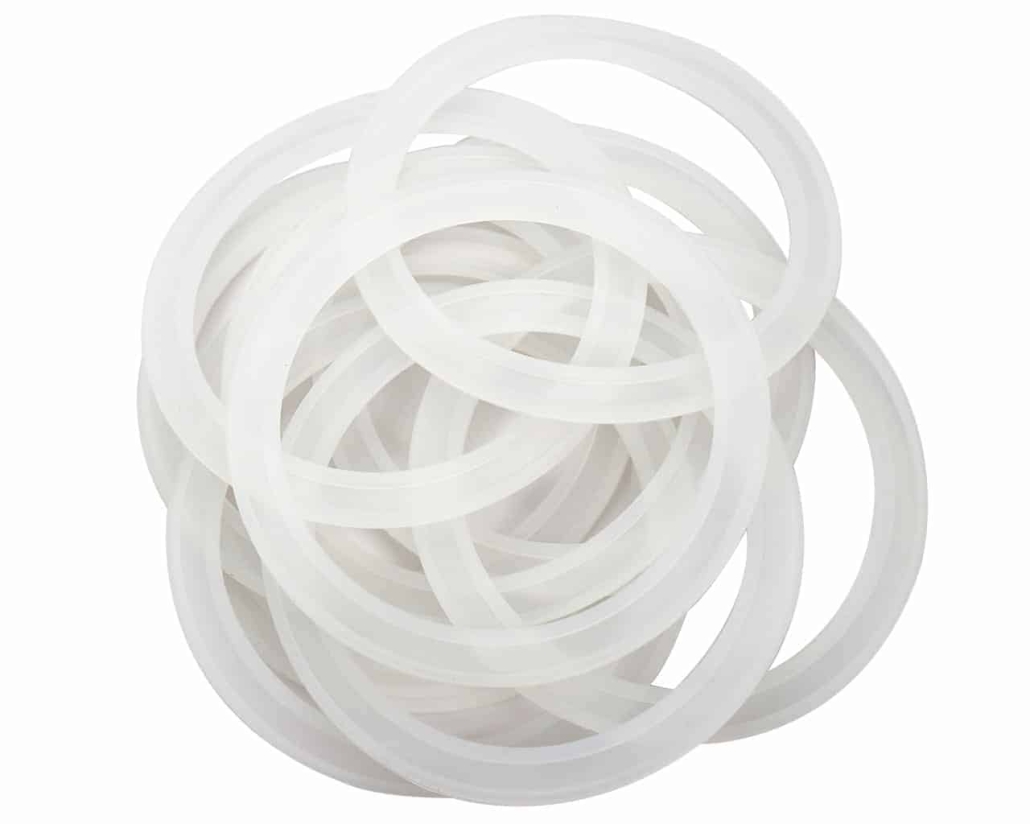
2. Lid: Press-on design with silicone gasket seal
Coffee beans absorb oxygen quickly, and exposure to air reduces their freshness from six months to four weeks. Tsing’s lid features a silicone gasket that creates a tight seal when pressed, reducing oxygen exposure by 95%. The press-on design makes it easy for customers to open while maintaining a seal during shipping.

Testing proves this: We sealed coffee beans in Tsing’s 250g cans and competitors’ cans without gaskets. After four months, the Tsing cans retained 85% of the beans’ original aroma, while the competitor’s cans retained only 40%.

3. Liner: BPA-free epoxy coating
The liner of the 250g can prevents the tinplate from reacting with acidic coffee oils. Tsing uses a BPA-free epoxy coating certified by the U.S. Food and Drug Administration (FDA) (21 CFR Part 175) and EU Regulation (EC) No. 10/2011, making it safe for both coffee beans and consumers.

Balancing Customization with Mass Production Efficiency

Many roasters want 250g coffee tins that reflect their brand, but custom designs can slow down mass orders. Tsing addresses this issue by balancing customization with efficiency. First, we use FDA-approved, full-color inks to print logos, coffee bean origin stories, or holiday themes. We also offer a choice of matte or glossy finishes. Furthermore, our minimum order quantity is 6,000 pieces, meeting the large-volume needs of medium and large roasters. If you require customization, please get in touch with us in advance and allow ample time for consultation. Furthermore, we have over eight production lines with a monthly production capacity of 8 million metal cans, 30% faster than the industry average.

A Midwestern roaster took full advantage of this: they ordered 6,500 custom 250g square coffee tins, emblazoned with the roaster’s logo and the phrase “sustainably sourced,” and they were delivered within 45 days.

Balancing Customization with Mass Production Efficiency

Effectively Addressing Roasters’ Pain Points

Even the perfect shape and specifications can fail if the manufacturing process is inconsistent. Tsing’s process addresses three major pain points with bulk 250g coffee tins. The first is denting. For bulk orders, we use automated packaging and five-wall corrugated cartons with dividers. This reduces denting to 2%. Next is lid leaks. Each 250g coffee tin undergoes a pressure test, where we inject air into the sealed can and then immerse it in water. If bubbles appear, indicating a leak, we recheck and rework. Finally, dimensional inconsistency. Our molds maintain a tolerance of ±0.1mm across all dimensions, ensuring perfect placement and stacking on retail shelves.

Choose the Right Shape and Size

For 250g coffee tins, the right shape and size can transform packaging into an advantage: round tins enhance retail appeal, square cans save storage space, and rectangular cans shine in gift sets. Essential specifications like 0.23mm tinplate, gasket-sealed lids, and BPA-free liners ensure coffee quality and customer trust. As a wholesale coffee tin supplier, Tsing transforms these options into stable, cost-effective bulk orders, allowing you to focus on what you do best: roasting high-quality coffee.

Wholesale Candle Tins Supplier 1

Wholesale candle tins supplier: Precision-matched lid fits and tolerances

Common defects associated with candle tin lids include loose lids that fall off during shipping, tight lids that break when opened by customers, and misaligned lids that leave gaps. For any brand selling 100,000 wholesale candle tins annually, a 7% defect rate means 7,000 units wasted and tens of thousands of dollars in material and labor costs. As a wholesale candle tins supplier, Tsing has seen these costs put brands in a difficult position and erode trust in major brands. The root cause? Most wholesale candle tins supplier fail to consider lid fit, using vague tolerances that lead to inconsistent products. Tsing, on the other hand, focuses on precision at every stage of production, ensuring our wholesale candle tin lids fit so perfectly that customers barely notice the “gap” between the lid and the tin.

Why is a precise lid fit and tolerance so crucial to your brand?

For candle brands, the lid is more than just the “top” of the tin; it’s a critical component to the product’s functionality and perceived quality. A poorly fitting lid from a wholesale candle tin supplier can directly impact customer experience for the following reasons:

Consumer Trust: Loose lids can lead customers to believe your product is “cheap” or poorly made—according to an NCA survey, 43% of shoppers would return a candle with a faulty lid. Conversely, tightly aligned lids convey care and quality.

Product Protection: Misaligned lids can allow dust, moisture, or insects to enter the candle tin, damaging the candle, especially soy or beeswax candles, which absorb odors. We once worked with a brand that experienced mold on 12% of its candles because their previous supplier’s lids had a 0.5mm gap.

Transport Durability: Loose lids can rattle during shipping, scratch the exterior of the candle tin, or damage labels. This can force you to add additional packaging, increasing costs.

Thus, tolerance is key. Most wholesale candle tin suppliers maintain a ±0.3mm tolerance on the lid and tin diameters, which is enough to create visible gaps or narrow areas. Tisng adheres to a strict tolerance of ±0.1mm, so small it’s barely noticeable to the naked eye.

Tsing’s Tolerance Standards as a Wholesale Candle Tins Supplier

To understand Tsing’s advantages over other wholesale candle tins supplier, first understand the industry-standard lid fit:

Diameter Tolerance: Both the tin lip and lid rim are ±0.1mm. For a standard 8-ounce candle tin, this means the lid width cannot exceed 65.1mm or be less than 64.9mm to ensure a snug fit.

Height Alignment: When closed, the lid rim is precisely aligned with the tin top by 0.2mm, eliminating any “wobble” or unevenness. This prevents the lid from tilting to one side.

Sealing Pressure: When the lid is closed, it applies 5-7 psi of pressure, which is sufficient to keep moisture out but allows customers to open it easily.

How does Tsing achieve this? We utilize two key tools that most wholesale candle tin suppliers overlook: First, our lid and jar molds are CNC machine-cut to an accuracy of ±0.1mm, far exceeding manual machining. During production, we laser scan every 100 units to check diameter, alignment, and sealing pressure. If the deviation is as little as 0.1mm for each unit, we immediately adjust the mold.

For example, when producing 4-ounce wholesale candle tins for a boutique brand, our laser system detected a 0.12mm discrepancy in lid diameter after 500 units. We recalibrated the mold, and the following 10,000 units were flawless, with no returns.

Tsing's Tolerance Standards as a Wholesale Candle Tins Supplier

Manufacturing Processes Expected from a Wholesale Candle Tins Supplier

To ensure optimal precision, Tsing is integrated into the production process for wholesale candle tins. Here’s the step-by-step process we use to provide a consistent lid fit:

Step 1: 3D Design and Mold Engineering

We first create 3D models of the tin and lid and test their fit in digital simulations. This allows us to identify potential fit issues, such as excessively thick lid rims, before we even start molding.

Step 2: Material Control, Using Food-Grade Tinplate
We source 0.23mm thick food-grade tinplate for the tin bodies and lids. Material warping is the primary cause of lid failure. Even a precision lid won’t fit if the jar opening is slightly oval. Our material inspectors check the flatness and thickness of each batch.

Step 3: CNC Production and Real-Time Inspection
Our production line uses CNC presses to form tin cans and lids. Each machine has built-in sensors that measure the diameter of each product during production. If the tin opening is 65.11mm, the machine automatically pauses to prevent defective products from moving to the next step.

Step 4: Manual Fit Testing (Per Batch)
Before shipping, our quality team manually tests 1% of each order by opening and closing the lids to ensure durability.

Through these production processes and steps, we ensure that every lid on your wholesale candle tin arrives perfectly fitted.

Manufacturing Processes Expected from a Wholesale Candle Tins Supplier

How does Tsing’s precision solution mitigate the risk of brand defects?

While numbers speak for themselves, actual production results are even more critical. A client we previously worked with switched to Tsing after experiencing lid-fitting issues with their candle jars after ordering from another wholesale candle tins supplier.

This client is a mid-sized US candle brand that wholesales 150,000 candle tins annually (in both 8-ounce and 12-ounce sizes).

The previous supplier’s issue: a defect rate as high as 8% due to loose and misaligned lids. They spent $36,000 annually on replacements and lost 10% of their retail customers due to quality complaints.

Tsing’s solution: We produced the tins to a tolerance of ±0.1 mm, added laser measurement inspections, and performed leak testing.

The result was a 0.5% defect rate, saving $34,500 annually. Retail customers returned, and customer reviews mentioning “perfect lid fit” increased by 28%.

How do you audit a supplier’s lid-fitting accuracy?

Not all wholesale candle tin suppliers claiming “accuracy” actually deliver. To avoid costly mistakes, ask yourself these four questions before working with a supplier:

What is your tolerance for the candle tin lid and body diameter? Avoid suppliers who claim “we meet industry standards” and insist on a specific number (e.g., ±0.1mm). Do you use CNC tooling and laser measurement? Can you provide defect rate data for the cap fit? A reputable supplier will share recent batch data. Are caps tested for leaks, durability, and stacking?

Tsing, as a tin can manufacturer, openly answers these questions. We share our tolerance specifications, offer virtual tours of our CNC and laser equipment, provide defect rate reports, and send sample tins so you can test cap fit in person.

Guaranteed precision in every batch of candle tins

For candle brands, choosing a wholesale candle tin supplier isn’t just about price; it’s about avoiding the hidden costs of mismatched lids: wasted material, lost sales, and damaged reputation. Tsing’s focus on precision-fit lids (±0.1mm tolerance), CNC manufacturing, and rigorous testing ensures your wholesale candle jars are ready to sell, with zero defects and zero hassles.

Food-grade custom tin cans 1

Food-grade custom tin cans: Choose BPA-free coatings and food-grade inks

Many customers check for “BPA-free” or “food-safe” claims on canned goods before purchasing them. This behavior is even more telling: consumers report that if they learn a brand’s custom tin cans use non-food-grade materials, they will stop buying them due to concerns about chemicals leaching into the contents. As a tin can manufacturer, we understand how this concern can influence purchasing decisions, especially for brands that position their custom tins as “giftable” or “reusable.” Tisng’s food-grade custom tin cans feature two non-negotiable safety features: a BPA-free interior coating and food-safe printing inks certified to global standards such as the US FDA and UK LSGB.

Why is a BPA-free coating essential for food-grade custom tin cans?

First, let us explain why BPA is a significant concern in custom tin cans and why Tisng’s food-grade custom tin can are completely BPA-free. Studies have shown that BPA, a chemical once common in plastic and metal coatings, can pose potential health risks by leaching into food or beverages, especially when they are exposed to heat or acid. For custom tin cans, the inner coating acts as a barrier between the tinplate metal and the product. Without a safe coating, the metal itself could react with the contents or release trace amounts of metals. Tsing’s food-grade custom tinplate cans feature a BPA-free epoxy phenolic coating, specially formulated to create a durable, non-reactive barrier. This provides your brand with:

No chemical leaching: The coating will not transfer BPA or other harmful substances to your product, even when the can is stored in a warm environment or contains slightly acidic contents.

Protecting the metal and contents: The coating prevents rusting and blocks the contents from reacting with the metal.

Compliant with Global Standards: Our BPA-free coating complies with FDA 21 CFR Part 175 (US) and EU Regulation (EC) No. 10/2011, which is crucial for customers in North America or Europe.

Why is a BPA-free coating essential for food-grade custom cans

Food-safe inks are FDA and LSGB-certified

Printing on custom tins is not just for aesthetics; using non-food-grade inks can pose a safety risk. Even if the tins contain non-food products (such as candles), consumers often reuse them for food (for example, placing cookies in a decorative candle tin). This means that ink from the inside and outside of the tins could potentially transfer to food—hence, all Tisng food-grade custom tins must use food-safe inks.

Tisng utilizes solvent-free food-safe printing inks certified to two stringent standards:

FDA Title 21 CFR Part 176: Ensures that inks contain no harmful substances that could migrate into food, even when the tins are exposed to heat or humidity.

LSGB: A global benchmark for food contact materials, requiring inks to pass rigorous migration testing.

In addition to safety, these inks offer two key advantages:

Vibrant, long-lasting colors: They will not fade due to sunlight or hand contact, so your custom designs stay legible for months.

No odor: Unlike solvent-based inks, our food-safe inks are odorless, which is crucial for scented products like candles or gourmet snacks, where odors can ruin the experience.

One bakery client uses Tsing’s food-grade custom tins to package their cookie gift sets and prints their logo with our FDA-approved inks. They report that 82% of surveyed customers reuse these tins for baked goods, bolstering the brand’s reputation for sustainability.

Food-safe inks are FDA and LSGB certified

Tsing’s quality control processes ensure consistency in every batch.

Food safety isn’t just a one-time check; it requires rigorous quality control (QC) at every stage of production. Tsing’s custom tin cans undergo five key quality control steps to ensure the proper use of BPA-free coatings and food-safe inks:

Raw Material Inspection: We test each batch of coating and ink for BPA content and compliance before it enters our factory, and we reject any material that does not meet FDA/LSGB standards.

Coating Thickness Inspection: The BPA-free inner coating must be 12-15 microns thick. We use a laser thickness gauge to verify this thickness on 10% of the tins in each batch.

Ink Adhesion Testing: We wipe the printed tins with a damp cloth to ensure the ink does not flake, which is crucial to prevent ink from staining hands or food.

Final Visual Inspection: Each can is inspected for coating defects and ink smears before shipment. Only tins that pass 100% of the inspection are shipped.

This process ensures consistency, so every customer who orders food-grade custom tin cans from us can be confident that the last can in the batch is as safe as the first. As one customer put it, “We don’t have time to test every jar, and we need to be sure Tisng’s quality control supports us. Their reports give us peace of mind.”

custom tin can manufacturer 1-2

Who Benefits Most from BPA-Free Coatings and Food-Safe Inks?

While all brands can benefit from food-safe custom can tins, there are specific situations where BPA-free coatings and food-safe inks are crucial. Here are some key industries and applications for Tisng’s food-grade custom can tins:

Edible Product Brands: Bakeries, confectioners, tea/coffee companies, and spice brands—anyone whose tins come into direct contact with food. Our BPA-free coating prevents odors, and our food-safe inks eliminate the risk of transfer.

Gift Set Brands: Brands that pair non-edible products with food or market their tins as “reusable for food.” Consumers expect these tins to be safe for storage.

Eco-Friendly Brands: Reusable tins are key to sustainability, but only if they can be safely reused. Tisng’s food-grade custom tins allow brands to achieve “zero waste” marketing without compromising safety.

A Canadian maple syrup brand uses food-grade custom tins from Tisng for its 8-ounce gift tins. The BPA-free coating prevents the syrup from reacting with the tin, while the FDA/LSGB-compliant inks enable seamless sales in Canada and the US.

How can you verify a supplier’s food safety claims?

Not all suppliers claiming “food-grade custom tin cans” actually use BPA-free coatings or certified inks. As a brand, you need to know how to ask the right questions to mitigate risks. Tisng recommends verifying the following information with any supplier:

Request certification documents: Request copies of FDA 21 CFR Part 175 and LSGB certificates for coatings and inks. Tisng provides these documents upfront and will not falsify them.

Request migration test reports: Independent laboratory reports verify that no chemicals leach out of the jars. Avoid suppliers who say, “We don’t have reports” or “Our materials may meet the requirements.”

Ask about quality control processes: Suppliers with robust quality control systems, such as Tsing’s five-step process, are more likely to provide consistent safety. Avoid suppliers who can’t explain how they check for BPA or ink compliance.

Tsing makes this easy. When you order large quantities of our custom food-grade tin cans, we provide samples and include copies of all certification documents for testing and verification. Please ensure you review these documents before placing your order.

Safety builds brand trust

At Tsing, our custom food-grade tin cans feature a BPA-free coating and FDA/LSGB-certified inks. These not only meet regulatory standards but also meet the high expectations of today’s consumers, supporting brands with transparency and safety. Whether you are selling gourmet snacks, gift candles, or artisanal teas, these features ensure your custom tins protect your products, your customers, and your brand.

4oz candle tins wholesale 1(1)

4oz candle tins wholesale: average 45-day delivery, bulk purchase discounts

Many customers seeking to place large orders for 4oz candle tins wholesale cite delays in bulk orders as their biggest challenge. Worse still, suppliers missing delivery deadlines by more than 30 days can lead to lost seasonal sales or retail partnerships. Even when orders arrive on time, a significant number of customers report that bulk pricing for these candle tins doesn’t reflect the volume of their orders, impacting profits. At Tisng, we address the pain points associated with high-volume orders. With over 2,500 molds and eight dedicated production lines, we have a monthly production capacity of up to 8 million metal tins, an average lead time of 45 days, and generous volume discounts for large orders.

4oz candle tins wholesale: This size is the most versatile for candle makers.

4oz candle tins strike a perfect balance: they’re compact enough to use as end caps, gift baskets, or travel accessories, while holding 3-3.5 ounces of wax, sufficient for a 20-25 hour burn. This versatility makes them a popular choice for making soy or beeswax candles and for major brands supplying large department stores. For example, a boutique candle brand might use 4-ounce jars for their “mini scent sample” sets, while a global brand might use them for seasonal limited-edition releases. At Tsing, when you’re looking for 4oz candle tins wholesale in large quantities, we offer a wide variety of standard designs and custom options to ensure your tins match your brand’s aesthetic. When you order 4-ounce jars in bulk, you’re not just buying packaging; you’re investing in a size that drives sales.

This size is the most versatile for candle makers

4oz Candle Tin Wholesale: Tisng’s 45-Day Average Delivery

The industry average for 4 oz candle tin wholesale orders is 60-90 days, but Tisng reduces this to 45 days, enough to avoid missing critical seasonal deadlines.

8 Dedicated Production Lines: Tsing has eight dedicated tin production lines optimized for metal tin forming, coating, and lid assembly. This means we can begin production on your 4-ounce order within 48 hours of order confirmation, eliminating the need to wait for other projects to complete.

Monthly Capacity of 8 Million: Our factory produces 8 million metal tins monthly, so even large orders for candle tins don’t strain our production.

Streamlined Logistics: We partner with national carriers to secure dedicated shipping slots, avoiding delays caused by overbooking.

We worked with a US candle manufacturer, who ordered 12,000 4oz matte black tins for their holiday collection. After confirming the deal, we began production within two days, completed quality inspections within 38 days, and shipped them three days ahead of schedule.

Tisng's 45-Day Average Delivery

Tiered Bulk Discounts to Reduce Costs

High prices shouldn’t deter you from placing bulk orders—Tisng’s 4oz candle tins wholesale program offers tiered discounts to reward larger orders. Our pricing structure is transparent and straightforward (contact our staff for detailed offers).

A Middle Eastern customer saved thousands of dollars on an order of 15,000 4oz metal gold tins, reinvesting the savings in high-end aromatherapy oils to enhance the value of their products. Unlike suppliers who require orders of 50,000 or more to receive deep discounts, our minimum order quantity is 6,000, making it ideal for growing manufacturers who are ready to scale but haven’t yet placed large orders.

Tisng’s production capacity ensures no shortages for large orders

One of the biggest concerns with bulk candle tin orders is hearing, “We can’t fulfill your order on time.” Tisng eliminates this risk with its high-volume production capabilities and configurations:

2,500+ molds: We have a variety of standard molds for 4oz tins (with varying diameters, heights, and lid styles), and we can customize molds to suit your brand (minimum order of 20,000).

Backup production equipment: We have backup machines for each production line. If one line requires maintenance, your order can be immediately transferred to another without delay.

Raw material inventory: We have a three-month supply of food-grade tinplate so that supply chain gaps won’t delay your order.

Tisng's production capacity ensures no shortages for large orders

Bulk Purchasing, Quality Assurance

These large-volume orders don’t mean we relax our quality control. Tisng holds each batch of tin cans to stringent standards:

Material Inspection: We use food-grade tinplate with a thickness of 0.23mm (compliant with FDA guidelines and safe for candles) to prevent dents or warping during shipping.

Dimensional Inspection: Each batch is sampled to verify the 4oz capacity, the tightness of the lid, and the dimensional consistency.

Surface Finish Testing: We also inspect for scratches, coating defects, or color unevenness to ensure your tins look professional on the shelf.

We also provide a Certificate of Conformity (CoC) with every bulk candle tin order to confirm compliance with US safety standards. A natural candle customer recently requested a random sampling of 10,000 candle tins from their order, and 99.8% met their quality standards, well above our target of 95%. This consistency means your candles will always look their best, whether you’re selling 100 candle tins at a craft fair or 10,000 at a national retailer.

Your scalable, effortless tin can partner

For candle manufacturers needing over 6,000 4oz candle tins, Tisng’s solutions address your most significant pain points: a 45-day lead time, industry-beating delays, tiered discounts to reduce costs, and a monthly production capacity of 8 million units to ensure you never miss deadlines. Whether you’re expanding your retail business or launching a new product line for a major brand, Tsing is your reliable candle wholesale supplier, thanks to our extensive mold inventory, rigorous quality inspections, and transparent pricing.