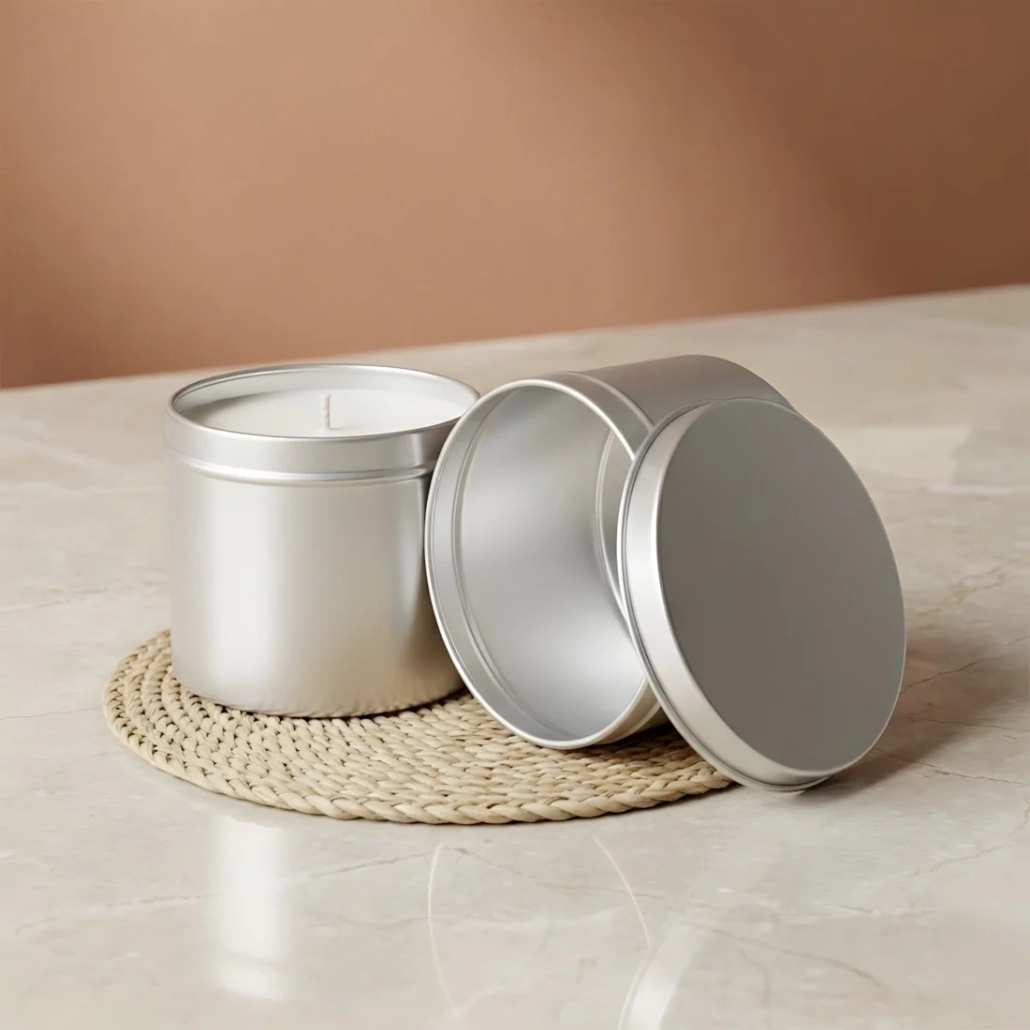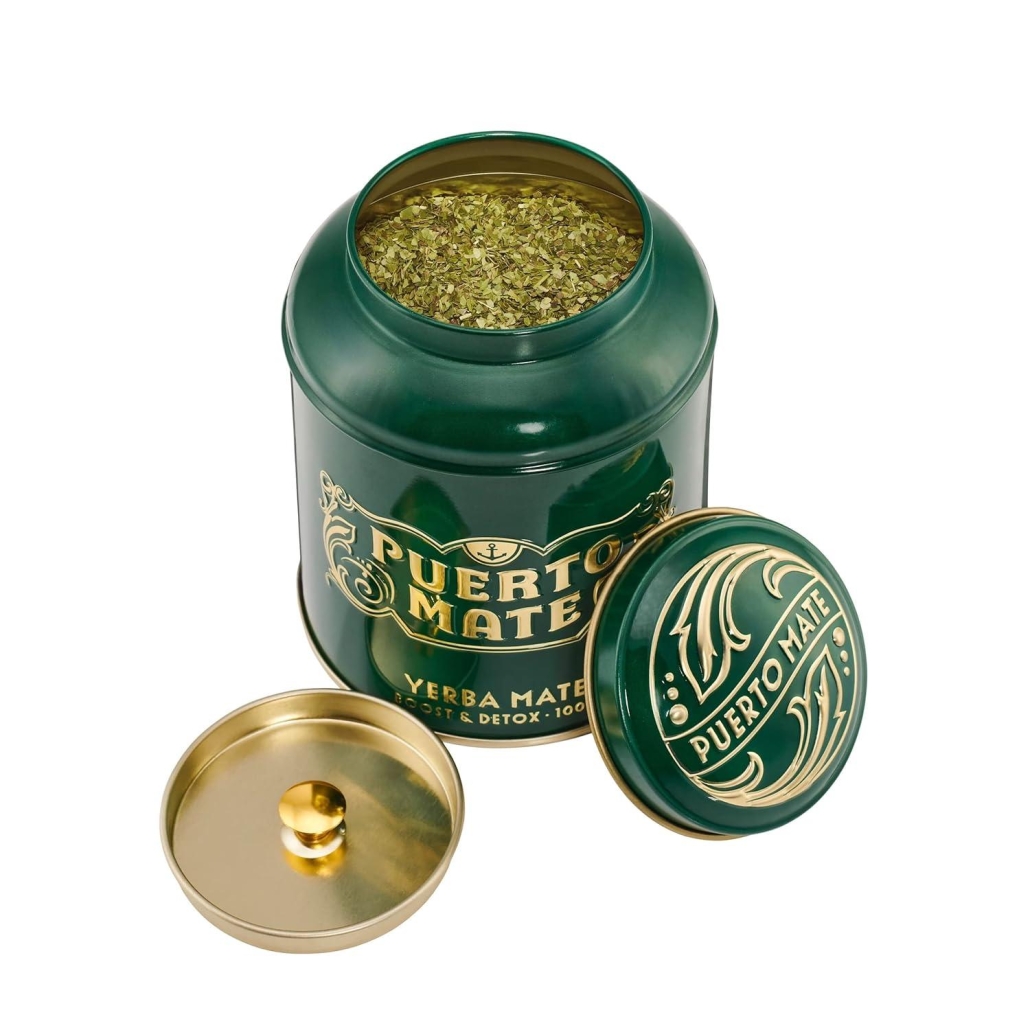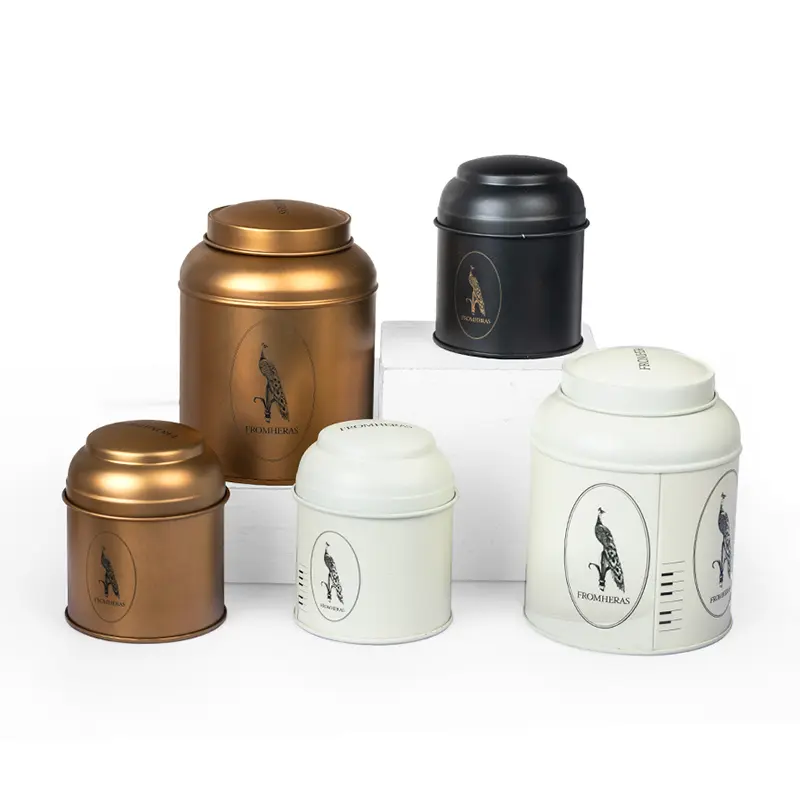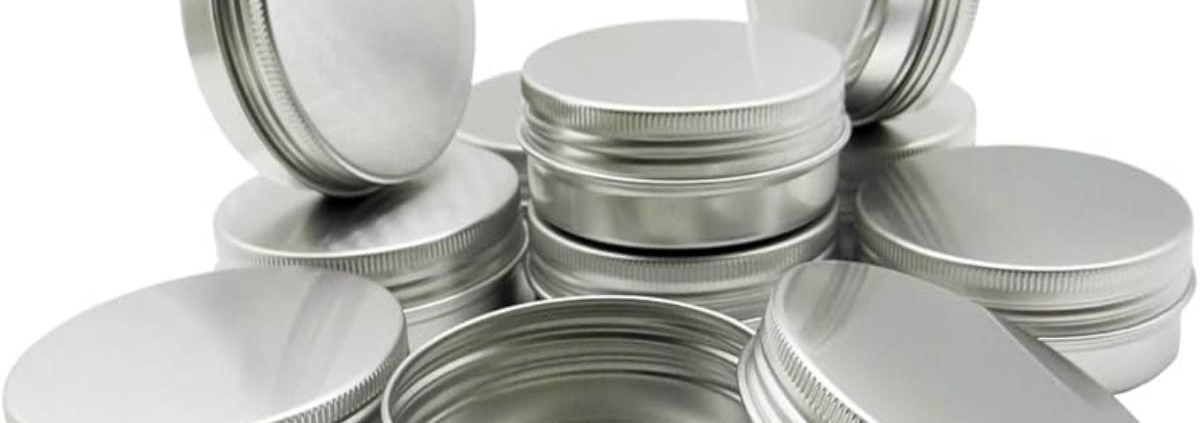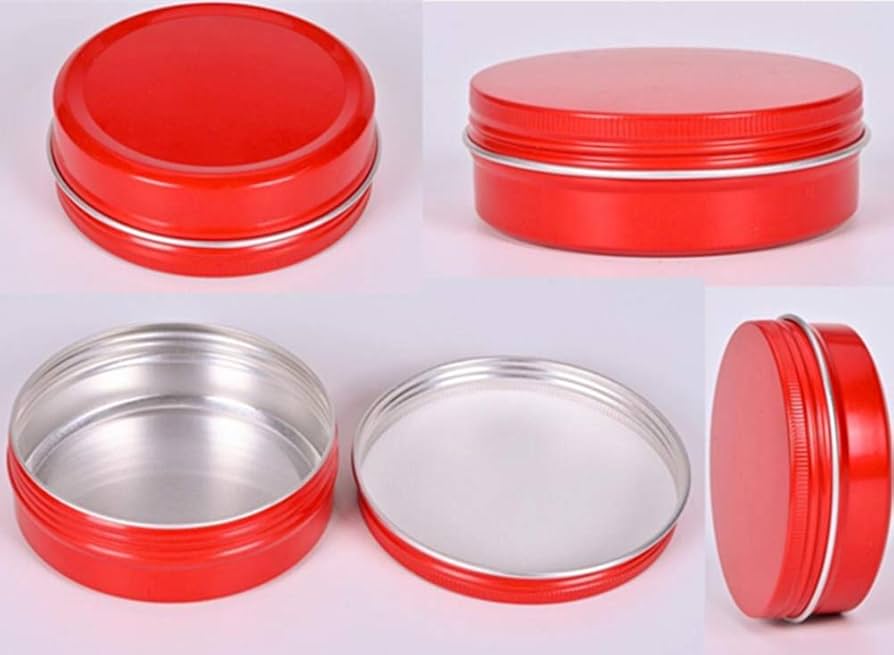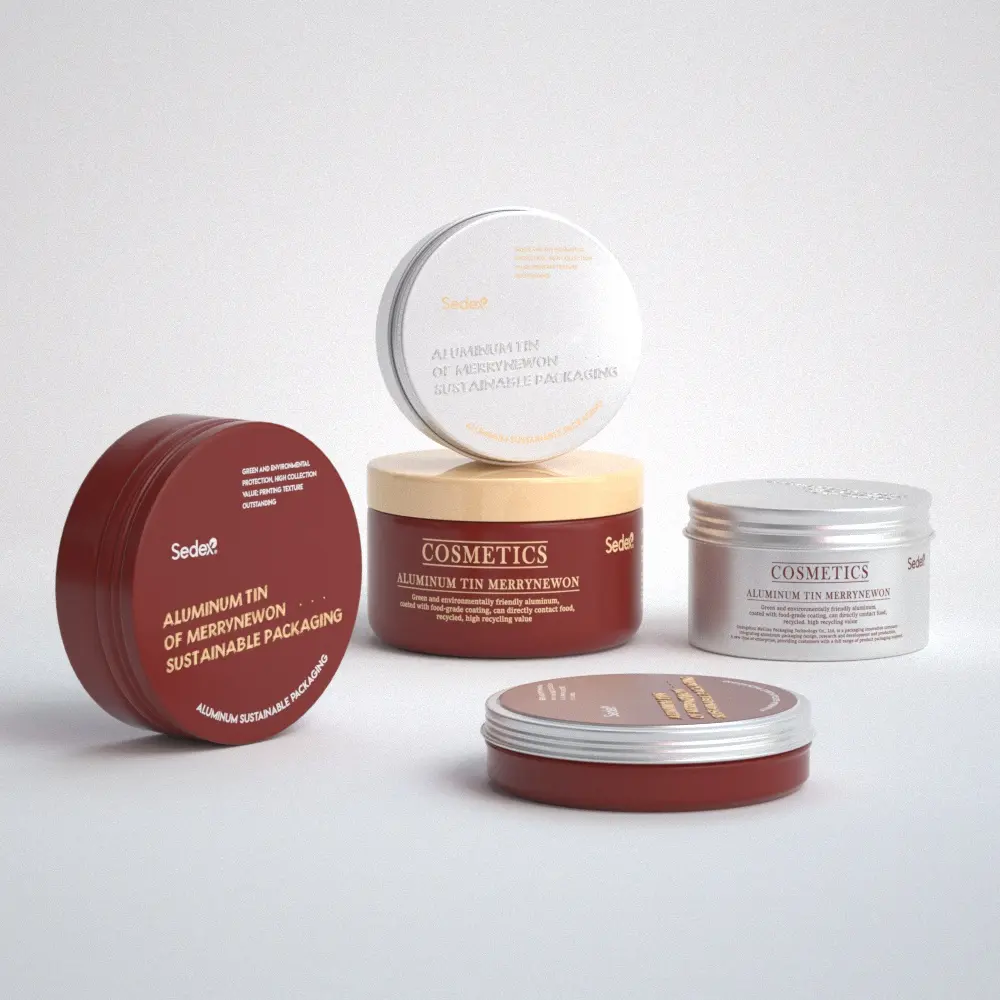
Bulk Tin Cans Supplier 1-2(1)

How to Verify Production Capacity of a Bulk Tin Cans Supplier?

When ordering bulk tin cans, in addition to the quality of the cans themselves, it’s crucial to ensure the supplier can meet your required quantity and quality within the specified timeframe. A reliable bulk tin can supplier is more than just a source of cans; they are a partner in your supply chain, ensuring efficient and consistent product packaging. So, how can you determine if your tin can supplier can genuinely meet the demands of large-scale orders? You can assess them from monthly output and production line capacity to quality control and delivery cycles. We’ll also tell you what capabilities a suitable bulk tin can supplier should possess.

The Importance of Bulk Tin Can Supplier Production Capacity

When ordering bulk tin cans, a supplier’s production capacity directly impacts the timeliness, cost-effectiveness, and quality of your order. Insufficient production capacity leads to delays, decreased tin can quality, and ultimately disrupts your supply chain. Therefore, verifying a bulk tin can supplier’s production capacity is not just a precaution; it is essential.

Why is capacity so important? First, to ensure large-volume demand, suppliers with limited capacity may struggle to meet the needs of large orders. Suppliers with strong capacity, on the other hand, can easily handle large orders, ensuring you don’t encounter stockouts or delays. Secondly, it can shorten delivery time. Suppliers with higher production capacity can shorten delivery times, ensuring on-time delivery of your orders even during peak demand periods. Thirdly, it can provide consistent product quality. Larger, well-equipped suppliers are more likely to maintain consistent production quality, which is crucial for bulk tin can orders.

The Importance of Bulk Tin Can Supplier Production Capacity

How to Assess the Production Capacity of a Bulk Tin Can Supplier?

One key indicator of bulk tin cans supplier’s production capacity is monthly output. For example, Tsing’s monthly output is 8 million cans, reflecting its ability to handle large orders without compromising quality or delivery time. However, how do you verify this output and determine if it meets your needs?

How to Verify Monthly Output:

Request Production Data: Request historical production data from your tin can supplier for the past 6-12 months. This will help you understand their actual capacity, production fluctuations, and their ability to handle large orders consistently.

Production Planning: Suppliers should provide detailed production plans, outlining their monthly output and delivery schedules. This helps you understand whether they can meet your order deadlines.

Large Order Records: Inquire about the supplier’s past successful large orders. This demonstrates their ability to meet your needs based on past performance.

On-site Visit or Audit: If possible, arrange a visit to the supplier’s production facility. This will allow you to observe their equipment and staff, providing a better understanding of their actual production capacity.

By verifying the monthly output of bulk tin can suppliers, you can ensure they have sufficient capacity to meet your needs without delays or quality issues.

How to Assess the Production Capacity of a Bulk Tin Can Supplier

Assessing the Supplier’s Production Capacity

The number of production lines operated by the bulk tin cans supplier is crucial to their ability to fulfill large-volume orders. Suppliers with more production lines are generally better able to handle large-volume orders and maintain consistent product quality.

Multiple production lines mean greater production flexibility, as suppliers can allocate lines to different types of tin cans or production schedules, ensuring you don’t experience delays or interruptions. Furthermore, when multiple production lines are operating simultaneously, suppliers can minimize downtime risk. If one production line experiences a problem, others can continue production, ensuring your order is unaffected. Simultaneously, faster turnaround times are possible; more production lines increase capacity, enabling more rapid completion of large-volume orders. Tsing, as a bulk tin can supplier, typically offers faster lead times and can meet tight deadlines by having suppliers with 8 or more production lines.

Assessing the Supplier's Production Capacity

Ensuring Production Lines Equipped to Meet High-Volume Production Needs

While the number of production lines is important, the actual equipment used on those lines is equally crucial. Advanced, well-maintained machinery is essential for efficient, stable production of bulk tin cans. Therefore, when selecting a bulk tin can supplier, please inquire about the machinery specifications used in their production lines. First and foremost is automation capability; automated machinery in the workshop helps improve production efficiency and accuracy. These automation systems reduce the risk of errors, speed up production, and ensure consistent quality.

Additionally, inquire about each machine’s capacity and how many tin cans it can produce per hour or per day. This helps determine how quickly a supplier can meet the demands of large orders. Tsing, as a professional tin can manufacturer, possesses a Japanese Fuji P453 tinplate printing machine and fully automated production lines, ensuring high efficiency and high-quality products.

Ensuring Consistency in Bulk Tin Can Production

Consistent quality is paramount for any large-volume tin can order. High production volume should not come at the expense of quality. A large-volume tin can supplier with a robust quality control system will ensure that every can produced meets your standards.

How to verify a tin can supplier’s quality control:

Request quality certifications: Request certifications such as ISO 9001 to demonstrate the supplier’s commitment to maintaining high-quality standards throughout the production process.

Understand the testing process: Inquire about the supplier’s testing procedures for each batch of bulk tin cans. This includes checking for consistency in dimensions, surface finish, and overall can quality.

Inspect product samples: Request samples from previous orders from the supplier to assess the quality of the cans. This helps you determine if the supplier meets your specific requirements.

Confirm that the bulk tin can supplier has a robust quality control system to ensure that your bulk tin can orders meet the necessary standards in terms of performance and appearance.

Verify the tin can supplier’s production capacity

Verifying the bulk tin can supplier’s production capacity is crucial, as it ensures that your bulk tin can orders meet both quality and quantity requirements. By evaluating a supplier’s monthly output, number of production lines in operation, machine performance, and quality control measures, you can ensure your orders are completed efficiently and with high quality. Choosing a mature supplier like Tsing, with a monthly capacity of up to 8 million cans and more than 8 production lines, provides the reliability and scalability your business needs.

custom printed coffee tins 2

How to solve the problem of low print durability in custom printed coffee tins?

Customers may scratch the coffee tins when placing them on shelves, or sunlight and humidity can cause the labels to fade within weeks. This discrepancy is reflected directly in the initial visual impact compared to the product’s long-term appearance. At Tsing, we have worked with numerous companies to produce thousands of custom printed coffee tins. We understand that print durability is not a single problem, nor does a single solution solve it. Instead, durability is a system property: it depends on material selection, printing technology, surface treatment, curing, mechanical design, and handling during actual use. If you want your custom coffee tins to remain aesthetically pleasing throughout shipping, display, and daily use, you must consider print durability as a carefully designed outcome, not just a benefit.

Reasons for Print Durability Failure in Custom Printed Coffee Tins

Poor print durability in custom coffee tins typically stems from one or more of the following root causes:

Incompatible Substrate or Coating: Coffee tins are often made of tinplate and coated with varnish or powder coating. If the chosen ink system cannot chemically or mechanically bond with this surface, peeling and flaking are likely to occur.

Improper Surface Preparation: Oil, residue, or uneven primer can hinder uniform adhesion. Even tiny contaminants can create weak points, leading to localized scratching.

Insufficient Curing or Crosslinking: Many inks require a controlled curing step. Insufficient curing results in a soft, easily abraded ink film.

Mechanical Stress Concentration: Edges, seams, can lid rings, and embossed areas concentrate friction. Printing in these areas without protection can easily lead to localized wear.

Environmental Exposure: High humidity, salt spray, grease, and UV light can accelerate the degradation of certain inks. If the packaging lacks UV protection and you sell your products in brightly lit store environments or hot climates, the print lifespan will be shortened.

Utilizing Surface Treatment and Primer Coating for Scratch-Resistant Ink Application

If adhesion is half the battle, then surface treatment is the first step in producing a custom printed coffee tin. Proper surface treatment maximizes the chemical bonding between the substrate and the protective ink/varnish layer. During the printing process, we use degreasing baths or controlled solvent wiping to remove grease, fingerprints, and flux residues. For tin-plated sheets, a mild alkaline cleaning followed by deionized water rinsing works well. Corona treatment may also be applied; these treatments increase surface energy and improve the wettability of inks and coatings. For metal substrates with powder coatings or pre-painted surfaces, targeted plasma treatment before printing can significantly improve adhesion, especially for water-based or UV-curing inks.

For primer selection, we choose epoxy or polyester-based primers. They typically have strong adhesion to metals and provide an ideal base for subsequent UV-curing or solvent-based topcoats. Primers can also smooth out microscopic roughness and prevent metal migration. A controlled baking step is then performed, as many primers require this to improve crosslinking and adhesion. We adhere to the temperature/time schedule after primer application to achieve optimal mechanical properties.

Utilizing Surface Treatment and Primer Coating for Scratch-Resistant Ink Application

Choosing Scratch-Resistant Inks for Custom Printed Coffee Tins

Not all inks are created equal. The chemical composition and printing method of the ink significantly affect scratch resistance, UV resistance, and chemical resistance. The following are the most common inks we use:

UV-curing inks: These inks polymerize rapidly under UV light, typically forming a hard, crosslinked film with excellent abrasion resistance. They are a fantastic choice and our most commonly used option when combined with the appropriate primer and substrate pretreatment. UV inks are more resistant to solvents and finger oils than many solvent-based ink systems.

Solvent-based inks: Traditionally used for metal decoration (offset printing, gravure printing). They can produce vibrant colors and can be used with durable varnishes, but their durability depends on the varnish or topcoat applied after printing.

Water-based inks: Environmentally friendly, but traditionally have poor abrasion resistance. Newer water-based systems have improved performance with the addition of crosslinkers and co-solvents, but typically still require a topcoat to achieve good scratch resistance on coffee tins. Common Printing Processes:

Offset Printing: High resolution, suitable for large-volume production. Using UV inks or solvent-based inks with a protective varnish extends lifespan.

Gravure Printing: Ideal for roll-to-roll printing and mass production; provides even ink coverage. Best used with a varnish or UV coating.

Digital/UV Inkjet: Excellent for variable designs. Modern UV inkjet printing uses UV-curing inks that offer excellent scratch resistance, but proper pretreatment is necessary to ensure adhesion to metal.

Scratch-Resistant Printing Recommendations for Coffee Tins:

Tsing recommends using UV-curing inks on tinplate with a suitable primer for the highest practical wear resistance. If using solvent-based inks, we would recommend a hard, cross-linking topcoat or a bake-cured varnish. We recommend using unmodified water-based inks unless you plan to use a protective coat.

Choosing Scratch-Resistant Inks for Custom Printed Coffee Tins

Protective Topcoats and Finishes: Varnishes, Lacquers, and Clear Coatings

Even the best inks require a protective coating. Topcoats enhance mechanical strength, provide UV protection, and act as a chemical barrier, thus preserving color and gloss.

Different Topcoat Options and Advantages:

UV-Curing Varnishes: Cure quickly, forming a hard, durable film. They are particularly compatible with UV inks and digital printing. You can choose from satin, matte, or gloss finishes. UV varnishes with added scratch-resistant additives create a surface resistant to friction and stacking.

Bake-Cured Lacquers: Commonly used for metal can decoration. Bake-cured lacquers undergo a cross-linking reaction during baking, forming a durable film. They typically have excellent edge chip resistance and feel robust and durable during mechanical handling.

Powder Coatings: If the design allows, powder coating the entire tin can in a single pass can achieve very high mechanical strength. However, printing on or embedding printed images into a powder coating requires modifying the process and using special inks, or performing a series of printing steps before the powder cures. Anti-fingerprint and oleophobic coatings: For high-end coffee cans, a thin oleophobic topcoat can reduce visible fingerprints and oil stains, maintaining the print quality. These coatings do not replace scratch resistance, but they can improve perceived durability.

Mechanical design and structural design can also extend print life.

Good printing processes must be combined with meticulous mechanical design. The shape and assembly method of coffee tins affect the durability of the print.

Therefore, in our design, we aim to avoid printing critical patterns in high-friction areas. Areas that come into contact with shelves, other cans, or hands, such as edges, bottom edges, or lid edges, are more prone to wear. Keep the main brand logo away from these areas, or reinforce them with an additional topcoat. Additionally, for lid and seam details, we consider slightly recessing critical printed panels or using raised edges to reduce friction on the printed surface. For embossing and debossing designs, if the embossing position is close to the printed area, we will increase the thickness of the local protective coating, or, if conditions permit, print after forming.

A practical, comprehensive approach to achieving lasting prints

Solving the problem of poor print durability in custom printed coffee tins is not a one-step process, but requires a series of coordinated choices and control measures. First, Tsing will conduct a precise diagnosis, performing adhesion and abrasion resistance tests to understand the failure modes. This is followed by proper surface treatment, selection of durable ink systems, use of appropriate topcoats, and finally, different mechanical designs. This ensures that your custom-printed coffee cans consistently meet your expectations from mass production to the consumer.

Embossed vs Printed Black Metal Tins

Embossed vs Printed Black Metal Tins: Durability & Aesthetic Comparison

Black metal tins are suitable for packaging a wide range of products, from high-end teas and coffees to candles and cosmetics. We’ve also noticed that clients are no longer simply asking whether they should use black metal tins, but rather how to design them to maximize durability and brand impact. The most common question we receive is: Should I choose embossed or printed black metal tins?

Embossing and printing represent two distinct design philosophies—one focusing on structural integrity and tactile longevity, the other on visual flexibility and graphic storytelling. Long-term packaging performance tests and customer feedback consistently show that the right choice can influence consumer perception of shelf life, brand recall, and even repurchase rates.

What are the differences between embossed and printed black metal tins?

Embossed black metal tins feature raised designs created by pressing tinplate between custom molds. This process uses high-pressure machinery to reshape the metal, creating a tactile, three-dimensional effect. For example, a brand logo embossed on a black tin will stand out from the surface, inviting customers to touch it. At Tsing, our embossing process uses precision CNC molds to ensure consistent embossing depth on every tin.

Printed black metal tins feature designs applied to the surface with ink. Standard printing methods for black tins include offset, screen, and digital printing. The black base color of the tin can serve as a background or canvas for the printed design. For example, a brand could print a gold logo on a matte-black tin or add full-color illustrations to a glossy-black surface. Unlike embossing, printed designs are superficial; they sit on the surface of the tin, rather than being part of the metal itself.

A key difference here lies in the initial customization flexibility. Printed black metal tins require design files but have minimal upfront tooling costs, making them easier for brands with limited budgets or tight deadlines. In contrast, embossed black metal tins require custom molds, which represent a larger initial investment but offer a unique tactile experience that printing cannot replicate.

What are the differences between embossed and printed black metal tins

Which type of black metal tin is more durable?

For brands choosing black metal tin for packaging, durability is a primary consideration, especially if the tins need to be transported, stored, or reused.

In terms of scratch resistance, embossed black metal tins have a distinct advantage. Because the embossed pattern is part of the metal itself, no ink or coating can scratch off. Even if scratches appear on the can’s surface, the embossed pattern remains intact. However, printed black metal cans are susceptible to damage from scratches. If the can rubs against other packaging during transport, or if the customer handles it roughly, the ink may peel or fade.

Wear and tear over time is also a similar consideration. Embossed black metal tins perform better in high-use scenarios. The raised pattern does not wear down with repeated use. In contrast, printed black cans are more prone to wear: frequent opening may cause the ink on the lid edges to fade, and oils from hands can smudge or discolor the printed design. In terms of weather resistance, such as moisture resistance or temperature variation tolerance, both options perform well because the black metal itself is waterproof, but printed tin requires extra care.

Aesthetic Comparison: Texture, Depth, and Brand Perception

The tactile feel is the most significant advantage of the embossed black metal tin. The raised pattern creates a sensory experience that printed tins cannot match. When customers pick it up, they feel the exquisite logo or pattern, reinforcing the brand’s premium positioning. This tactile element is particularly effective in a competitive market. Furthermore, embossed black tins cleverly utilize light and shadow: the light reflected from the raised areas contrasts with the flat black surface, adding depth and visual appeal and making the can stand out on the shelf.

On the other hand, printed black metal tin excels in design flexibility and color vibrancy. If your brand relies on complex graphics, gradients, or intricate illustrations, then printing is the better option. Brand perception varies by industry. Embossed black metal tin is generally associated with luxury and exquisite craftsmanship – making them ideal for cosmetics, premium chocolates, wine accessories, and high-end gifts. In contrast, printed black metal tin is typically considered stylish, modern, and versatile – perfect for brands in the casual skincare sector.

printed black metal tins

Which is better for your industry and application?

The “right” choice between embossed and printed black metal tin usually depends on your specific application. We will analyze which option is best suited for common industries and applications, drawing on our experience working with brands across various sectors.

Food and Beverages: For products requiring long-term storage (e.g., tea, coffee, or artisanal nuts) or frequent reuse, embossed black metal tins are the ideal choice. Its durability ensures the packaging remains intact during transportation and storage, while the tactile design encourages reuse. For products with a shorter shelf life, such as seasonal cookies or limited-edition snacks, printed black metal tin is more suitable—they allow for colorful, festive designs without the upfront mold costs.

Cosmetics and Skincare: High-end skincare and makeup brands often choose embossed black metal tins because their tactile feel reinforces a premium positioning. For example, a high-end lipstick brand might use an embossed black metal tin with the brand’s monogram to house the lipstick, creating a luxurious unboxing experience. For more affordable skincare lines or products that require frequent design updates, printed black metal tins are more practical, offering stylish, trendy designs at a lower cost.

Making the Final Choice

Choosing between embossed and printed black metal tins isn’t about which is “better,” but rather which is more suitable for your product, brand, and market strategy. Embossed black metal tins offer unparalleled durability, tactile appeal, and a premium positioning. Printed black metal tins offer creative freedom, flexibility, and rapid customization. At Tsing, we guide our clients to find the solution that best fits their business realities. By comprehensively evaluating durability expectations, aesthetic goals, brand strategy, and cost structure, you can transform black tins from simple containers into long-term brand packaging.

A tin can manufacturer offering 3D mold services(1)

Solving custom design discrepancies: A tin can manufacturer offering 3D mold services

For many brands that rely on custom tin cans, discrepancies between the final product and design expectations are common. For a craft beer brand envisioning a curved tin can with a matte metallic finish, or a gourmet cookie company requiring a precisely embossed logo, these discrepancies are not only frustrating but also a severe blow to brand credibility. It is in this context that we, as a professional tin can manufacturer, offer 3D mold design services as part of our custom tin can design process, directly addressing industry pain points and transforming vague 2D concepts into tangible, accurate prototypes, thereby eliminating discrepancies before mass production begins.

The impact of variations in custom designs on the tin can manufacturer

To solve the problem, it’s essential to understand its root cause – and discrepancies in custom tin can design are rarely accidental. Many tin can manufacturers still rely on outdated 2D design processes, creating inherent communication barriers among brands, designers, and production teams. A brand might submit a 2D sketch of a hexagonal tin can with a textured lid, but without a physical reference, the manufacturer’s team might misinterpret “texture” as a shallow texture instead of the deep embossing the brand intended.

Furthermore, traditional tin can manufacturers often skip the prototyping stage to reduce costs, moving directly from 2D files to mold manufacturing. This means brands only see the final product when it’s too late, after manufacturers have cast the molds and produced thousands of tin cans. Product discrepancies also stem from mismatched expectations regarding material properties. A brand might request a “lightweight yet durable” tin can for their tea products, but without a physical sample, they cannot anticipate how the material will perform during transportation or how it will interact with printing inks. If the tin can manufacturer doesn’t prioritize tactile verification, they often opt for cheaper, thicker materials, resulting in a bulky final product that doesn’t align with the brand image.

3D Mold Services – The Core Solution for Tin Can Manufacturer

The key to resolving design discrepancies lies in bridging the gap between vision and reality, and this is where Tsing’s 3D mold services as a tin can manufacturer come into play. Unlike traditional 2D workflows, 3D mold technology allows brands to see, touch, and test their custom tin cans before any production molds are made.

The most significant advantage of 3D mold services is their intuitiveness. A 3D model is not just a flat image; it’s a digital replica of the tin can that can be rotated, magnified, and even functionally tested. If a brand wants a tin can with a magnetic lid, we can create a 3D prototype that demonstrates how the lid closes, the magnet’s strength, and how it feels in a consumer’s hand. This level of detail eliminates guesswork: brands don’t have to argue whether the “rounded corners” are 2mm or 5mm; they can hold the prototype and confirm the exact dimensions. 3D mold services also enable collaborative iteration. Traditional tin can manufacturers often treat design as a one-way process—the brand submits files, and the manufacturer produces the cans. But with 3D technology, we can collaborate with brands to optimize the design in real time.

3D CAD Tin Can Mold Design

Seven-Step 3D Mold Making Process Eliminates Errors from the Source

As a professional tin can manufacturer, we have standardized our 3D mold-making process into seven straightforward steps to verify accuracy and ensure customer satisfaction.

Step 1: Custom Sample Images

We begin by transforming the brand’s ideas (sketches, logos, or even hand-drawn concepts) into high-resolution 2D sample images. These images are not simple drafts, but include precise color codes (Pantone or CMYK), logo placement, and material specifications.

Step 2: Mold Structure Diagram

Next, our engineering team creates a detailed mold structure diagram. This technical drawing shows the dimensions of the tin can (height, width, wall thickness), the location of seams and hinges, and the specifications of any special features.

Step 3: 3D Structure Image

Then, engineers use CAD software to convert the drawing into a 3D structural image. We share this digital model with the brand through a secure online portal, where they can rotate, pan, and zoom to examine every detail. We also add annotations to highlight potential design options.

Step 4: Mold Wire Cutting

Once the 3D image is approved, we use CNC machines to cut the physical mold blanks. This step ensures the mold’s shape matches the 3D model perfectly. Step 5: 3D Surface Treatment

The mold blank undergoes 3D surface treatment, including textures, embossing, or debossing, as required by the design. If the brand needs a logo with a 2mm debossing depth, we use 3D scanning technology to verify the consistency of the debossing depth across the entire mold surface.

Step 6: Mold Component Assembly

For tin boxes with moving parts, we assemble the mold components using the same materials as in production, such as hinges and magnets. This ensures that the prototype’s functionality matches that of the final product.

Step 7: Product Samples Before Mass Production

Finally, we produce 5-10 physical product samples using the 3D mold. The team sends these samples to the brand for final approval, allowing them to test functionality, check color accuracy, and even gather feedback from target customers. Only after the brand approves the samples do we proceed with mass production.

Seven-Step 3D Mold Making Process Eliminates Errors from the Source

How 3D Molds Enhance Brand Value?

As a tin can manufacturer, we measure our success by our clients’ success, and our 3D mold service has helped countless brands transform their packaging concepts into a competitive advantage. One successful case involves a high-end cookie brand targeting parents looking for “eco-friendly, reusable” packaging. They wanted a custom tin can that could serve as a children’s snack container with a leak-proof lid and removable dividers. Their previous manufacturer, using 2D files, produced cans with mismatched dividers and leaky lids. We created a 3D prototype, allowing them to test the fit of the dividers and the lid seal. After adjusting the divider dimensions in the 3D model, we produced samples that met all their requirements.

Full Control from Mold to Mass Production, Avoiding Rework

Addressing design discrepancies doesn’t stop at the prototype stage; it requires complete control from mold manufacturing to mass production. As a tin can manufacturer with our own production facilities, we maintain strict quality standards at every stage, ensuring the final product is identical to the approved sample.

Once the 3D prototype is approved, we use the same 3D model to guide mass production. Our production line is equipped with 3D scanners that inspect every tin can, checking dimensions, color accuracy, and functionality. At the same time, we place great emphasis on material consistency. A common reason for product variations is the change of materials during the production process to reduce costs. However, as a tin can manufacturer, all our materials come from certified suppliers, and we test each batch of tinplate for thickness, durability, and printability. During mass production, we provide our customers with the latest progress updates, including videos and sample cans from each batch. We will communicate any minor adjustments with the brand before implementation to ensure there are no surprises when we deliver the final order.

Why can Tsing’s 3D mold service solve customization discrepancies?

Among numerous tin can manufacturers, what are Tsing’s advantages? It lies in our integration of professional expertise, advanced technology, and a customer-centric philosophy. Our 3D mold service is supported by a team of 15 engineers and designers, each with at least 5 years of experience in custom packaging. They not only create 3D models but also deeply understand brands, consumer behavior, and production limitations, thus providing unique insights to make your custom tinplate cans more practical and appealing.

custom tin cans 2(3)

Solving the problem of limited customization options: A tin box manufacturer supporting full-range design

Many consumers say that “unique packaging” makes them more likely to buy a product. Still, many small and medium-sized enterprises struggle to find tin box manufacturers that can provide the customization services they need. Due to the ubiquitous use of generic tin boxes, each brand loses a portion of its customers on average. Tsing, as a tin box manufacturer with years of experience, offers comprehensive customization capabilities, providing end-to-end design solutions including size, shape, and surface treatment, at a cost far exceeding your expectations.

The Hidden Costs of Limited Custom Design Options

First, decreased brand awareness. Whether you’re selling delicious cookies or handmade candles, the tin can is your first impression. Generic silver or black tin boxes are buried on the shelf, making it impossible for customers to spot your brand. Second, missing out on market segments. Third, higher waste and costs. Generic metal cans rarely fit your product perfectly. Fourth, stifled product innovation. When tin can manufacturers only offer three sizes and two shapes, you’re forced to design products around the tin can, not the other way around. What’s the root of the problem? Most tin box manufacturers prioritize mass production over flexibility.

A Comprehensive Tin Box Manufacturer – From Size to Finish

As a tin box manufacturer specializing in comprehensive design, Tsing offers far more customization options than any other manufacturer. We don’t just offer “more colors,” we let you tailor every detail of your tin box to your brand, product, and target audience. Our process revolves around three core pillars: form, function, and appearance.

1. Form: Size and Shape – Fit Your Product

We offer 10 standard sizes, as well as an unlimited number of custom sizes accurate to 0.1 ounces. In terms of shape, Tsing offers classic shapes: round, square, and rectangular. Unique shapes: hexagonal, oval, heart, star, and even brand-specific shapes. Stackable and nestable: custom sizes for easy storage.

2. Function: Functionality to Meet Your Specific Needs

Customization is more than just about appearance – it’s about making your tin boxes more convenient for you and your customers. As a tin box manufacturer that listens to brands’ pain points, we offer customized features for different industries: Food & Beverage: sealing silicone gaskets, easy-tear lids, and moisture-proof linings. Beauty & Skincare: Magnetic closure, removable inner tray, UV-resistant coating. Gifts & Crafts: Hinged lid, ribbon loop, custom lining.

3. Brand Appeal: Surface Finishes & Brand Identity

We offer over 15 surface finishes and 8 brand identity technologies designed to make your products stand out on the shelf and give customers a premium feel: Surface Finishes: Matte, Gloss, Metallic, Textured, and Recycled. Brand Identity: Full-color CMYK printing, embossing, debossing, hot stamping (gold/silver), and QR codes.

A Comprehensive Tin Box Manufacturer From Size to Finish

Material & Safety Customization to Meet Industry Needs

1. Food-Grade Tinplate: Safe, Fresh, and Compliant

For food products ranging from cookies and popcorn to spices and honey, we use 0.23mm thick food-grade tinplate (compliant with FDA, USDA, and EU 10/2011 standards). Key customization options include:

Food-grade liner: BPA-free epoxy resin or polyester liner prevents the tin can from reacting with acidic foods.
Oxygen barrier layer: For perishable foods like dried meat or dried fruit, a thin aluminum layer blocks 99.9% of oxygen, extending shelf life by 30%.
Child-safe lid: Suitable for brands selling nuts or candy in areas with strict food safety regulations.

2. Eco-friendly tin boxes: Meeting consumer demand for sustainability

73% of US consumers say they are willing to pay a higher price for products with sustainable packaging. To address sustainability needs, we offer:

Recycled tinplate: Made from 95% recycled steel.
Plastic-free design: No plastic windows, liners, or seals; paper inserts or tinplate windows are used instead.
Soy-based ink: Non-toxic, biodegradable ink, replacing petroleum-based inks.

3. Durable Tin Cans: Suitable for Shipping, Gift Giving, and Reuse

Some brands require tin cans that can withstand rough handling or frequent use. We offer custom thicknesses (0.20mm–0.30mm thick tinplate) and reinforced edges to enhance durability.

Food-Grade Tinplate 1

A Tin Box Manufacturer Providing Functional and Creative Structural Designs

Many tin box manufacturers rely on pre-made molds to shorten production time, limiting structural choices to standard shapes such as round, square, and rectangular. However, at Tsing, structural design should be as flexible as your brand, perfectly blending functionality and creativity to create tin boxes that stand out on the shelf and complement your products. Whether you need stackable tin boxes for easy retail display, foldable tin boxes for easy transport, or tin boxes with unique opening mechanisms, our in-house engineering team can bring them to life.

Functional-structural design is essential in specific industries. For example, pet food brands often need airtight, easy-to-open tin boxes to maintain pet food freshness and allow pet owners to open them with one hand. Meanwhile, we also design tin cans for the tech industry that double as charging-cable storage, featuring custom-designed dividers and foam linings to protect delicate electronic devices effectively. These structural innovations not only enhance the practicality of tin cans but also transform them into value-added products that customers keep long-term, thereby continuing to expand brand influence after use.

A Tin Box Manufacturer Providing Functional and Creative Structural Designs

Leveraging Visual Design to Build Brand Image

Visual design is the window to a brand’s personality, but for brands with limited customization options, this is often the most challenging aspect. Many tin can manufacturers only offer basic printing techniques, such as offset printing with limited color choices, or charge extra for custom designs, gradients, or special surface treatments. At Tsing, we consider visual design an integral part of the customization process, offering a full range of printing and surface treatment options to ensure your tin cans perfectly match your brand aesthetic.
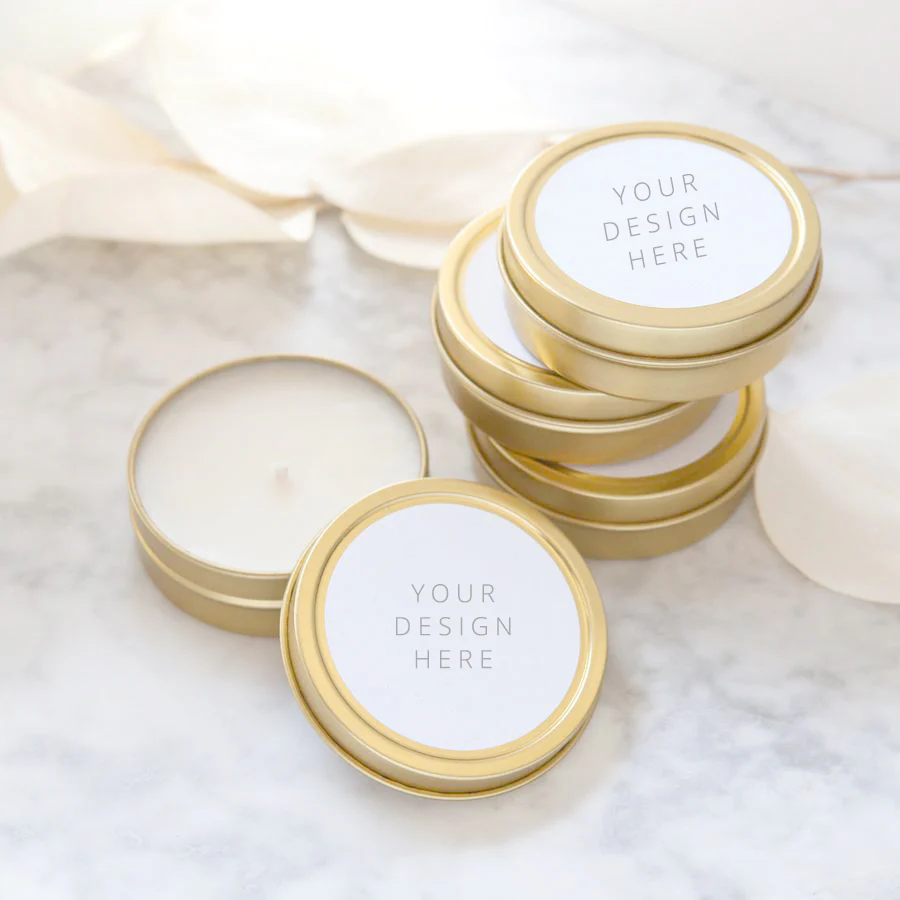
Our printing capabilities encompass offset, screen, digital, and hot stamping—each suited to different design needs. Additionally, we offer a range of specialty processes to enhance visual appeal, including embossing, debossing, spot UV coating, and matte lamination. These techniques add texture and depth to tin cans, making them more eye-catching and memorable.

Your Custom Tin Can Partner

Tsing is committed to providing comprehensive design services, always putting your brand needs first. From material selection to structural design, from visual aesthetics to manufacturing, we control every step to ensure your custom tin cans are not only functional but also a true extension of your brand. What sets us apart is not only our technical expertise but also our collaborative philosophy. We take the time to understand your goals, answer your questions, and tailor our services to meet your unique packaging needs.

Tea Tins with Buckle Lids: Secure Closure & Easy Access for Tea Brands

A survey of tea consumers found that some refuse to buy tea because of its stale taste, while others cited “lid problems” (complex to open, poor seal) as their primary complaint about tea packaging. For tea brands, poor lid design can result in an average monthly revenue loss of 12% to 18%, including tea waste and customer churn. Therefore, Tsing incorporates Buckle Lids into tea tins to address the two most pressing needs of tea brands: secure sealing to maintain tea freshness and easy customer access. Furthermore, we will also show you how to customize tea Tins to suit your brand.

The Impact of Using Buckle Lids in Tea Tins

Most tea brands believe that buckle lids only lead to tea waste, but in reality, the real costs can impact every aspect of the business. Traditional lid designs (such as sliding lids, fragile Buckle Lids, or overly complex screw caps) fail to address the core issue: balancing security and ease of use.

First, there is the direct economic loss due to tea spoilage. Second, customer loyalty is declining. Tea consumption is a habitual behavior; according to our survey, 78% of tea drinkers regularly purchase the same brand. However, this loyalty disappears if they buy spoiled tea. Thirdly, there’s the resistance from retailers. Stores are reluctant to stock tea with problematic lids; inferior tea not only takes up shelf space but also leads to customer complaints. What’s the root of the problem? Most tea tins prioritize cost over function. Sliding lids are cheap but have poor sealing; screw-on lids seal well but are difficult for the elderly to open; fragile Buckle Lids break after a few uses. The Tea Tin with Buckle Lids solves these problems by combining safety and ease of use.

How do tea Tins with Buckle Lids achieve secure sealing and convenient access?

Tsing’s tea tins with Buckle Lids are not explicitly designed for the unique preservation needs of tea. They effectively isolate air, moisture, and light (the three major enemies of tea preservation) while allowing customers to open and close them with one hand easily.

The Buckle Lid provides double protection, firmly locking in the tea’s freshness. We use food-grade silicone sealing rings: a 2mm thick silicone ring lines the inside of the lid, fitting tightly against the jar opening to form a tight seal. Unlike foam sealing rings, our silicone sealing rings have a lifespan of over a year and are heat-resistant. Furthermore, the added stainless steel buckle applies 5 pounds of downward pressure to the seal, enough to block 99.7% of air and moisture. Our tests show that tea stored in these tea jars can stay fresh for 6-9 months, whereas tea stored in ordinary sliding-lid jars lasts only 2-3 months.

Meanwhile, both the buckle and the lid are made of 0.23mm thick tin-plated steel (20% thicker than standard) and reinforced at stress points (where the buckle connects to the lid). Throughout the production process, we test each batch of products, opening and closing the lid 1000 times—the lid will not bend, crack, or lose its seal.

Tea Tins with Buckle Lid

Customization Enhances Brand Appeal and Functionality

A high-quality tea tin with a buckle lid not only protects your tea but can also be customized to your brand. Tsing’s customization options let you tailor your tea tins to your tea type, target audience, and retail goals, balancing functionality and aesthetics.

We offer eight standard sizes (from 2 oz sample Tins to 32 oz bulk Tins) and custom shapes (round, square, rectangular) to meet your product needs. 2 oz to 4 oz tea tins: ideal for sample packs or premium single-serving teas. 8 oz to 12 oz tea Tins: the most popular sizes in retail. 16 oz to 32 oz tea Tins are perfect for bulk sales to cafes, restaurants, or home brewers.

We also offer a variety of finishes and printing options, including matte, metallic, or textured finishes. For a more brand-focused look, we offer full-color CMYK printing, embossing, or gravure printing. Of course, we can also add practical details such as QR codes or “best before” stamps if needed. Additionally, we offer a range of optional accessories to enhance the functionality of your tea tin further. This includes transparent windows, such as UV-protected PET windows, that allow customers to clearly see the tea leaves inside the canister. Alternatively, you can add an inner lid to the tea tin, and a removable paper or metal lid then helps preserve the tea’s freshness more effectively.

How to order the perfect buckle tea tin for your brand?

Tsing’s ordering process is designed to be simple, transparent, and tailored to your tea brand’s unique needs. We understand your busy schedule, so we handle every detail from design to delivery. First, we’ll inquire about your tea type, target audience, sales volume, and current pain points. Then, our design team will create 2-3 custom models in line with your brand guidelines. We’ll incorporate your logo, colors, and any special features into the design, continuously refining it until you are satisfied. Finally, a physical sample of the tea tin with the Buckle Lid will be produced so you can test the lid’s fit, check the seal, and confirm the print quality.

The production lead time for standard orders (3000 pieces or more) is 45 days; for complex designs, it is 7-12 days additional. In addition, we conduct three quality checks: during tinplate cutting, after lid assembly, and before shipping. Every canister must pass our testing.

How to order the perfect buckle tea tin for your brand

Why are Tsing’s designs more popular with customers?

We test our tea tins under conditions simulating real tea storage environments, avoiding “generic packaging testing,” and we test specifically to address your pain points, such as preventing matcha from clumping or preventing herbal teas from losing their aroma. Furthermore, we use food-grade tinplate and BPA-free silicone gaskets for all our tin cans, and these materials comply with FDA and USDA standards. We provide compliance certificates for every order, allowing you to sell your tea with peace of mind. For brands targeting the international market, we also offer tea Tins compliant with EU standards (REACH and LFGB certifications). Most importantly, we use water-based inks for printing, making your tea Tins 100% recyclable.

Protect Your Tea

A tea brand’s reputation depends on the quality of its tea, and the quality of the tea depends on the packaging. Inferior lids not only spoil the tea but also cause financial losses, customer churn, and damage to your brand reputation. Tsing’s buckle lid tea tin perfectly balances sealing and convenience, effectively eliminating these risks while allowing you to customize it to suit your brand better.

Solving the problem of cigarette packaging damage from crushing

Solving the problem of cigarette packaging damage from crushing: Using reinforced cigarette tin case

For many tobacco retailers and cigarette brands, dents and damage to cigarette packaging lead most consumers to refuse to buy dented cigarette boxes, even if the cigarettes themselves are intact. For brands, dents and damage can result in an average monthly revenue loss of 12% to 20%, including returns and lost sales. Therefore, as a professional tin can manufacturer, we know how to eliminate dent damage in cigarette tin case, understand the principles behind their impact-resistant design, and customize them to your brand, addressing the root of dented cigarette packaging.

The Hidden Costs of Cigarette Packaging Damage

Most tobacco brands believe that dent damage only results in product loss, but the actual costs go far beyond that. First, there is the direct economic loss. For a brand that sells 10,000 packs of cigarettes per month at $8 per pack, a 15% damage rate translates to $12,000 in lost product. Add to that return shipping costs and customer service labor costs, and the loss increases by 30-40%.

Second, there is a decline in brand loyalty. Tsing’s research found that 68% of customers who receive a crushed cigarette box will switch to a competitor’s brand, and this switch is permanent. Third, there’s the retailer’s resistance. Retailers hate crushed inventory—they can’t sell it, and it takes up warehouse space. And what’s the root of the problem? Traditional packaging design is cost-driven rather than protective. Cardboard packaging bends under 5–10 pounds of pressure, and thin plastic boxes deform easily. But reinforced cigarette cases solve this problem with their durability.

How do reinforced cigarette tin case eliminate the risk of crushing?

Tsing’s reinforced cigarette tin cases are more than just thickened cigarette canisters; they’re designed from the outset to absorb impact and withstand pressure. We tested over 20 designs and materials to identify the properties crucial for cigarette protection. These reinforced cigarette cases use 0.25 mm-thick food-grade tinplate, which is 25% thicker than the standard 0.20 mm tinplate commonly used in regular cigarette cases. This material can withstand 35 pounds of pressure, giving it enough strength to resist the impact of other packages crushing it during transportation or a fall from a store shelf. Our impact tests show that tinplate can absorb 80% of the impact force of a 3-foot drop.

It’s well known that cigarette cases’ edges are their weakest point. Ordinary cigarette tin case use a single-seam structure, making them prone to cracking under pressure. Tsing reinforces its cigarette cases with a double-seam structure: the machine presses the lid and body together twice, forming a 2 mm-thick reinforced edge that resists twisting and compression. In addition, our cigarette cases have 3mm-thick internal reinforcing ribs on the sides and bottom—these thin, raised tin strips firmly support the case and prevent it from wobbling. Furthermore, flip-top cigarette cases are popular for their convenience, but their hinges often break under pressure. Tsing reinforces its hinges with a double-pin design and welds them to the case. They can withstand over 10,000 opening and closing cycles without bending.

reinforced cigarette tin case

Enhance the Impact Resistance of Cigarette Tins with Custom Designs

Strengthened cigarette tins don’t have to be bulky or industrial; they can be stylish, fit your brand image, and even exude a premium feel. Tsing’s custom designs balance durability and aesthetics, allowing your tins to both protect your product and tell your brand story.

The leading cause of internal damage is an oversized tin, causing cigarettes to slide and bump against the box walls. We customize each cigarette tin case to your specific dimensions (extra-large, 100-pack, slim, etc.) with a 2mm gap—easy to open and prevents wobbling. For brands using aluminum foil packaging, we add a thin layer of EPE foam padding to the lid—soft enough to protect the cigarettes while strong enough to maintain its shape.

We also offer three sealing options:

– Flip-top: The most popular and practical. Reinforced hinges and magnetic clasps make it ideal for retail.

– Screw-on lid: Ideal for shipping. The lid screws tightly onto the box, creating an airtight, pressure-resistant seal. Popular with DTC brands.

– Slide-on lid: Stylish and modern. The lid slides into the box via friction, and reinforced edges prevent it from detaching upon impact.

Furthermore, we turn durability into a selling point; your reinforced cigarette tin case is a marketing tool in itself—use it to highlight its protective capabilities. We offer full-color CMYK printing, foil stamping, and embossing to showcase your brand’s strengths further.

Enhance the Impact Resistance of Cigarette Tins with Custom Designs

Why is Tsing’s cigarette tin case better suited for tobacco brands?

Not all “reinforced” cigarette tin case is created equal. Many manufacturers cut corners to reduce costs—using thin tinplate, single-layer sealing, or generic designs. Our cigarette tins are tested in simulated real tobacco shipping and retail environments, including drops from a height of 3 feet and temperature changes. We don’t do generic “packaging tests”; we test specifically for your pain points. Furthermore, tobacco packaging is subject to strict regulations by the U.S. Food and Drug Administration (FDA) and individual states. We ensure your cigarette cases meet all requirements, including sufficient space for warning labels and compatibility with child safety locks. We even include a compliance checklist with each order to help you avoid hefty fines.

Why is Tsing's cigarette tin case better suited for tobacco brands

Protect your tobacco, maintain your brand

Traditional packaging cannot withstand the challenges of shipping, stacking, and retail handling, leading to lost revenue, customer dissatisfaction, and rejected shipments. Tsing’s cigarette tins, made of thick-gauge tinplate, feature an impact-resistant design and custom sizes, perfectly fitting your brand and effectively eliminating these risks. Using reinforced cigarette cases helps prevent lost sales from crushing damage, ensuring flawless packaging every time.

Frequently Asked Questions about Ordering Reinforced Cigarette Tin Case

1. Can you produce reinforced cigarette tin cases for non-standard-sized cigarettes?

Absolutely—we customize every reinforced cigarette case to the specific dimensions of your cigarette packaging. We manufacture tin cans for slim packs of 10 or 100 cigarettes, menthol flavor, and even custom handcrafted blends, offering unique packaging.

3. Will reinforced tin cans increase shipping weight and thus shipping costs?

Our reinforced tin cans each weigh 2-3 ounces, only 1-2 ounces heavier than standard tin cans. Shipping 100 tin cans will only increase the weight by 12.5-25 pounds, which will slightly increase shipping costs, depending on the specific circumstances.

4. Are these tin cans recyclable? Can I advertise their environmental sustainability?

Yes—our tin cans are 100% recyclable, with a recycling rate of up to 92% in the US. We can provide a “100% Recyclable” stamp for your tin cans and a sustainability brochure for you to share with your customers.

5. What is the lead time for custom reinforced cigarette tin cans?

The standard delivery cycle is 45 days, and the minimum order quantity is 3,000 pieces. Customized tin cans will be made according to the specific customization requirements.

Custom Round Coffee Tins 1(1)

The Guide to Custom Round Coffee Tins for Specialty Coffee: 500g Size and Flavor Preservation

Using inferior paper bags when storing 500g of coffee beans can lead to valve defects and other problems, causing the beans to lose 40% of their flavor within 14 days. To address this issue, we equip these coffee beans with custom-made round tin tins with double-sealed lids and food-grade linings. We will now explain in detail why the 500g custom round coffee tin is the right size, how it’s designed to keep coffee fresh, material selection, and sourcing tips.

Custom Round Coffee Tins: Why 500g is the Best Choice for Specialty Coffee

The essence of specialty coffee lies in balance—a perfect combination of flavor, convenience, and value. The 500g custom round coffee tin perfectly achieve this balance, and our data explains why it is more popular with roasters and consumers than 250g or 1kg packages.

For consumers, the 500g package aligns with their specialty coffee drinking habits. Tsing’s research found that 62% of daily specialty coffee drinkers use 15-20g of coffee beans per brew. A 500-gram container can preserve coffee for 25-33 days—precisely the optimal time to consume the beans before they spoil. This size also makes it suitable for retail. Custom-designed 500g round coffee tins fit easily into the shelves of standard supermarkets and specialty stores without crowding. In short, the 500g custom-designed round coffee tin converts ordinary consumers into repeat customers by catering to how people actually drink specialty coffee.

Why 500g is the Best Choice for Specialty Coffee

How Custom-Designed Round Coffee Tins Lock in Coffee Flavor

The delicate flavors of specialty coffee deteriorate rapidly when exposed to oxygen, light, humidity, and high temperatures. Tsing’s custom round coffee tins are carefully designed to block these problems effectively, and the 500-gram capacity further enhances this protection, minimizing the coffee’s contact with air during use.

Oxygen causes coffee beans to oxidize, breaking down the oils and acids in the coffee and turning what should be a bright, complex flavor into a flat, cardboard-like texture. Tsing’s custom round coffee tins are made of 0.23 mm-thick food-grade tinplate, blocking 99.9% of oxygen (in contrast, paper bags still allow 15% oxygen to seep in after 7 days). We also use a double-sealed lid with two edge-pressing processes, creating an airtight seal that keeps the oxygen content inside the tin below 1% for 6 weeks.

Furthermore, UV light breaks down volatile aroma compounds that give specialty coffee its unique aroma and flavor. Our custom round coffee tins are available in matte and glossy finishes, both of which reflect 90% of UV rays. The lid lining inside the round coffee tin is made of EPE foam, a food-grade, moisture-resistant, compressible material that creates a tight seal. An optional heat-insulating liner is also available to meet the needs of roasters.

How Custom-Designed Round Coffee Tins Lock in Coffee Flavor

Enhance your brand image with custom round coffee tins

A great custom round coffee tin does two things: keeps your coffee fresh and tells your brand story. Tsing’s design perfectly balances functionality and aesthetics. 1. Three styles of tin can lids are available:

  • Screw cap: The most popular – easy to open/close, forming a tight seal with each turn. Ideal for DTC sales.
  • Pull-tab cap: Convenient for retail – easy for customers to open with one hand. Features a resealable pull tab to keep the coffee fresh.
  • Slide-off cap: Perfect for cafes selling takeaway coffee beans – slim design, no worries about losing the lid.

One-way degassing valve design

Freshly roasted coffee begins to degas within 2-7 days. If carbon dioxide gets trapped inside the can, it can cause the can to expand or push the lid open. Tsing has integrated a food-grade one-way valve into our custom round coffee tins – it allows carbon dioxide to escape while preventing oxygen from entering. We install the valve on the lid and test each valve to ensure it opens at 1.5 bar pressure.

Enhance your brand image with custom round coffee tins

Customization Services: Turning Coffee Tins into Brand Assets

Specialty coffee consumers are loyal to brands with clear brand identities. Tsing offers comprehensive customization services. For printing, Tsing provides full-color CMYK printing or metallic foil, adding texture through embossing/gravure printing. Alternatively, transparent windows allow consumers to see the coffee beans without compromising their freshness. This design is particularly suitable for light roast coffee beans with unique colors.

Material Selection: Safe, Eco-friendly, and Durable

The material of a custom round coffee can affect every aspect of coffee, from flavor to safety to brand reputation. Tsing uses only food-grade, sustainable materials that have passed testing under FDA and EU food safety standards. These custom coffee tins use 0.20-0.23 mm-thick food-grade tinplate, a neutral-flavored material that does not leach chemicals or impart a metallic taste. Furthermore, it is not easily dented during transportation. Tinplate tins are also 100% recyclable, with a recycling rate of up to 92% in the United States, which is crucial for environmentally conscious consumers. These coffee tins all feature a BPA-free, food-grade liner (EPE foam or PE film) that comes into direct contact with the coffee. We conduct annual migration (chemical transfer) testing on the liner, ensuring compliance with FDA 21 CFR 175.300 standards.

Keep Your Specialty Coffee Flavoring Forever

For specialty coffee, your packaging should protect it rather than damage it. Tsing’s 500g custom round coffee tins do just that: they lock in the bright, complex flavors customers love, ideally suited to their actual drinking habits. With years of manufacturing experience, we understand the unique needs of specialty coffee and how this synergy with tin tins allows us to create the perfect tin can for storing coffee, from exhaust valves and sustainable materials to shelf appeal.

Candle Tins 8-1

Global Candle Tins Market Segmentation: Round vs. Square vs. Hexagonal Designs

A survey report based on over 12,000 retail data points and more than 500 client collaboration cases shows that shape determines 31% of candle shelf appeal, second only to fragrance. The global candle tin market is projected to reach $4.2 billion by 2025, with round, square, and hexagonal designs accounting for 98% of the market share. However, each shape has its unique purpose: round tins dominate the mass wholesale market, square tins lead the high-end brand image, and hexagonal tins have secured a place in the rapidly growing gift market. This analysis report provides detailed data on market share, regional preferences, cost-effectiveness, and brand potential for each candle tins shape in 2025, helping you choose the right design for your target audience.

2025 Candle Tins Market: Global Overview and Key Segmentation Data

Before delving into the details of shapes, let’s first look at the overall market overview for 2025. The global candle tin market is growing at 9.5% annually, primarily driven by two significant trends: consumers shifting towards reusable packaging, and the rise of home fragrances as a “self-care essential.” Metal candle jars hold a 65% market share, surpassing glass and ceramic tins due to their durability and lower shipping costs.

The 2025 shape segmentation reveals a clear hierarchy and growth gap:

Candle Tin Shape
2025 Global Market Share
Year – Over – Year Growth
Top Regional Market
Key End Use
Round
48%
7%
North America (52% of round sales)
Mass retail, candle tins wholesale
Square
32%
9%
Europe (41% of square sales)
Luxury brands, subscription boxes
Hexagonal
20%
18%
Asia-Pacific (38% of hexagonal sales)
Gifts, artisanal collections

The data clearly shows that round tins are mainstream, square tins are premium products, and hexagonal tins are rising stars. For brand owners and candle jar wholesale partners, the choice depends on three factors: target audience, distribution channels, and price positioning.

Round Candle Tins: 2025 Wholesale Market Champion

Round candle tins have held the top market share for ten consecutive years—a leading position confirmed by the 2025 data. Their 48% global market share stems from an unparalleled advantage: they are the most cost-effective and versatile option for brand owners and candle jar wholesale partners. Tsing’s production data shows that round candle tins use 15% less metal than square ones and are 22% more efficient at stacking in shipping containers, reducing shipping costs by $0.18 per tin.

Why do consumers love round candle tins so much? Their ergonomic design, smooth edges, and symmetrical shape make them suitable for any room. This universal appeal makes them a staple for mass-market retailers. Furthermore, the ideal price range for round candle jars is $8 to $16. An 8-ounce round candle jar with a simple label costs a brand only $1.20 to produce (through candle jar wholesalers), resulting in substantial profits for retailers. However, not all round candle jars are the same. Therefore, their appeal can be enhanced through customization; we can add matte finishes, metallic accents, or small embossed logos to make a round candle tin stand out.

Round Candle Tins 2025 Wholesale Market Champion

Square candle tins are better suited to luxury brands

While square candle tins account for only 32% of market share, they contribute 45% of the industry’s profits. Its clean lines and flat surface make it ideal for brand promotion—square tins offer 30% more label space than round jars and have a more upscale look on shelves. Europe is the center of demand for square tins—41% of global square jar sales come from France, Germany, and the UK. European consumers value “overall harmony” in home design, and square candle tins can be neatly stacked on shelves, perfectly complementing modern home décor.

For candle tin wholesale partners, square jars represent a high-margin segment. Focus on 6-ounce and 16-ounce sizes, and offer custom finishes such as matte black or brushed silver. Tsing’s wholesale clients report that square tins have a 12% lower sell-through rate than round tins, but twice the profit per unit.

Square candle tins

Hexagonal Design is the Fastest Growing Shape in 2025

Hexagonal candle tins are a rising star in 2025, growing by 18% year-over-year, more than double the market average. Their unique shape addresses a key issue for brands: how to stand out in a competitive market. A Tsing survey revealed that 72% of surveyed consumers said they “first noticed hexagonal candle tins” on store shelves, and 41% purchased them specifically as gifts because of their hexagonal design.

The Asia-Pacific region has the strongest demand for hexagonal candle jars, with China, Japan, and South Korea accounting for 38% of global sales. In these markets, the hexagon symbolizes “good luck” and “balance,” making it a popular choice for holiday gifts. On the other hand, in North America and Europe, hexagonal candle jars are mainly sold in craft shops and gift stores. Furthermore, hexagonal tin cans offer unexpected functionality. Their six sides prevent rolling and allow for creative packaging. Brands can also stack three small hexagonal tin cans in a gift set.

How Personalization Enhances the Impact of Shape

Shape is fundamental, but customization can transform an ordinary candle tin into brand equity. Data from 2025 shows that brands using custom candle tins—whether embossed logos, unique finishes, or shape combinations—had 22% higher repurchase rates than brands using standard tins. Therefore, we’ve summarized three major trends applicable to all shapes.

First is tactile finishes. Adding a matte or textured coating to round, square, or hexagonal tins can make them stand out. For square jars, brushed metal finishes are popular in high-end product lines. Second is functional add-ons. Brands are adding various functions to candle tins to extend their lifespan after the candle burns out. Once the candle is burned out, the tin can be transformed into a jewelry holder. Third, limited-edition designs. Brands are combining different shapes for their holiday collections—such as a round tin with a hexagonal lid—to generate buzz. Therefore, for candle tin wholesale partners, offering seasonal custom designs can effectively boost fourth-quarter sales.

custom candle tins 8

How to Choose the Right Candle Tin Shape for 2025 and Beyond

The candle tin market in 2025 will no longer follow a uniform, fixed pattern; instead, the shape will need to be chosen based on brand objectives. Round jars are a safe choice for the mass market and wholesale sales. Square jars can enhance brand image and bring higher profits. Hexagonal tins are better suited to the gift and craft sectors. Combined with customized designs—whether it’s embossing, surface treatments, or functional add-ons—candle tins can become tools for encouraging repeat purchases and brand ambassadors.

Glossy black tins

Tips for maintaining the shine of glossy black tins: Coatings that prevent fading and scratches

The glossy, shiny surface of a glossy black tin elevates the image of a wide range of products, from candles and tea to cosmetics and snacks. According to a retail packaging survey, glossy black tins receive 31% more shelf attention than matte black tins. However, this shine is fragile. UV rays can cause it to fade, moisture can dull its shine, and even minor handling can cause scratches. What is the secret to maintaining the premium look of a glossy black tin can? It is not just about careful handling, but about the right protective coating. This guide will tell you which types of coatings work best and how to combine them with simple care practices to keep your glossy black tin can looking flawless.

Why Does the Gloss of a Glossy Black Tins Fade, and How Can the Coating Prevent Fading?

A glossy black reflective finish is a double-edged sword: it is dazzling when flawless, but any imperfections are noticeable. Tsing has identified three main reasons for this during production, and their coatings directly counteract these problems.

First is UV radiation. Sunlight breaks down the pigments in the glossy black tin, turning the deep black into a dull gray. Our tests show that uncoated, glossy black tins lose 40% of their gloss after 6 months of daily exposure in retail environments. A good coating acts like “sunscreen” for black tins: it absorbs UV rays, preventing them from reaching the metal substrate and thus preventing pigment degradation.

Secondly, there’s moisture and chemicals. Humidity, condensation, and even the oils from customers’ hands can react with the can’s surface, forming watermarks or a hazy film. Finally, there’s physical abrasion; even minor handling, such as stacking tins, sliding them on a shelf, or opening the lid, can create tiny scratches that scatter light and dull the can’s shine. Designers carefully create each coating to address specific threats, from UV fading to frequent handling, allowing you to choose the right coating for your product needs.

Why Does the Gloss of a Glossy Black Tins Fade, and How Can the Coating Prevent Fading

Glossy Black Tins: Three Durable Gloss Coatings

Not all coatings are created equal. Tsing tests more than 12 coating formulations each year to determine which are best suited for glossy black tins. Three coatings stand out for their durability, gloss retention, and compatibility with different usage scenarios. Designers carefully create each coating to address specific threats, from UV fading to frequent handling, allowing you to choose the right coating for your product needs.

1. Polyurethane Coating: UV Protection for Retail Glossy Black Tins

Polyurethane (PU) is the gold standard for glossy black tins sold in physical stores, where they are constantly exposed to UV rays. It forms a flexible, transparent coating that blocks 99% of UV rays and prevents yellowing. Tsing’s PU coating incorporates UV absorbers—molecules that “capture” harmful radiation, preventing it from reaching the can’s surface. Best suited for: candles, skincare products, cosmetics, and any glossy black tin can that needs to be displayed in a window or under intense light. Furthermore, this coating complies with FDA regulations regarding indirect food contact.

2. Epoxy Coating: Scratch and Chemical Barrier

Epoxy coatings are rugged, durable, and chemically resistant, making them ideal for high-traffic or frequently liquid-contact areas, such as glossy black tins. It has a pencil scratch test hardness of 3H and is resistant to oil, solvents, and water. Tsing’s epoxy coating is heat-resistant up to 250°F, which is crucial for candle tins that generate heat when burning. Best used for: candle tins, olive oil tins, cleaning product containers, and any glossy black tin that will be exposed to high temperatures, chemicals, or frequent use.

3. Ceramic-Reinforced Coating: The Durable Choice for Luxurious Glossy Black Tins

For brands selling high-end products (such as luxury chocolates, fine spirits, or designer cosmetics), Tsing’s ceramic-reinforced coating is the best choice. It combines the UV protection of polyurethane with the scratch resistance of epoxy resin, and adds ceramic particles to create an ultra-smooth, mirror-like finish. This coating achieves a 4H hardness in scratch tests and retains 98% of its shine after 18 months of use. Best suited for: luxury goods, gift sets, and custom black tins where durability and a high-end appearance are paramount.

Glossy Black Tins Three Durable Gloss Coatings

Coating Processing – Precise Craftsmanship Ensures Superior Performance

A superior coating finish depends on the application process. Even the best formulation will fail if the coating is uneven, has pinholes, or fails to bond firmly to the tin surface. Tsing’s coating process ensures a perfectly uniform coating on every glossy black tin, delivering on its durability promise.

Step 1: Pretreatment – ​​Cleaning and Bonding

The substrate for the glossy black tin is bare steel. We first remove residual grease from the production process using food-grade solvents, then acid pickle to create a slightly roughened surface. This “roughness” helps the coating adhere firmly.

Step 2: Electrostatic Spraying – Uniform Coverage

We use an electrostatic spray coating process. This process charges the coating particles, which then adhere to the grounded can, ensuring uniform coverage in every corner. Traditional spraying processes often result in coatings that are too thin, while electrostatic spraying achieves a uniform coating thickness of 20-25 microns.

Step 3: Curing – Baking for Enhanced Durability

After spraying, the glossy black can is placed in a convection oven at 180°C (356°F) for 20 minutes. This cures the coating, transforming it from a liquid to a hard protective layer. Curing time and temperature are crucial: too low a temperature will leave the coating soft; too high a temperature will cause it to yellow.

Step 4: Quality Control – Perfectionist Approach

Each glossy black tin undergoes three inspections after coating: visual inspection for pinholes, runs, or uneven gloss; a scratch test using a calibrated pencil to verify hardness; and a UV test to confirm its fade resistance. Inspectors reject tin cans that fail any of these tests.

Maintenance and Coating Protection

While a high-quality coating is essential, simple maintenance practices are even more important for preserving the shine of glossy black tin cans. Feedback from following these maintenance methods indicates that your tin cans are twice as shiny as others’ and require minimal maintenance.

1. Gentle Cleaning

Dust and fingerprints are the most significant contributors to dulling tin cans in daily life. When cleaning glossy black tins, use a soft microfiber cloth and mild soap. For sticky residue, apply a small amount of isopropyl alcohol to the cloth; never pour isopropyl alcohol directly onto the tin can. 2. Proper Storage

Stacking glossy black tin cans directly can cause scratches. Use cardboard dividers between stacked tin cans, or store them upright. For long-term storage, store tin cans in a cool, dry place; even with a coating, humidity levels above 60% can cause water stains.

3. Timely Maintenance – Simple Repairs

Even with proper care, glossy black tin cans used frequently may develop minor scratches. For small imperfections, gently buff with a microfiber cloth dampened with a furniture polish containing carnauba wax to restore shine. This method can remove 90% of minor scratches.

Choose the Right Coating for Your Product’s Unique Needs

Each brand of glossy black tin can has different requirements: candle jars need heat resistance, food jars need to meet FDA standards, and high-end gift jars require unparalleled shine. Tsing’s consultation process ensures you get the coating best suited for your intended use – neither paying too much for unnecessary features nor compromising on essential protection.

Ask yourself: Where will your glossy black tin cans be stored? If these items are placed on a sunny windowsill (e.g., cosmetics, candles), polyurethane or ceramic coatings are best. If placed in a damp bathroom (e.g., bath bombs), an epoxy coating is preferable. Additionally, for items requiring international shipping (e.g., luxury goods), a ceramic-reinforced coating can withstand the bumps and shaking during transport.

Furthermore, for glossy black tin cans that need to hold food that comes into direct contact (e.g., mints, chocolate), the coating must comply with FDA regulations. Additionally, some brands pursue a “wet” ultra-gloss finish, while others prefer a softer satin sheen. Tsing’s coatings offer five gloss levels (60°-95°), allowing you to choose the one that best suits your brand’s needs.

Choose the Right Coating for Your Product's Unique Needs

Use a suitable, high-quality coating to prevent fading.

The shine of a glossy black tin can is not just about aesthetics; it’s a symbol of quality. When your glossy black tin can looks dull or scratched, customers will perceive the product inside as of inferior quality. The solution lies in prioritizing coating quality over upfront cost. While ordinary acrylic coatings may save money per tin can, they result in returns, lost sales, and damage to brand reputation. Tsing’s PU, epoxy, and ceramic-reinforced coatings—applied with precision and easy to maintain—provide a perfect shine for over 12 months, making each black tin can a lasting advertisement for your brand.