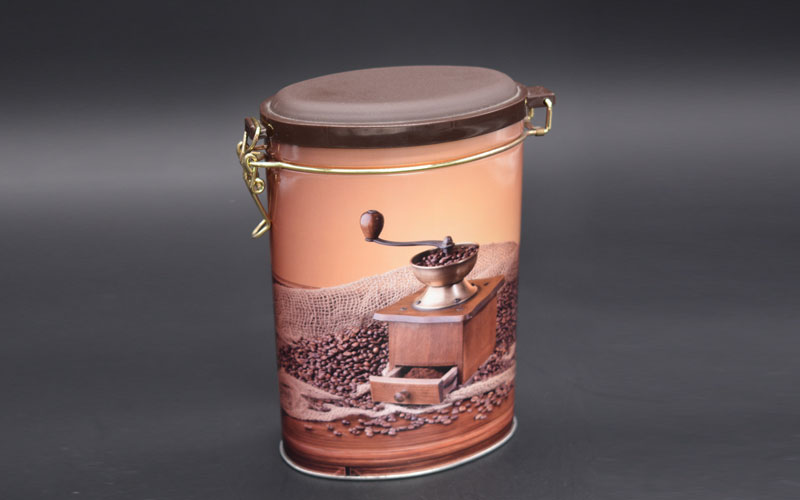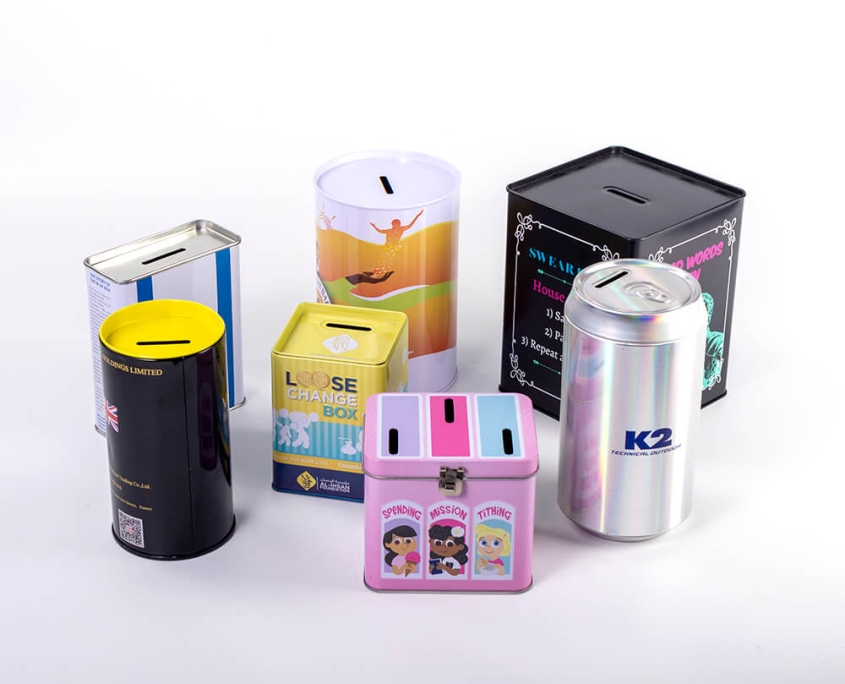

personalized tins 2-2(1)

What high-quality surface texture treatments are typically applied to premium personalized tins?

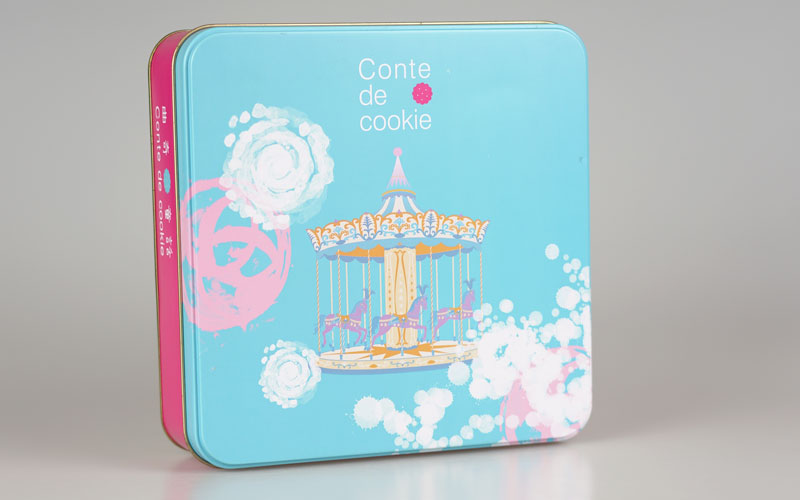
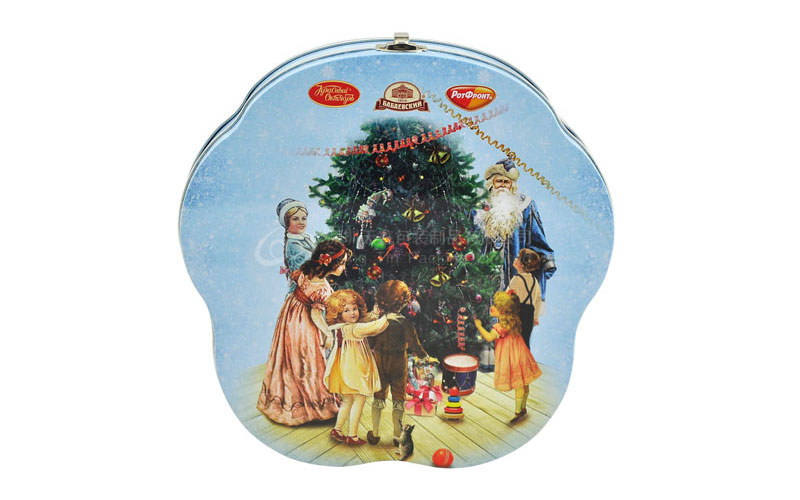
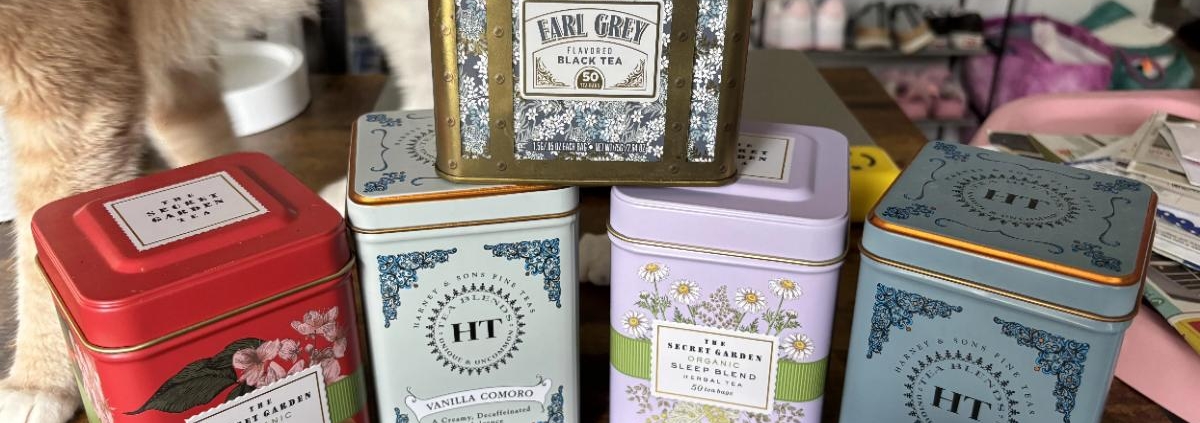
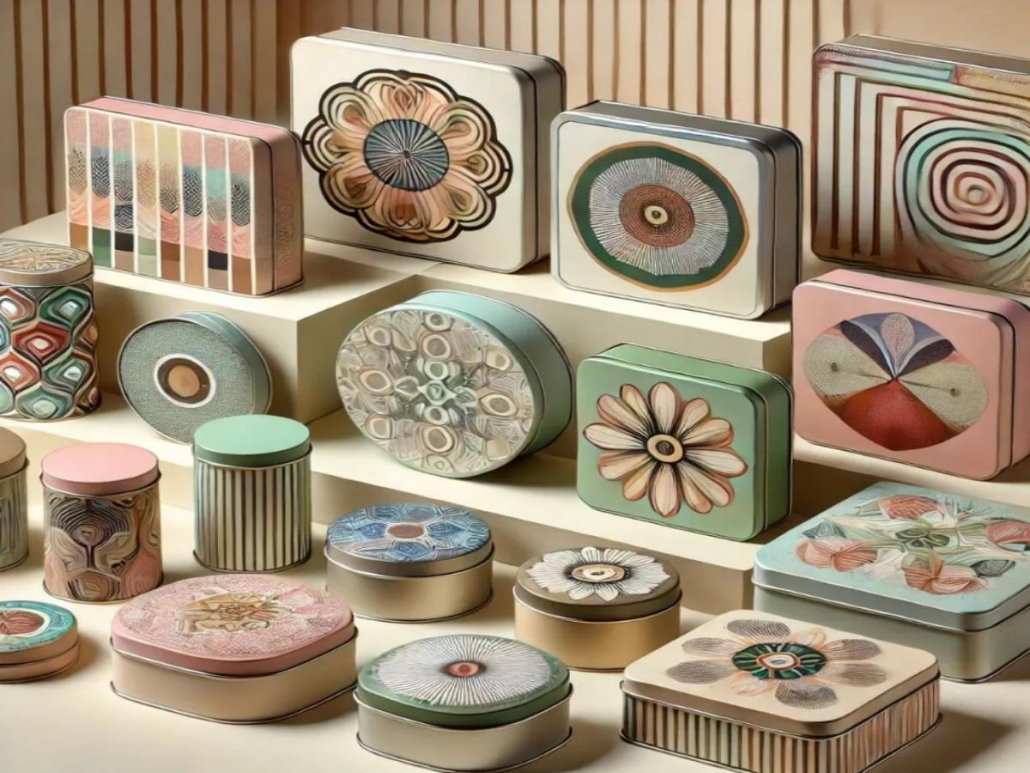
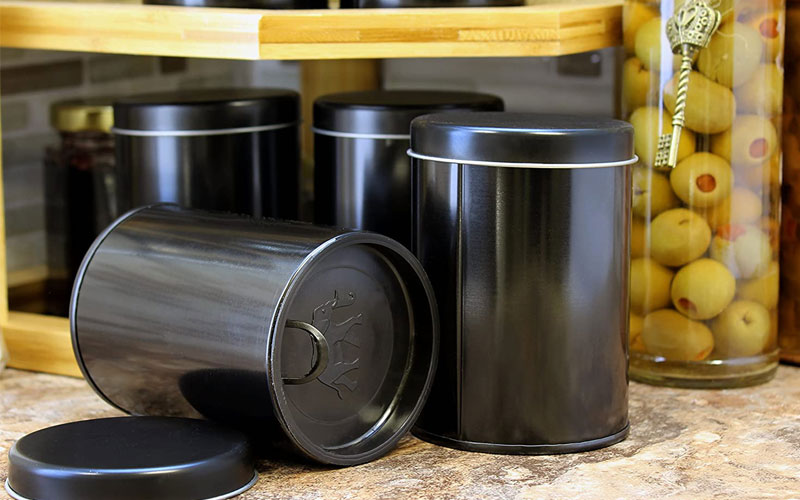
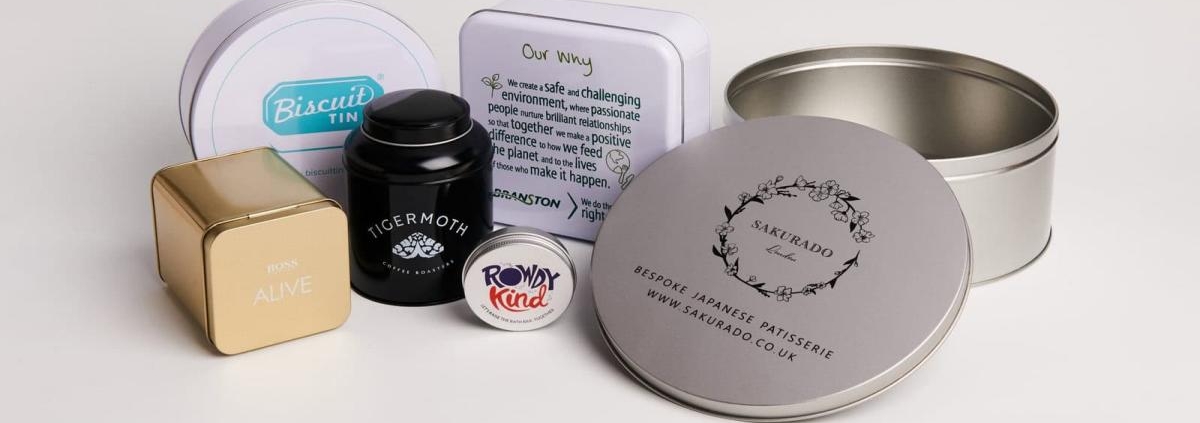
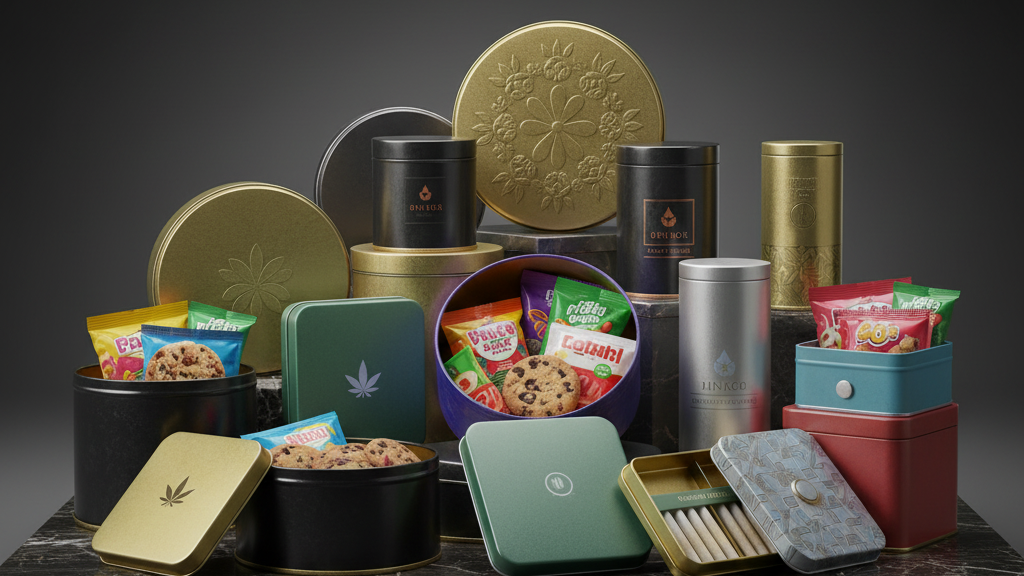
In the realm of personalized tin packaging, surface textures offer users a distinct visual and tactile experience. This is particularly true in high-end packaging; for consumers encountering your products for the first time, their initial interaction is often primarily tactile and visual—they will typically pick up the product before reading any labels. At this critical juncture, by utilizing various textures to convey quality, market positioning, and brand identity, these surface finishes can transform personalized tins into objects that appear exquisite and rich in both design language and brand character. Beyond mere aesthetics, surface treatments also serve to enhance functionality. A matte coating, for instance, can minimize fingerprint smudges, while certain textured surfaces can even improve grip and durability. Consequently, the surface texture of a personalized tin is far more than a decorative element; it serves as a tangible representation of your brand image, the user experience, and product protection.

Personalized Tins Featuring Matte Varnish and Soft-Touch Coatings

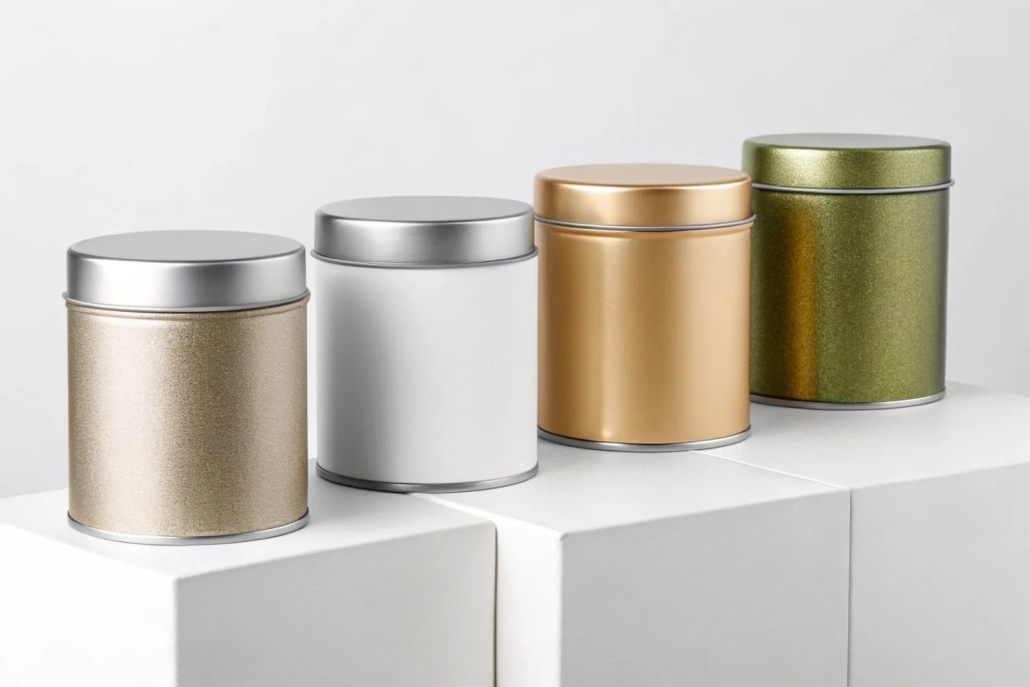
Among the various surface finishing techniques, matte varnish remains one of the most widely applied methods for personalized tins. Its non-reflective surface projects a clean, understated aesthetic. Furthermore, it helps minimize visible fingerprints and smudges—a feature of immense practical value for products in retail environments that consumers frequently handle.

Soft-touch coatings take the tactile experience a step further. This finish creates a “skin-like” sensation—smooth and supple to the touch—a texture typically associated with high-end electronics and luxury packaging. For personalized tins, this soft tactility not only imbues the product with emotional value but also strengthens the bond between the product and the user. These coatings also help convey a deeper brand narrative: a matte finish tends to evoke minimalism and refined elegance. In contrast, a soft-touch coating often imparts a sense of warmth and comfort. These finishes are ideally suited for brands targeting the high-end market or those championing a minimalist lifestyle philosophy.

Personalized Tins Featuring Matte Varnish and Soft-Touch Coatings

Crackle Varnish for Vintage and Artistic Personalized Tins

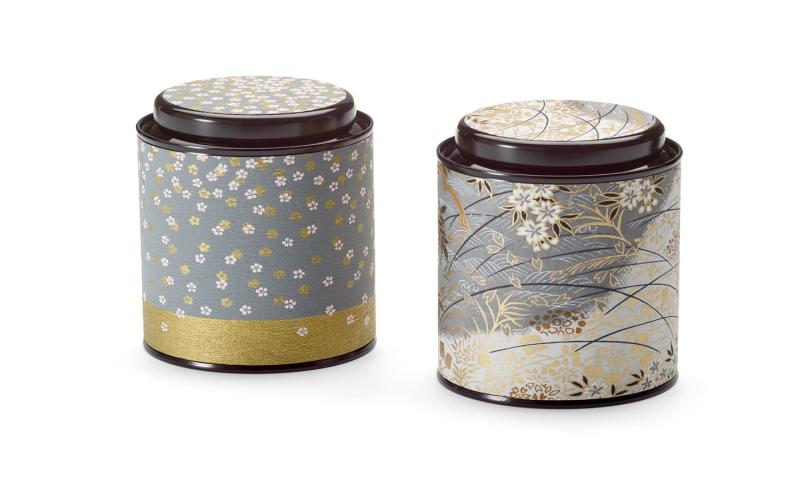
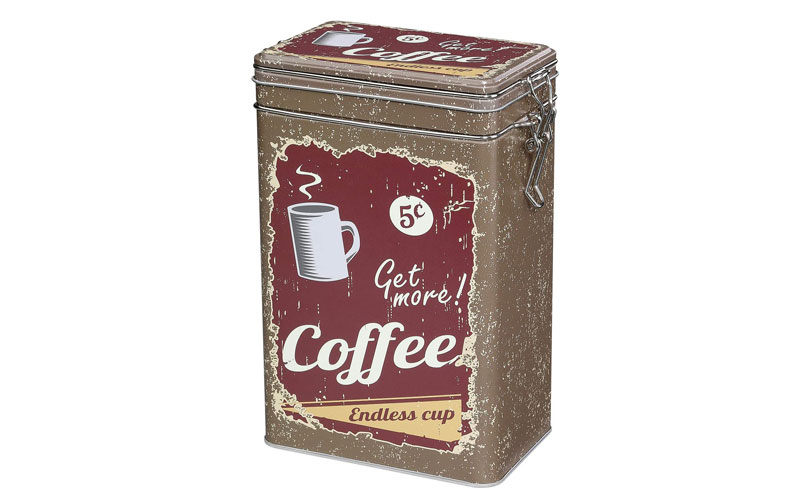
Crackle varnish produces a unique surface effect, endowing the tin with a natural, fractured texture. This particular surface treatment proves most effective for brands seeking to cultivate a vintage aesthetic or convey the charm of a handcrafted product. It ensures that every tin container features a slightly distinct and unique pattern, thereby enhancing the product’s sense of authenticity and exclusivity. For personalized tin containers targeting specific niche markets—such as packaging for tea, candles, or gifts—a crackle finish creates a powerful visual differentiator. It serves to highlight a brand’s heritage and exquisite craftsmanship more compellingly. Furthermore, a crackle varnish can evoke an emotional resonance that standard finishes cannot match. Its irregular texture adds a sophisticated design aesthetic—reflecting a rich accumulation of history, tradition, and artisanal artistry—and resonates deeply with consumers who seek authentic experiences.

3D Embossing, Debossing, and Micro-Embossing Technologies

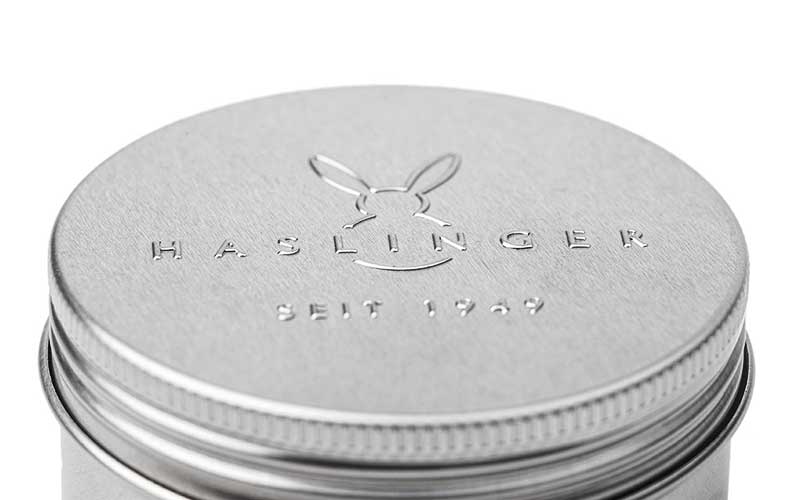
Embossing and debossing processes add a three-dimensional quality to personalized tin cans, elevating them beyond simple flat-printed designs. Embossing causes design elements to protrude, while debossing creates recessed patterns. Both techniques enhance visual depth and create tactile engagement, thereby reinforcing brand recognition.

Micro-embossing takes this concept a step further by introducing extremely fine textures. This high-definition detailing not only enhances the tactile experience but also bolsters anti-counterfeiting capabilities. For high-end, personalized tin containers, this surface treatment technique offers a perfect blend of aesthetic appeal and functional security. Additionally, embossing can guide consumers’ visual attention to key design elements, such as the brand logo or product name. The interplay of light and shadow across raised or recessed surfaces creates a dynamic visual effect. When executed effectively, embossing and micro-embossing techniques significantly enhance both the visual value and functionality of custom tin packaging.

3D Embossing personalized tin cans

Print Precision and Structural Details in Personalized Tins

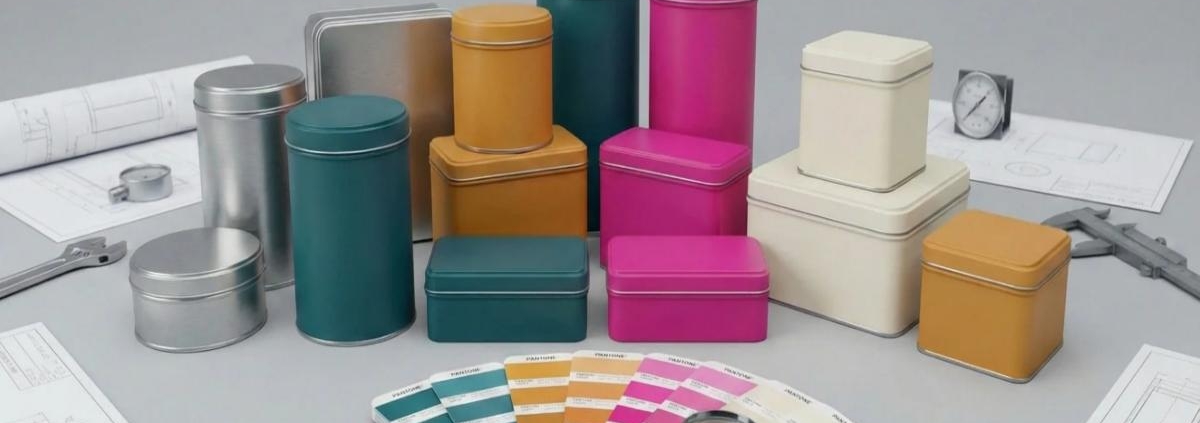
In the realm of printing processes, Pantone color matching ensures that a brand’s exclusive color palette remains consistent across different production batches, eliminating visible color discrepancies that could otherwise dilute the brand image. Spot UV printing further enhances design contrast by applying a glossy coating to specific areas against a matte background. This contrast creates a visually layered effect that highlights key brand details without overpowering or detracting from the overall design. For custom tin cans, combining a matte finish with spot UV printing represents an optimal strategy for achieving a high-end, balanced aesthetic.

Beyond aesthetics, the precision of printing significantly impacts production efficiency and quality control. Consistent color matching minimizes the risk of rejected production batches. Furthermore, judicious spot UV finishes can be strategically applied to functional areas—such as openings or brand logos—thereby enhancing both usability and brand recognition. When executed correctly, these printing techniques not only heighten the visual appeal of personalized tin cans but also reinforce their overall consistency.

Print Precision and Structural Details in Personalized Tin Packaging

Internal vs. External Rim Structures for Personalized Tins

Rim design is a subtle yet critical detail in the customization process. An internally rolled rim creates a cleaner, more streamlined appearance. By minimizing sharp edges, this internal roll-over design enhances user safety and handling comfort. Visually, an externally rolled rim conveys a more traditional and classic aesthetic, making it ideal for products that emphasize heritage or a vintage sensibility. These rim treatments contribute to the structural integrity and durability of the tin can. Meticulous rim-rolling increases the can’s rigidity, preventing deformation during transit or repeated use. From a user experience perspective, smooth edges provide a more refined tactile sensation, reinforcing the perception of quality. For high-end custom tins, these fine finishing touches demonstrate an unwavering attention to detail and comprehensively elevate the packaging’s premium feel.

Surface Texture Treatments for High-End Product Packaging

Surface texture treatments for high-end, personalized tin cans include matte finishes, soft-touch (rubberized) coatings, embossing, micro-engraving, and spot color printing. When making selections, it is essential to strike a balance between design intent, functional performance, and production feasibility. Different market segments have distinct requirements for surface finishes: luxury goods may be best suited for soft-touch coatings and embossed textures. At the same time, artisanal brands might prefer crackle finishes or matte textures. Regardless of the specific technique chosen, the ultimate objective remains the same: to enhance both the visual and tactile appeal of the packaging.

candle tins 2-2

What are the most common capacities for candle tins?

When sourcing candle tins, capacity is a critical decision-making factor, as it directly impacts product performance, cost structure, and customer perception. The dimensions of a candle tin determine the required wax volume, burn time, fragrance intensity, and shipping efficiency. Furthermore, capacity influences the candle’s burning characteristics. Smaller vessels tend to heat up more quickly, allowing for a faster release of fragrance; conversely, larger vessels require more precise wick selection to ensure the wax surface melts evenly. If the vessel’s capacity is mismatched with the wick and wax formulation, issues such as “tunneling” or overheating may arise.

Industry Standards: 4 oz and 8 oz candle tins

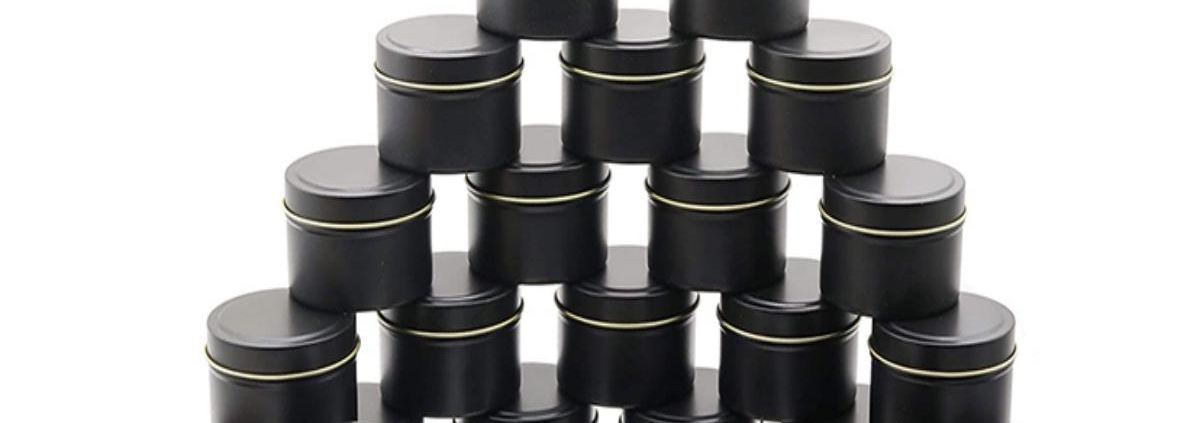
Among the wide array of available sizes, the 4 oz and 8 oz candle tins are recognized as the industry standards. These two capacities dominate the market because they strike a perfect balance between economic efficiency, practicality, and retail appeal.

Compact and highly cost-effective, the 4 oz tin is an ideal choice for artisanal candles, travel-sized products, and entry-level offerings. It allows brands to test various fragrance profiles with minimal inventory risk while ensuring the product appears complete and fully functional to customers. In contrast, the 8 oz vessel is typically regarded as the “full-size” product. It offers a longer burn time and a more robust fragrance throw, while also commanding a stronger visual presence on retail shelves. From a business perspective, adopting these standard sizes streamlines manufacturing, packaging, and logistics processes. Their compatibility with a wide variety of wax types and wick configurations is the primary reason why the vast majority of candle brands build their core product lines around these two capacities.

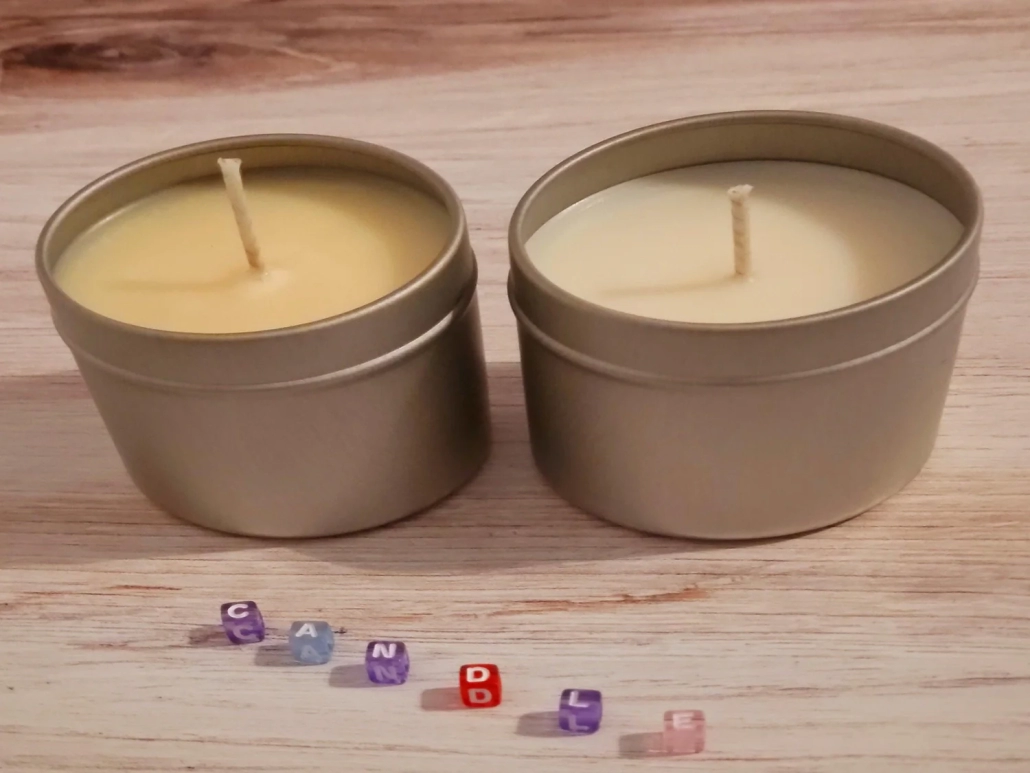
4 oz and 8 oz candle tins

How 2 oz, 6 oz, and 10 oz Capacities Fit into different product strategies?

While 4 oz and 8 oz vessels remain the most common choices, smaller and mid-sized packaging options also serve important purposes. For instance, brands frequently use 2 oz tins for samples, discovery kits, wedding favors, hospitality amenities, and promotional giveaways. They are inexpensive to produce and easy to distribute. For fragrance testing purposes, the 2 oz container is highly effective, as it significantly lowers the barrier to trial.

The 6 oz candle tins represent another practical choice. It strikes an excellent balance between portability and burn time. Many brands opt for this size to create product lines that appear more premium or substantial than their 4 oz counterparts—without the need to step up to the 8 oz specification. This size suits products positioned somewhere between travel-sized candles and standard retail candles. It is particularly suitable when a brand desires a consistent aesthetic across its entire product line but requires a larger wax volume to enhance burning performance.

10 oz candle tins serve a different purpose. Candle makers prefer them for candles that require extended burn times or that aim to command greater visual presence on retail shelves. The 10 oz size tends to appeal more to customers seeking luxury products or those desiring a fragrance that is both long-lasting and intense. Furthermore, thanks to the jar’s larger surface area, this size offers greater scope for labeling and printing, thereby facilitating stronger brand image building.

In certain markets, 12 oz to 16 oz candle tins are also quite popular, particularly for multi-wick candles or larger-format home fragrance products. While small-batch artisanal brands may not typically choose this packaging format, it holds a significant place within high-end retail environments or product lines focused on refillable options.

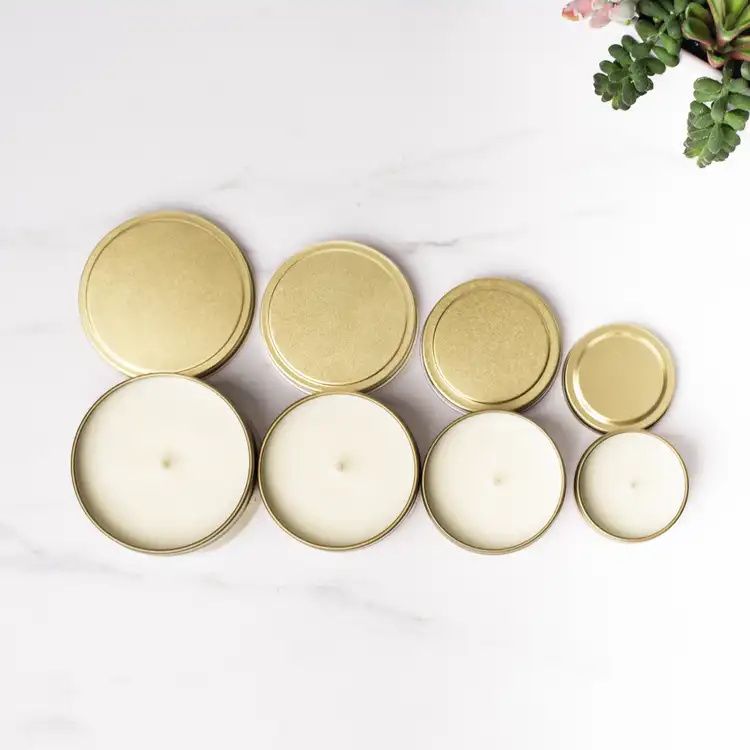
2 oz, 6 oz, and 10 oz candle tins

Matching Candle Tins Capacity, Performance, and Design

Selecting the appropriate candle tin capacity requires aligning the packaging dimensions with the candle’s performance characteristics. Smaller tins—such as the 2 oz and 4 oz sizes—are better suited for short-term use or product sampling, whereas larger tins—specifically 8 oz and above—are designed to deliver extended burn times and sustained fragrance diffusion.

As container capacity increases, selecting the candle wick becomes increasingly critical. Larger-diameter containers may require multiple wicks to ensure an even burn pool and prevent “tunneling.” Additionally, manufacturers must carefully adjust the fragrance load and wax blend to suit the specific container size, thereby ensuring optimal scent throw and safety. Consequently, from a design perspective, brands may choose to commission custom candle tins, which allow them to optimize capacity, shape, and aesthetic to precisely align with their specific market positioning—in contrast to standard sizes, which, while economical and straightforward, offer less scope for differentiation.

How Can Custom Design Help Brands Position Different Capacities?

Not all candle brands require a fixed set of standard sizes. Many businesses opt for custom candle tins to align their packaging with a specific market positioning, seasonal collection, or fragrance theme. Custom tin cans allow brands to tailor the size, shape, finish, and closure style to suit how their candles are sold. In some cases, this means adjusting an existing capacity; in others, it means creating a unique size.

For instance, a brand might use 4 oz tins for entry-level products, 8 oz tins for their core product line, and then commission custom 6 oz or 10 oz sizes for limited-edition collections. This approach creates a more organized product line and helps consumers instantly understand the product hierarchy.

Furthermore, custom sizing plays a key role in brand building. Slightly widening, heightening, or lowering the tin’s profile can completely transform a product’s overall aesthetic. Custom candle tins meet these specific design needs while retaining the practical advantages inherent in metal packaging. Additionally, brands can enhance the design appeal of their tins by selecting finishes—such as matte, glossy, soft-touch, printed, embossed, or minimalist styles—that resonate with their target audience.

How Do You Choose the Right Capacity?

The appropriate capacity depends on how the candles are sold. Retail products, artisanal candles, and gift candles each have distinct requirements, and the candle tins should reflect these differences. A size that works well in one market may prove ineffective in another.

For artisanal candle brands, 4 oz tins are often the ideal choice for early product lines. They are cost-effective to produce, easy to ship, and facilitate the testing of multiple fragrance varieties. Smaller brands can launch a diverse range of scents simultaneously without incurring excessive inventory risk. If a particular candle sells well, the brand can subsequently introduce an 8 oz tin as a flagship size.

For the retail market, brands typically consider 8 oz tins the safest bet, as they convey a sense of substance and premium quality. Moreover, 8 oz packaging provides ample space on the label for branding, ingredient details, and fragrance names—giving the product a substantial and impressive presence that appeals to retail buyers.

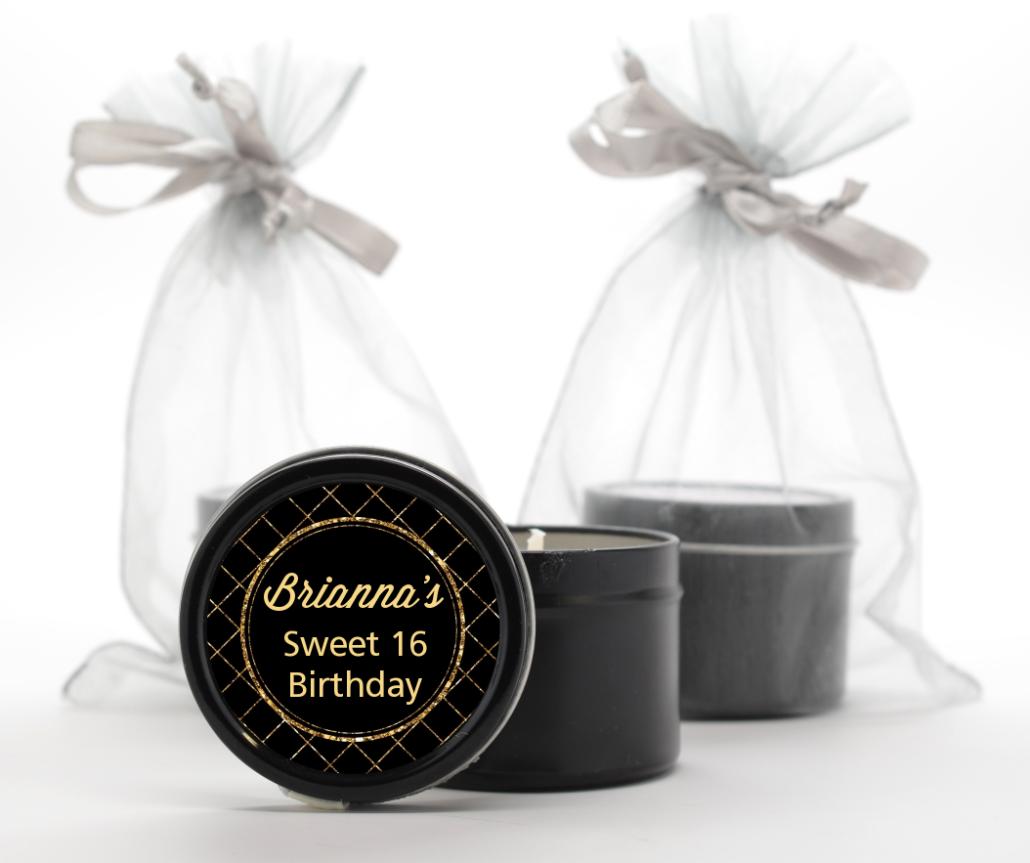
For candle gift sets, 2 oz and 6 oz tins are highly practical choices. Small candle tins are ideal for inclusion in gift sets, sample packs, wedding favors, and holiday gift boxes. They are easy to display and price. If the gift aims to evoke a sense of luxury or convey lasting value, designers may choose larger candle tins as more appropriate. For high-end home fragrance products, 10 oz or 12- to 16 oz candle tins are often the optimal choice. These sizes allow for a better showcase of the product’s design while also extending its burn time.

How Do You Choose the Right Capacity

Selecting the Ideal Capacity

Choosing the right candle tin capacity is not merely a matter of packaging; it directly impacts burn performance, fragrance throw, consumer satisfaction, and brand perception. While 4 oz and 8 oz tins remain the industry standard for small-batch production and retail success, exploring alternative sizes—such as 2 oz, 6 oz, and 10-to-16 oz—enables brands to more effectively target specific market segments, from trial-size offerings to mid-range and high-end markets. Furthermore, customizing candle tins enables brands to differentiate their products while maintaining consistent product quality and functionality.

Solve Stationery Tin Lid Loss: Secure Built-In Hinged Lid Stationery Tins

Once the lid of a metal stationery tin is inadvertently lost, the product immediately appears unreliable in the eyes of consumers and users, and its practical utility is severely compromised. Although this may sound like a trivial matter, a missing lid does indeed cause genuine inconvenience for users. Furthermore, it imposes hidden costs on the brand—including customer complaints, return processing, and even a decline in repurchase rates. Yet, these very customers typically seek stationery packaging that embodies two key elements: aesthetic appeal and practical functionality. One of the most effective ways to address missing lids is to adopt “hinged lid stationery tins” with a built-in hinge mechanism. This design ensures the lid remains securely attached to the tin’s body at all times, safeguarding the product’s usability and enhancing the overall user experience.

Why Are Traditional Stationery Tins Prone to Lid Detachment?

Traditional stationery tins employ a detachable lid; consequently, during repeated daily use, it is almost inevitable that the lid will eventually separate from the box. When carried in a schoolbag, the lid is highly susceptible to being lost. Once lost, the stationery box forfeits its reliable storage function, leading to a decline in its actual usage. From a brand’s perspective, a missing lid triggers a cascade of subsequent issues. It diminishes the consumer’s perception of the product’s quality, increases the risk of stationery spilling out, and casts a negative shadow over the customer experience. Over time, this can lead to higher product return rates and significant erosion of brand trust.

In real-world usage scenarios, this problem becomes even more pronounced. Students frequently need to open and close their stationery tins during class—particularly in fast-paced or distraction-filled environments. These minor annoyances can accumulate into a larger perceived problem, leading consumers to associate the product with inconvenience or unreliability. This, in turn, directly impacts brand loyalty and future purchasing decisions.

How ​​Do Hinged-Lid Stationery Tins Solve This Problem?

Stationery tins with hinged lids address this issue at a fundamental structural level by permanently affixing the lid to the box body. This built-in hinge design ensures the lid remains securely attached throughout the product’s lifecycle, eliminating the risk of loss. Furthermore, the hinged structure significantly enhances user convenience. Users can effortlessly open and close the box without handling separate, loose components. This not only boosts the product’s functional utility but also delivers a smoother, more satisfying overall user experience. For brands, this translates into enhanced product reliability and a more professional brand image.

Beyond mere convenience, a hinged mechanism offers a level of stability and consistency that detachable lids cannot match. The user experience remains consistent every single time the product is used. Furthermore, this integrated design minimizes the risk of damage during handling; even when subjected to movement or external pressure, the lid remains perfectly aligned with the container body.

How ​​Do Hinged-Lid Stationery Tins Solve This Problem

Production Processes and Design for Hinged Stationery Tins

The structural integrity of a hinge depends fundamentally on the materials used in its construction. At TSING, we use tinplate to manufacture our hinged stationery tins—a material known for its high rigidity, excellent formability, and consistent performance. Additionally, we carefully assess the appropriate tinplate thickness based on the intended application of the stationery tin. For lightweight pencil cases, a medium-gauge tinplate is typically sufficient. However, for larger tins intended for gift sets or premium stationery collections, a thicker tinplate gauge may be required. The key lies in striking a balance: the packaging must be robust enough to maintain its structural integrity while remaining easy to manufacture and easy for consumers to open.

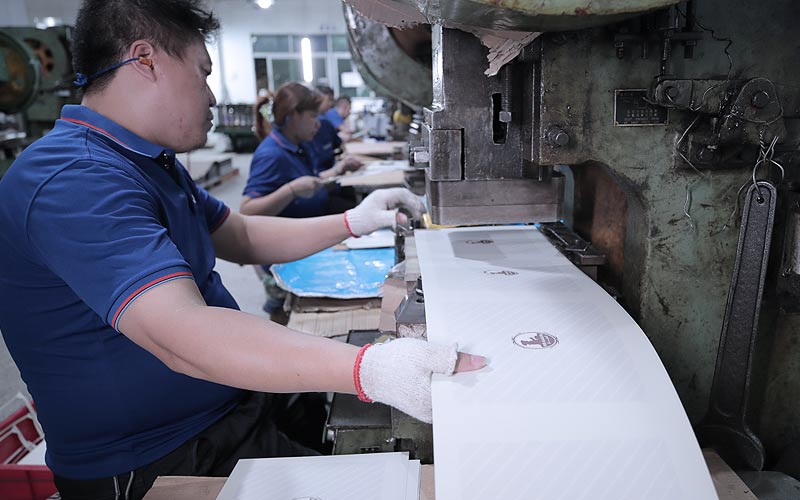
In terms of production, TSING employs precision stamping and forming processes to ensure the flawless alignment of the body, lid, and hinge components. Regarding surface finishes, we apply protective coatings—both internally and externally—to shield the metal from abrasion, scratches, and corrosion. At TSING, we ensure that these decorative finishes reinforce the tin’s structural integrity without compromising its strength. This approach ensures that our tins remain durable over time, consistently retaining both their aesthetic appeal and their functional utility.

Design Features That Enhance Usability and Security

One of the primary reasons consumers favor hinged lid stationery tins is the added convenience they bring to daily use. With the lid permanently attached to the body, users can open the tin with a single hand, allowing them to access their contents and resume their work seamlessly.

A thoughtfully designed hinge also enhances security. Detachable lids are prone to clutter, to easily getting lost inside a bag, or to falling onto the floor. A fixed, hinged lid eliminates these risks. For brands targeting children, students, or gift-buyers, these seemingly minor design details can have a profound impact on building consumer trust. Furthermore,

We also pay close attention to the tactile experience of opening the tin. A superior hinge design should operate smoothly—neither too loose nor too stiff—to ensure a satisfying and effortless user experience. If the hinge is too loose, the lid might snap open abruptly, giving the product a cheap feel; conversely, if it is too tight, it becomes inconvenient to use. Therefore, our designs ensure a balance: providing just enough resistance to feel secure without causing any inconvenience to the user. This balanced design is one of the primary reasons why the hinged lid stationery tins produced by TSING are generally more popular in the stationery market than those with detachable lids.

Design Features That Enhance Usability and Security

Customization Options for Various Brands

Customization is a common feature in stationery packaging. Many buyers seek more than just storage functionality; they want products that reflect individuality and showcase their brand image. Hinged lid stationery tins perfectly meet these demands, as their structure offers a clean surface ideal for decoration while remaining sturdy and practical.

At TSING, we offer a wide range of customization options for our tin stationery cases, including full-color printing, spot-color branding, embossing, debossing, matte finishes, gloss coatings, and soft-touch textures. The hinged structure integrates seamlessly with all these techniques, allowing brand identities to stand out with greater prominence and consistency.

For clients designing gift sets, customization is even more critical. The tin case—whether holding colored pencils, markers, erasers, or sketching tools—should be an integral part of the gift experience. We also assist brands in adapting their design patterns to the hinged structure; designers can create fluid patterns that flow continuously across the entire surface, or craft harmonious visual effects that bridge the gap between the lid and the body of the case. Compared to designs with detachable lids, this approach offers brands greater flexibility. It eliminates the risk of the lid getting lost or appearing visually disconnected from the main packaging.

Customization Options for Various Brands

Enhancing the User Experience

Hinged lid stationery tins effectively resolve the common problem of lost lids while significantly enhancing usability, durability, and brand perception. By integrating the lid directly into the case structure, these stationery tins provide a reliable, user-friendly packaging solution well-suited to various practical settings, such as schools. From a manufacturing perspective, the combination of high-quality tinplate, precision engineering, and rigorous quality control ensures that our custom hinged tin cases can withstand the rigors of repeated use. At the same time, its powerful customization potential enables brands to elevate their visual identity and create a more engaging visual experience.

Custom Metal Tins 2-2

Addressing Global Export Compliance: Custom Metal Tins Certified by Intertek/Sira/SMETA

A beautifully designed tin container alone is no longer sufficient to satisfy the demands of international buyers or meet stringent regulatory requirements. Today, brands and retailers expect their suppliers not only to deliver high-quality products but also to demonstrate, before shipment, that these products comply with safety, ethical, and environmental standards. This is particularly critical for custom metal tins, which are widely used in sectors such as food and cosmetics, where safety and durability are paramount. For manufacturers and exporters of custom metal tins, obtaining certification from internationally recognized bodies—such as Intertek, Sira, and SMETA—serves as powerful evidence of their products’ compliance, reliability, and responsible production practices. These certifications provide buyers with assurance that the metal tins meet all applicable legal, safety, and ethical standards and will perform exceptionally well in their intended applications.

Global Compliance Requirements for Custom Metal Tins in International Trade

For manufacturers exporting custom metal tins, compliance is far more than just a burdensome administrative formality; it is an essential strategic imperative. International trade regulations are designed to safeguard consumer safety, prevent environmental pollution, and uphold ethical labor practices. Non-compliance can result in customs delays, product recalls, hefty fines, and even permanent bans from certain markets. For instance, metal tins used for food packaging that contain undetected levels of heavy metals could trigger product recalls and lawsuits, causing severe damage to a brand’s reputation.

Furthermore, global brands are increasingly relying on third-party certifications to verify the credibility of their suppliers. Certifications—such as Intertek testing reports or SMETA ethical audits—provide independent verification that products meet internationally recognized standards. The absence of such documentation for exported custom tin cans can act as a significant barrier to market entry in key global regions.

International Trade

Regulatory and Testing Standards for Custom Metal Tins

To meet international compliance standards, manufacturers of custom metal tin must ensure their products undergo comprehensive safety and performance assessments. This includes both chemical and mechanical testing, as well as verification of ethical production practices. Laboratory testing ensures that the metal packaging materials are safe for consumers, a requirement that is particularly critical for food and cosmetic packaging. Typical testing protocols include heavy metal content analysis, migration testing for food-contact coatings, VOC testing, and coating adhesion testing. By ensuring their custom metal tins pass these rigorous tests, manufacturers can provide buyers with assurance that the tins are capable of safely storing products without contaminating their contents. Mechanical and Functional Performance Testing

Beyond chemical safety, functional durability is also paramount. Mechanical testing typically evaluates resistance to drops and impacts, compressive strength, and the reliability of lid seals. Ensuring that custom metal tins maintain their structural integrity during transit, handling, and storage minimizes product damage, prevents leaks, and reduces consumer complaints. Collectively, these assessments confirm that the metal cans are suitable for a wide range of applications—from food packaging to specialized consumer goods.

The Role of Intertek and Sira Certification in Custom Metal Tins

Intertek is an internationally recognized authority in product testing, providing independent laboratory verification services for packaging products. For custom metal tin, Intertek’s testing protocols include chemical safety assessments, migration testing for food-contact coatings, mechanical durability testing, and certification for compliance with target-market regulations. These test results provide objective assurance to buyers and regulatory bodies, confirming that the products are safe, reliable, and fully compliant with applicable laws and regulations.

Sira has long provided technical certification and conformity assessment services for industrial products. For manufacturers of custom metal cans, obtaining certification from Sira—or an equivalent technical body—demonstrates that their products meet recognized standards for performance and safety. Buyers often view such certifications as tangible proof of a product’s reliability and regulatory compliance. By combining Intertek’s testing with Sira’s technical verification, manufacturers can establish a robust compliance framework that significantly enhances their credibility within the global marketplace.

Sira

Ethical Production and Supply Chain Transparency for Custom Metal Tins

Modern buyers evaluate not only product quality but also the ethical practices underpinning its production. SMETA evaluates manufacturing facilities against a comprehensive, internationally recognized set of standards encompassing labor rights, workplace health and safety, environmental responsibility, and business ethics. For manufacturers of custom tin cans, successfully passing a SMETA audit serves as an independent, third-party certification—a powerful testament that their production processes uphold labor rights, strictly adhere to safety regulations, and embody environmentally responsible manufacturing principles. Furthermore, this distinction helps strengthen relationships with global brands—particularly those maintaining rigorous “ethical sourcing” standards for their consumer product packaging—thereby enabling suppliers to secure greater business opportunities in markets where Corporate Social Responsibility (CSR) is regarded as a critical factor in purchasing decisions.

Ethical Production and Supply Chain Transparency for Custom Metal Tins

Export Documentation and Compliance Records

Accurate and well-maintained documentation is essential for demonstrating regulatory compliance and ensuring smooth customs clearance. Manufacturers should compile a comprehensive documentation package that includes laboratory test reports, ethical audit certificates, MSDS, Certificates of Origin, and Declarations of Conformity. Robust documentation serves a wide range of purposes. For example, it provides buyers with proof of compliance, expedites customs clearance, and offers a basis for traceability in the event of product recalls or inquiries. Exporters of custom metal cans who maintain complete compliance records can mitigate business risks, bolster buyer confidence, and enhance their reputation as reliable and responsible suppliers.

Strengthening Global Trust Through Compliance Certification

In today’s highly competitive global marketplace, ensuring export compliance is paramount for packaging manufacturers. Certifications from organizations such as Intertek, Sira, and SMETA provide independent verification, attesting that custom metal tins are safe, reliable, and produced in accordance with ethical manufacturing standards. These certifications not only satisfy regulatory requirements but also boost buyer confidence, mitigate shipping risks, and enhance market competitiveness. By implementing structured quality management systems, maintaining accurate documentation, and committing to ongoing audits and testing, manufacturers can solidify their standing as trusted suppliers of custom metal cans.

Deep-Drawn Metal Tins 1-2(1)

What Makes Deep-Drawn Metal Tins More Durable Than Stamped/Welded Metal Tins?

Packaging durability is not merely a technical detail; it directly impacts product protection, brand reputation, and long-term operational costs. In industries such as food, cosmetics, and confectionery, packaging must withstand the rigors of shipping, stacking pressures, and repeated consumer use without deforming or sustaining damage. This is precisely where deep-drawn metal tins excel. Unlike traditional stamped or welded containers, deep-drawn metal tins are formed from a single, solid piece of metal, resulting in a seamless and structurally stable vessel. This manufacturing process eliminates weak connection points, thereby significantly enhancing mechanical strength. Consequently, many brands opting for custom metal tins for their premium packaging are increasingly gravitating toward deep-drawn metal tins.

Manufacturing and Structural Advantages of Deep-Drawn Metal Tins

The primary distinction between deep-drawn metal tins and stamped or welded containers lies in the production process. The deep-drawing process uses a punch to press a flat sheet of metal into a die, undergoing a series of controlled forming stages to ultimately create a seamless metal can. Stamped or welded tin cans, conversely, are produced by cutting and shaping individual metal components, which are then joined together via welding or mechanical fastening. While this method can be highly efficient for certain designs, it introduces additional connection points into the internal structure. These structural differences play a pivotal role in durability. A seamless, deep-drawn structure distributes stress uniformly throughout the container. In contrast, welded seams can concentrate stress at specific locations. Over time, these stress concentrations may lead to deformation or structural failure.

gold-candle-tins-2 (1)

Why Deep-Drawn Metal Tins Offer Superior Structural Integrity

One of the most significant durability advantages of deep-drawn metal tins is their seamless construction. Because the can body is crafted from a single piece of metal stock, there are no welded seams or overlapping joints. This seamless structure offers several performance benefits. First, it eliminates weak points where cracks or leaks might otherwise develop. Welded joints in traditional tin cans can sometimes lose strength under repeated stress or environmental exposure.

Second, the seamless structure enhances resistance to deformation. When a tin can is subjected to impact or compression, the resulting stress is distributed throughout the entire structure rather than concentrated at the weld seams. Third, the seamless body contributes to superior long-term reliability. Due to the reduced number of structural interfaces, the risk of corrosion or fatigue occurring at connection points is correspondingly lowered. For high-quality, custom-made tinplate cans, this structural integrity ensures the packaging remains reliable throughout shipping, storage, and consumer use.

Why Deep-Drawn Metal Cans Offer Superior Structural Integrity

Dimensional Precision Ensures Reliable Packaging Performance

Durability is closely linked to manufacturing precision. Deep-drawn metal tins exhibit exceptional dimensional accuracy because they are formed through a meticulously controlled molding process. During deep drawing, the metal flows uniformly into the die, forming a body with consistent wall thickness and precise geometry. This uniformity enhances the container’s overall mechanical balance and mitigates the risk of localized stress concentrations.

In contrast, stamped or welded cans typically require multiple forming steps and assembly operations. Each step carries the potential to introduce slight dimensional deviations. Over time, these deviations can compromise the lid’s fit, the seal’s integrity, or the container’s structural strength. Dimensional consistency is particularly critical for custom tinplate cans destined for use in automated filling or packaging lines. Reliable tolerances ensure a secure lid seal and guarantee smooth, uninterrupted operation during high-speed production processes.

Performance, Durability, and Practical Advantages of Deep-Drawn Metal Tins

One of the most significant advantages of deep-drawn metal tins is their mechanical strength. Their seamless construction and uniform wall thickness significantly enhance their ability to withstand mechanical stress. Deep-drawn tin cans typically outperform their counterparts in impact, compression, and stacking simulations. Because the material structure remains continuous, external forces are distributed evenly across the entire container. Conversely, stamped or welded tin cans may deform near their seams under intense pressure or repetitive impacts. For brands utilizing custom tin cans to ship fragile or premium products, this enhanced mechanical strength translates into lower damage rates and superior product protection during transit.

Corrosion Resistance and Long-Term Durability

Beyond mechanical strength, environmental durability is another critical factor in packaging performance. Deep-drawn metal tin generally offers superior corrosion resistance, as its seamless structure minimizes areas where moisture can accumulate. The welded seams found in traditional tin cans can sometimes trap moisture or chemical residues, thereby increasing the risk of localized corrosion over time. Seamless containers, conversely, mitigate this risk and enhance the effectiveness of protective coatings.

Furthermore, the coating process typically applied to deep-drawn metal tins results in a more uniform finish. This improves their long-term resistance to moisture, temperature fluctuations, and other environmental conditions. For industries such as tea, confectionery, cosmetics, and specialty foods, this durability ensures that custom tinplate containers maintain both their aesthetic appeal and protective functionality throughout the entire product lifecycle.

Performance, Durability, and Practical Advantages of Deep-Drawn Metal Tins

Superior Durability

When selecting metal packaging solutions, durability should always be a primary consideration. Thanks to their seamless construction, uniform material structure, and exceptional mechanical properties, deep-drawn metal tins offer distinct advantages over stamped or welded alternatives. By eliminating weld seams, these containers reduce potential points of failure while enhancing resistance to impact, compression, and corrosion. Their precision manufacturing process also guarantees dimensional consistency and reliable sealing performance.

Custom Tin Packaging 2-2

Bulk Custom Tin Packaging Cut Packaging Costs by 30% for a Large Confectionery Manufacturer

For many candy brands, packaging is not only a branding tool but also a high operating cost. Many manufacturers invest heavily in high-end packaging to enhance shelf appeal and protect fragile candies. However, without strategic planning, packaging costs can quickly escalate due to small production batches, complex designs, and inefficient supply chains. A large candy manufacturer that TSING worked with successfully reduced its packaging costs by nearly 30% by redesigning its packaging strategy and transitioning to bulk custom tin packaging, while maintaining high product quality and brand image. This case study illustrates the key factors driving cost savings and how businesses can apply similar strategies when choosing custom tin cans for their products.

Why do candy brands often overspend on custom tin can packaging?

Many candy companies choose custom tin can packaging because it is durable, has a premium look, and effectively differentiates the brand. However, these advantages can sometimes lead to unexpectedly high costs. One major reason is small-batch production. Seasonal products, promotional items, and frequent design updates often require multiple short production cycles. Each cycle involves setup time, mold adjustments, and printing preparation, significantly increasing the unit cost of custom tin cans.

Another common problem is overly complex packaging design. Decorative elements such as multi-layer coatings, embossing, and special surface treatments increase production time and material consumption. While these features enhance visual appeal, their functional value is often limited relative to their cost. Furthermore, inefficient logistics add hidden costs. When custom tin packaging is produced in small batches, unit transportation costs are higher, and warehouse space utilization is lower. These factors combined drive up the overall packaging budget.

Candy Tin Can Packaging

To improve cost-effectiveness, a shift to bulk custom tin packaging is needed

To address these challenges, this confectionery manufacturer partnered with TSING to develop more efficient bulk custom tins packaging. The primary goal was to reduce unnecessary complexity while maintaining a strong brand image and product protection. The first step was standardizing packaging specifications. Instead of producing multiple tin can sizes, the company consolidated its product line into a single set of smaller, standardized custom tin cans. This allowed the manufacturer to produce larger quantities at once, significantly reducing setup and mold costs.

Next, TSING’s design team optimized the structure of the custom tin cans. Material thickness was carefully evaluated to ensure durability without excessive material use. By adjusting tinplate specifications and improving structural design, raw material consumption was reduced while maintaining product strength. Finally, production planning was optimized. By consolidating orders into larger production cycles, the company fully leveraged economies of scale. Therefore, the unit cost of bulk custom tin packaging was significantly reduced.

To improve cost-effectiveness, a shift to bulk custom tin packaging is needed

How to Reduce Packaging Costs by 30%

First, material optimization reduced raw material costs. By selecting the most suitable tinplate thickness for each product type, the manufacturer reduced material usage without compromising packaging durability. Second, mass production reduced mold and setup costs. When producing a large number of custom tin cans in a single production cycle, machine setup time and labor costs can be spread across more products, thus reducing the average cost per unit.

Third, printing and post-processing processes were simplified. Instead of using multiple specialized post-processing techniques for each product, the company adopted a streamlined printing strategy that ensured visual quality while reducing production complexity. Furthermore, improvements in logistics further reduced costs. Optimized carton dimensions and pallet configurations improved transport efficiency and reduced transportation costs. These improvements, combined, resulted in a total cost reduction of approximately 30%, saving the confectionery company high annual costs.

Implementation of Custom Tin Packaging and Its Long-Term Benefits

One of the biggest concerns when reducing packaging costs is the potential impact on brand perception. Confectionery products typically rely on attractive packaging to attract customers and convey a message of quality. In this project, TSING ensured that the optimized custom tins packaging maintained the premium look consumers expected. High-quality printing techniques and carefully selected surface treatments perfectly preserved the packaging’s visual impact.

Meanwhile, the structural integrity of the custom tin cans was thoroughly tested. These tin cans were designed to withstand transport, stacking, and repeated handling without deformation or damage. By balancing cost-effectiveness and product presentation, the manufacturer successfully maintained its brand image while achieving significant cost reductions through bulk custom tin packaging.

To improve cost-effectiveness, a shift to bulk custom tin packaging is needed

Operational Improvements from Bulk Custom Tin Packaging

In addition to cost savings, adopting bulk custom tin packaging also improved the confectionery manufacturer’s operational efficiency. Standardized packaging simplifies inventory management. The company no longer needs to store cans of various sizes and components; managing only a smaller variety of standardized custom tins reduces storage complexity and improves production planning. Production planning also becomes more predictable. Mass production enables the company to schedule packaging production during peak sales seasons, ensuring sufficient packaging supply when demand increases. Furthermore, supply chain coordination has improved. Partnering with an experienced custom tin packaging supplier resulted in smoother communication, faster problem-solving, and more consistent product quality.

Reducing Costs Through the Right Packaging Strategy

This case demonstrates that bulk custom tin packaging can significantly reduce packaging costs while maintaining high product standards. Through careful design optimization, standardized packaging formats, and efficient mass production, this confectionery manufacturer successfully reduced packaging costs by 30%. Equally important, these improvements did not compromise the visual quality or durability of the custom tin packaging. Instead, they created a more efficient and scalable packaging strategy, supporting the company’s long-term growth.

Cigarette Tin Case 2(1)

Solve Accidental Opening: Hinged Lid Cigarette Tin Case for Secure Storage

Accidental opening of small, portable cigarette cases is a fairly common problem. For cigarette users and brands, loose lids can lead to product damage, leakage, and a poor packaging experience. A cigarette tin case effectively solves this problem by combining durable materials, a precision hinge design, and a reliable securing mechanism. Among numerous packaging options, hinged cigarette tins allow users to open the lid smoothly while preventing accidental detachment or opening. This packaging method addresses these issues perfectly, offering secure closure, resealable seals, and a superior user experience.

The Structural Design Behind the Secure Cigarette Tin Case

A weak sealing system, insufficient material strength, or an inadequate lid design usually causes accidental opening of cigarette cases. Many simple tin cases rely solely on slight friction between the lid and the case for sealing, which can easily loosen during transport or daily use.

When the cigarette tin case is placed in a pocket, bag, or storage compartment, external pressure and shaking can gradually open the lid. If the sealing mechanism is not strong enough, the lid may open accidentally, causing cigarettes to fall out or become damaged. This problem not only affects product safety but also negatively impacts consumer perception of the brand. Hinged cigarette cases solve this problem by integrating the lid directly into the case body. Because the lid is physically connected to the case body, it is less prone to detachment or accidental opening compared to detachable lids. This structural connection significantly improves the packaging’s reliability.

Hinged Lid for Enhanced Cigarette Tin Case Stability

The hinge is the most important mechanical component in a cigarette tin with a hinged lid, ensuring consistent alignment between the lid and the case body. Several hinge designs are commonly used in cigarette case manufacturing. Press-fit metal hinges are made directly from tinplate, resulting in a seamless appearance. When properly manufactured, these hinges are both economical and durable. Another option is a cylindrical or pin hinge, which utilizes interlocking metal rings and a small pin to form a more secure pivot point. Furthermore, high-quality hinges ensure smooth opening and closing of the lid and a secure closure when not in use. This balance of ease of use and safety is crucial for a practical cigarette case. TSING has meticulously optimized its hinge design to maintain its durability even after thousands of opening and closing cycles.

cigarette tin case 1-1

Lid Fixing and Edge Design of Cigarette Tin Cases

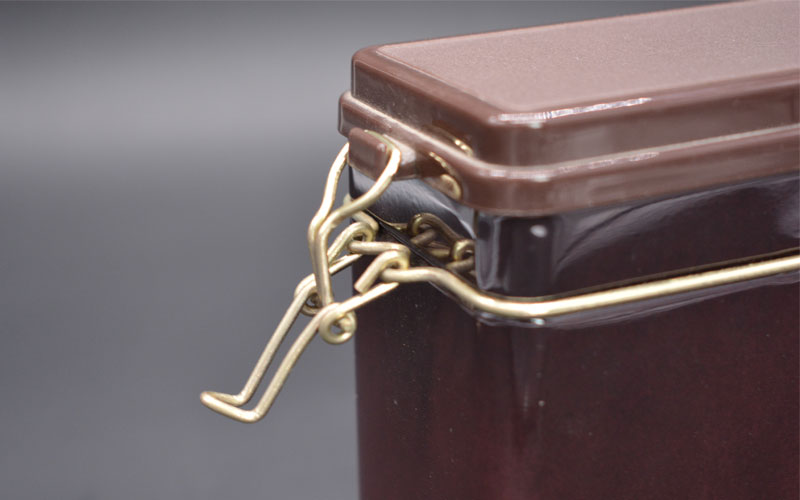
Besides the hinge, the design of the lid and edges plays a crucial role in preventing accidental opening. Even with a hinge, the lid must fit snugly against the body of the cigarette case. As a tin can manufacturer, we typically use a tapered design, rolled edges, or structural flanges around the opening. These designs enhance the rigidity of the can and increase the contact area between the lid and the can body. Therefore, even if the can is subjected to vibration or pressure, the lid will remain firmly closed. In some designs, TSING adds a small positioning or snap-fit ​​mechanism that produces a slight “click” when the lid closes. This feedback ensures that the hinged cigarette case is properly sealed and reduces the possibility of accidental opening.

Manufacturing Quality and Durability of Hinged Lid Cigarette Cases

The durability of a cigarette tin case begins with the selection of high-quality materials. Most cigarette tin cases are made of tinplate. We carefully select the thickness of the tinplate to ensure structural stability without making the container too heavy. This robust material reduces the risk of deformation, which would weaken the lid’s closing force. In addition, we apply a protective coating to both the inner and outer surfaces of the hinged-lid cigarette case. The interior uses a food-grade or protective varnish to prevent corrosion and ensure product safety. The exterior is enhanced with printing and varnishing to improve appearance while protecting the surface from scratches and abrasions. These materials and coatings work together to ensure the cigarette case remains durable and aesthetically pleasing throughout its lifespan.

Manufacturing Quality and Durability of Hinged Lid Cigarette Cases

The Best Packaging for Safe Cigarette Storage

Among numerous packaging options, the hinged cigarette case, with its durable tinplate construction, precise hinge design, reinforced edge structure, and rigorous quality control, enables manufacturers to produce cigarette cases that remain secure even under harsh conditions. These design features ensure the lid opens smoothly when needed and closes securely during transport and daily use.

100g Green Tea Tins

How to Avoid Deformation: Durable 0.23-0.30mm Tinplate 100g Green Tea Tins

Choosing the right packaging for premium tea products is not just about appearance; it also involves durability and structural stability. Many tea brands face a common problem when selecting packaging: thin, low-quality Tea Tinss are prone to deformation during transportation, stacking, or retail handling. Deformation not only affects the packaging’s visual appeal but also the product’s freshness and the brand image. Tsing’s 100g Green Tea Tins, made from 0.23–0.30 mm-thick tinplate, are the preferred choice for many tea brands. TSING’s material thickness, molding process, lid structure, and quality inspection all play a crucial role in preventing deformation. By combining durable tinplate with optimized manufacturing processes, we can create green tea tins that are shape-stable, protect the tea, and enhance the product’s overall value.

Material Strength and Structural Design of the 100g Green Tea Tins

Material thickness is one of the key factors affecting the structural strength of the 100g green tea tins. A 0.23-0.30 mm thick tinplate balances rigidity, durability, and machinability. If the tinplate is too thin, the can is more prone to denting during transport or handling. Even slight stacking pressure can cause noticeable deformation. Conversely, a thicker tinplate significantly improves the can’s resistance to pressure and impact. This extra rigidity ensures the green tea can maintain its shape even under actual logistical conditions. Another advantage of this thickness range is the ability to provide a premium feel. For tea brands targeting the high-end or gift market, the tea’s structural strength can play a crucial role in shaping consumer perception.

0.23-0.30 mm thick tinplate

Structural Reinforcement Characteristics of 100g Green Tea Tins

In addition to material thickness, structural design also significantly affects the durability of 100g green tea tins. Manufacturers can employ various reinforcement techniques to improve their resistance to deformation. A common solution is rolled edges or reinforced edge structures. This design reinforces the can opening and helps distribute pressure more evenly when opening, closing, or stacking. Without proper edge reinforcement, the top of the can may bend or deform over time.

Another effective technique is to use structural ribs or round reinforcing strips on the tea can body. These ingenious design elements enhance the rigidity of the can walls, much like building columns support a structure. Therefore, the green tea tins can withstand greater external pressure without deforming. Meanwhile, the carefully designed bottom structure enhances load-bearing capacity, preventing deformation when the canister is stacked in shipping cartons or retail display shelves. By cleverly balancing these structural features, TSING ensures that the 100g green tea tins combine strength and aesthetics.

Structural Reinforcement Characteristics of 100g Green Tea Tins

Manufacturing Process and Quality Control of the 100g Green Tea Tins

At TSING, the first key process is precision stamping, which processes tinplate sheets into the cylindrical structure of the can. Modern forming equipment ensures uniform canister wall thickness and a smooth surface, avoiding weak points that could lead to dents. Another important step is deep drawing technology, which shapes metal without causing excessive stress or structural damage. Proper deep drawing ensures consistent strength throughout the canister. After forming, each component undergoes trimming and shaping processes to achieve precise edges and dimensions. This high precision ensures a perfect fit for the lid while maintaining the overall strength of the Tea Tins. Through a rigorously controlled production process, TSING’s 100g green tea tin is durable and performs exceptionally well.

Surface Coating and Protection of Green Tea Tins

Surface treatment also contributes to the long-term durability of green tea tins. Without a proper protective coating, tin cans are susceptible to corrosion or environmental damage. The interior is coated with a food-grade protective varnish to prevent direct contact between the tea leaves and the metal surface. This coating protects the tea’s flavor while maintaining the canister’s structural integrity.

Furthermore, on the exterior, decorative coatings and printing layers not only enhance brand value but also provide additional protection. High-quality coatings prevent scratches, oxidation, and minor surface damage that could otherwise weaken the canister’s structure. For premium tea packaging, we also offer surface treatments, including matte, glossy, and special textures. These processes enhance the visual appeal of the 100g green tea tins while ensuring their durability during transportation and retail. By combining structural strength with protective coatings, TSING ensures that its Tea Tins are both functional and aesthetically pleasing.

Surface Coating and Protection of Green Tea Tins

H3: Quality Inspection Ensures 100g Green Tea Tins Remain Undeformed

To guarantee reliable packaging performance, each batch of 100g green tea cans undergoes rigorous quality control procedures. Inspections ensure the tin cans can withstand the pressures of transportation, storage, and consumer use. An important test is the compression or stacking test, which measures the tin cans’ ability to resist vertical pressure when stacked in a carton. This test simulates actual transportation conditions to verify the container’s structural stability.

Another important assessment is the drop test, which determines whether the tin cans can withstand accidental impacts without significant deformation. Since packaging is frequently subjected to minor drops during logistics, this test is crucial for durability. Other inspections include dimensional checks, coating adhesion tests, and corrosion resistance assessments. These procedures ensure that every green tea that leaves the factory meets stringent quality standards.

Durable, Deformable Green Tea Packaging

Factors such as tinplate thickness, structural design, manufacturing precision, and quality inspection all affect the container’s overall durability. Using a tinplate with a thickness of 0.23–0.30 mm significantly reduces the risk of dents and deformation. With reinforced edge construction, precision molding processes, and a protective coating, these tinplate containers excel throughout the supply chain. Durable materials, advanced manufacturing processes, and rigorous quality control ensure that these tea tins maintain their shape, protect the tea leaves inside, and provide a superior packaging experience.

custom tin boxes 1-2(1)

What are some structural methods for achieving high sealing performance in custom tin boxes?

In product packaging, airtightness is a structural necessity. Whether packaging matcha, premium loose tea leaves, coffee powder, spices, or fine powders, poor sealing directly affects product freshness, aroma retention, and stability. Even with extremely low levels of oxygen, moisture, or external contaminants, the product begins to degrade once inside the container. Over time, this leads to flavor loss, clumping, discoloration, or chemical instability. Based on TSING’s production experience, most sealing defects in custom tin boxes are not due to material defects, but rather to neglecting structural details during the design process. Even minute gaps in lid alignment, insufficient compression, or slight deformation caused by stacking pressure can allow oxygen to seep in, moisture to penetrate, or aroma to diffuse. This results in problems such as oxidation, clumping, flavor deterioration, or leakage.

Matching Sealing Structure to Product Category

Different products require different sealing standards. For example, premium tea leaves and matcha are highly sensitive to oxygen and light. Even small amounts of air can significantly reduce their aroma intensity and antioxidant value. In contrast, spices or fine powders require extremely strong moisture resistance to prevent clumping and microbial growth. Liquids or semi-liquids place higher demands on packaging structures, as container tilting, shaking, or temperature changes significantly increase the risk of leakage. Therefore, the choice of sealing structure for custom tin boxes must be matched to the product’s physical properties, moisture content, volatility, and storage conditions. At TSING, we advise clients to inform us of their product’s sensitivities before selecting a custom tin box configuration. By matching the sealing technology to the product type, brands can ensure consistent product quality and minimize risk.

premium tea leaves and matcha

Three High-Sealing Custom Tin Box Structures

The first is the inner plug lid, one of the most effective structural upgrades for high-end custom tin boxes. This sealing method adds a sealing component beneath the outer lid, which can be a food-grade plastic inner plug or a precision-fitting metal inner lid. A well-designed inner plug lid forms a double barrier, significantly reducing oxygen exchange and aroma escape.

Mechanically, the inner plug presses tightly against the inner wall of the custom tin box. This compression creates circumferential contact pressure, restricting airflow even with slight deformation of the outer lid. Furthermore, the cavity formed between the inner plug and the outer lid acts as a buffer, reducing the risk of direct exposure to the environment. This structural design is particularly effective at preserving volatile compounds, which are crucial to premium matcha products. Because the sealing mechanism relies on structural compression rather than simple adhesives, its durability remains stable even with repeated opening and closing.

Ideal Applications for Double-Sealed Custom Tin Boxes

This double-sealing solution is especially important for matcha powder, premium bulk tea, specialty coffee powder, and high-value nutritional supplements. High-end tea brands prefer custom tin boxes with inner stopper lids because aroma retention directly impacts consumers’ perception of the tea’s freshness and authenticity. Furthermore, the secondary sealing structure enhances the unboxing experience. When customers open the outer lid and discover the extra protective layer, they associate the packaging with premium materials and craftsmanship. From a brand positioning perspective, double-sealed custom tin boxes enhance consumer trust. In export markets, this structure also effectively prevents humidity fluctuations during sea transport and improves the product’s long-term stability.

Ideal Applications for Double-Sealed Custom Tin Boxes

Gasket and Lining Technology

Another effective way to improve sealing performance is to integrate gasket or liner technology inside the lid. Commonly used materials include PVC gaskets, silicone sealing rings, and EPE foam liners. Each material has different compression characteristics, chemical resistance, and temperature resistance.

PVC sealing rings offer cost-effective flexibility and are widely used in food packaging. Silicone sealing rings offer superior durability, high-temperature resistance, and a longer service life, making them suitable for high-end packaging solutions. EPE foam liners are lightweight and compressible, making them particularly suitable for dry powders. These gasket materials are precisely injected or embedded into the lid’s inner groove during manufacturing. When the lid is closed, the liner fits snugly against the edge of the custom tin box, compensating for minor irregularities between the metal surfaces. This design ensures a more uniform sealing contact and significantly reduces air exchange.

Gasket and Lining Technology

Functional Advantages of Gasket Sealing for Custom Tin Boxes

Gasket technology improves sealing performance without requiring complex structural redesign. As a flexible interface between rigid metal components, it minimizes the impact of dimensional tolerances. Furthermore, gaskets absorb minor mechanical shocks during transportation, reducing the risk of seal breakage. This method is suitable for powdered health supplements, fine fragrances, oil-based ointments, and certain semi-liquid products. For brands concerned about oxidation, moisture absorption, or minor leaks under pressure, custom tin cans with sealing gaskets offer a balanced solution between cost and performance.

Seamless Deep-Drawn Structure of Custom Tin Boxes

Seamless or deep-drawn forming represents the highest standard of structural sealing in custom tin can manufacturing. This process uses continuous forming, stamping from a single sheet of tinplate, resulting in no weld seams on the can’s sidewalls and bottom.

Traditional welded cans have potential weak points at the seams. Over time, vibration, pressure, or corrosion can damage these areas. Seamless structures eliminate this structural defect. Because the can is formed from a single material, the integrity of the entire container remains consistent. Furthermore, deep-drawn tin cans offer greater resistance to pressure and impact. Their overall structure distributes external forces more evenly, reducing the risk of deformation during stacking and transportation.

Seamless Deep-Drawn Structure of Custom Tin Cans

When to Choose Deep-Drawn Custom Tin Boxes?

This structural approach is ideal for liquid products. These fine powders are prone to leaking, hygroscopic, and require high durability for export products. For products that may be exposed to temperature fluctuations or stored for long periods, seamless custom tin cans offer enhanced security. While the mold costs for deep-drawing processes are higher, their long-term reliability usually justifies the investment. Brands can benefit from reduced leak claims, improved product safety, and increased consumer confidence. When used in conjunction with gaskets or secondary sealing systems, seamless custom tin cans achieve exceptional sealing performance.

How to Choose the Right Sealing Method for Your Custom Tin Cans

Each sealing method emphasizes a different balance between protection level and production cost. Inner-plug sealing systems better preserve aroma but require additional components and assembly processes. Gasket-lined sealing systems offer effective moisture protection at a moderate cost. Seamless structural sealing systems offer superior construction but require advanced molds. Therefore, when providing a suitable sealing structure for a custom tin can solution, we consider product sensitivity, expected shelf life, regulatory requirements, and target market positioning. High-end brands typically prioritize maintaining product freshness to the maximum extent possible. In contrast, mass-market products may focus more on cost-effectiveness while ensuring adequate protection.

Label-Friendly 8oz Candle Tins 1

Guide to Label-Friendly 8oz Candle Tins for Easy Brand Sticking & Printing

Labels for candle brands and product information often develop wrinkles, bubbles, or slight misalignment due to uneven metal surfaces. Consumers subconsciously question the packaging’s quality, and the candle tin’s quality is affected as well. Even with excellent wax formulas, packaging flaws diminish consumers’ perception of product value. Therefore, Tsing addresses the root cause of inefficient labeling. We’ll use 8oz candle tins as an example to illustrate how our technological processes solve this problem.

Reasons for Weak Label Adhesion in 8oz candle tins

Many labeling failures stem from improper control of variables during the molding process. During the deep drawing and trimming of 8oz candle tins, internal metal stress can cause slight substrate deformation. Even deviations of less than one millimeter can create bubbles beneath the label. Furthermore, inconsistent wall thickness, overlapping seams, or poor mold polishing can produce minute surface defects invisible to the naked eye but affecting adhesive bonding.

Additionally, dimensional variations between different production batches affect the accuracy of automated labeling. If diameter or height variations exceed tolerances, the labeling machine needs recalibration, increasing downtime and waste. Standard candle tins not designed for labeling performance often incur hidden operating costs.

Easy-to-Label 8oz Candle Bottom Flatness Control

Bottom flatness is one of the most critical factors affecting label performance. When the bottom is uneven, the label bridges across the curved surface instead of adhering evenly. Over time, temperature fluctuations or handling stress can cause edge lifting. At TSING, we maintain flatness within ±0.25 mm as a standard benchmark using calibrated deep-stretch parameters, optimized annealing processes, and precision trimming. For customers using high-speed automated labeling production lines, we can further improve flatness tolerances. A secondary leveling process and advanced inspection instruments ensure consistency. This structured approach ensures a consistent adhesive surface for every batch of easy-to-label 8oz candle tins, reducing scrap rates and minimizing rework on the packaging line.

Easy-to-Label 8oz Candle Bottom Flatness Control

Seamless Construction and Dimensional Accuracy

We use seamless, stretch-formed candle tins for superior label-printing results. The seamless structure eliminates vertical welds that can cause height variations or affect label wrapping. Higher concentricity enhances visual symmetry, especially beneficial for full-wrap printing designs. Furthermore, the seamless label body has a more uniform wall thickness distribution, improving structural strength and surface uniformity. To ensure dimensional accuracy, TSING applies SPC throughout the production process. Key parameters, including outer diameter, can height, and flange radius, are continuously monitored. This proactive monitoring ensures the candle tin remains compatible with automated labeling systems throughout long production runs.

Seamless Construction and Dimensional Accuracy

Surface Finish and Design Strategy for 8oz Candle tins

Surface chemistry is equally crucial to label performance. Adhesives must “wet” the metal surface to achieve optimal bond strength. If surface energy is too low, the label may initially adhere but gradually detach. TSING uses high-quality primers and leveling varnishes to increase surface energy and create a uniform adhesive substrate. We routinely perform dyne testing to confirm compatibility with commonly used pressure-sensitive adhesives. For matte or soft-touch finishes, we adjust the formulation to maintain sufficient surface energy. While these decorative finishes enhance the tactile experience, they must never compromise adhesive performance. By carefully balancing aesthetics and functionality, we ensure that the easy-to-label 8oz candle tins meet both brand promotion goals and operational reliability.

Label-Oriented Design Strategy

An effective tin can design considers labeling needs from the outset. For brands using front-mounted stickers, we can define a clear flat area to maximize contact surface. For full-coverage labels, concentricity and uniform diameter are primary considerations to ensure image alignment. Embossing or heavy textured finishes are placed outside the main label area to prevent distortion. We also recommend using rounded-corner stickers and providing sufficient safety margins around regulatory information and barcodes. These small design decisions reduce the risk of stickers detaching during shipping or storage. By aligning the tin can structure with the labeling strategy, Tsing makes candle tins the optimal packaging for consistent brand messaging.

Label-Oriented Design Strategy

Testing and Validation in Production

The reliability of the candle tins label performance must be verified through testing, not just assumptions. TSING employs 90° and 180° peel tests to evaluate adhesive strength. Environmental simulations, including high humidity and temperature cycling, reproduce actual storage conditions. These tests identify potential defects in adhesives or coatings before full-scale production. Each batch undergoes dimensional inspection, surface profile measurement, and coating thickness measurement. Comprehensive documentation ensures product traceability and transparency. This structured validation process guarantees that every batch of 8oz candle tins meets established performance standards and supports efficient labeling operations.

Making Candle Tins Present a Premium Display

Truly easy-to-label 8oz candle tins result from rigorous control over metal forming, verification of bottom flatness, optimization of flange geometry, carefully designed surface coatings, and stringent adhesion testing. Therefore, by addressing uneven bottoms during production and optimizing the compatibility of tin surfaces with adhesives, we help brands efficiently scale production while maintaining a premium shelf display for their candle tins.