
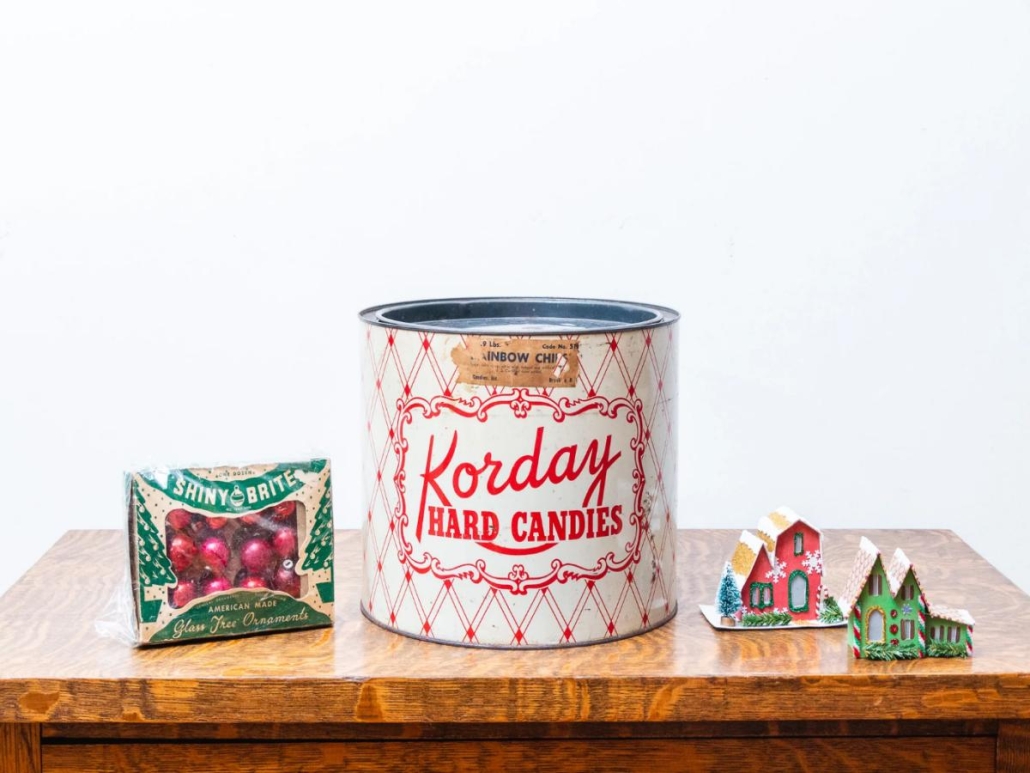
What should you consider when choosing candy tins as a packaging method for candy?
Some brands require custom candy tins to package their confectionery for sale as gifts; others need candy tins for standard retail packaging or promotional purposes; still others require tins that strike a balance between aesthetics, durability, and shipping efficiency. Regardless of the specific scenario, the critical factor is not merely whether the tin is visually appealing, but rather whether it is truly suited to the candy itself and the specific consumer demographic being targeted. Therefore, when selecting a candy tin as your packaging solution, you must consider the following questions:
1. Is the tin’s structural design appropriate?
2. Is the opening mechanism suitable?
3. Is the sealing performance reliable?
By addressing these key questions, you can design a candy tin that serves as the ideal packaging you envision.
Why is it necessary to consider these specific questions when selecting candy tins?
When choosing a candy tin, focusing solely on aesthetics is insufficient. Appropriate packaging must also be compatible with the candy’s shape, preserve its freshness, and provide a seamless user experience. Posing and carefully considering these critical questions helps ensure the candy tin is practical, attractive, and perfectly suited to its intended use. These questions are vital because they directly impact the candy’s protection, freshness, user convenience, and the overall customer experience.
Question 1: Does the candy tins match the shape and quantity of the candy?
Different types of candy require different packaging structures. Some candies are small and sturdy, others fragile; some need tray separation, others more space. Consequently, the candy tin must be tailored to the candy’s specific characteristics. The tin’s size and layout should match the candy type, not random preference.
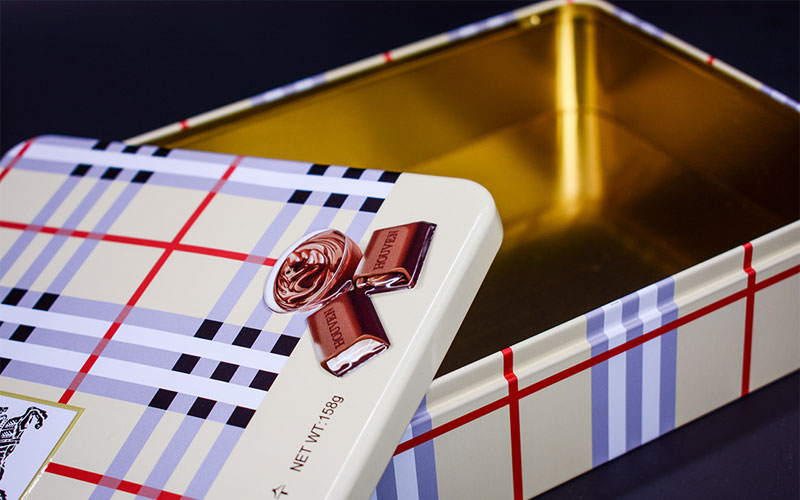
If the candies have a fragile texture, the interior of the tin box may require the addition of liners or dividers to minimize shifting and prevent breakage. If the candies take the form of solid blocks or wafers, the packaging design must allow for ample space to ensure they can be neatly arranged and protected from compression or deformation. Furthermore, if your product is part of a gift set, its internal layout should be meticulously designed to present the contents in a neat and orderly manner, thereby further enhancing the product’s premium aesthetic. In terms of shape, round tins are well-suited for holding traditional assortments of loose candies. In contrast, rectangular or square tins are often a better choice for chocolates and similar confectionery.
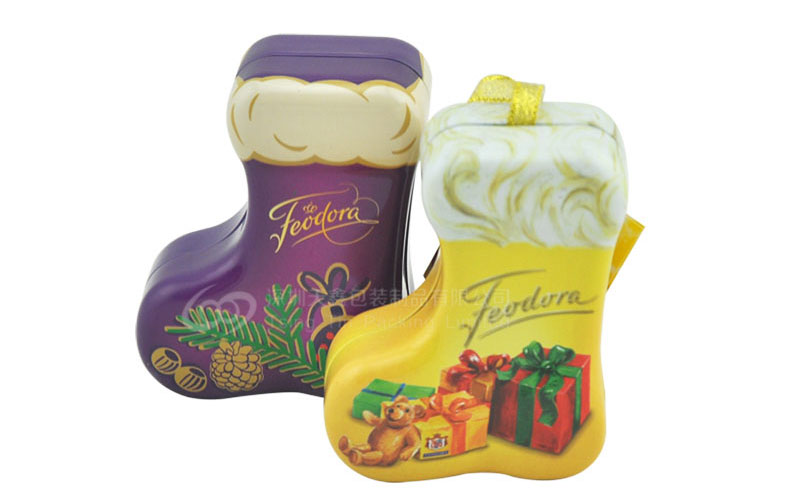
Question 2: What type of opening mechanism does your candy tins require?
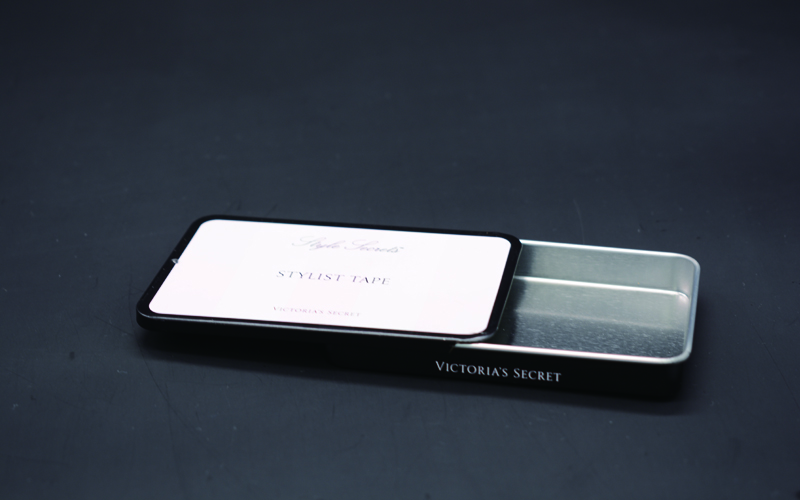
The reason this question warrants consideration is that the ease or difficulty of opening a candy tin lid, along with its sealing integrity, directly impacts the customer’s unboxing experience. A package that is aesthetically pleasing yet difficult to open will inevitably lead to a poor customer experience. For simple, low-cost candy packaging, a sliding lid is an excellent choice. A hinged lid may be more suitable for packaging intended for reuse. When a tighter seal is required, a screw-on lid is the most practical option. If carried in a bag or eaten on the go, the opening design should prioritize safety and convenience.
Conversely, if the packaging serves as a gift box, the opening action should feel smooth and premium to the touch. Each design serves a specific purpose; therefore, the choice of lid ultimately depends on the target demographic and usage context for your particular candy product.
Question 3: How do you ensure the tin’s airtightness?
Although candy generally boasts a long shelf life, exposure to moisture, air, and contaminants can still compromise its texture, flavor, and overall quality. Consequently, when selecting a candy tin as your packaging solution, it is essential to prioritize airtightness. Common sealing methods include:
Internal Liners or Food-Grade Gaskets:
Incorporating an internal liner such as EVA foam or food-grade silicone can significantly enhance the seal’s effectiveness. This approach is particularly beneficial when protecting soft candies from moisture absorption.
Heat-Sealed Inner Films or Pouches:
To further preserve the freshness of the candy, some clients request that the contents be sealed within a heat-sealed inner film or pouch *before* being placed inside the tin. This method is ideally suited for candies that require an extended shelf life.
Superior sealing also contributes to product integrity during transit. Before reaching the consumer, candy typically passes through warehouses, retail shelves, and distribution networks. Robust sealing performance helps safeguard the candy against damage and spoilage throughout this entire transportation process.
Enhancing the Candy Packaging Experience Through Three Key Considerations
Whether a candy tin is intended for gift packaging, retail sales, or promotional campaigns, the three most critical factors to consider remain consistent: structural design, opening mechanism, and sealing performance. Only by giving careful, comprehensive consideration to these three elements can a candy tin effectively protect its contents, extend shelf life, and deliver a truly satisfying user experience.
 Facebook
 Twitter
 Linkedin
