
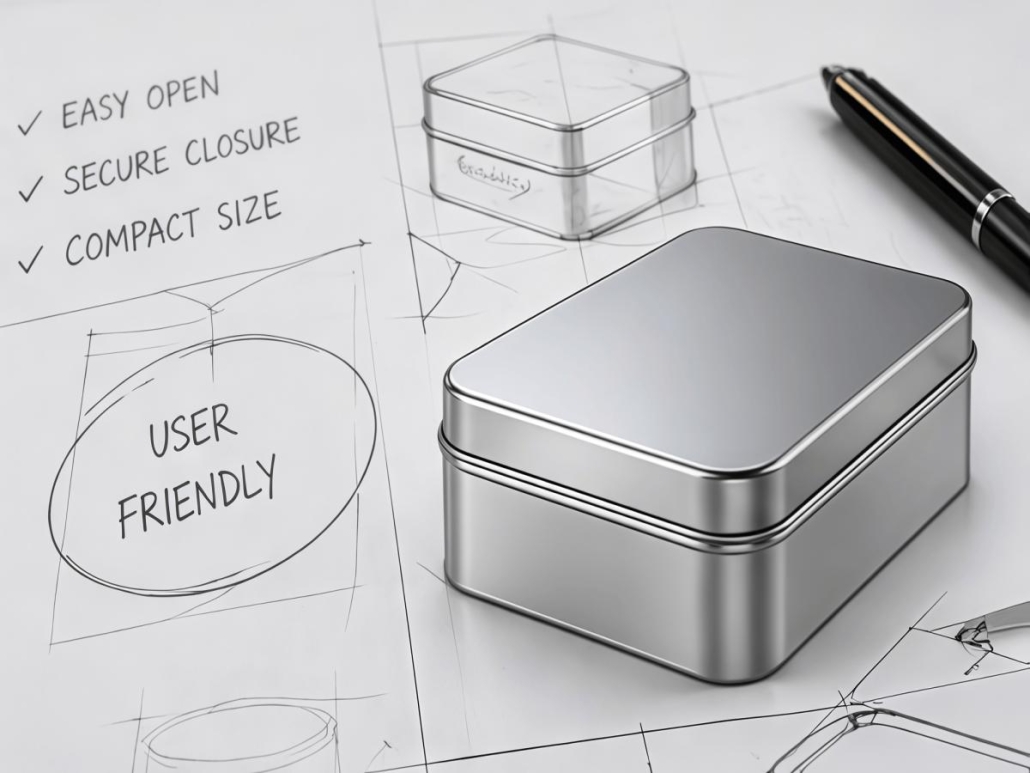
How to design custom tin box that align with the usage habits of different consumers?
Different consumers have varying experiences when interacting with packaging. Some users prioritize ease of access, others value convenient storage, while some seek a premium unboxing experience. Therefore, the design of a custom tin box must be grounded in consumer usage habits rather than focusing solely on aesthetics. During our custom manufacturing process, we approach packaging design from the perspective of actual consumer behavior—including specific opening mechanisms, dimensions, and structural shapes rather than merely focusing on surface decoration.
The Impact of Custom Tin Box Design on Consumer Usage Habits
The primary consideration is: how will the consumer actually use the product? The fundamental principle in designing a custom tin box is to base the design on the user’s daily habits, rather than on the design concept itself. Packaging must align with the ways people open, close, carry, and reuse items. If a consumer carries the product in a handbag, the packaging must be compact and secure. If the product is intended as a gift, the unboxing process should offer a more refined and memorable experience.
Tin boxes often become an integral part of the product’s usage routine. For example, a tea tin needs to be opened multiple times every morning; a candle jar, after the candle has burned down, might be kept and repurposed. In all these scenarios, the ideal custom tin box facilitates daily use without causing any inconvenience.
When you collaborate with us, we evaluate the product’s usage context by asking a series of practical questions:
1. How frequently will the box be opened?
2. Will it be carried around or kept in storage?
3. Does the consumer need to be able to access the product with just one hand?
These questions help us determine the most suitable structural design for your custom tin packaging.
Selecting an Opening Mechanism That Aligns with User Habits
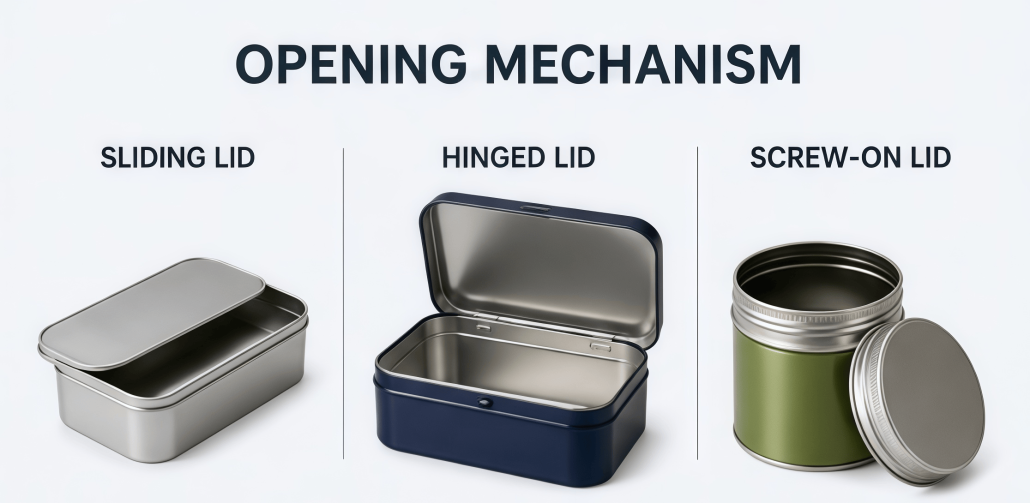
Consumers who use a product frequently may prefer a quick and simple opening mechanism, whereas those receiving a product as a gift might place greater value on a sophisticated unboxing experience. Consequently, the lid design of a custom tin box must be carefully tailored to align with the consumer’s specific usage habits. For instance, a sliding lid design may be suitable for simple, straightforward packaging. A hinged lid is ideal for products requiring quick access, where the user might want the lid to remain open while in use. A screw-on lid is best suited for products that require a tighter seal and a more controlled opening process.
Each distinct choice of lid mechanism alters the consumer’s interaction and experience with the packaging. That’s why we design custom tin boxes based not only on the product category, but also on user interaction habits. If the product is likely to be used while traveling, the lid should open quickly and close securely.
Custom Tin Box Design Strategies for Different Consumer Groups
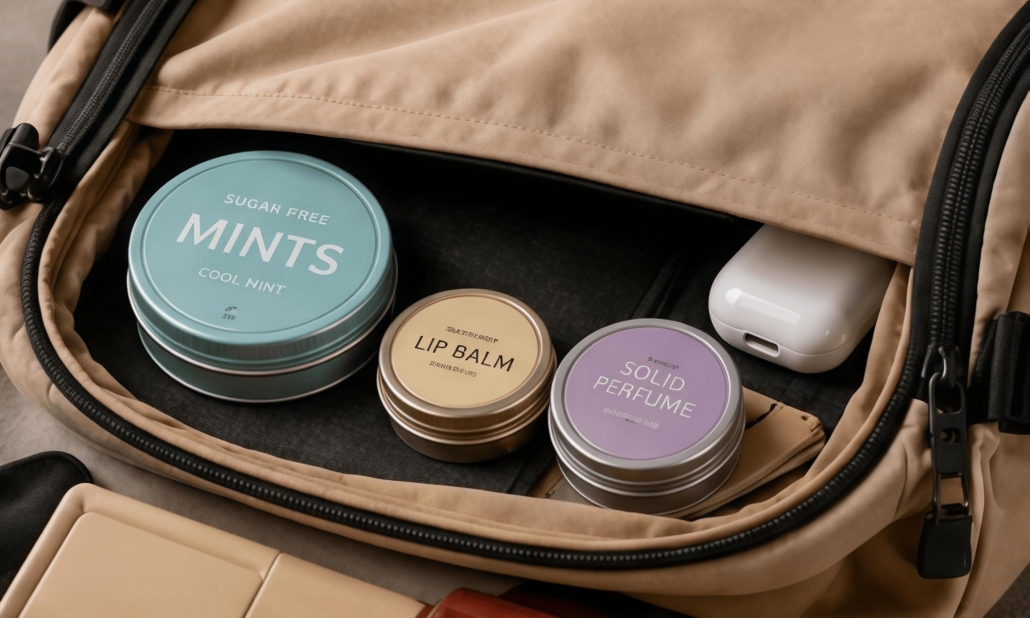
Portability is one of the most critical usage habits to consider. If a product needs to be carried on one’s person, the custom tin can must be compact, durable, and easy to close securely. Furthermore, it should be easy to stow in bags, drawers, pockets, or luggage without accidentally popping open. This is particularly important for products such as mints, lip balms, small candles, tea, and cosmetics. Items of this nature are typically carried on one’s person for immediate access; in such contexts, a custom-made tin box must ensure that retrieval is not only quick and effortless but also secure and reliable. An ideal portable custom tin box strikes a balance between being lightweight and easy to carry, while remaining robust and durable.
Designed for Home Use: Reusable and Convenient for Storage
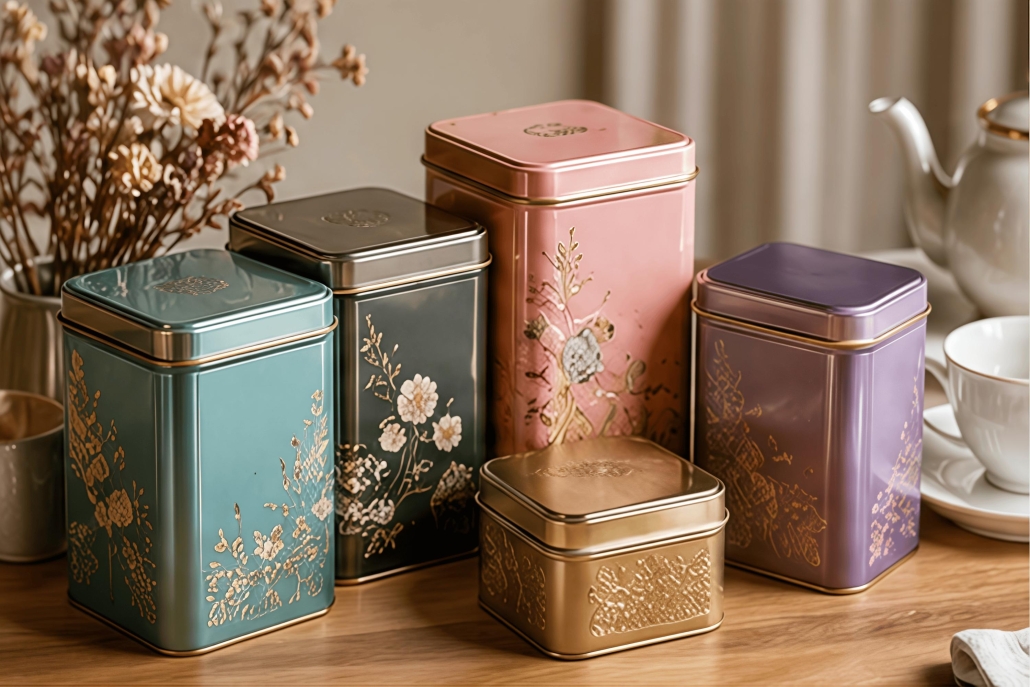
Some products are not intended to be carried around, but rather kept in the home, office, or kitchen. In these scenarios, the custom tin box should serve functions related to storage, organization, and convenient access. Consumers may open the box daily, or they may choose to keep and reuse it for an extended period after the original product has been consumed.
Tin boxes used to hold tea, cookies, candles, or small household items should convey a sense of utility that extends well beyond the initial purchase. This is precisely one of the key advantages of metal packaging. Custom tins often remain in the home because—even after the original contents are gone—they retain inherent functional value. Consequently, when designing custom tins intended for home environments, we often prioritize clean aesthetics and durable surface finishes.
Custom-Designed Tin Boxes for Special Gifting Occasions
In the context of gift-giving, the consumer experience begins even before the product is used. The packaging must evoke a sense of anticipation, perceived value, and occasion. Therefore, custom tin boxes intended for gifting should appear more refined, thoughtful, and memorable. In these instances, the design process must incorporate elements specifically crafted to deliver a distinct “unboxing experience” for the recipient. Consumers may slowly open the tin or keep it as a treasured collectible. Consequently, during the design phase, we employed a variety of surface finishing techniques, embossing technologies, and lid designs. For high-end gift collections, a custom tin box can even become an integral part of the product’s emotional value.
Designs Aligned with Consumer Habits Yield Superior Results
Packaging that is easy for consumers to use is more likely to be retained, reused, and remembered. Designing custom tin boxes with actual usage scenarios in mind generates greater long-term benefits for both the brand and the consumer. A custom tin box that aligns with consumer habits should facilitate effortless opening, ensure secure portability, and appear particularly appealing within specific contexts. When a custom tin container successfully achieves these objectives, the product stands to gain significantly greater success through its packaging.
 Facebook
 Twitter
 Linkedin
