6oz Candle Tins 5-5

6oz Candle Tins: The Ideal Packaging for Travel and Portable Scented Candles

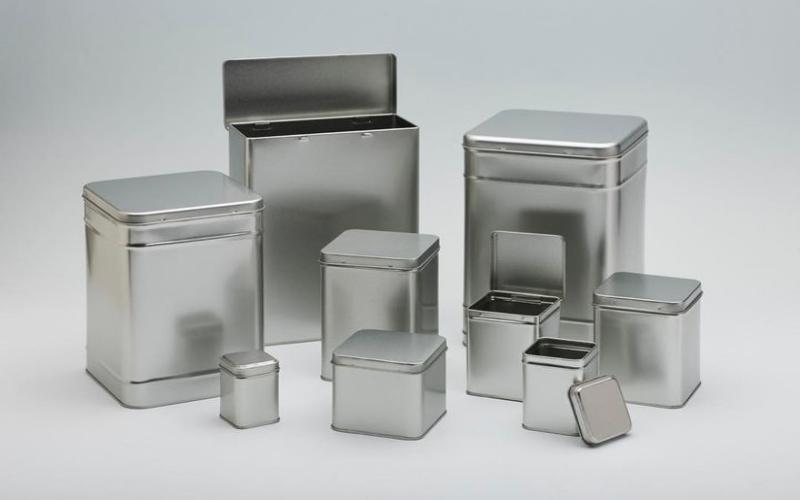
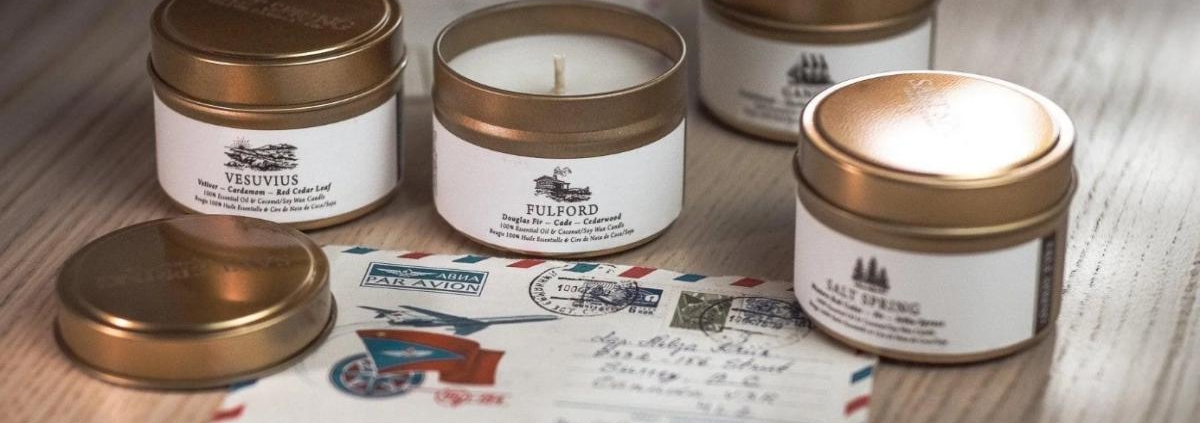
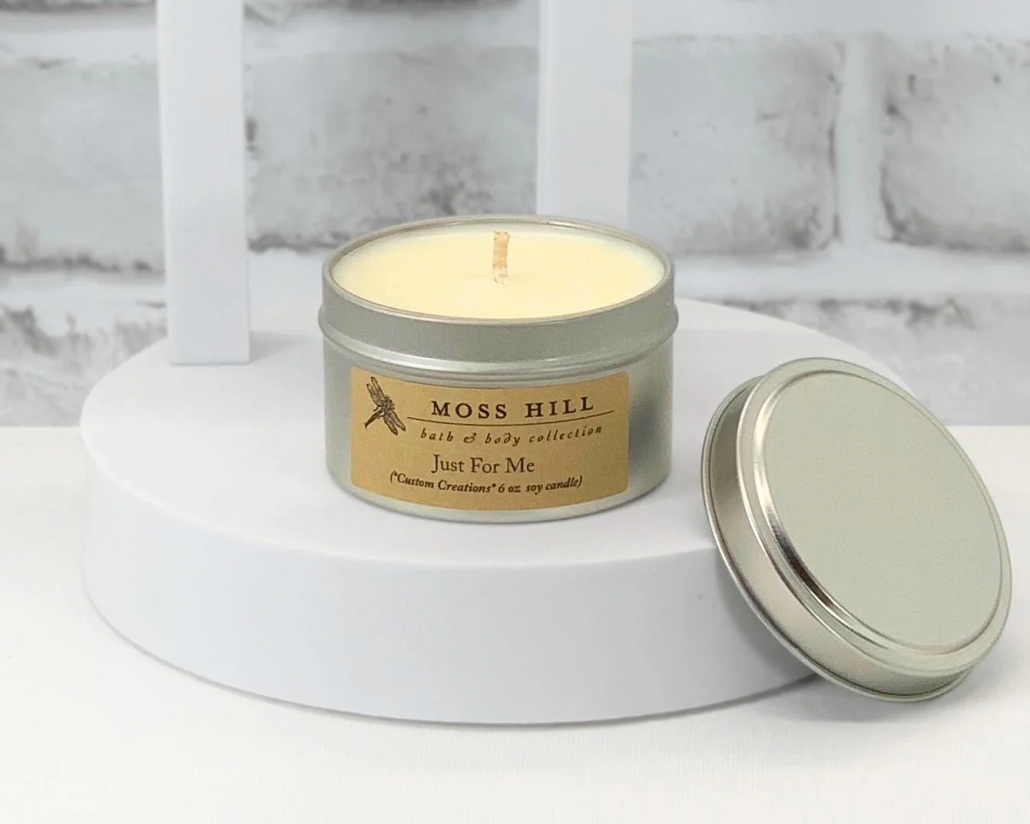
Candle containers designed specifically for travel must be compact enough to carry with ease, sturdy and durable enough to withstand transit, aesthetically pleasing, and practical enough for repeated use. The 6oz candle tins strike a perfect balance between portability and performance; it offers a substantial, high-quality feel without being bulky or cumbersome to transport. Among the many candle tins we manufacture, the 6oz size represents the most balanced choice. It holds enough wax to ensure a satisfying burn while remaining convenient to carry, store, and display, making it the go-to option for most customers seeking travel-sized or portable scented candles. They are also ideally suited for custom branding and wholesale purchasing.

Why Is the 6oz Size Ideal for Portable Candle Products?

The 6oz candle tins offer an optimal blend of convenience and value. A travel candle should be compact enough to carry easily, yet not so small as to be insignificant. The 6oz capacity provides ample volume while maintaining a small, portable footprint. For portable scented candles, size plays a key role in shaping the customer’s first impression even before they light the candle. Small tins may feel like mere samples or promotional giveaways. In contrast, oversized tins can feel too heavy or inconvenient to stow in a bag or suitcase. The 6oz tin strikes the perfect middle ground practical yet substantial. It conveys the impression of a premium travel accessory or a sophisticated home fragrance product, making it easier to market and sell across various retail channels.

Why the 6oz Size Is Ideal for Portable Candle Products?

6oz Candle Tins Enhance the Customer Experience

Packaging is more than just a technical decision; it profoundly influences the overall customer experience. The 6oz candle tin features a moderate capacity that feels generous upon opening, yet remains compact enough for easy storage and transport. This combination elevates the customer’s perception of the product’s value. A truly portable candle should fit effortlessly into a suitcase, toiletry bag, desk drawer, or car console, and the 6oz size fulfills this requirement perfectly. It is compact without feeling flimsy, and substantial without feeling bulky.

It holds enough wax to deliver a richer, more robust burn experience than smaller sample-sized candles. Furthermore, they facilitate a premium unboxing experience; the tins can feature printed brand logos, matte finishes, embossed emblems, or seasonal motifs, lending the candles a refined and sophisticated appearance. In the realm of high-end candle packaging, the container itself is often an integral part of the brand’s narrative.

6oz Candle Tins Enhance the Customer Experience

Easier to Display in Retail and E-commerce Settings

On retail shelves, their moderate dimensions, neither too large nor too small, catch the eye while remaining easy to arrange in neat, organized displays. In the e-commerce sector, smaller candles are easier to ship and less likely to incur excessive shipping costs. These advantages make candle tins a sensible choice for brands pursuing a multi-channel sales strategy. In retail environments, the 6oz capacity offers a substantial feel without consuming excessive shelf space. For e-commerce, the ability to pack products into smaller shipping cartons helps streamline the packaging process. This size is also ideal for brands utilizing wholesale candle tins, as it strikes an optimal balance between unit cost and retail value, making them well-suited for sale in gift shops, boutiques, and hotel retail outlets.

Comparison with Other Candle Tin Sizes

While smaller candle tins are practical, they serve different purposes. 2oz candle tins are perfect for samples, promotional giveaways, small-scale marketing items, and discovery sets. They are inexpensive and highly portable, though, compared to larger-capacity products, they often lack the same perceived value. 4oz candle tins strike a more balanced small size, and brands often use them for entry-level candle products. If the primary objective is to introduce or promote a specific fragrance, a 2oz or 4oz tin may suffice. However, if the goal is to create a candle that is both portable and possesses a distinct design aesthetic, the 6oz size is typically the superior choice. In many candle product lines, the 6oz tin serves as a step up from trial-size versions, offering a more substantial, premium feel without sacrificing portability.

Tin Size Best Use Key Advantage
2 oz Samples, favors Very portable
4 oz Trial retail, mini gifts Compact and affordable
6 oz Travel, portable candles Best balance of size and value
8 oz Standard retail candles Strong everyday use
10 oz+ Home use, premium gifts Larger burn time

Comparison with 8oz and 10oz candle tins

The 8oz candle tin is another one of the most common retail sizes, striking an excellent balance between burn time and fragrance throw. The 10-ounce candle tin offers a heavier, more substantial presence, making it better suited for candles designed for extended burn times or for premium home fragrance products. The key difference lies in convenience. An 8oz or 10oz candle tin may be better suited for home use, but less ideal for portability or travel. The 6oz candle tin perfectly resolves this issue; it maintains a compact size while still providing a sufficient amount of wax. Indeed, many major candle brands offer a range of candle tin sizes: smaller tins are convenient for sampling, and the 6oz size is ideal for portability. In contrast, the 8-ounce or 10-ounce sizes are reserved for home use or as premium gifts.

The Optimal Choice for Balancing Portability and User Experience

If a candle brand is seeking a portable, commercially successful size that conveys a sense of premium quality, the 6-ounce candle tin is the ultimate choice. It is compact enough to be easily carried yet substantial enough to deliver an excellent user experience. This precise balance is the primary reason this size is so widely adopted for packaging portable scented candles. For a high-end candle, it never appears too diminutive; conversely, for carry-on luggage or a gift bag, it never feels too bulky.

Metal Tin Containers 6-3

Multi-Scenario Adaptability Making Metal Tin Containers Versatile Packaging Solutions

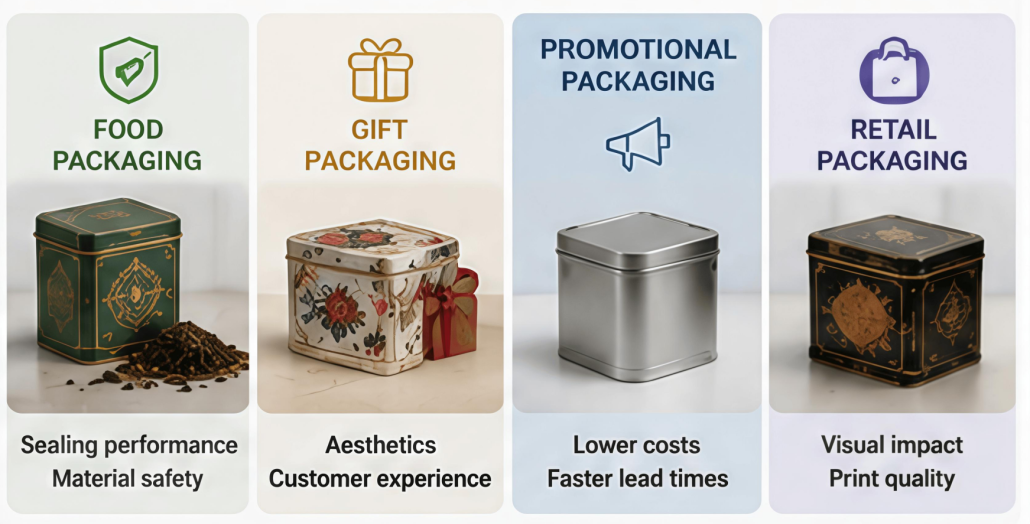
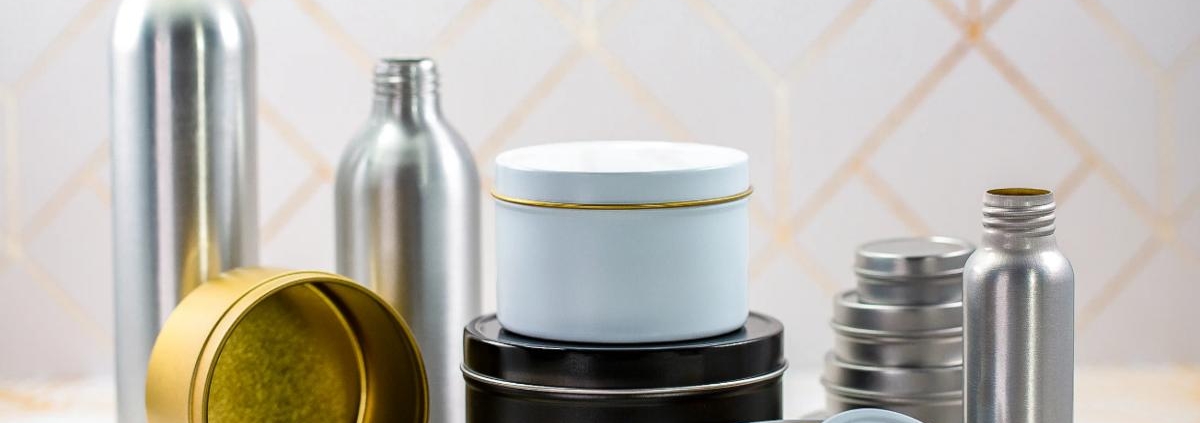
Metal tin containers are suitable for a wide range of applications, including candles, cosmetics, tea, coffee, and the storage of various other products. They offer a perfect blend of structural integrity, aesthetic appeal, reusability, and customizability qualities that are often difficult to achieve with other packaging methods. We have collaborated with clients across numerous industries; some require custom metal tins for retail gift packaging, while others seek bespoke tinware for dry goods, candles, or skincare products. In every instance, the inherent versatility of metal containers enables a single packaging format to adapt seamlessly to a wide range of scenarios.

Metal Tin Containers: Packaging Solutions for Diverse Industries

Many brands require more than just a vessel to hold their products; they need packaging that actively enhances their brand image and elevates the customer experience. Metal tins can accommodate a wide variety of product categories while consistently maintaining a premium, high-end aesthetic. A brand might launch multiple distinct lines of candles, teas, or cosmetics; by maintaining a consistent packaging style across these lines, the brand projects a more cohesive and professional image.

Metal tin container facilitate this packaging uniformity while allowing adjustments in size, surface finish, and closure type to suit the specific characteristics of each product. This adaptability also helps reduce design complexity; rather than creating a unique packaging solution for every product, brands can customize variations from a single, core packaging format.

The most effective packaging is that which can scale and evolve alongside the business itself. This is precisely why metal tins represent an ideal long-term investment. They are not confined to a single purpose but can be flexibly adapted across different product categories while consistently delivering superior performance. In this sense, metal tins are more than just packaging; they are an integral part of a flexible, dynamic product strategy.

Use Case Best Tin Priority Typical Shape Key Benefit
Food and confectionery Freshness and shelf appeal Round, rectangular Strong product presentation
Candles and home fragrance Heat resistance and brand image Round, shallow, custom Premium feel and usability
Cosmetics and personal care Portability and elegance Small, round, square Reusable and attractive
Tea and coffee Protection and premium branding Rectangular, round, custom Better storage and display
Storage and household goods Durability and convenience Square, rectangular Reusable everyday value

Metal Tin Containers for Food, Candles, Cosmetics, and More

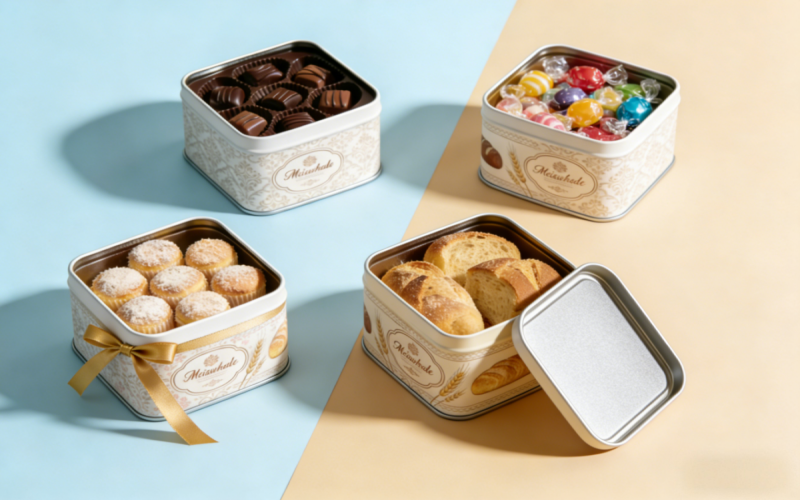
Packaging for food and confectionery products must accomplish three key objectives: protect the product, preserve its freshness, and present it in an aesthetically appealing manner. The sturdy construction of metal tin containers safeguards cookies, candies, chocolates, tea, coffee, and other dry goods against crushing and contamination. Furthermore, they provide a clean, premium presentation that exudes quality.

For confectionery brands, custom metal tins are an excellent choice for seasonal offerings, gift packaging, and specialty assortment packs. You can design cookie tins in classic rectangular or circular shapes, and you can create candy tins in small, detailed, and collectible forms. For chocolates, you can apply advanced printing techniques to the metal surface to elevate the packaging and make it even more gift-worthy. So, in the food industry, metal packaging enables greater product differentiation and elevates a product’s perceived value and premium status.

Metal Tin Containers for Food, Candles, Cosmetics, and More

Metal Tins for Candles and Home Fragrances

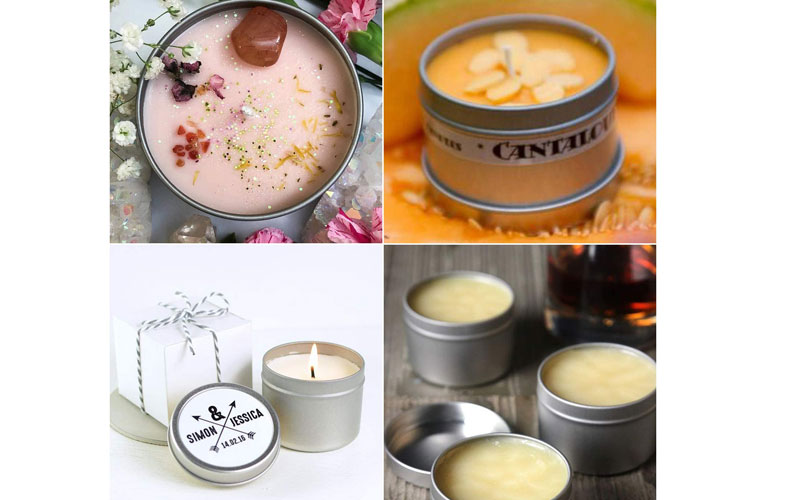
Candles require packaging that withstands wax oils, high temperatures, and repeated use, while maintaining an elegant aesthetic. Metal tins meet these requirements perfectly. They retain their structural integrity, facilitate easy, safe filling and project a sophisticated appearance. For candle brands, metal packaging conveys a sense of refinement, making the product feel like an ideal gift. It also provides brands with ample creative freedom to craft highly personalized designs incorporating elements such as matte finishes, embossed logos, or printed patterns.

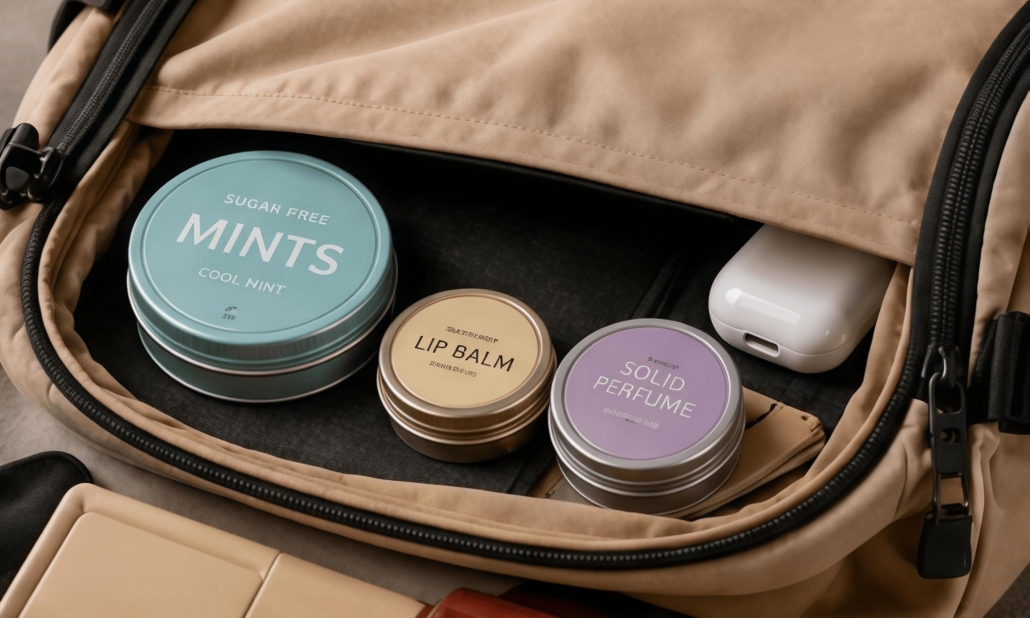
Custom metal tins enable brands to tailor their candle packaging to specific fragrance profiles, seasonal themes, or target demographics. Smaller tins are also frequently used to house scented candles, solid perfumes, lip balms, or portable fragrance products. The ability to enhance visual appeal and elevate brand prestige is one of the primary reasons why metal tins are so popular within the candle and home fragrance markets.

Metal Tin Containers for Food, Candles, Cosmetics, and More

Metal Tins for Tea, Coffee, and Dry Goods

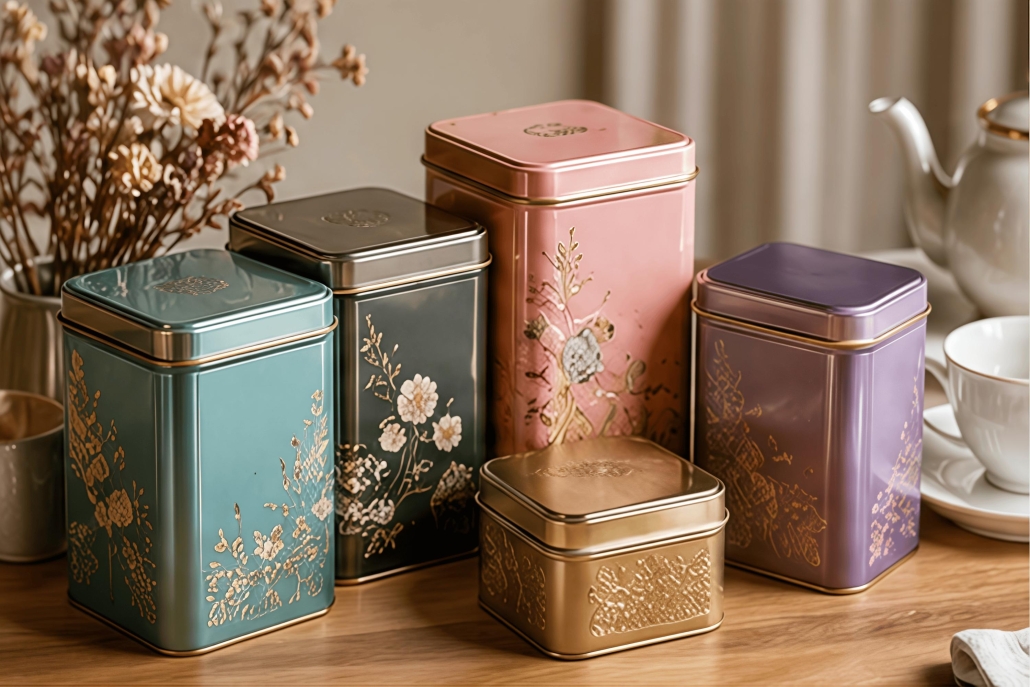
Tea and coffee are among the most common applications of metal packaging. This packaging format is equally well-suited for storing various dry goods that require organized containment—such as herbs, spices, powdered ingredients, and small household items. Tea packaging, in particular, benefits significantly from the structural integrity of metal tins. Loose-leaf tea is often marketed as a premium product, and its packaging should reflect that status.

A thoughtfully designed tea tin can make the product feel fresher, more refined, and inherently more valuable. The same applies to coffee, where brands often seek to convey messages of quality, craftsmanship, and freshness. Since tea, coffee, and general storage products are typically offered in a variety of sizes, metal tins can be fully customized to accommodate diverse capacities and specifications. This makes them an especially practical choice for product lines and gift sets.

Metal Tins for Tea, Coffee, and Dry Goods

Customizing Structure, Finishes, and Functionality for Specific Applications

The shape, surface finish, and dimensions of metal tins are all fully customizable. As a tin can manufacturer, we can tailor the size, shape, surface treatment, and lid mechanism to precisely align with the intended use of the product. This adaptability ensures that metal tins remain a viable packaging solution across a vast array of product categories. Customization is a powerful tool that helps brands build stronger, more cohesive product lines.

When multiple products within a portfolio share a consistent packaging design, the brand as a whole projects a more organized and professional image. As part of our customization services, we offer a wide range of surface-finishing techniques to achieve the desired aesthetic. Various finishing techniques—including matte, gloss, soft-touch, metallic printing, embossing, and spot UV—can transform both the tactile feel and visual appearance of a tin can. Depending on the specific product, the right surface treatment can elevate the packaging to convey a high-end, modern, or natural aesthetic.

Packaging Solutions Suitable for Diverse Industries

Metal tin containers offer a simultaneous solution to a wide range of packaging challenges. They are durable, highly customizable, and suitable for a broad spectrum of product categories. This makes them one of the most versatile packaging solutions available today. Whether a brand requires packaging for food products, home fragrances, cosmetics, or storage containers, metal tins can typically meet the demand. For TSING, this adaptability is one of the primary reasons we recommend metal tins to our clients.

cookie tins 9-9 (1)

What unique shapes of cookie tins can be customized?

For cookie tins, the tin itself is often part of the gift, not just cookie packaging. Our cookie tins come in various standard shapes, such as heart, rectangle, round, square, and cylindrical. We also produce custom shapes, such as trees or rabbits, perfect for seasonal and customized cookie packaging. For mass-market brands, regular rectangular, round, and square cookie tin shapes are available.

What are the most common shapes for cookie tins?

Heart-shaped are one of the best shapes for creating a personalized, festive, or romantic atmosphere. They are perfect for occasions or events such as Valentine’s Day, anniversaries, and weddings. From a sales perspective, the best way to sell heart-shaped cookie tins is to integrate the packaging itself into the gift experience. Encouraging customers to keep the tins after eating the cookies extends brand exposure. It enhances the packaging’s perceived value. Therefore, they are frequently seen in some high-end cookie brands and boutique bakeries. Heart-shaped tins can be decorated with matte finishes, metallic printing, or embossing to make them more collectible. When used properly, heart-shaped cookie tins serve far more than just as packaging for cookies; they can perfectly complement a product for a specific occasion.

Scenarios Suitability of Heart Cookie Tins
Valentine’s Day ⭐⭐⭐⭐⭐
Wedding favors ⭐⭐⭐⭐
Daily retail ⭐⭐
Luxury gift boxes ⭐⭐⭐⭐⭐

heart-shaped cookie tins

Rectangular Cookie Tins: Highly Practical for Storing Various Cookies

Rectangular cookie tins are one of the most practical tin can packaging shapes. They are easy to fill, stack, and display. Compared to more decorative shapes, rectangular cookie tins generally offer more space and a more aesthetically pleasing look for the mass retail market. For cookie brands, this shape is suitable for storing multiple cookies. It’s also a good choice for assorted cookies, as this type of packaging can hold various types without wasting space.

Rectangular cookie tins can also be designed with a sealable lid and sturdy sidewalls, making them suitable for shipping and export. If the cookies are fragile, the rectangular body allows manufacturers better control over the spacing and support of the cookies inside. The rectangular surface provides ample space for printed designs, ingredient information, logos, and seasonal patterns. In most cases, the rectangle most effectively balances visual appeal and structural practicality.

Shape Space Efficiency Shipping Efficiency Internal capacity
Rectangular ⭐⭐⭐⭐⭐ ⭐⭐⭐⭐⭐ ⭐⭐⭐⭐⭐
Round ⭐⭐⭐ ⭐⭐⭐ ⭐⭐⭐
Heart ⭐⭐ ⭐⭐ ⭐⭐

Rectangular cookie tins

Round Cookie Tins: Classic Packaging for Everyday and Premium Cookie Lines

Round cookie tins remain among the most recognizable and versatile shapes on the market. They are suitable for both traditional cookie brands and modern premium products. This shape is so popular because it evokes a sense of familiarity and warmth. In the supermarket retail environment, consumers often make quick purchasing decisions based on appearance. They are also easy to fill and open, making them ideal for everyday use. If the cookie selection isn’t extensive, round tins offer brand flexibility while maintaining a sophisticated look. For premium cookie packaging, round tins can be paired with elegant finishes, embossed logos, and coordinating lid designs. The round shape is a top choice in many custom cookie tin projects, suitable for multiple seasons and product lines. It’s both simple and classic, yet versatile and adaptable.

Customizable Cookie Tin Shapes Offer Unique Design Options

Custom cookie tins can be made in any shape, such as a tree, a rabbit, a star, a foot, an orange, and holiday-themed shapes. These unique shapes are especially valuable for specific holidays and events for all cookie brands. Tree-shaped cookie tins are perfect for Christmas cookies; star-shaped cookie tins add a festive touch to winter gift boxes; and rabbit-shaped cookie tins are suitable for Easter or Children’s Day. These shapes help the packaging integrate with the holiday theme, making the product more attractive and a better gift. Orange-shaped or animal-shaped cookie tins can help differentiate products from mass-market packaging. However, these custom cookie tins aren’t suitable for all product lines; they are very effective when brands want to create a special line to differentiate themselves.

Shape Occasion Recommendation
Christmas Tree Christmas campaigns ⭐⭐⭐⭐⭐
Star Holiday gifting ⭐⭐⭐⭐
Rabbit Holiday gifting ⭐⭐⭐⭐
Animal shapes Kids products ⭐⭐⭐⭐⭐

Rectangular cookie tins

When to Choose a Special Shape?

The design of a special shape must have a clear business purpose. In custom cookie tins, if the goal is to create a festive atmosphere, collectible value, or a high-end feel, these special shapes can deliver excellent display and sales results. If the goal is to improve efficiency and expand retail reach, then standard shapes may be more suitable. Tree-shaped or star-shaped packaging may be more suitable for events like Christmas; heart-shaped or round packaging may be more suitable for premium chocolate chip cookies; while rectangular or square packaging may be more suitable for practical everyday products. If the shape of the cookie tin is unique enough that it will be kept even after the cookies are eaten, it can continue to represent the brand.

How to Choose the Right Display Shape?

The best way to choose a cookie tin is to match the shape to the product type, occasion, and brand positioning. Heart-shaped tins are perfect as gifts or for emotional events. Rectangular tins are practical and efficient. Round tins are classic and versatile. When brands want to create various campaigns or unique packaging, distinctive shapes can be more effective. Whether it’s a square cookie jar, a star-shaped chocolate jar, or a tree-shaped holiday jar, the key is to choose a shape that suits the product and represents the brand’s market.

What sizes are available for food tins custom-tailored for cookies, candies, and chocolates?

In the realm of food packaging, a food tin that is too large may result in excessive empty space, while one that is too small risks damaging the product or diminishing its perceived value. For food tins containing items such as cookies, candies, and chocolates, the dimensions must be tailored to the product itself while simultaneously conveying the brand’s message. A properly sized food tin ensures that the contents remain securely in place, minimizing internal shifting. This helps prevent issues such as breakage—a common concern for snacks like chocolates, cookies, and soft candies and ensures that the product arrives in optimal condition, presenting a more enticing appearance.

The Importance of Size Selection in Food Tins Packaging

In confectionery packaging, the food tin influences the product’s freshness, ease of use, and consumer perception. A tin that is too large may leave excessive empty space, whereas one that is too small risks damaging the product. For items like cookies, candies, and chocolates, the packaging needs to match the product perfectly. From a branding perspective, size also serves as a reflection of the product’s market positioning. Smaller tins typically evoke a sense of luxury or suggest suitability as a gift. In comparison, larger tins tend to convey practicality or suitability for family consumption. Consequently, the choice of size can effectively define the specific target demographic for a given food tin product.

tin-packaging-supplier-3

Food Tins Specifications: From Single Servings to Family Packs

Due to their irregular shapes and fragile textures, various types of cookies, chocolates, and candies present unique requirements when it comes to custom food tin packaging. In many common packaging scenarios, the standard “round” dimension has become an industry benchmark, as this shape maximizes the efficiency of stacking and arranging round cookies.

In the North American and European markets, the most frequently requested dimensions for food tins include:

Standard Industry Size Diameter (inches/mm) Height (inches/mm) Capacity (Estimated)
Small 6 11/16″ (170mm) 1 13/16″ (46mm) 12–16 Standard Cookies
Medium 7 3/16″ (182mm) 2 5/8″ (67mm) 20–24 Cookies (Double Layer)
Large 8 1/8″ (206mm) 3″ (76mm) 30–36 Cookies (Family Size)
Extra Large 9 7/8″ (250mm) 3 1/2″ (89mm) Bulk / Seasonal Assortments

For brands prioritizing aesthetic appeal, the “hinged lid” design—typically featured on rectangular food tins is a highly popular choice, particularly for premium shortbreads and artisanal wafer cookies. The specifications for these rectangular tins typically range from 180mm x 120mm to larger dimensions such as 260mm x 200mm. Brands can simply select a standard diameter and create variations within the product line by adjusting only the height. By fine-tuning the tin body’s “cutting” process, we can easily streamline this workflow, enabling the creation of a cohesive, multi-tiered tin series without incurring the additional costs associated with developing entirely new base molds.

Design and Portability of Candy and Mint Tins

When a product consists of potent mints or delicate hard candies, its packaging must be both convenient to carry and sufficiently robust. The design of such candy tins often heavily favors a seamless structure—eliminating side seams to create a smooth, sleek surface finish.

Key dimensional trends for small food tins include:

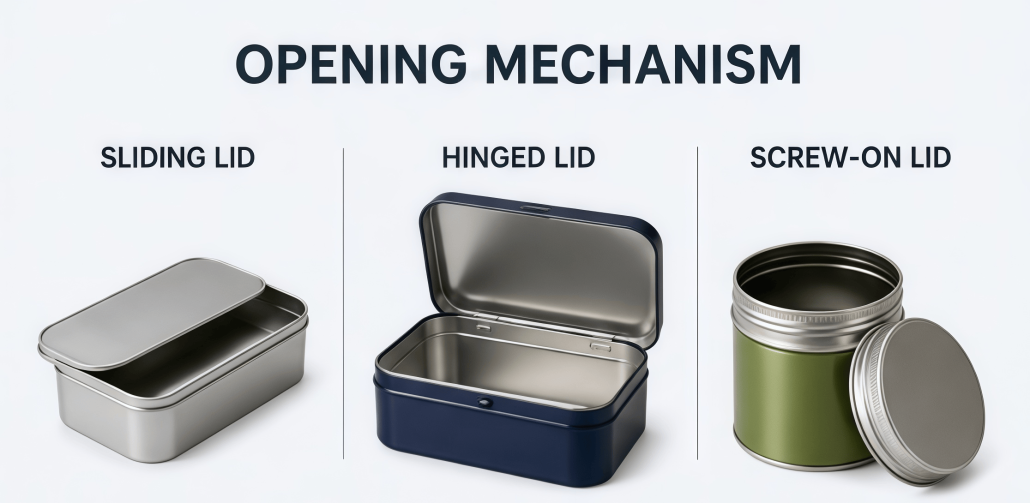
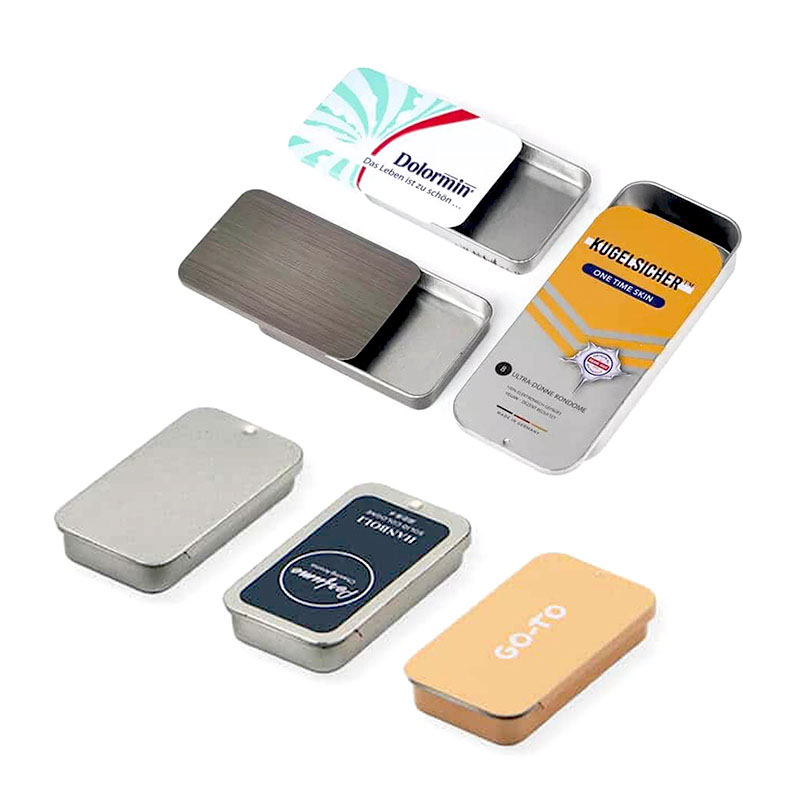
  • Slide-Lid Tins: Typically measuring 80mm x 50mm x 15mm, these represent the “gold standard” for packaged mints; their sliding closure mechanism offers a satisfying tactile feel and an audible “click.”
  • Hinged Rectangular Tins: With a standard size of 95mm x 60mm x 21mm, this dimension is ideally suited for placement within retail checkout display areas.
  • Snap-Lid Round Tins: Small circular tins—ranging from 45mm to 65mm in diameter with a height of just 15mm—are frequently selected for packaging premium throat lozenges or “pill-shaped” candies.

In the realm of custom food tin packaging, portability is a primary concern for users. Even a mere 5mm increase in a tin’s thickness can make it feel bulky when placed in a pocket. This factor may negatively impact the product’s repurchase rate.

Candy and Mint Tins

Specialty Shapes for Chocolate Tins

Given that chocolate is a temperature-sensitive confection typically high in fat content, the design of its tin packaging must incorporate sufficient internal clearance to accommodate a plastic tray or a translucent glassine paper liner. These internal inserts typically require a 3 to 5-millimeter buffer zone around the inner perimeter of the tin to prevent friction, thereby ensuring that the chocolate’s surface luster and structural integrity remain perfectly intact.

For luxury-filled chocolates and truffles, the lids of the packaging tins often feature “deep-drawn” or “embossed” finishes, creating a highly three-dimensional visual effect. Common size specifications include:

  • Square Tins: Measuring 150mm x 150mm x 40mm, this is the standard specification for packaging 16-piece chocolate assortments.
  • Heart-Shaped Tins: Particularly popular within the Valentine’s Day market, these come in a variety of sizes ranging from small (100mm wide) to large (220mm wide).
  • Large, Shallow Rectangular Tins: Measuring approximately 250mm x 180mm x 30mm, these are frequently utilized as single-layer display tins for food products.

When designing and manufacturing these types of food tins, we pay special attention to the structural integrity of the container body. Specifically for chocolate products, we often opt for stepped-lid or flush-fit lid designs to create a seamless, premium gift-box aesthetic.

Specialty Shapes for Chocolate Tins

Customizing Food Tins Sizes Based on Specific Product Weight and Dimensions

Not all confectionery brands should rely solely on standard sizes. In many instances, custom food tins are the preferred choice, as they can be tailored precisely to a product’s specific requirements. If a brand features cookies with unique weights, a diverse assortment of chocolates, or specific promotional packaging formats, custom-sized tins will yield the most effective results.

Custom sizing becomes essential when a product possesses a unique shape or density. For instance, fragile cookies may require greater headspace or a wider tin profile. Assorted candies might necessitate a shallower container with a larger surface area. Chocolate gift boxes may require packaging equipped with dividers or inserts. In all these cases, you can fully customize food tins to fit the specific contents. We assist our clients in designing the optimal tin dimensions by taking into account the product’s actual physical size, packaging objectives, and retail expectations.

Appropriate Sizing Defines Product Positioning

The dimensions of a food tin directly influence product protection, brand perception, and overall market positioning. As we have outlined, ranging from standard compact sizes—such as 80mm x 50mm x 15mm—to larger formats like 150mm x 150mm x 40mm, each size serves a distinct commercial purpose. The key lies in aligning the container’s capacity with the product’s specific characteristics and consumer demands. We work closely with our clients to determine the ideal food tin dimensions by carefully balancing the product’s physical attributes, packaging goals, and retail market expectations.

metal tins 5-6

How thick should tinplate material be to provide optimal strength for metal tins?

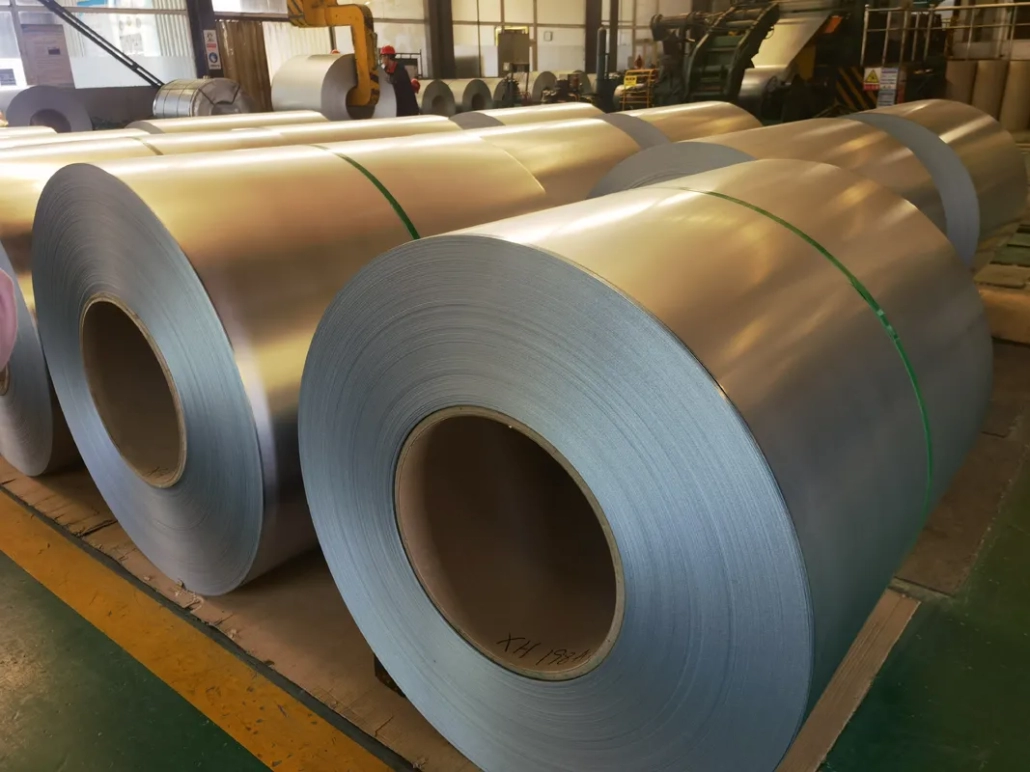
While a metal tin may appear high-end at first glance, if the body dents easily or the lid deforms readily, consumers will quickly perceive the product’s value as significantly diminished. Consequently, the thickness of a metal tin is a critical parameter. When manufacturing metal tins, our primary material is tinplate; under standard production processes, a thickness range of 0.23 mm to 0.30 mm typically provides the necessary structural integrity. If the material is too thin, the tin body becomes prone to deformation; conversely, if it is too thick, the forming process becomes more difficult and costly, and manufacturing efficiency may be compromised for certain design specifications.

The Impact of Tinplate Thickness on Structural Integrity

The primary material used for metal tins is tinplate. It offers a unique combination of rigidity, excellent formability, superior print compatibility, and good corrosion resistance. Furthermore, it accommodates a wide variety of surface finishes—ranging from matte and glossy to embossed textures and specialized coatings. Across a wide range of product categories, tinplate strikes an optimal balance between aesthetic appeal and functional performance.

Key impacts include:

  1. Structural Integrity: Preventing dents and deformation.
  2. Sealing Performance: Ensuring the lid maintains a tight, secure fit over time.
  3. Shelf Appeal: Preserving a premium image within retail environments.
  4. Transport Durability: Minimizing damage during logistics and shipping.

Thickness is paramount because it directly influences the metal’s performance during stamping, forming, shipping, and daily use. Thinner tinplate tins are less expensive to produce. Still, they are also more susceptible to issues such as dents, lid deformation, and body warping. Selecting the appropriate thickness endows the tinplate with sufficient rigidity to maintain its shape while simultaneously enabling manufacturers to precisely form the lid, body, and base components.

The Impact of Tinplate Thickness on Structural Integrity

Balancing Strength, Formability, and Cost in Metal Tins

The ideal thickness represents a precise equilibrium between strength, formability, and cost. Thicker materials may convey a greater sense of sturdiness. Still, they also increase raw material consumption and complicate the forming process. Conversely, thinner sheets may reduce production costs but may compromise packaging strength.

This consideration is particularly critical for custom metal tins, where the final form may incorporate complex features such as deep drawing, embossing, specialized lid mechanisms, or intricate decorative details. The more complex the structure, the more critical it becomes to precisely match the material thickness with the forming process. We must also evaluate costs; while slightly thicker packaging materials may increase expenses, they can also reduce claims for product damage. In the realm of high-end packaging, these advantages often outweigh minor differences in material pricing.

Thickness Strength Level Best For Limitations
0.20–0.22 mm Low Lightweight, small tins Prone to dents
0.23–0.25 mm Medium Small to medium metal tins Limited for heavy products
0.26–0.28 mm High Most custom metal tins Slightly higher cost
0.29–0.30 mm Very High Large or premium metal tin cans Harder to form complex shapes

Optimal Strength: Thicknesses Between 0.23 mm and 0.30 mm

In our standard manufacturing operations, the most commonly used and practical thickness range for tin-plated steel, the material used for metal tins, ranges from 0.23 mm to 0.30 mm. Within this range, the material delivers robust structural integrity without adding unnecessary weight or complicating the forming process. At a thickness of around 0.23 mm, the material remains suitable for crafting compact tins and lightweight packaging. Conversely, tinplate at approximately 0.30 mm offers superior rigidity, greater resistance to denting, and a more substantial, premium feel. This makes it particularly well-suited for larger tins and high-end merchandise.

This specific thickness range is applicable across a wide variety of product categories because the resulting metal tins are sufficiently sturdy for retail environments, yet not so heavy or rigid as to hinder stamping, curling, or assembly operations. Deviating beyond this range introduces new challenges: material that is too thin may compromise durability, while material that is too thick can increase the complexity and cost of the forming process.

Made of high-quality tinplate

Selecting Metal Tin Thickness Based on Product Type

Different products impose distinct requirements on their packaging; consequently, the packaging thickness should be selected to align with these specific needs.

  • Tea / Coffee / Powders: Medium thickness (0.25–0.28 mm)
  • Candles / Cosmetics: Medium thickness, robust structural integrity
  • Stationery / Wine: Thicker gauge (0.28–0.30 mm)

A small candle tin, for instance, may not require the same level of structural robustness as a large coffee canister or a heavy-duty storage container. Similarly, food tins destined for stacked shipping or long-term storage may benefit from thicker walls. We determine the appropriate thickness specifications based on the intended application, the client’s branding objectives, and the anticipated usage conditions. This approach is the most reliable way to ensure our custom metal tins perform exceptionally well across a diverse range of product categories.

The Impact of Custom Metal Tins Thickness on Design

When ordering custom metal tins, designs often call for embossing, unique shapes, vibrant printing, or distinctive lid structures. A design that appears simple in a sketch may, in actual production, require more robust structural support. Using a thicker tinplate can enhance the performance of high-end design elements. It allows for sharper definition of embossed logos, improves resistance to bending at corners, and lends the packaging a more substantial, premium feel. However, if the packaging shape is overly intricate, excessively thick tinplate can make it difficult to accurately form certain fine details. The same applies to lids and closures: while a simple sliding lid might work well with thin-gauge metal, more structurally complex designs—such as hinged or curled-edge lids require thicker materials to ensure a secure seal. When the can’s structure and material thickness are perfectly balanced, the packaging opens smoothly, closes securely, and retains its shape throughout its use.

custom tin cans

0.23–0.30 mm: The Optimal Material Thickness

In standard manufacturing processes, tinplate with a thickness of 0.23-0.30 mm is the most reliable and widely used. This specific thickness range strikes an excellent balance between durability, formability, and cost efficiency. Many metal tins across categories such as food, tea, candles, cosmetics, and general storage utilize this thickness range. We use this range as our starting point, then make adjustments based on the product’s dimensions, closure type, shipping logistics, and specific branding requirements—all to produce custom metal tins for our clients that are both premium in appearance and highly durable.

Tea tins 6-3

Tea tins in various capacities: meeting diverse tea packaging needs

A 100g tea tins can conveys a sense of smallness and elegance; a 250g tin can offer a practical, balanced feel; while a 500g tin can convey a sense of abundance and longevity. For tea manufacturers, this can influence customer expectations, transportation costs, and even how customers drink tea at home. As a tin can packaging manufacturer, we can provide customized tin can solutions covering various market segments. Some brands require small, customized tea tins for packaging high-end bulk tea and gift sets; some need medium-sized tea cans for everyday retail; and others require large-capacity tea tins for wholesale, bulk, or family packs. In all cases, the choice of tea capacity can impact product positioning and business performance.

The Importance of Capacity for Tea Tins

Tin tea tins are more than just for storing tea. They also protect aroma and maintain freshness. Capacity affects all of these aspects. A tea tin that is too small may be insufficient for retail consumers. A tea tin that is too large may be difficult to store or too expensive for trial purchases. Therefore, choosing the right capacity is one of the most important decisions in tea packaging.

In the tea industry, the inherent characteristics of tea itself influence packaging requirements. Loose tea, green tea, black tea, oolong tea, matcha, and others exhibit different characteristics during storage. Some products require strong aroma protection, some need a premium shelf display, and others require efficient bulk delivery. A suitable tea tin capacity helps brands meet these needs. From a sales perspective, capacity also influences pricing strategies. Small-capacity tea tins are suitable for entry-level products and gift sets. Medium-capacity tins serve as standard retail packaging. Large-capacity tins cater to high-end households or large consumer markets.

100g tea tins are a choice for premium and small-batch teas

Among all tea packaging sizes, 100g tea tins remain one of the most versatile and commonly used choices. They are particularly favored for high-quality loose teas, specialty teas, and small-batch products. The 100g size provides ample space for product display while maintaining a compact and attractive packaging design.

One of the biggest advantages of 100g tea tins is their balance. It’s large enough to give the impression of a formal retail product, yet compact enough for easy carrying, storage, and transportation. The 100g tea tin can is ideal for first-time buyers who want to try a tea but don’t want to purchase a large package at once. For high-end tea companies, the 100g tea tin can also offer brand promotion potential. Its surface area is suitable for labeling, printing, embossing, and surface treatments, including matte or glossy finishes. From a production perspective, 100g tea tin cans are easier to produce in small batches. They are also suitable for seasonal series, limited-edition teas, and gift packaging. Due to its small size, transportation costs are generally lower than for larger packages.

100g tea tins are a choice for premium and small-batch teas

The 250g tea tin can is suitable for both retail and everyday use

The 250g tea tin can strike a good balance between retail appeal, everyday usability, and packaging efficiency. It’s large enough to give a substantial feel, yet easy to store at home and transport. For many consumers, 250g is a very practical capacity. It meets daily drinking needs without being too bulky or difficult to store. This is especially beneficial for consumers who frequently brew loose tea. A 250g tea tin conveys a sense of a reliable, household product, making it ideal for retail channels.

Another advantage of the 250g tea tin is its flexibility. It’s suitable for various types of tea, including green, black, oolong, and herbal. Brands can position it as an everyday premium product, a family pack, or a regular retail item. Because this size is frequently used, customers don’t need to guess whether the tin is too small or too large. From a branding perspective, the 250g tea tin is also eye-catching and practical. They provide ample surface area to display product information, images, and brand elements. Therefore, the 250g capacity strikes a good balance between sample packaging and bulk packaging.

The 250g tea tin can is suitable for both retail and everyday use

500g tea tins are suitable for bulk, wholesale, and large-family use

These tea tins are ideal for large-package storage, wholesale packaging, home use, and tea products designed specifically for frequent tea drinkers. The 500g packaging capacity conveys a sense of value and long-term supply. One of the most significant advantages of 500g packaging is its efficiency. The larger tin reduces the number of packaging containers needed for the same amount of tea. This reduces packaging frequency, lowers logistics costs, and minimizes packaging waste. This is a significant advantage for distributors, retailers, and bulk tea buyers. Furthermore, a well-made 500g tin can enhances the product’s perceived quality and reliability.

In high-end wholesale channels, 500g tea tins can also elevate brand image. Even if the product is targeted at the bulk market, the packaging still reflects the brand image. This means that the design of a 500g tea tin must be meticulous. Due to the larger capacity, the tin must provide robust structural support and reliable sealing. The larger the tin, the more important it becomes to control the lid’s fit, the tin’s rigidity, and storage performance.

500g tea tins

How can customized tea tins support different market segments?

Not all tea brands use the same size tin cans. Therefore, most tea brands choose customized tea tins. The capacity selection should reflect the tea’s sales methods, usage patterns, and market positioning. Brands serving both retail and wholesale markets may require a range of capacities to meet the needs of different customers effectively.

For example, high-end gift lines might use 100g tea tins because they appear elegant and have collectible value. Core retail lines might use 250g tea tins, which are practical and readily acceptable. Large wholesale or home-use lines might use 500g tea tins because they have a larger capacity and are more convenient to use. This clearly defines product tiers, helping customers quickly choose the right product.

Customized tea tins also allow brands to adjust the shape, finish, and structure according to the target market. For example, a matte black 100g tea tin is suitable for a high-end tea line; a patterned 250g tea tin might be suitable for the mass retail market; while a larger 500g tea tin might feature a more practical, airtight, and minimalist design. These design differentiations allow brands to serve multiple market segments while maintaining product consistency.

Come with Multiple Capacity Options for Your Tea Packaging

If your tea is a premium specialty or gift, a 100g tea tin is the best choice. If your tea is a regular retail product for everyday consumption, a 250g tea tin strikes a good balance between capacity and value. If tea is intended for bulk sales, home use, or wholesale, a 500g tea tin is the most practical solution. Of course, the choice should also be based on customer purchasing behavior. Some consumers prefer to buy small quantities frequently, while others prefer larger packages for long-term enjoyment. Therefore, a good packaging strategy should reflect these habits. Thus, the choice of packaging size should always be centered on the end-user.

metal tins 2

Why are metal tins the best choice for high-end packaging?

When a customer picks up a high-end product, its packaging can convey quality, craftsmanship, and brand philosophy in a matter of seconds. For this very reason, many premium brands across diverse categories continue to favor metal tins over other forms of packaging. A meticulously custom-designed metal tin serves as far more than a mere vessel for the product it contains; indeed, many brands have transitioned from using generic packaging to adopting solutions that seamlessly integrate into—and enhance—the overall product experience. In this evolution, the metal tin has proven itself to be one of the premier choices for luxury packaging, offering a unique blend of visual sophistication, structural integrity, design flexibility, and enduring long-term value.

Metal Tins Offer Superior Product Protection and Versatile Functionality

Premium packaging must be more than just aesthetically pleasing; it must also effectively safeguard the contents within. Compared to many lightweight packaging materials, metal tins exhibit exceptional resistance to compression, denting, and deformation. For delicate items—such as candles, lip balms, loose-leaf teas, coffee, or confectionery this protective capability extends far beyond mere aesthetics; it plays a crucial role in ensuring the product remains in pristine condition from the moment it leaves the factory until it reaches the customer’s hands. Furthermore, unlike many flexible packaging materials, metal tins are robust enough to withstand the rigors of stacking and transit. This inherent durability explains why metal tins remain the preferred choice for brands that demand both reliable performance and a premium visual presentation.

Another significant advantage of metal tins lies in their ability to effectively shield sensitive products from adverse external environmental factors. Exposure to light, moisture, and air can accelerate the degradation of many high-end goods; a well-engineered metal tin creates a sturdy physical barrier that helps to significantly retard this process. For products such as tea, coffee, and cosmetics, the preservation of freshness and aroma is paramount to the overall product experience. The rigid structure of a metal tin minimizes the product’s exposure to external elements, thereby enhancing its shelf stability. When paired with airtight lids, internal liners, or gaskets, custom metal tins provide a highly effective packaging solution for products where extended freshness and preservation are critical requirements.

Metal Tins Offer Superior Product Protection and Versatile Functionality

Helping to Maintain Product Integrity During Storage

Many high-end products are not consumed or utilized immediately after purchase; instead, they may be held in storage facilities or displayed on retail shelves for extended periods. In all such scenarios, the external packaging must remain stable, intact, and durable. Metal tins are ideally suited for this purpose, as they retain their original shape and professional appearance even after undergoing repeated handling and movement. This attribute is particularly vital in high-end retail environments, where packaging that appears dented or deformed can rapidly erode consumer trust and diminish the perceived value of the product. In contrast, intact packaging—which consistently upholds a standard of meticulous design and superior quality—plays a vital role in preserving a product’s perceived value. For brands that prioritize both product presentation and product preservation, metal tin packaging offers a superior packaging solution.

Custom Metal Tins Offer Brands Complete Design Flexibility

One of the primary reasons many high-end brands opt for metal tin packaging is its inherent advantage in customizability. At TSING, we support a wide range of options for custom tin packaging—including various sizes, shapes, surface finishes, lid styles, and internal structures to ensure that the packaging not only fully meets the product’s functional requirements but also satisfies the aesthetic expectations of the consumer.

Our custom design solutions help brands strike the perfect balance between aesthetics and utility. For instance, a candle tin might require a wide opening and a heat-resistant structure; a tea tin might demand superior airtightness and a premium matte finish; while a cosmetic tin might call for a compact form factor and a secure, tight seal. By tailoring the packaging to suit specific usage scenarios, we make our metal tins more practical for consumers and more valuable for brands.

High-end candle jar packaging

Precision Manufacturing Delivers Superior Results

At TSING, we view every stage of the production process as an integral component of the final product’s quality. This commitment begins with the selection of tinplate materials and extends through every subsequent stage: printing, cutting, stamping, forming, inspection, and final packaging.

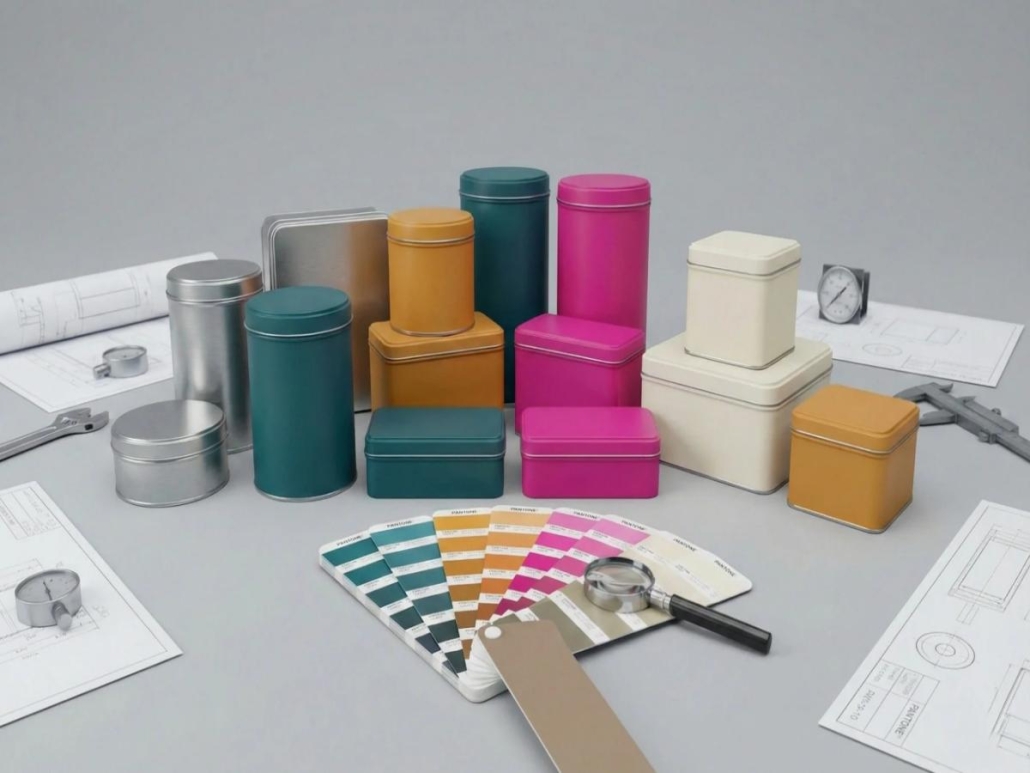
We utilize state-of-the-art printing equipment to reproduce vivid, precise graphics—including both CMYK and Pantone special effects. Concurrently, we employ professional cutting and forming techniques to maximize material efficiency and ensure structural precision. Furthermore, every batch of metal tins undergoes rigorous inspection to identify any issues related to printing, sealing, structural defects, or visual inconsistencies. When necessary, we implement protective measures—such as plastic bags, cardboard dividers, double-walled corrugated cartons, and wooden pallets—to ensure that the metal tin packaging arrives in our clients’ hands in pristine condition.

Delivering a More Memorable User Experience

Many brands particularly those in the luxury sector—place a strong emphasis on marketing the “unboxing experience.” Compared to cardboard boxes or plastic containers, metal tins offer a distinctly different and superior experience. Metal tins provide a more satisfying tactile feel, feature a more secure closure mechanism, and—crucially—often remain useful long after the product inside has been consumed. This leaves customers with the impression that the brand has invested genuine thoughtfulness and craftsmanship into its packaging, rather than merely opting for a disposable, temporary solution. This presents a significant advantage for brands that sell gifts, limited editions, or seasonal specialty products. On an emotional level, when customers receive a product packaged in an exquisite metal tin, they are more likely to remember the shopping experience and reuse the tin in the future. This helps boost brand awareness and reinforces consumer perceptions regarding the quality of the product.

High-end candle jar packaging

This represents the ideal product packaging solution for high-end brands.

When considering various factors, metal tins remain one of the premier choices for premium packaging; they boast a sophisticated and upscale aesthetic, offer exceptional protective capabilities, are highly durable, and possess extensive potential for customization. They are more effective than other materials in enhancing brand value. Beyond their aesthetic appeal, metal tins safeguard product integrity during transit and storage, and even provide customers with reusable packaging. By opting for custom metal tins, brands can not only elevate the consumer experience but also distinguish themselves through their commitment to sustainability and product differentiation.

Custom Tin Packaging Services 1

Tin Box Manufacturer: Providing Comprehensive Custom Tin Packaging Services

A professional tin manufacturer ensures that products are delivered to customers in perfect condition. This is achieved through rigorous production processes, meticulously selected materials, and comprehensive customization options. As a specialized tin box manufacturer, TSING provides global clients with reliable, aesthetically pleasing, and scalable custom tin packaging solutions. For any buyer, selecting a supplier involves more than just finding a reasonable price; it requires evaluating whether the entire service process is attentive and professional. From the preparation and printing of tinplate sheets to cutting, forming, inspection, assembly, and final packaging, a professional tin box factory must precisely control every single step to ensure that every batch of tin cans is delivered to the client flawlessly.

A Tin Box Manufacturer Offering End-to-End Custom Tin Packaging Solutions

At TSING, we select tinplate based on the specific product type, required durability, and market positioning. For applications involving food, cosmetics, and candles, we ensure that the material possesses both structural integrity and surface compatibility with coatings and inks. In certain instances, we may opt for alternative materials to better align with the product’s specific characteristics.

During this stage, we also evaluate factors such as material thickness, surface finish, and corrosion resistance. These elements directly influence the quality of the forming process, the effectiveness of the printing, and the long-term durability of the packaging. By optimizing material selection early in the process, TSING—as a professional tin box manufacturer—ensures that all subsequent production steps remain stable and efficient. Furthermore, we consider how the chosen materials will perform under various environmental conditions—such as humidity, temperature fluctuations, and transit-related stresses. These practical factors can significantly impact the long-term performance of the packaging. An experienced tin box manufacturer anticipates these scenarios and selects materials that will maintain their integrity throughout the product’s entire lifecycle.

Food-grade tinplate material

A Tin Box Manufacturer Delivering High-Quality Printing for Tin Cans

TSING utilizes imported printing equipment to produce high-definition imagery and ensure consistent color reproduction. We support a variety of printing modes—including CMYK and Pantone—offering the flexibility to render intricate designs and achieve precise brand color matching.

For those seeking to procure custom tin packaging, printing quality is not merely a matter of aesthetics; it is fundamental to market perception. Crisp, vibrant designs enhance shelf appeal and serve to reinforce the brand’s image. Consequently, professional tin packaging manufacturers are able to strictly control color accuracy and print registration, thereby ensuring product consistency across all production batches. In addition to standard printing, we offer a range of surface finishing techniques—including matte varnish, gloss coatings, spot UV, and various other treatments—to further enhance visual impact. These techniques enable brands to highlight specific design elements, creating a more premium texture and aesthetic. Before mass production, we conduct rigorous color calibration and proofing to ensure that the final product aligns perfectly with the approved design.

Custom Tin Box 1-3

Precision Cutting and Material Optimization

Once printing is complete, operators cut the tinplate sheets according to the design specifications. This step demands exceptional precision to ensure that the printed graphics align perfectly with the final product’s form. TSING utilizes specialized cutting equipment guided by the printed patterns to maximize material utilization. This efficient cutting process minimizes waste and reduces production costs while maintaining visual accuracy. Furthermore, precision cutting facilitates the smooth execution of subsequent forming and assembly stages, thereby enhancing the overall reliability of our custom tin packaging solutions. Throughout the production process, we optimize layout planning to ensure the most effective use of every tinplate sheet; this involves carefully arranging cutting patterns to minimize unused areas while preserving structural integrity.

Stamping and Forming: Ensuring the Structural Integrity of Custom Tin Packaging

The stamping process transforms flat tinplate sheets into various functional packaging components—such as lids, bases, and body panels. For tin box manufacturers, this process requires precise control over pressure, forming accuracy, and edge finishing to ensure that the final products meet exact dimensional specifications and possess superior durability.

At TSING, we join components using welding or curling techniques to create a strong, hermetically sealed structure. We rigorously monitor mold precision and machine calibration to ensure the consistency of mold shapes throughout the mass production of packaging. During the stamping and forming stages, TSING also incorporates specific design features to mitigate internal material stress, thereby helping to prevent product deformation over time. For tin packaging solutions requiring enhanced sealing performance, we can implement additional structural reinforcement measures—such as reinforced edges or tighter lid tolerances—to ensure that every tin box delivers optimal performance.

Stamping and Forming Ensuring the Structural Integrity of Custom Tin Packaging

A Tin Box Manufacturer Committed to High Quality, Assembly, and Delivery

As a professional tin packaging manufacturer, TSING subjects every batch of products to rigorous inspection to identify issues such as printing defects, poor sealing, or dimensional discrepancies. We also carry out secondary inspections during the production process to further ensure that all products meet client requirements. This multi-layered inspection methodology minimizes the risk of defects and guarantees consistent product quality. In addition to visual inspections, we perform functional tests to verify sealing integrity, lid fit, and structural strength. These tests simulate real-world usage scenarios, ensuring that product performance meets expectations; TSING ensures that every tin box adheres to high standards before being delivered to the client.

Assembly and Packaging: Protecting Finished Tin Boxes

After inspection, workers assemble the tin boxes according to the design specifications. At this stage, they also carry out additional checks to make sure no defects remain. During the final packaging phase, TSING adheres to strict protocols. Workers wipe each tin clean with a lint-free cloth and inspect it according to AQL 2.5/4.0 standards. We employ a comprehensive range of protective measures, including plastic bags, cardboard dividers, double-walled cartons, and wooden pallets, to ensure that custom tin packaging arrives at its destination in pristine condition after transit. We also tailor packaging solutions based on shipping distance, mode of transport, and product sensitivity. For instance, export shipments may require reinforced cartons or palletized packaging to withstand the rigors of long-distance shipping. No matter how big or small your order is, TSING balances protection and efficiency to make sure your products arrive in perfect condition.

Comprehensive Production Services Deliver Superior Results

A full-service tin box manufacturer is defined not by a single isolated step, but by the seamless interconnection of every stage in the process. From material selection to printing, cutting, forming, inspection, and assembly, TSING maintains rigorous quality assurance throughout every single phase. The ultimate result is a custom tin packaging service that delivers higher quality and fewer delays.

Solving the Problem of Coffee Bean Spoilage 1

Using Custom 500g Coffee Tins: Solving the Problem of Coffee Bean Spoilage

For a bag of freshly roasted coffee beans, the optimal time to taste is within 1 month. During this month, if the packaging lacks a tight seal allowing excessive exposure to oxygen, moisture, heat, and light, the beans’ freshness will be compromised; once the aroma begins to dissipate, the coffee’s flavor will decline significantly. Consequently, in the coffee industry, coffee bean packaging plays a crucial role. Custom 500g coffee tins featuring a superior sealing mechanism serve a purpose far beyond merely holding the beans. It helps create a stable storage environment, slows oxidation, preserves aroma, and delivers an enhanced experience for the customer from the moment the tin is opened until the very last scoop is enjoyed.

How do Custom 500g Coffee Tins Achieve Superior Sealing?

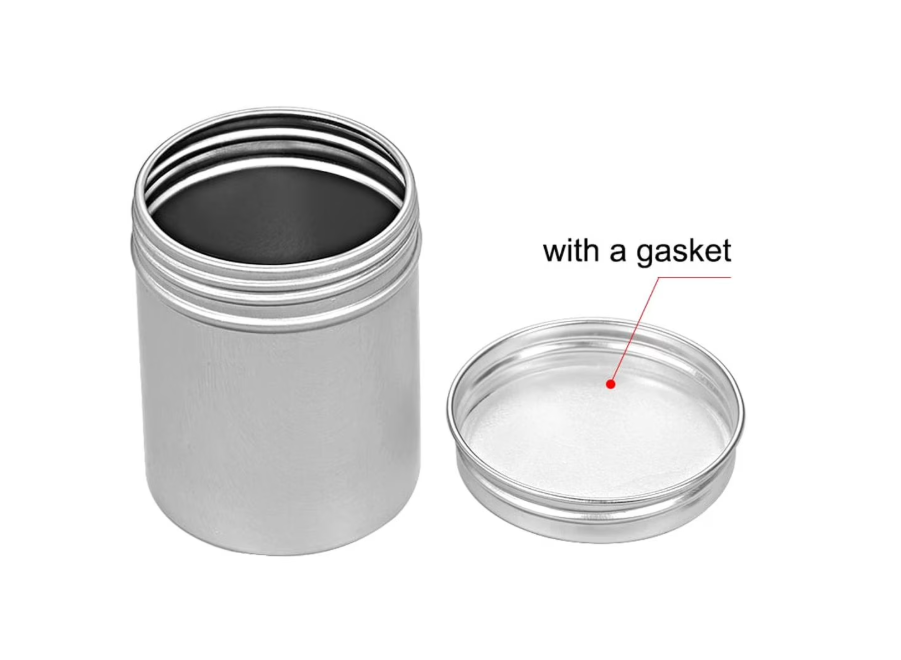
Sealing performance is the single most critical factor in maintaining coffee freshness. Custom 500g coffee tins employ various gasket technologies—such as PVC gaskets, silicone rings, and EPE liners—to enhance airtightness. Manufacturers typically embed these components within the lid, forming a protective barrier that keeps oxygen and moisture out.

Based on our manufacturing experience, PVC gaskets offer the best balance of cost-effectiveness and reliable sealing performance, making them a widely adopted choice. Silicone rings, conversely, boast superior elasticity and durability, making them the ideal choice for premium packaging applications that require frequent opening and closing. EPE liners are lightweight and economical, suitable for standard coffee storage requirements. By selecting the appropriate sealing material during the customization process, coffee roasters can tailor their tins to align with their specific product positioning, thereby maximizing the preservation of their coffee beans. Regardless of the packaging format, the sealing system directly determines the level of protection the coffee receives throughout its lifecycle.

How do Custom 500g Coffee Tins Achieve Superior Sealing

Coffee Tin Lid Structures: Enhancing Protection and Usability

Beyond the sealing materials themselves, the lid’s design significantly impacts both product protection and the user experience. Custom 500g coffee tins can be fitted with various lid types, including friction-fit, hinged, and metal-clasp lids. Each type offers distinct advantages in terms of convenience and sealing strength. Hinged lids work especially well for daily use because they stay attached to the container, so you don’t have to worry about losing them. Metal-clasp lids, on the other hand, provide a more secure closure, offering an extra layer of assurance that the tin remains tightly sealed throughout the entire storage period. When paired with internal sealing components, these designs create a highly effective barrier that provides robust protection against environmental factors. In our customization process, we design lids tailored to each client’s specific requirements for their coffee tins, ensuring that the 500g coffee container remains both practical and protective throughout its entire lifecycle.

Coffee Tin Lid Structures: Enhancing Protection and Usability

What Customization Options Are Available for 500g Coffee Tins?

Coffee brands commonly use the 500g capacity as a standard size in coffee packaging. It strikes an ideal balance between volume and user-friendliness, making it suitable for both individual consumption and retail distribution. A custom 500g coffee tin offers ample space to store a substantial quantity of coffee beans while remaining compact and easy to handle.

Opting for custom coffee tins also presents an excellent opportunity for brand promotion. The customization process provides a generous surface area for printing and labeling, allowing the application of various premium surface finishes, such as matte varnishes, embossed textures, and spot color printing, enabling brands to effectively convey product information, origin details, and quality attributes. Furthermore, the container’s moderate size ensures convenience for consumers, whether used in a home or office setting. Consequently, the 500g coffee tin is frequently the core packaging format across multiple product lines.

What Customization Options Are Available for 500g Coffee Tins

Material Selection and Structural Integrity for Custom 500g Coffee Tins

Tinplate is widely used for its high strength, exceptional durability, and compatibility with food-grade coatings. A well-engineered coffee tin resists deformation, effectively shielding its contents from external pressure and maintaining its structural integrity over time—a factor that indirectly helps preserve the freshness of the coffee beans. The internal coating is equally critical, as it prevents direct contact between the coffee and the metal surface. This ensures that the coffee’s flavor remains uncompromised and prevents corrosion of the container. By combining premium materials with precision manufacturing processes, custom coffee tins deliver both functional reliability and a premium aesthetic quality essential to competitive coffee packaging.

Enhanced Sealing for Superior Freshness Preservation

Custom 500g coffee tins offer a comprehensive solution to the common challenge of coffee bean spoilage. These coffee tins incorporate sealing technologies such as PVC gaskets, silicone rings, and EPE liners, alongside meticulously designed lid structures, including hinged or metal-clasp lids. This combination effectively minimizes contact between the coffee and the air, thereby preserving the rich aroma and flavor of the coffee beans for an extended period.

Versatile Custom Black Tins(1)

Versatile Custom Black Tins: For Candles, Aromatherapy, Storage, and More

In the realm of packaging, black is highly versatile. Whether the product is a candle, an aromatic balm, a tea sample, a cosmetic item, or a small storage accessory, utilizing black as the color for a tin container establishes a powerful visual foundation for the brand. This is the practical value of custom black tins: they can meet the requirements of diverse product categories without compromising visual appeal. Highly adaptable and applicable across a broad spectrum of fields, they are easy to customize and suitable for use with both premium and entry-level product lines.

Custom Black Tins: Combining Versatility with Utility

One of the biggest advantages of custom black tins is their adaptability. You can use them across a wide range of product categories. With just small tweaks, often just a design change, you can use them for candles, aromatherapy products, storage containers, and even promotional packaging. This not only reduces development costs and streamlines production processes but also accelerates time-to-market, a critical factor for brands that need to launch new products rapidly.

This flexibility also facilitates brand expansion; companies can introduce new products while maintaining packaging consistency, thereby reinforcing brand recognition. For instance, a company might employ the same black tin design across different product lines, distinguishing individual items through variations in labeling or surface finishes. This approach allows for the creation of a cohesive product family that simultaneously embraces diversity and creativity. As one of the classic color choices in packaging, black is timeless and never goes out of style. This ensures that these highly versatile custom black tin cans continue to perform exceptionally well throughout extended market cycles.

Custom Black Tins Combining Versatility with Utility

Custom Black Tins for Candle Packaging: Balancing Aesthetics with Functionality

The premium aesthetic of custom black tins has led to their widespread adoption in the candle industry. As a classic surface color, black conveys an air of elegance and sophistication, making it an ideal choice for scented candles, gift candles, and travel-sized products. In a retail environment, this visual simplicity ensures the packaging never appears overly complex or cluttered. From a functional standpoint, black tins provide excellent structural support during wax pouring and cooling; furthermore, the dark surface effectively masks minor scratches. Flexibility in brand promotion is another key advantage: candle brands can easily combine these black tins with metallic printing, embossed logos, or minimalist labels to craft a distinctive brand identity. It is precisely this adaptability that allows these versatile custom black tins to do more than merely protect the product—they actively enhance its perceived value.

Custom Black Tins for Candle Packaging

Custom Black Tins for Aromatherapy Products

In the packaging of aromatherapy products, the container must simultaneously deliver emotional value to the user and reflect the quality of the product itself, a requirement that custom black tins fulfill perfectly. The understated, sophisticated style of black is well-suited for products such as essential oils, lip balms, and solid perfumes, embodying a minimalist design philosophy. These tins are highly functional, compact, and durable, making them ideal for on-the-go use. Since people often carry aromatherapy products in bags or store them in tight spaces, the packaging needs to protect the contents while staying light and easy to carry, and black tins strike that balance really well. Moreover, the versatility of these tins enables brands to apply them across multiple product lines from individual items to curated gift sets—thereby creating a cohesive, premium brand experience that remains grounded in practicality.

Custom Black Storage Tins

Custom Black Storage Tins: Enhanced Durability and Resilience

Beyond housing specialty products, custom black tins are also ideally suited for everyday organization. Their durable tinplate construction makes them perfect for storing small items such as tea, spices, craft supplies, and office accessories. Compared to materials like plastic or cardboard, they offer superior resistance to compression and greater overall durability. A key advantage of black tin boxes in storage applications is their clean, uniform aesthetic. When used in sets or series, they visually create a sense of neatness and sophistication. Through customization options—such as printed labels, embossed markings, or color-coded lids brands can tailor these tins to specific storage purposes. This blend of practicality and aesthetic appeal makes versatile custom black tins a reliable packaging choice for both retail and personal use.

Manufacturing and Flexibility

The extensive versatility of custom black tin depends largely on material selection and manufacturing precision. The gauge (thickness) of the tinplate plays a crucial role in durability, as thicker material offers greater resistance to dents and deformation. Regarding surface finishes, a matte coating provides a refined look that resists fingerprints. In contrast, a glossy finish creates a more striking visual impact. Soft-touch coatings can further enhance the tactile experience. For the lids—whether sliding, hinged, or screw-top, consistent sealing integrity is essential to ensure both ease of use and product protection. Through rigorous quality control measures, custom black tins can successfully balance aesthetic appeal with functional reliability.

Versatile Product Packaging

Custom black tins are applicable across a wide range of product categories. With only minor modifications, a single tin design can often be adapted for use with candles, aromatherapy products, general storage containers, and promotional packaging. They offer a rare and perfect combination: visual elegance, structural durability, and exceptional design flexibility. This versatility provides brands with a scalable packaging strategy; the tins can be adapted to diverse applications, enabling them to expand their product lines while maintaining a consistent brand image. Furthermore, their classic black aesthetic ensures long-term relevance, helping brands avoid frequent redesigns and thereby saving on unnecessary costs.