
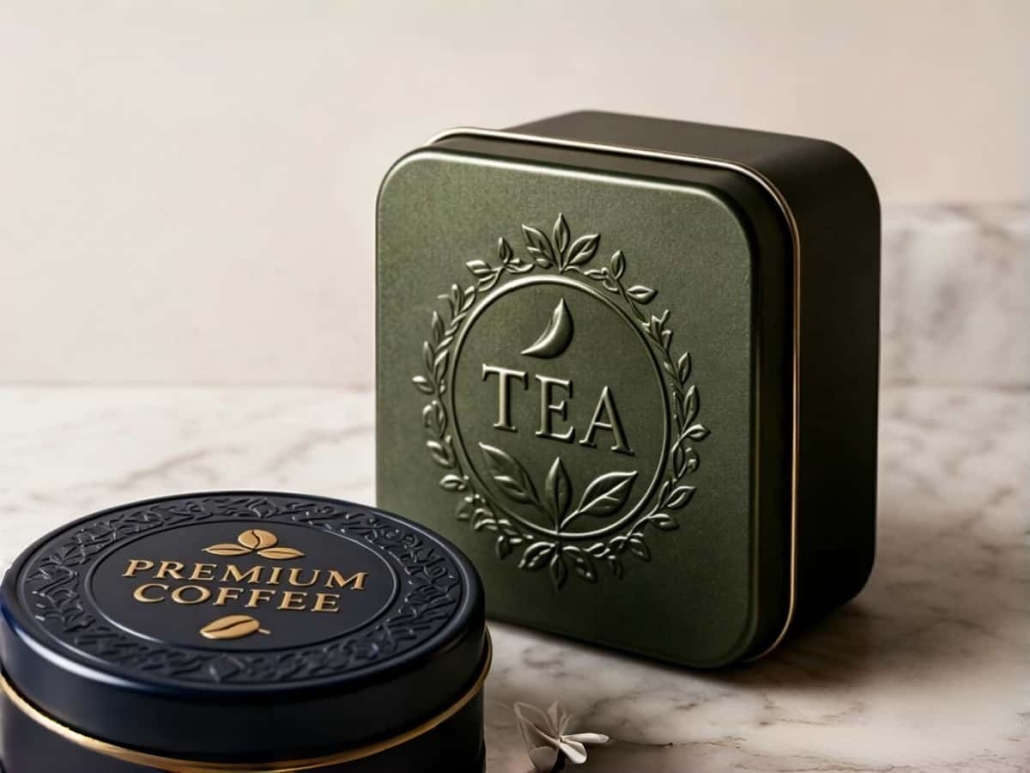
Embossing and Debossing: Creating 3D Texture for Custom Metal Tins
For product packaging that emphasizes texture, a smooth surface is often insufficient to meet customer expectations. When brands choose custom metal tins to hold tea, coffee, candles, or cosmetics, embossing and debossing techniques can create packaging that looks more upscale, feels more substantial, and conveys a sense of quality even before the customer opens it. Packaging is an integral part of the product experience. A custom metal tin with a smooth texture, distinct layers, and meticulous craftsmanship leaves a more lasting first impression than packaging that relies solely on printed graphics. Textured packaging stands out, drawing people in to take a closer look and conveying a sense of careful craftsmanship rather than mass-produced uniformity.
Why do textured surfaces on custom metal tins feel more premium than flat surfaces?
While flat, printed tin cans may look neat, they often lack that eye-catching tactile quality. The addition of texture instantly transforms this experience. Once the surface of a tin can gains depth, the way light reflects off it changes, and the touch can perceive the surface’s subtle undulations. It is this combined visual and tactile experience that gives custom metal tins a more premium feel.
High-end packaging does more than convey information; it creates a unique experience. Textured surfaces make tin cans appear more meticulously crafted, more artisanal, and consequently more valuable. For this reason, many clients who want their metal tins to convey a premium feel from the very first touch often opt for embossing and debossing techniques.
How Does Embossing Create a 3D Texture for Custom Metal Tins?
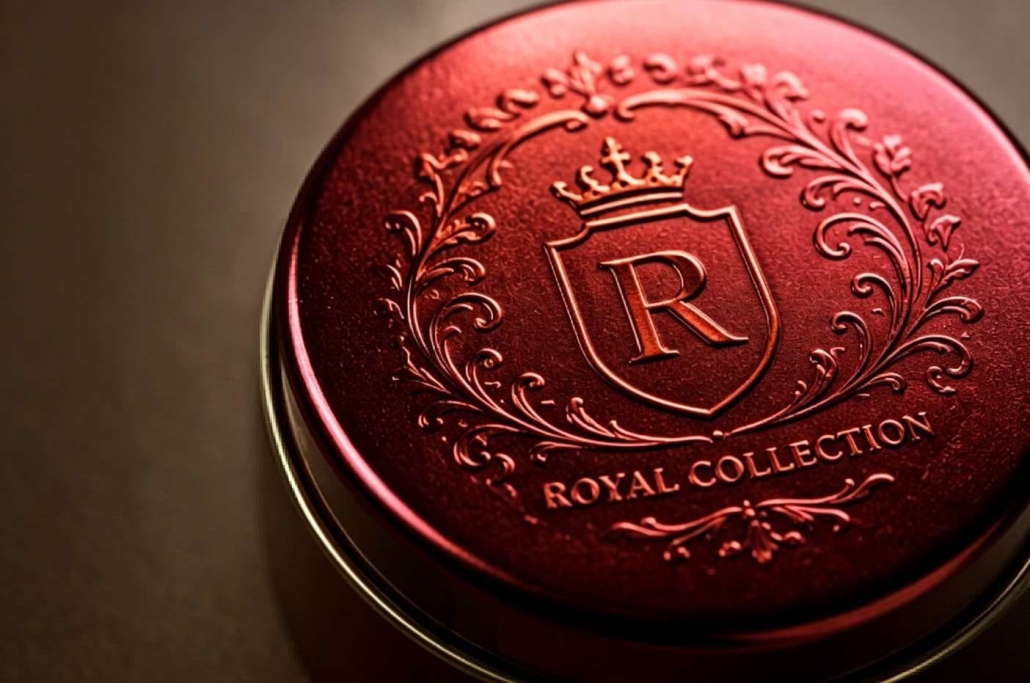
Embossing is one of the most direct ways to create a 3D texture in metal can packaging. It raises selected design elements from the surface, transforming brand logos, borders, icons, and patterns from flat graphics into features with a tangible, three-dimensional feel. This gives custom metal tins a more distinct tactile identity and creates product packaging with a more premium feel.
Embossing makes design elements stand out from the surface
When a design is embossed, specific areas of the metal surface are pressed upward to form raised areas. The result is a raised section that is both visible and tactile. This physical transformation adds depth to the packaging and makes the highlighted elements clearer and more eye-catching.
This is particularly effective for brand logos. A raised logo instantly conveys its prominence. In the design of custom metal cans, this approach is often more effective than simple flat printing, as it embeds design elements into the packaging through a physical process rather than merely applying them to the surface.
Embossing Enhances the Tactile Experience of Custom Metal Tins
One of the greatest advantages of embossing is the unique tactile experience it offers. Customers may not consciously analyze design details, but they can intuitively sense the difference. When holding the packaging, the texture of its surface becomes more captivating. It is precisely this unique tactile quality that creates the premium sensory experience characteristic of metal can packaging. When customers receive a gift in a metal can featuring an embossed logo or pattern, they are more likely to associate the packaging with exquisite craftsmanship.
How Does Debossing Create a Sense of Depth?
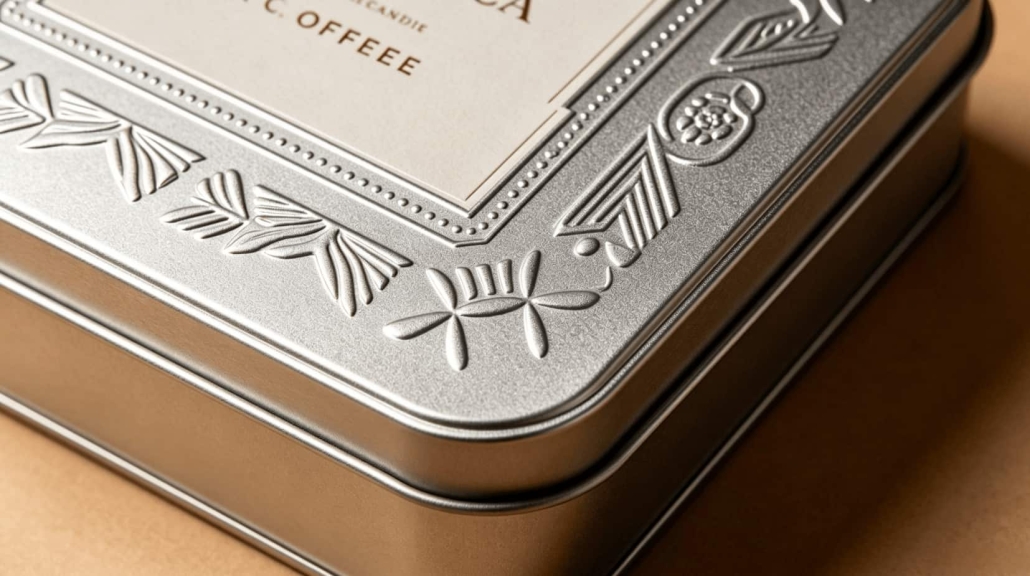
The visual effect produced by debossing is the opposite of embossing. Rather than raising the design pattern above the surface, it presses it into the metal. The resulting recessed details convey a more subdued, refined, and often more modern aesthetic. In metal can packaging design, debossing is the ideal choice when clients wish to create a sense of material texture without causing a strong visual distraction.
Pressing Design Patterns Deep into the Metal Tin Body
The debossing process creates recessed shapes on the metal tin’s surface. The finished product features clearly visible indentations that enrich visual depth while maintaining the can’s clean, flowing silhouette. This technique is particularly well-suited for edge embellishments, secondary logos, and decorative patterns intended to complement the overall design rather than overshadow it. For custom metal cans, the embossing process offers brands an alternative way to create a tactile, textured surface while preserving the packaging’s elegant aesthetic.
Creating a Subtle, Luxurious Texture
Some brands do not seek eye-catching, three-dimensional logos; instead, they prefer a soft, understated visual appearance. In such cases, the embossing process creates a sense of depth without overwhelming the eye, resulting in an effect that is serene, precise, and exceptionally refined.
This understated refinement is particularly prized in high-end packaging sectors such as tea, beauty, and skincare products. In these niche markets, measured restraint can often convey a product’s exceptional quality just as effectively as bold extravagance. Debossed designs can lend custom metal tins a more mature, refined, and premium feel.
Embossing and debossing are the techniques that best convey texture in custom metal tins
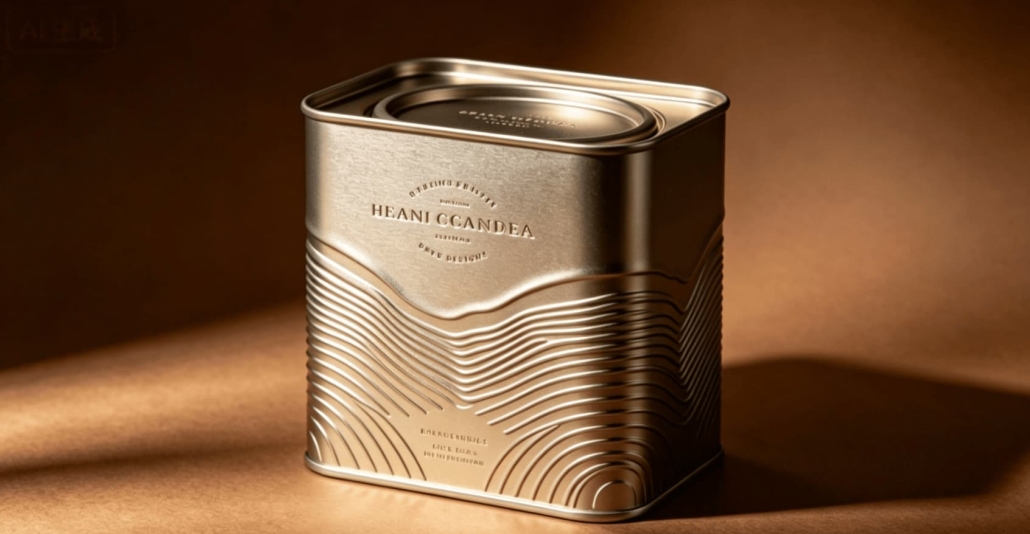
Embossing creates raised details, debossing creates an elegant sense of depth, and gravure printing adds color depth and visual richness. The combination of these two techniques gives custom metal tins a stronger sense of texture and emotional impact. It makes the metal tin packaging appear more refined and valuable. At the same time, it enhances the appeal of custom metal tins.


 Facebook
 Twitter
 Linkedin
