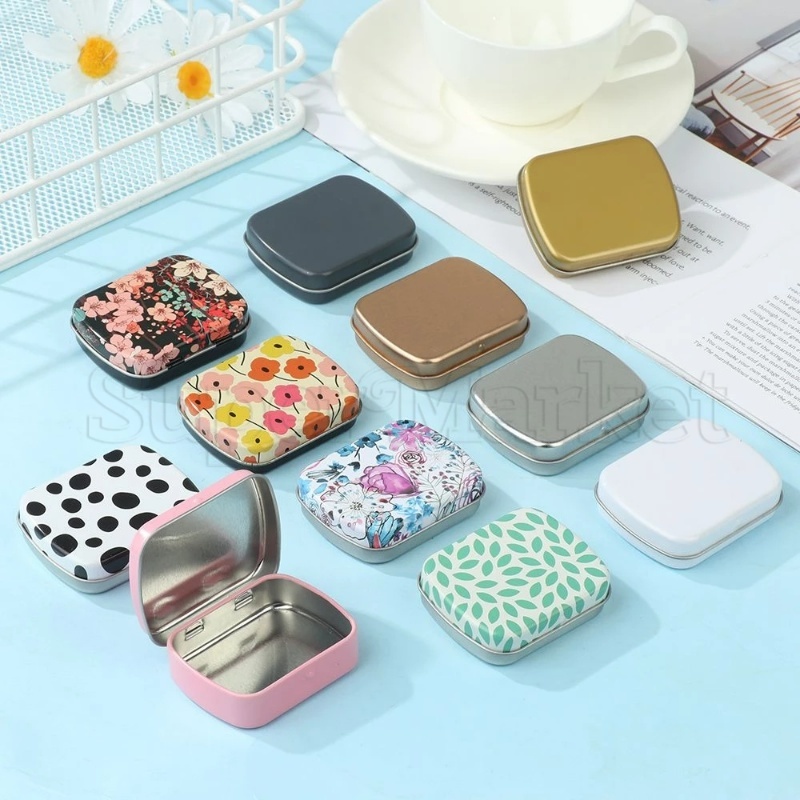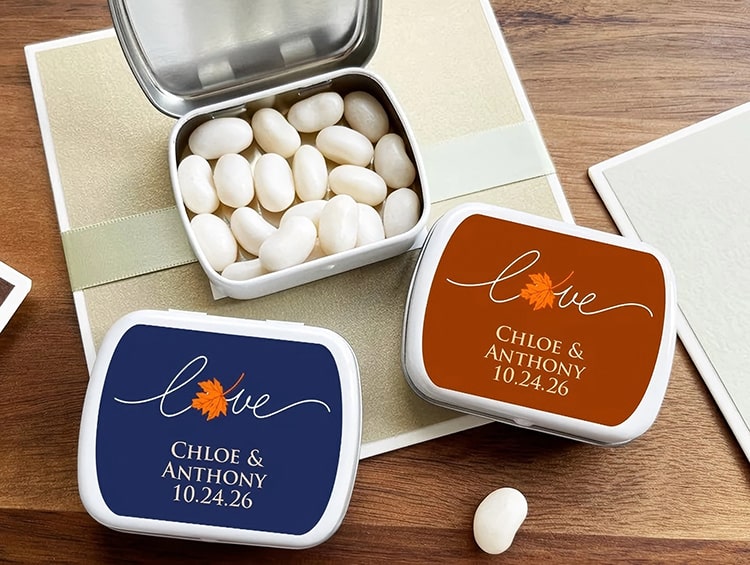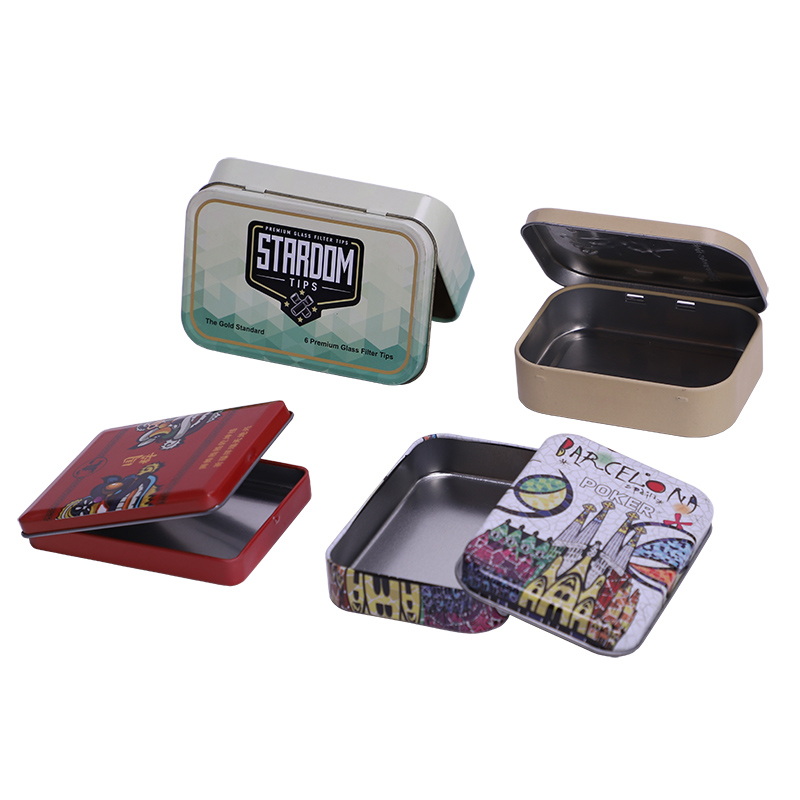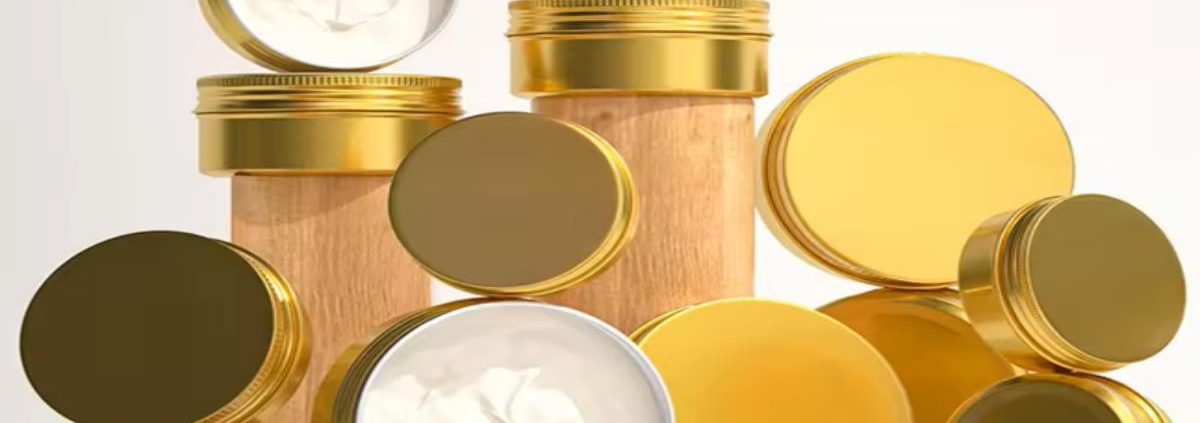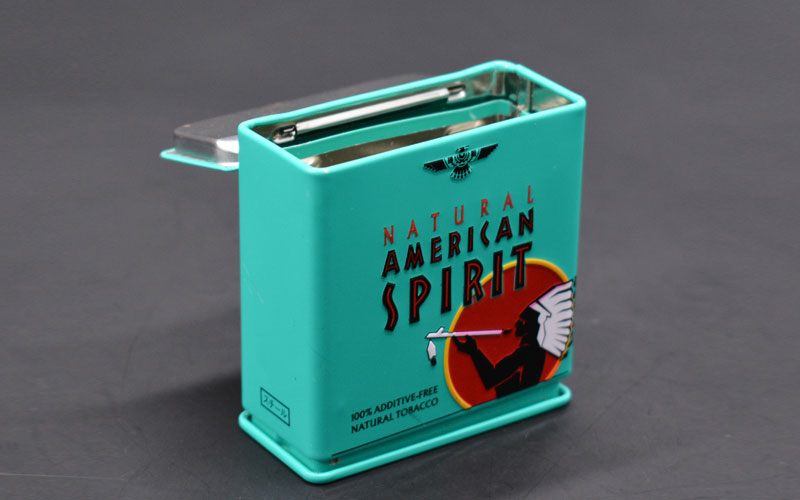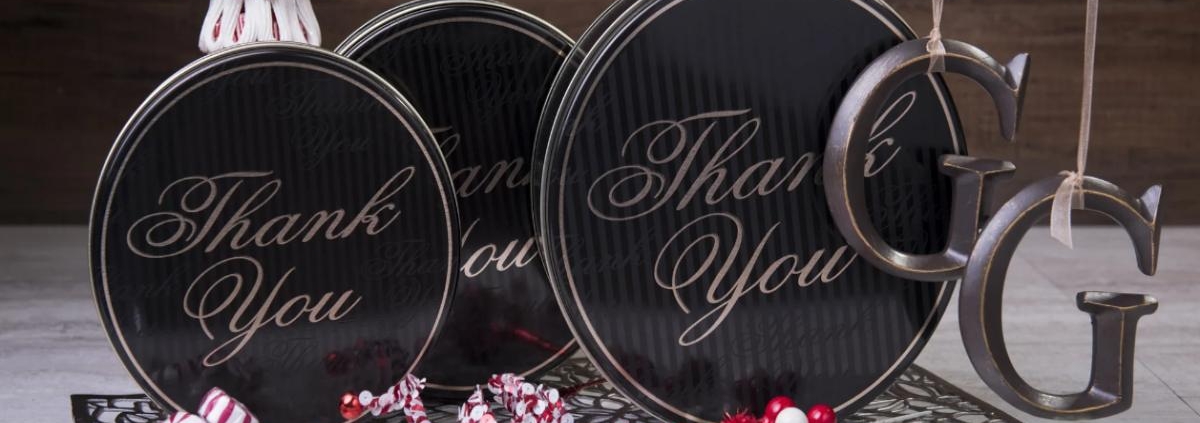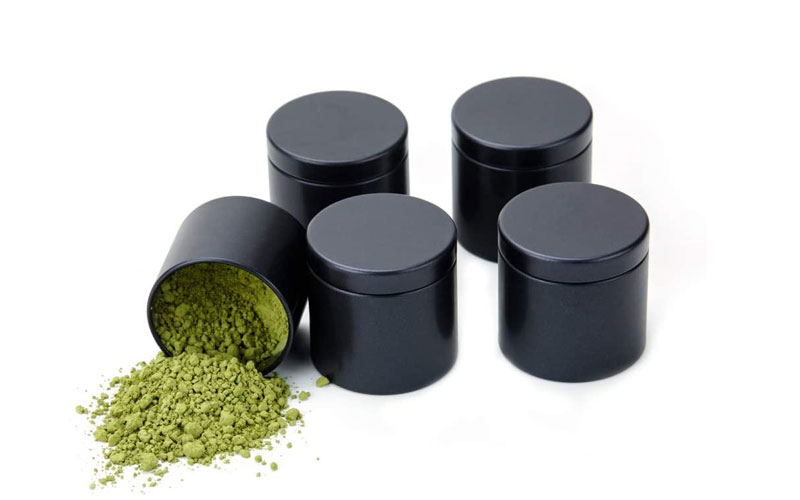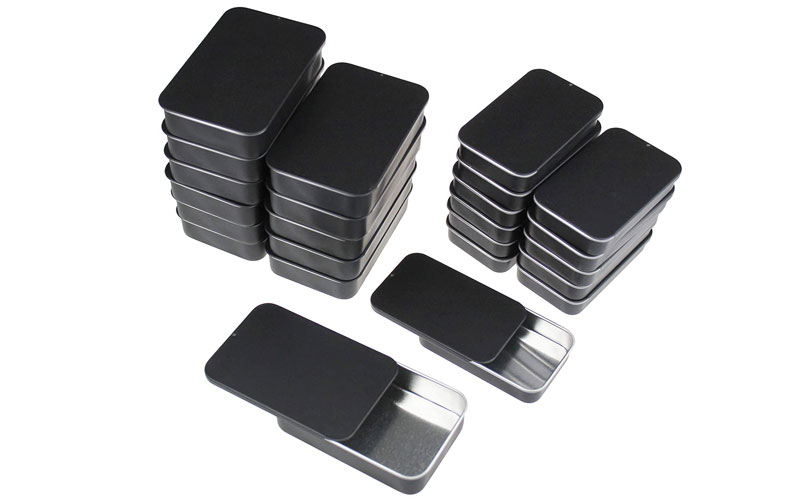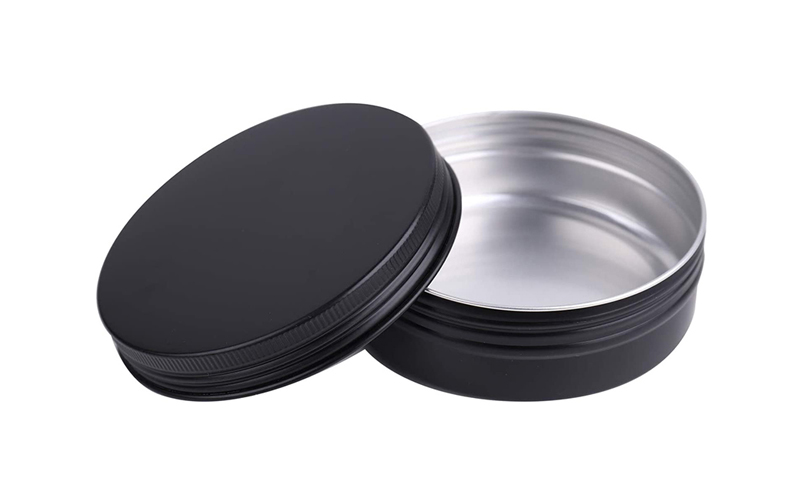
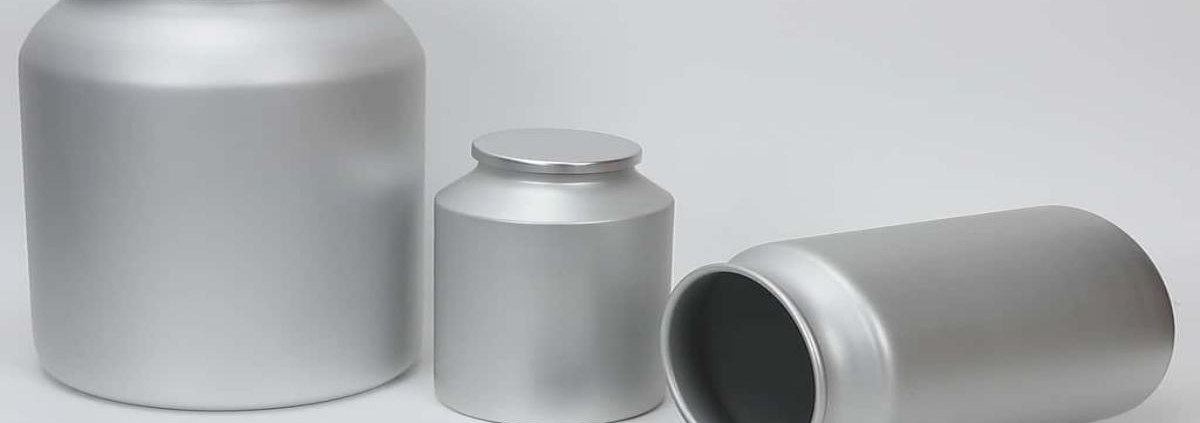
Custom Tobacco Tins 9-1(1)

Guide to Custom Tobacco Tins Material Selection: Tinplate vs Aluminum for Tobacco Storage

The flavor, aroma, and burning quality of tobacco all depend on its protection from oxygen, moisture, and light. Custom tobacco tins are more than just containers; they are crucial packaging for preserving flavor. The material you choose determines the final flavor of the tobacco on the consumer’s pipe or cigarette paper—whether it retains the original, carefully crafted flavor or is completely altered. Our clients range from artisanal brands to global cigar accessory manufacturers, and the data clearly shows that in 91% of premium tobacco applications, tin canisters outperform aluminum canisters. To demonstrate this, we will directly compare tin and aluminum canisters and explain why tin canisters are the gold standard for custom tobacco tins.

Custom Tobacco Tins: Why Material Determines Tobacco Quality

The complex chemical composition of tobacco makes it exceptionally sensitive to packaging. To understand why tin and aluminum canisters differ so much, we must first understand tobacco’s needs for custom tobacco tins. Tobacco leaves contain over 2,000 volatile organic compounds (VOCs)—molecules that give tobacco its “flavor,” reminiscent of vanilla, leather, or grass. These VOCs decompose upon contact with oxygen or moisture. Light accelerates this decomposition, while temperature fluctuations cause condensation, which removes flavor. Therefore, custom tobacco tins must act as a fortress, protecting against these four threats. At Tsing, we test four key metrics for each material used to make custom tobacco canisters: oxygen permeability, water vapor transmission rate, aroma neutrality, and light-blocking properties. These metrics are not just numbers; they directly relate to the shelf life of tobacco.

Why Material Determines Tobacco Quality

Custom Tobacco Tins: Tinplate – The Gold Standard for Preservation

Tinplate is a thin sheet of steel coated with food-grade tin. It offers a unique combination of barrier properties, aroma neutrality, and durability, meeting all the key requirements for tobacco storage. Tsing uses 0.28–0.35 mm-thick tinplate in its custom tin cans, featuring high-tin-content (99.8% purity) steel plates—thicker than the industry standard—to maximize tobacco protection.

The steel core and tin coating of the tinplate form a virtually indestructible barrier. Our lab tests show that Tsing’s custom tinplate tobacco tins have an oxygen permeability of 0.05 cc/m²/day, only one-sixth that of aluminum canisters (0.3 cc/m²/day). This reduces oxidation by 83%, allowing VOCs to be preserved for months. Tinplate has a moisture permeability of 0.1 g/m²/day, maintaining tobacco humidity within the ideal 12-14% range. Furthermore, the food-grade lacquer coating (FDA-approved epoxy phenolic lacquer) forms a barrier between the tobacco and the metal, preventing any flavor transfer. In contrast, aluminum is porous at the molecular level; it absorbs tobacco oils over time, imparting a metallic taste to the tobacco.

Additionally, tinplate is 100% opaque, effectively protecting against UV rays. Tinplate tobacco tins are completely opaque, blocking all light. While aluminum canisters are opaque, they are typically thinner, allowing weak light to seep in—especially with light-colored designs. Furthermore, tinplate is durable, reusable, and recyclable.

The Gold Standard for Preservation

Aluminum: Limitations of High-End Tobacco Storage

It is important to clarify that aluminum is not a “bad” material, but rather unsuitable for high-end custom tobacco tins. Its advantages (lightweight, low initial cost) are suitable for low-priced tobacco, promotional items, or single-use packaging. First, aluminum’s porous structure allows oxygen and moisture to penetrate over time. Our tests show that tobacco stored in aluminum custom tobacco tins loses 22% of its volatile organic compounds (VOCs) within 4 weeks, compared to only 3% in tinplate cans. Additionally, aluminum reacts with the natural oils in tobacco, producing a chemical with a metallic taste. This taste is initially subtle but becomes very noticeable after 6-8 weeks.

Furthermore, custom aluminum tobacco cans are easily dented; even a light drop into a wallet or pocket can cause a dent. A dented can gives consumers a “cheap” impression, damaging the brand’s premium image. A New York-based cigar accessory brand found that 27% of its aluminum cigar cans arrived at retail channels with dents, compared to only 2% for tinplate cans. The cost of replacing damaged inventory offset the aluminum cigar can’s upfront cost advantage.

Tinplate Design Advantages – Building a Lasting Brand Image

The experience and flavor of premium tobacco are just as necessary. Customized tobacco tins are your brand’s first impression – conveying quality, heritage, and attention to detail. Tinplate’s rigidity and workability allow you to create designs that aluminum packaging cannot match, transforming packaging into brand equity.

Here are a few ways we leverage tinplate’s characteristics to enhance the quality of our clients’ customized tobacco tins. First, we can add embossing and debossing to enhance tactile brand recognition. Tinplate allows for deep embossing and clear debossing, creating an appealing tactile experience for consumers. Our embossed tinplate cans feature raised bourbon cask patterns that consumers can touch and feel.

Additionally, we can customize shapes and sizes to meet your diverse tobacco needs. The rigidity of tinplate cans allows us to create a variety of custom shapes—from rectangular cigar tins to round pipe tobacco tins—without compromising their structural integrity. It also enables luxurious finishes such as matte coatings, gold/silver foil stamping, and spot UV coating. In contrast, aluminum packaging limits these options. For brands aiming to cultivate a premium image, tinplate tobacco tins offer greater design flexibility and protection.

Custom tobacco tins that create a lasting brand image

For those who value quality and brand style, tinplate is the only choice

Tobacco’s most valuable asset is its flavor—and the most essential function of a custom tobacco tin is to protect that flavor. Aluminum falls short in this regard: its porous structure, tendency to absorb flavor, and poor durability make it a disadvantage for premium brands. In contrast, tinplate offers 99% protection against oxygen and moisture, 100% aroma neutrality, and the design flexibility needed to create a memorable brand image.

Embossed Logos on Custom Luxury Tin Cans(1)

How to Customize Embossed Logos on Custom Luxury Tin Cans: High-End Product Packaging

For some high-end luxury brands, packaging is more than just a container—it is the first step in connecting with customers. Custom luxury tin cans inherently represent quality; 92% of luxury consumers associate tin cans with “high-end,” compared to only 58% for plastic cans. Adding an embossed logo, especially a 3D relief, further reinforces this perception: it is uniquely tactile, memorable, and impossible to ignore. Unlike potentially flat or cheap printed logos, embossed designs create a 3D texture, engaging multiple senses—sight and touch—to deeply imprint your brand in consumers’ minds. The key to a successful embossed logo is not just “making it stand out,” but also perfectly aligning the design with your brand, product, and target audience. We will analyze every step of customizing tin cans in detail, showing you exactly how to transform your logo into an embossed element to elevate the status of your tin cans.

Custom Luxury Tin Cans: What is an Embossed Logo?

Embossed logos on custom tin cans refer to the process of using a precision mold to press a raised (3D) pattern onto the front of the tin can from the back. It is often confused with intaglio printing (which creates a recessed pattern from the front), but embossing is the gold standard of luxury—because the raised pattern reflects light, stands out on the shelf, and attracts touch.

For custom luxury tin cans, this means the embossed branding not only looks high-end but also feels it. A customer holding a can of premium tea with an embossed brand logo will associate that texture with the tea’s quality. The embossing process also gives the logo a durability that printed logos cannot match. Screen-printed or hot-stamped logos will wear down over time, especially if the tin can is reused. Embossed logos are an integral part of the tin can itself; they will not fade, scratch, or peel, ensuring your brand logo remains clearly visible for years to come.

What is an Embossed Logo

Five Key Elements for Custom Luxury Tin Cans Embossed Logos

Creating an embossed logo for a custom luxury tin can hinges on five key choices. Each choice directly impacts the logo’s look, feel, and performance; therefore, we guide each client through the entire process during the initial consultation.

1. Embossing Depth: Balancing Visibility and Tin Can Integrity

Embossing depth ranges from 0.8 mm to 1.8 mm. For most logos, 1.2 mm is ideal—clearly visible without deforming the tin can. More striking, minimalist logos can utilize a depth of 1.5 mm for enhanced visual impact. For complex designs, the embossing depth should be maintained between 0.8 mm and 1.0 mm to avoid obscuring details.

2. Standard Sizes and Complexity

Embossing is best suited for logos with clean, prominent lines. Text that is too small or overly complex details will become blurred after embossing. We recommend simplifying the design. For example, when we customized gift tins for a restaurant, we simplified their complex logo to a single-letter structure and embossed it alongside a clean brand name. The final result was a logo that was clearly visible from 3 feet away and had a smooth feel. Generally speaking, if your logo looks good at 1-inch square, then it is also suitable for embossing.

3. Can Material and Surface Finish: Enhancing the Embossing Effect

A matte finish makes embossed branding even more visible, as the raised texture creates subtle light-and-shadow effects. A glossy finish works just as well, but we recommend adding some texture to the can surface first to enhance the embossing effect. For metal cans, embossing creates a beautiful contrast.

Five Key Elements for Custom Luxury Tin Can Embossed Logos

Tsing Embossing Process – From Sketch to Finished Product

At Tsing, we continuously refine our embossing process to ensure consistent quality and results. Our production process is broken down into five transparent steps, giving you a clear understanding of the workflow and timeline for each.

Step 1: Design Consultation

We will first review your logo files and discuss your goals: do you want a striking or subtle embossed effect? ​​Will the tin cans be reused? What is your product category? Afterwards, we will provide 2-3 concept sketches showcasing the logo’s placement and depth, and use 3D renderings to give you a visual understanding of the final effect.

Step 2: Mold Making

Once you confirm the design, we will create a custom steel mold for your exclusive logo. This mold uses precision cutting to ensure a perfect match to your logo’s size and depth—we use CNC machine tools to ensure every edge is sharp and clean. Unlike some manufacturers who use plastic molds, our steel molds are reusable—if you later order custom high-end tin cans again, we can use the same mold, saving you time and money.

Step 3: Prototype Testing

We will create 2-5 physical prototypes using your chosen tinplate material and surface treatment. This step is crucial—you can feel the embossing’s depth, check for any blurring, and ensure the logo aligns with your brand image. For example, a high-end jam brand found the embossing was too deep during prototype testing, so we adjusted the mold to 1.0 mm.

Step 4: Production

We use automated embossing machines to imprint the design onto each jar. Our machines apply consistent pressure to ensure an apparent embossed effect on every jar. For large orders (over 10,000 tins), we conduct a random quality check every 500 jars to check the embossing depth, alignment, and jar integrity. We also process any matching surface treatments (hot stamping, texture) at this stage to ensure a perfect blend between the embossing and the surface treatment.

Step 5: Quality Control and Shipping

Each jar undergoes a final inspection: we check for even embossing, warped edges, or other surface defects. Then, we pack the jars in protective boxes and ship them directly to your warehouse or logistics center. We provide tracking information and assign a dedicated account manager to follow up, ensuring your satisfaction with the final product.

Embossed Logos: A Perfect Match for Your Product Category

Embossed logos should not be generic; they should align with your product, your target audience, and how the tin can is used. Here are our tailored recommendations for the most common product categories, based on thousands of success stories:

Luxury skincare brands (serums, moisturizers, masks) often use custom luxury tin cans to convey a “natural” and “premium” image. We recommend an embossing depth of 0.8–1.0 mm, with the logo placed on the lid or front. Matte white or soft pink tins work best, and the embossed logo uses a similar color scheme for a clean and simple visual effect.

Gourmet products (chocolate, nuts, coffee) need eye-catching embossed logos to stand out on supermarket shelves. We recommend an embossing depth of 1.2–1.5 mm, with bold lettering and a simple design. We once collaborated with a chocolate truffle brand that used a 1.5 mm-thick truffle-pattern embossed logo on rectangular metal cans. Metallic metal cans (gold, copper) pair well with food brands, as they evoke a sense of “purchase.”

Scented candle brands rely on the reuse of custom luxury tin cans, so the embossed logo must remain clearly visible even after the candle has burned out. A depth of 1.2mm works best, allowing the brand logo to be printed on the lid or side. We recommend adding a small “Reuse Me” embossing next to the brand logo to encourage customers to keep the can, thereby expanding the brand’s reach.

A Perfect Match for Your Product Category

Avoiding the Most Common Embossing Mistakes

Even with good intentions, brands sometimes make mistakes that result in poor embossing on custom high-end tin cans. These problems are avoidable—based on 20 years of experience, we have summarized the most common mistakes (and their solutions):

Mistake 1: Using a Low-Resolution Logo File

A blurry logo will result in a blurry embossing. Please provide a vector file (AI or EPS) or a high-resolution PNG. If you do not have a vector file, our design team can redraw the logo for a small fee—ensuring sharp, clean edges.

Mistake 2: Logo Size Too Small

Logos smaller than 1×1 inches often lose detail when embossed. We recommend that most custom tin can logos be at least 1.5 x 1.5 inches. If you need a smaller logo, consider a monogram or icon.

Mistake 3: Overly Complex Design

Logos with delicate lines, gradients, or multiple colors are not suitable for embossing. Stick to solid shapes and bold lines. A winery’s logo featured a gradient sunset, and they requested an embossed version; we simplified it to a solid sun icon and their brand name, resulting in a more sophisticated look than the original.

Mistake 4: Choosing the Wrong Tin Can Thickness

Thin tin cans (0.20 mm or less) cannot support embossed details—the can will warp or the design will fade over time. Always use 0.30–0.35 mm thick tin cans for embossing. A budget-conscious brand once requested 0.25mm-thick tin cans to save costs; we tested a prototype and showed them how the embossing would blur after a few months—they ultimately opted for 0.30mm-thick tin cans, which turned out flawlessly.

Mistake 5: Logo Does not Match the Tin Can Shape

Cylindrical tin cans need a curved logo to look straight; rectangular tin cans require a centered logo design. Our 3D renderings can help, but it is crucial to print the logo directly on the tin can.

Creating Unforgettable Custom Tin Cans

Custom tin cans are a powerful tool for luxury brands, and embossed logos make them truly memorable. They engage the consumer’s senses, convey a message of quality, and maintain brand recall long after product use. At Tsing, we do more than emboss logos; we are committed to creating an experience. From the initial design consultation to the final tin can delivery to your warehouse, we are there for you, ensuring your embossed logo is precise, durable, and perfectly matches your brand.

Custom Cosmetics Tin Cans 9-8

How to Maximize Brand Differentiation with Custom Cosmetics Tin Cans (Unique Shapes & Finishes)?

In the cosmetics industry, packaging is your first sales pitch; the design of cosmetic packaging can influence whether customers choose to buy a product. Tin cans and steel containers have always been leaders in packaging: they are environmentally friendly (100% recyclable), protective (blocking light and air), and have a pleasant tactile feel. However, ordinary round tin cans no longer meet the demands. To stand out, you need unique shapes and surface finishes that align with your brand image. As a professional custom tin can manufacturer, Tsing has designed and produced numerous custom cosmetic tin cans projects. Therefore, in this guide, we will show you how to leverage unique shapes and surface finishes to transform your packaging into a competitive advantage through real client case studies, practical design techniques, and answers to common questions we’ve heard from brands large and small.

Custom Cosmetic Tin Cans: Why Shape is the Secret to Increased Appeal

Walk into any beauty store, and you’ll see rows of round, square, or rectangular containers—they all look the same, lacking any distinctive features. Uniquely shaped custom cosmetic tin cans break this monotony and attract customers’ attention. But shape is more than just aesthetics; it tells your brand story and addresses consumer pain points.

At Tsing, we categorize shape design into three strategies:

1. Brand Icon Shape – Integrating Your Logo into Packaging
The most memorable custom cosmetic tins often echo the brand’s logo or core symbol. This highly recognizable shape allows customers to spot it even across the shelf, reinforcing the brand’s “natural” image.

2. Functional Shape – Solving Problems
Shaping can enhance product usability, thereby increasing brand loyalty. A traveler-oriented skincare brand partnered with Tsing to create a flat, portable custom cosmetic tin for its sunscreen stick. This tin easily fits into a toiletry bag, saving space, and its magnetic closure effectively prevents leaks. Additionally, for liquid products, we often design tins with a tapered bottom, providing a comfortable grip and stable placement on bathroom countertops.

3. Trendy Shapes – Timeless Brand Identity
Bohemian brands tend to favor irregular, handcrafted shapes, while minimalist brands prefer clean, geometric lines. Tsing’s design team closely monitors beauty trends, ensuring packaging shapes align with your brand image.

Why Shape is the Secret to Increased Appeal

Enhancing Luxury and Tactile Feel with Finishes

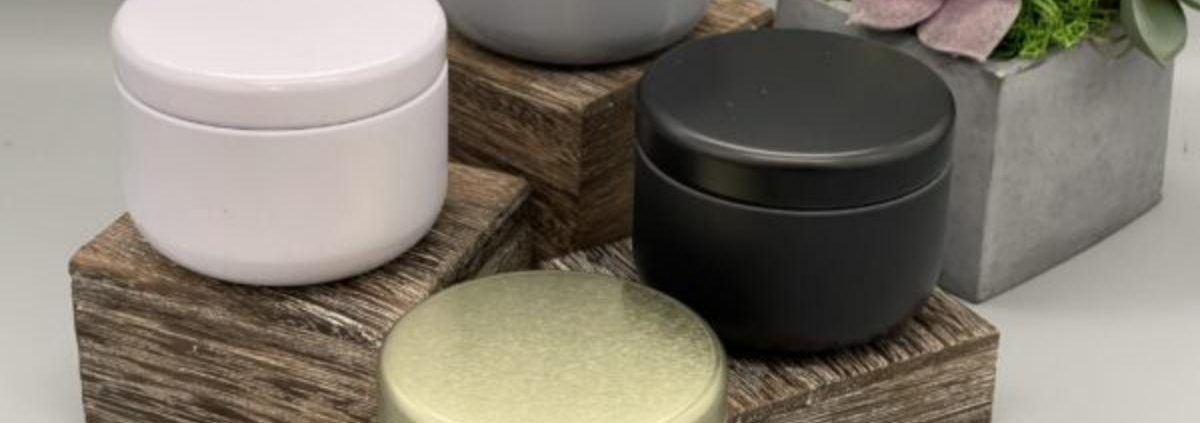
If the shape of the tin attracts customers to pick it up, the finish drives them to buy. The feel of the tin is smooth, textured, and cool to the touch. Tsing offers over 12 finishes, each tailored to a different brand personality. Here are some of the most effective differentiating finishes:

1. Matte Finish

It has a soft, matte texture that conveys sophistication and authenticity – perfect for pure beauty, skincare, and CBD brands. One natural skincare brand used Tsing’s matte white custom cosmetic tin to package its moisturizer with black embossed lettering. The packaging conveys a sense of “pure” and “premium.” In addition, matte finishes effectively prevent fingerprints, a significant advantage for products displayed on open shelves.

2. Metallic Finishes

Gold, silver, rose gold, and bronze metallic finishes exude luxury and are ideal for makeup and holiday gift sets. A high-end fragrance brand used Tsing’s rose-gold metal custom cosmetic tins to package its mini fragrance collection. These tins stood out under store lights, attracting numerous customers and resulting in a 29% increase in gift set sales during the holiday season. We can also offer a “brushed metal” finish for a more understated luxury.

3. Smooth Touch

Smooth touches have a velvety texture and a gentle feel, making them perfect for skincare products where “comfort” is a core brand philosophy. A brand focused on sensitive skin used Tsing’s smooth touch lavender custom cosmetic tins to hold its soothing masks.

4. Embossing/Debossing

Embossing or debossing adds depth and texture to custom cosmetic tins. A bohemian brand used embossed floral patterns on its tin cans, while a minimalist brand used debossed logo lettering, creating a low-key yet sophisticated look. A lip balm brand combined embossing with a matte finish—their logo is raised, so consumers can feel it when they pick up the custom tin can, creating a memorable tactile experience.

Enhancing Luxury and Tactile Feel with Finishes

Custom Cosmetic Tin Cans: Shape and Finish Perfectly Match Your Brand Image

Excellent custom cosmetic tins are not only aesthetically pleasing but also reflect your brand philosophy. A mismatch confuses consumers and weakens brand differentiation. First, ask yourself: What does my brand represent? Is it luxury, eco-friendliness, or simplicity? Then we match the brand personality with the shape and finish, followed by testing with the target audience. You can gather customer feedback before finalizing the design. Tsing offers 3D prototypes of custom cosmetic tins, allowing you to test can shapes and finishes through focus groups. Brand alignment is key to differentiation; if your packaging aligns with your brand philosophy, consumers will remember you.

Sustainability – A compelling differentiating advantage

66% of consumers are willing to pay a premium for products with eco-friendly packaging. Customized cosmetic tins are inherently sustainable (100% recyclable and reusable, made from an average of 75% recycled materials), but you can further enhance this feature to make it stand out even more.

We use soy ink to print “100% Recyclable Tin Can” or “Reusable” on your custom cosmetic tin cans. One zero-waste brand used Tsing’s tin cans and added a small label that read “5 Ways to Reuse This Tin Can.” Consumers loved the idea. Additionally, Tsing offers custom cosmetic tins made from 100% recycled tin, with a slightly textured, authentic look. Sustainability isn’t just a trend; it’s a long-term competitive advantage.

Stand out from your brand through customization

The unique shape of a custom cosmetic tin can stands out on the shelf, the carefully designed surface finish creates an emotional connection, and the sustainability message resonates with today’s consumers. Unlike standard packaging that fails to convey brand information, a custom tin can tells your story—showing consumers who you are, what your philosophy is, and why your products are worth buying.

100g Loose-Leaf Tea Tins 6

How to Choose Lid Types for 100g Loose-Leaf Tea Tins: Easy Access to Tea

A tea brand used a flip-top design on its 100g loose-leaf tea tins. These flip-tops easily pop open in the bag (leaking tea), do not seal well (fresh tea leaves turn to dry powder), and require both hands to open—creating a poor experience for users who want to enjoy a cup of tea quickly. Many customers consider the design of tea tins to be the highlight, but in many cases, functionality is also important. Therefore, when designing lids for 100g loose-leaf tea tins, we know the key is to balance three aspects: convenience, freshness preservation, and brand consistency. So, we will introduce the three most effective lid types Tsing uses in designing 100g loose-leaf tea tins, and how to choose based on your tea and customer needs.

The lids for 100g loose-tea tins are also essential

Unlike pre-packaged tea, loose-leaf tea is very delicate—its flavor and aroma depend on blocking three major enemies: air, moisture, and light. The can body can block light, but only the lid can truly isolate air and moisture. Even the most beautiful tea canister loses its appeal if the lid does not fulfill these two core functions:

First, ease of use. Tea lovers pick up their canisters two to three times a day, often while also holding a kettle or teacup. If the lid requires two hands, is excessively tight, or involves strenuous fumbling for small parts, it is simply too inconvenient. 41% of respondents said they “gave up their favorite tea” because their canisters were too tricky to open.

Second, airtight sealing is crucial. Loose tea begins to lose flavor after 30 minutes of exposure to air. A poorly sealed lid allows oxygen to enter, turning vibrant matcha into bitter powder and aromatic oolong tea into bland leaves. Tsing’s tests show that a high-quality lid can keep 100 grams of loose tea fresh for eight times longer than a poor-quality, unsuitable lid.

Third, durability. 100g tea tins are often casually stuffed into handbags, closets, or given as gifts—if the lid breaks, deforms, or pops open during shipping, it can damage a brand’s reputation.

The lids for 100g loose-tea tins are also essential

Three Best Lid Types for 100g Loose Tea Tins

Not all lids are created equal. The best lid choice for 100g loose-leaf tea tins depends on your customer base, the type of tea, and the intended use. Here are four of the most effective lid types, along with real-world examples from our clients:

1. Screw Cap with Easy-Grip Pull Ring

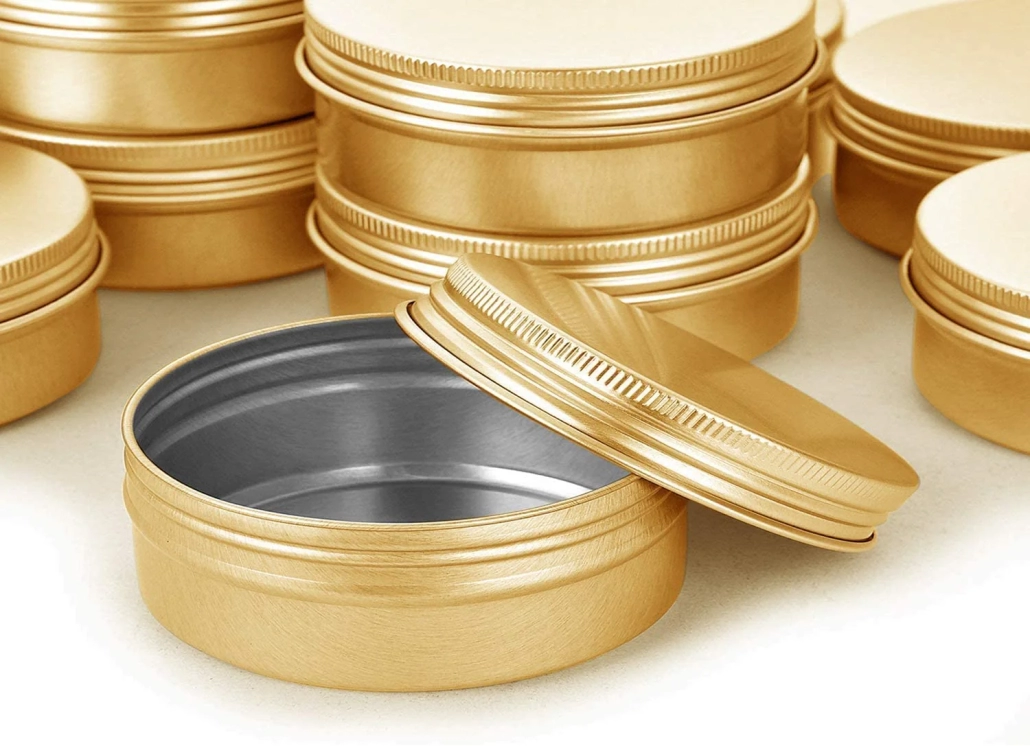
Screw caps are the gold standard for 100g loose-leaf tea tins—they provide a better seal than any other lid type and are easy to operate with one hand. We have added a food-grade silicone sealing ring to the inside of the lid to keep out air and moisture. The pull ring on the lid allows customers to easily twist and open it, preventing fingers from slipping.

Best for: Delicate teas that need to maintain optimal freshness, customers who drink tea at home, and brands that value “premium”.

Tip: For 100g tea tins, choose a low-profile screw-on lid – this maintains a compact fit without compromising the seal. Avoid overly tall lids, as they waste space and look unsightly on a 100g tea tin.

2. Magnetic Flip-Top Lid

Flip-top lids are ideal for customers who drink tea frequently; no twisting is required, just a gentle flip. The downside? Cheap flip-tops are prone to leaks, so Tsing has added a magnetic sealing ring to the edge of the lid to improve preservation.

Best for: Strong-flavored teas that are less susceptible to air exposure (such as black tea and Pu-erh tea); busy working professionals or parents; and brands with a “relaxed and friendly” style. Note that for delicate teas, avoid flip-top lids without a magnetic or silicone sealing ring.

3. Hinged Snap-on Lid

Hinged lids open smoothly with metal hinges and lock securely with small snaps – they have a premium feel, elegant appearance, and are reusable. Tsing’s 100g loose-leaf tea tin features a hinged lid with a foam gasket and a reinforced hinge, ensuring durability even with repeated use.

Best suited for: premium or gift-grade teas (Silver Needle, Aged Oolong); luxury brands; holiday gift sets. Note that hinged lids are larger than screw-on or flip-top lids, resulting in slightly higher shipping costs. However, for most luxury brands, the perceived value more than compensates for the extra cost.

Choose the right lid type based on your tea, customers, and brand

Choosing the right lid is not about picking the “best” option, but rather the one that best suits your unique needs. Based on Tsing’s client success stories, you can refer to the following three-step framework for selection:

Step 1: Prioritize based on tea characteristics

Delicate teas (white tea, green tea, matcha) can be fitted with screw-on or magnetic flip-top lids. Stronger teas (black tea, Pu-erh tea) are best suited to flip-top lids. For gift teas, hinged lids are a good choice.

Step Two: Consider Customers’ Daily Habits

For home drinkers, screw-top lids are suitable; for office workers, flip-top lids are ideal; and for gift-giving, tea tins with hinged lids are a good choice.

Step Three: Maintain Consistency with Brand Image

Minimalist brands can opt for simple screw-top lids with a matte finish and a slim design. More playful brands can add brightly colored flip-top lids with customizable printing. High-end brands can choose hinged lids and incorporate gold or silver accents into the tea tin design.

Choose the right lid type based on your tea, customers, and brand

Tsing’s Lid Design Advantages – Durability and Freshness Preservation

Not all lids are created equal. Inferior lids, such as those with thin metal, easily damaged hinges, or no sealing ring, can lead to returns and customer loss, resulting in financial losses. Tsing’s lids for 100g bulk tea tins possess three key features derived from our testing and refined manufacturing processes:

1. Food-Grade Sealing Ring

Each lid comes with a food-grade sealing ring (silicone, foam, or rubber), ensuring safe direct contact with the tea leaves. We conduct over 500 opening and closing cycle tests on the sealing ring to ensure it will not age, crack, or absorb tea flavor.

2. Reinforced Hinges and Locks

Flip-top and hinged caps are prone to damage at the hinge, so we use high-quality 0.3 mm-thick stainless steel hinges, secured with rivets rather than glue. Our push-button caps feature an internal metal mechanical structure that will not break even with repeated pressing.

3. Personalization

You do not have to sacrifice functionality for style. Tsing can print your logo on any type of cap (offset or digital printing), add various surface finishes (matte, gloss, metallic), and even customize the shape.

Tsing's Lid Design Advantages – Durability and Freshness Preservation

Cap Care Tips for Maintaining Tea Freshness

Even the best caps require basic care to keep them fresh and durable. Share the following tips with your customers to improve customer satisfaction and reduce complaints. First, if conditions allow, clean the sealing ring monthly by wiping it with a dry cloth to remove tea dust or residue. The buildup of residue can damage the seal over time. For sticky residue, wipe with a damp cloth dampened with mild soapy water. Also, do not overtighten the screw cap on your tea tin; turn it until you feel slight resistance—overtightening will damage the threads, making the lid difficult to open later. If using a hinged lid, store the tea tin upright to avoid stressing the hinge. Storing it on its side can cause the hinge to bend over time.

A suitable lid can make your 100g loose tea tin a customer favorite

For a 100g loose-leaf tea tin, the right lid is the bridge between the product and the customer. A carefully chosen lid not only makes it easy to access the tea but also keeps it fresh. When choosing a lid for your 100g loose-leaf tea tin, ask yourself three questions: Will this lid keep the tea fresh? Will my customers find it easy to use? Does it align with my brand philosophy? Our team will translate these answers into a lid that is genuinely suitable for your tea tin during the design process.

How to choose custom tin packaging for candles, tea, and coffee products

How to choose custom tin packaging for candles, tea, and coffee products?

A candle manufacturer initially used attractive cardboard boxes. However, the boxes were often crushed during shipping, and wax seeped through the thin packaging material, making the packaging look cheap. A consumer survey on the impact of packaging revealed that 73% of people judge the quality of candles, tea, and coffee based on their packaging. For these categories, packaging is more than just a container—it’s a silent salesperson and a symbol of brand image. The key to custom tin packaging for these categories lies in matching the tin can’s characteristics to the product’s unique needs. Candles need to be heat-resistant; tea needs to be protected from light; coffee needs to retain its aroma.

Custom Tin Packaging: An Indispensable Choice for Candles, Tea, and Coffee

Why Custom Tin Packaging is Superior to Plastic, Paper, or Glass Packaging: Unlike other materials, tinplate meets three key factors that directly impact sales and product quality. First is durability. Tin cans are less prone to crushing during shipping (a common problem with paper packaging) and won’t break like glass. According to our clients, this can reduce return rates due to damage by 60%. Secondly, there’s the preservation effect. Tin cans are naturally opaque, blocking UV rays and preventing candle scent from fading and tea/coffee flavor from degrading. Their excellent sealing also prevents moisture and air from entering. Thirdly, there’s brand diversity. Custom tin cans can be shaped, printed, and surface-finished to match your brand, whether you’re a bohemian candlemaker or a high-end tea brand. Unlike plastic, which often gives a disposable impression, tin cans are reusable, and 89% of consumers keep custom tin cans for storage, making it free brand advertising.

An Indispensable Choice for Candles, Tea, and Coffee

Custom Candle Tins: Balancing Heat Resistance and Aesthetics

Candle packaging faces unique challenges: they generate heat, wax melts, and scent is key to sales. The best custom tin can packaging for candles needs to strike a balance between functionality and aesthetics.

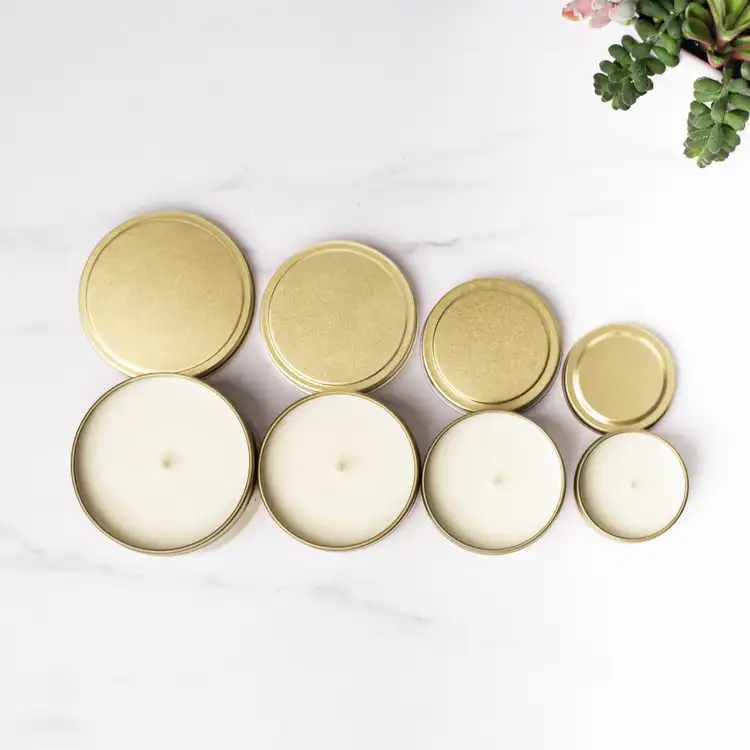
First, we choose heat-resistant materials, using food-grade tinplate with thicknesses of 0.23-0.28 mm. Additionally, Tsing’s candle tins come with a heat-dissipating base to prevent the jar from becoming untouchable due to overheating, which is crucial for safety and customer satisfaction. Secondly, prioritize protecting the wax and fragrance. Choose a seamless construction to prevent wax leakage. For the lid, opt for a snug-fitting sleeve design to prevent melted wax from leaking during transport and to lock in the fragrance when the candle is not burning.

In terms of design, we consider both visibility and brand image. If you sell decorative candles, use clear window jars—but add a UV-protective coating to prevent fragrance fading. For solid-color candles, choose full-coverage printing and a matte or glossy finish. Embossed or debossed logos can add texture and make the jar look more upscale without increasing cost. In terms of size, 4-ounce to 8-ounce jars are suitable for travel or sample sizes, while 12-ounce to 16-ounce tins are ideal for standard-sized candles.

Custom Candle Tins

Custom Tin Can Packaging for Tea: Preserving Freshness and Locking in Fragrance

Tea is delicate and easily damaged; light, air, and moisture can all destroy its flavor and aroma. Custom tea tin packaging must act as a “freshness shield” while showcasing the product’s quality. The tin can’s opacity is essential; ultraviolet light can damage the essential oils in tea, turning vibrant matcha into a dull, bitter powder. Tsing’s tea tins are 100% opaque, completely blocking light and keeping the tea flavor fresh for over 6 months.

For airtightness, we chose screw caps with silicone gaskets to effectively prevent air and moisture from entering. For loose tea, we recommend an inner lid for extra protection. The size and shape of the can should also match the type of tea. For loose tea, we use wide-mouthed cans for easy scooping. For tea bags, slim rectangular tins save space and fit neatly in kitchen drawers. Design tip: We use color to differentiate flavors. For example, green tea can be used in soft green or white.

Custom Tin Can Packaging for Tea

Custom Coffee Tin Packaging: Freshness and Portability

Coffee’s biggest enemies are oxygen, moisture, and high temperatures—but it also needs to release carbon dioxide (gas) after roasting. Custom coffee tin packaging must balance these conflicting needs to maintain the freshness and aroma of coffee beans or ground coffee.

The primary function is venting. Freshly roasted coffee releases carbon dioxide within 2-14 days after roasting. Without a venting valve, pressure can build up and cause the canister to burst, or oxygen can be forced back in, spoiling the coffee. Tsing’s coffee tins feature a one-way venting valve that allows carbon dioxide to escape while preventing oxygen from entering. Additionally, we opt for a double seal to maximize freshness. This industrial-grade seal creates an airtight barrier, offering superior preservation compared to standard tin lids. For ground coffee, we use a double seal with a pull-tab opening—convenient for customers and resealable to lock in the coffee’s aroma.

Portability is also a key design consideration for coffee lovers. The 12-ounce round coffee tin is perfect for kitchen countertops, and Tsing’s “stackable coffee tins” with interlocking lids are ideal for roasters selling multiple blends and looking to save shelf space.

Custom Coffee Tin Packaging

Key Design and Material Selection for Three Product Categories

While candles, tea, and coffee each have unique packaging needs, there are universal custom tin packaging solutions suitable for all three.

First, material grade. All food and cosmetic products should use FDA-compliant tinplate. Tsing’s tinplate is BPA-free and recyclable, which is crucial for environmentally conscious consumers. Second, the lid type. For most products, screw caps (for tea and coffee) or slide caps (for candles) are the best choice. Avoid snap-on lids—they offer poor sealing and are prone to falling off during shipping.

Third, printing and post-press finishing. Offset printing is best suited for large orders and complex designs; digital printing is suitable for small orders and fast delivery. Surface treatments such as matte lamination or spot UV coating can enhance the product’s quality without increasing costs. Tsing also offers “custom shapes” for brands looking to stand out; however, these shapes have a minimum order quantity (3000 pieces).

Choose the proper custom packaging!

For candles, tea, and coffee, custom tin can packaging offers better protection and customer satisfaction. A suitable tin can keeps candles safe, tea fresh, and coffee aromatic; it makes your product stand out on the shelf; and it’s reusable, turning one-time buyers into repeat customers.

Whether you’re launching a new product line or upgrading existing packaging, the key is to focus on what matters most: for candles, it’s heat retention and fragrance; for tea, it’s light and moisture retention; for coffee, it’s aroma and aroma release. Tsing’s design team translates these needs into custom tins.

cigarette tins 3-3

How to ensure cigarette tins are corrosion resistant: Coatings, Liners, and Handling Tips

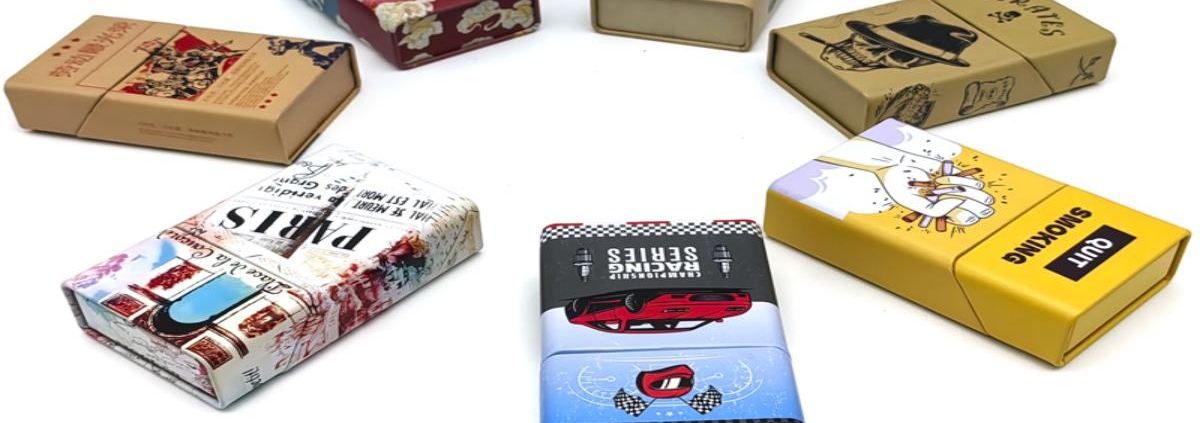
A high-end tobacco manufacturer received 5,000 custom cigarette tins ordered before last year’s holiday season, only to find rust at the seams when they arrived at retail stores. These tins, stored in a damp warehouse for three weeks, were severely corroded, even contaminating the cigarette packaging inside. For tobacco products, freshness and appearance are just as important as the product itself. Rusty cigarette cans not only affect aesthetics but also quality and can damage the tobacco inside. As a professional tin can manufacturer, we use advanced coatings, food-grade linings, and precise pretreatment techniques in our cigarette can production. We will also introduce methods to prevent rust, protect against moisture, and enhance the durability of cigarette cans, and provide practical maintenance tips to help you keep your cigarette boxes in perfect condition.

Why Does Rust in Cigarette Tins Affect Tobacco Quality?

Rust in cigarette tins is not just a cosmetic issue; it threatens the quality of the tobacco inside and the brand’s reputation. When cigarette boxes are typically stored in warehouses, transported to different climate zones, or placed in humid environments, even small amounts of moisture can react with the cigarette box’s metal substrate, causing oxidation. An unprotected tinplate reacts with oxygen and moisture. A single scratch on a poor-quality coating can expose the metal, leading to rapid rust spread. Furthermore, tobacco is sensitive; moisture from corrosion can seep into the cigarette case, spoiling the tobacco’s freshness. A rusty cigarette tin also conveys a sense of neglect. For a premium cigarette brand priced over $50, rusty packaging is unacceptable.

cigarette tins 3-5

Anti-corrosion Coating – The First Line of Defense Against Corrosion

The outer layer of the cigarette tin is its first line of defense against moisture and oxygen. Tsing uses two layers of corrosion-resistant coatings specifically designed to meet the unique needs of cigarette tins:

Base Coating: Food-grade tinplate, passivated: All Tsing cigarette tins are made from high-quality food-grade tinplate (pure tin-coated steel). Then we passivate it – forming a thin, invisible layer of chromate or zirconium on the tin surface to prevent it from reacting with oxygen. This single step reduces corrosion risk by 60%, well below that of unpassivated tinplate.

Topcoat: We use a premium low-VOC powder coating for surface treatment, available in matte, gloss, and metallic colors. Unlike cheap paints, our powder coating is 80 microns thick, three times the industry standard, allowing it to adhere firmly to tinplate and effectively resist scratches, impacts, and moisture. Furthermore, it is UV-resistant, so the cigarette packs will not fade or age even when stored in bright retail display cases. The seams of cigarette packs are the most susceptible to moisture. Tsing applies a clear, flexible sealant to all seams.

Food-grade liner for cigarette tins, protecting tobacco from internal corrosion

While the outer coating protects against external moisture, the inside of the cigarette pack requires a food-grade liner to prevent direct contact between the metal and tobacco and to block internal humidity. Tsing offers two liners, customizable to your needs:

BPA-free epoxy liner: Our standard liner uses food-grade epoxy resin to form a smooth, non-reactive barrier between the cigarette pack metal and the tobacco. It is colorless and odorless, and prevents any metal particles from seeping into the product. This liner is suitable for most cigarette cases, including bulk and branded packaging.

Polypropylene (PP) Liner: We offer PP liners for premium cigarette cases or cigarettes requiring long-term storage—thicker, more durable, and 100% moisture-proof. It is heat-sealable, so you can lock in the freshness of your cigarettes while adding an extra layer of corrosion protection. Both cigarette case liners meet US FDA and EU food safety standards, so you can be confident they will not affect the flavor or safety of the tobacco.

Food-grade liner for cigarette tins, protecting tobacco from internal corrosion

Pretreatment Technology—Metal Pretreatment for Maximum Durability

Corrosion protection begins before the first coating is applied. Tsing uses a three-step pretreatment process to ensure perfect adhesion between the coating and liner, eliminating weak points:

Degreasing: We clean the tinplate with a food-grade alkaline solution to remove residual oil, dust, or debris from the manufacturing process. Even tiny contaminants can hinder coating adhesion, creating gaps that allow moisture to seep in.

Pickling: The tin-plated iron sheet is immersed in a dilute acid solution to remove surface rust or oxides that may have formed during storage. This step ensures the metal is clean and smooth, preparing it for subsequent coating.

Rinsing and Drying: We rinse the tin-plated steel sheets with deionized water and dry them in a controlled environment. Moisture during pretreatment can cause premature corrosion, so we tolerate no mistakes.

While Tsing’s pretreatment process adds 24 hours to production time, it doubles the corrosion resistance of cigarette canisters (from 2 years to over 5 years).

Treatment and Storage Tips for Extending Corrosion Resistance

Even the highest quality cigarette canisters require proper care to prevent rust. Here are our expert tips for the care and storage of cigarette tins:

Avoid Humid Environments: Store cigarette tins in a dry place. Use desiccant packets in warehouses or shipping containers to absorb excess moisture, especially in coastal or tropical areas.

Prevent Scratch: The coating is scratch-resistant, but not completely scratch-proof. Avoid stacking heavy objects on cigarette tins and use partitions inside shipping containers to reduce friction. Scratching the metal will expose it, so handle the cigarette case with clean, dry hands.

Control Temperature: Drastic temperature changes can cause condensation. Before opening the cigarette case, allow it to reach room temperature to prevent moisture buildup.

Gentle Cleaning: If the case gets dirty, wipe it with a dry, soft cloth. Avoid using water, cleaning sprays, or abrasive materials, as these can damage the coating or lining.

Visible, Reliable Protection

Corrosion of cigarette cases is not inevitable. Tsing’s triple protection system—an advanced coating, a food-grade lining, and precise pretreatment—effectively blocks moisture, oxygen, and time. Our rigorous quality control ensures that every cigarette case meets the highest standards, and our care guidelines help you maintain its protective properties long after you receive the product.

Candle Tins Wholesale 10-10(1)

Candle Tins Wholesale: Comparing Stamped vs. Rolled Tin Construction

A survey of American candle brands revealed that many listed tin can quality as the most frequent customer complaint, primarily stemming from two main tin can manufacturing processes: stamping and rolling. For candle tin can wholesalers, the choice between these two processes is not merely a technical detail; it directly impacts product durability, brand consistency, and customer satisfaction. This guide explains the key differences between stamped and rolled candle tin cans, why stamping is superior to rolling in wholesale applications, and how Tsing’s precision stamping process produces reliable, high-quality candle tins wholesale.

Candle Tins Wholesale: Stamping vs. Rolling – What’s the Definition?

Before delving into the comparison, let’s clarify the meaning of “stamping” and “rolling” in candle tin wholesale. Both use food-grade tinplate, but their forming methods are drastically different, affecting every aspect of candle tin performance:

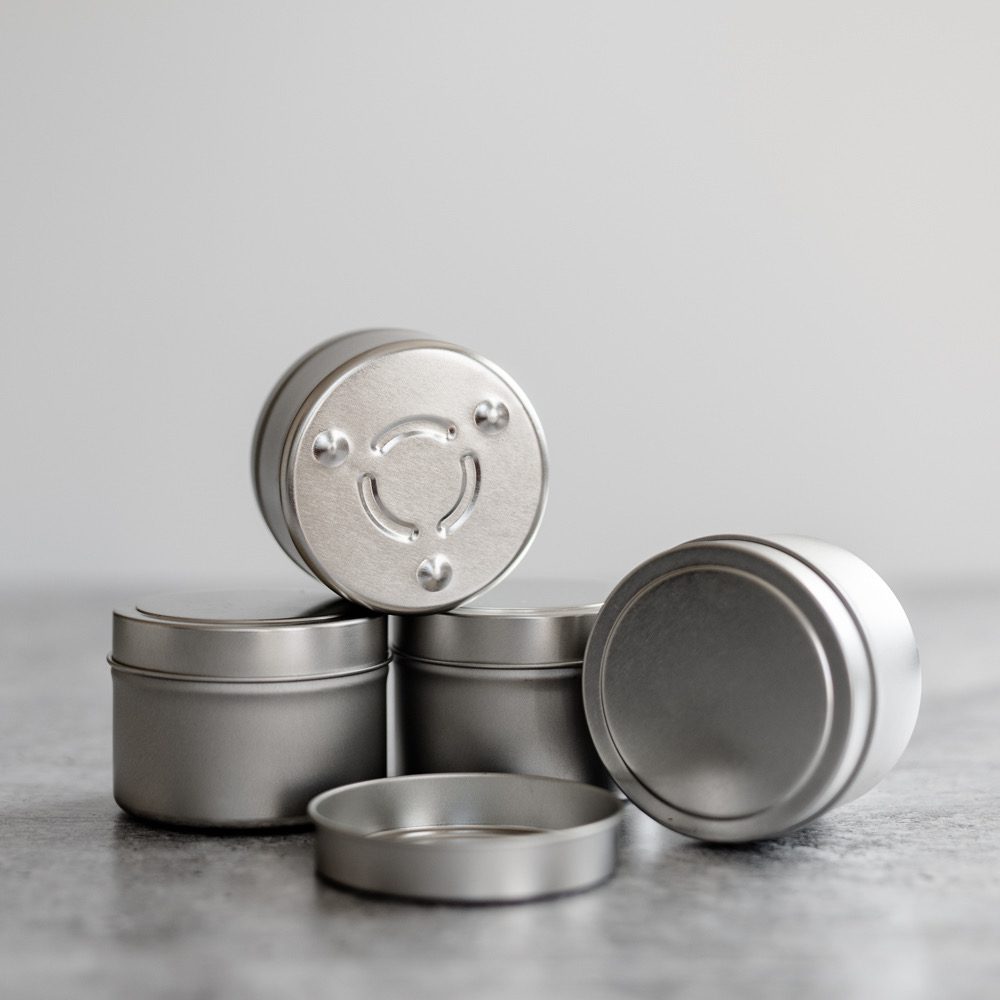
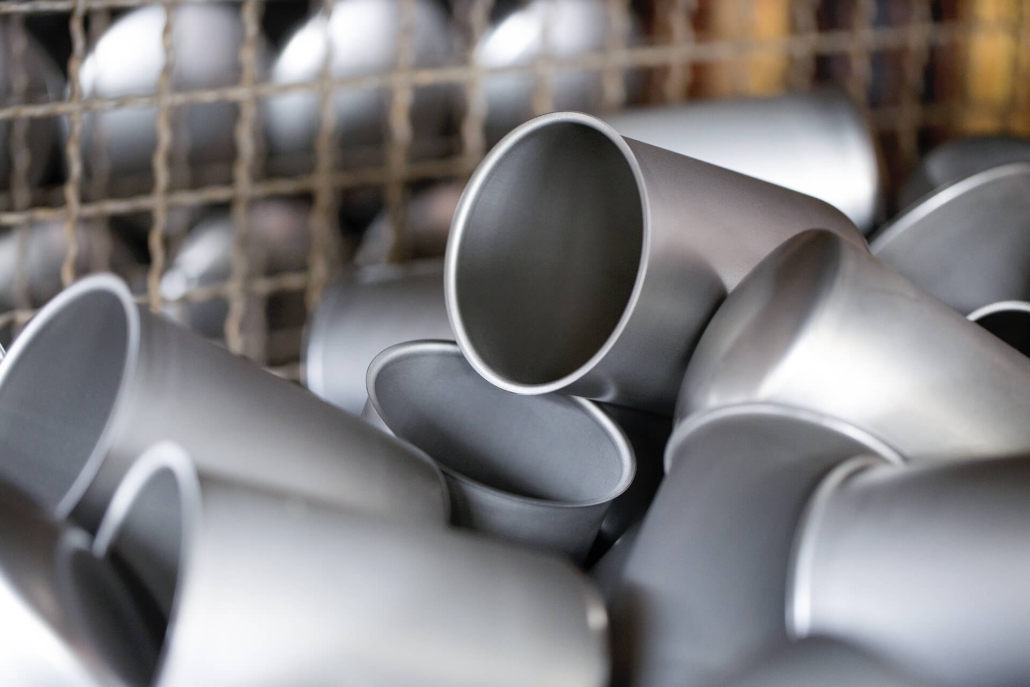
Stamped Candle Tins: The stamping process uses a hydraulic press and custom CNC machining dies to cut and form a single sheet of tinplate in one or two steps. Taking a standard 8-ounce candle jar as an example, the first die stamps the tinplate into a seamless cylinder with a closed bottom, and then a second die forms the rim. The entire process involves no welding, no seams, and no manual shaping—it’s all precisely machine-formed.

Rolled Candle Tins: Rolling begins with a flat sheet of tinplate, which is rolled into a cylinder by hand or semi-automatic machine. Overlapping edges are welded together to form a seam, and then a separate base is attached. This method relies more on manual labor and has more potential points of failure.

Tsing’s production facility best illustrates this: our stamping line can produce 500 candle tins of consistent quality per hour. In contrast, the rolling line can produce only 200 per hour, with a higher defect rate.

Stamped tins offer better durability for candle tins wholesale.

Durability is paramount for candle tins. They need to withstand wax temperatures of 180-200°F (approximately 82-93°C) while also enduring the bumps and jolts of shipping. Here’s a comparison of the durability of stamped and rolled-edge tin cans:

The seamless, one-piece construction of stamped tin cans eliminates the most significant weaknesses of rolled tin cans: welded seams and glued bottoms. Tsing makes its stamped tin cans from 0.23 mm-thick tinplate, which makes them less prone to dents during transport. Our 2023 data shows a breakage rate of only 1.2% for stamped tin cans, compared to 15% for rolled tin cans. The seamless bottom also prevents wax leakage; we test each stamped tin can with 2 ounces of hot wax, and the failure rate is only 0.01%. Rolled-edge tin cans, on the other hand, are prone to cracking at welded seams when heated or subjected to impact. Glued bases often detach after one or two uses, causing wax to drip onto furniture. For candle tin wholesalers, durability directly translates to fewer returns and higher customer satisfaction.

Candle Tins Wholesale 11-2

Stamping gives your brand a more upscale image.

Wholesale candle tin buyers highly value product consistency. If your candle tins vary in height, diameter, or edge shape, your labels will be crooked, your shelves will look cluttered, and retailers will question your professionalism. Therefore, stamped candle tins take center stage. During the stamping process, Tsing controls its CNC dies to ±0.1 mm, ensuring each 8-ounce stamped tin can measures exactly 70 mm in height and 65 mm in width, with smooth, flat edges. This consistency ensures perfect label alignment and neatly stacked cans on shelves. We conduct 100% dimensional checks on all tins before shipment, achieving a 99.9% pass rate. Rolling and welding inevitably lead to dimensional variations. A batch of “8-ounce” rolled tins may be between 68-72 mm high, and the rim may be wavy or uneven. Whether a retailer orders 100 or 10,000, Tsing’s embossed tins present a consistent, high-end image.

Stamping gives your brand a more upscale image(5)

Enhance Your Brand Image with Customization Services

Candle tins wholesale are more than just containers; they’re a branding tool. Whether you need embossed logos, vibrant designs, or unique shapes, stamping makes it easier and more durable. The smooth, seamless surface of stamped tin cans supports printing, embossing, and gravure better than rolled tin cans. Tsing’s stamping dies can directly emboss logos on the side of the can, eliminating extra steps and the worry that the design will fade. We use food-grade inks that adhere firmly to the can surface, are scratch- and fade-resistant, and are safe for food contact. We can even offer custom-shaped stamped tin cans, something rolled tin cans can’t match.

Rolled tin cans often have raised seams at welded joints, which affect printing quality and cause uneven embossing. Most rolled tin can suppliers only offer basic printing services, and designs often detach at the seams. Custom-shaped tin cans are rarer and more expensive because they require specialized rolling equipment. For candle tin can wholesalers, customization is key to standing out from the competition.

Enhance Your Brand Image with Customization Services 1

Ensuring Every Tin Can Meets the Highest Standards

Tsing’s stamped candle tins not only outperform rolled tins, but our production process also ensures that every tin meets the highest standards. We source food-grade tin-plated steel sheets from ISO-certified factories and apply a thick tin coating to prevent rust and ensure compatibility with candles. Precision stamping is employed; our hydraulic presses use CNC molds with an accuracy of ±0.05mm to ensure batch-to-batch consistency and prevent deviations caused by wear. Furthermore, each batch of tins undergoes five checks: dimensional measurement, seam inspection, leak testing, surface smoothness, and printing/embossing quality. Our stamping process reduces waste by 40% compared to rolling, and all our tins are 100% recyclable, meeting the sustainability requirements of modern retailers.

For candle tin wholesalers, stamping is the optimal choice.

For wholesalers, the key factors in choosing between stamped and rolled candle tins are: durability, consistency, flexibility in brand promotion, and cost-effectiveness. Rolled candle tins may seem cheaper at first glance, but they are prone to leaks, returns, and ultimately, losses. Stamped candle tins, especially Tsing’s precision-stamped products, offer reliable quality, earning the trust of retail partners and making your candles the preferred choice for customers.

How to Fix Sliding Lid Sticking Issues on Custom Black Tins?

How to Fix Sliding Lid Sticking Issues on Custom Black Tins?

Many users encounter the problem of sliding lids getting stuck when using black tin cans, preventing customers from accessing the product. Some candle companies even complain that “a stuck lid makes the tin can look cheap,” resulting in lost value and potentially a significant loss of a large retail contract. As product managers at Tsing, we know how to eliminate the problem of stuck sliding lids when customizing black tin cans. Our goal is simple: to ensure customers enjoy a smooth and pleasant experience every time the lid opens and closes. Therefore, we will explain how to solve adhesion issues from design to production, ensuring your custom black tins are both aesthetically pleasing and functional.

Why do sliding lids on custom black tins get stuck?

To solve the problem of stuck sliding lids on custom black tins, we must first understand the underlying cause. Most issues stem from four avoidable manufacturing or design flaws, which Tsing eliminates through precision engineering.

Size Mismatch: Even a 0.1 mm narrower lid can increase friction and cause the lid to stick. Some low-cost manufacturers cut corners on mold precision to reduce costs, resulting in inconsistent dimensions.

Poor surface finish: Black tins are often powder-coated or painted, resulting in uneven coating thickness and rough spots at the points where the lid and can rub against each other. Over time, these rough spots wear down into friction points.

Debris or residue: Metal shavings, powder-coating dust, or oil from the manufacturing process can stick between the lid and body, acting like sandpaper on the sliding rail.

Corrosion caused by humidity: Unfinished or poorly sealed black metal tins can develop micro-rust in humid environments, which adheres to the edges of the lid.

Black tin can with sliding lid 1-5

Precision mold engineering for custom black tins, the foundation for a smooth sliding lid

The first step in solving the adhesion problem is ensuring a perfect fit between the lid and can—and this begins with precise mold design. Tsing uses state-of-the-art CNC molds to create precisely dimensional custom black tins, ensuring a tight fit and eliminating friction:

We employ strict tolerance control during production, designing molds that allow the lid and can to have tolerances within ±0.02 mm. This means that the gap between the lid and the can body is only 0.05-0.1 mm, avoiding both friction and wobbling.

However, we inspect the molds after producing every 10,000 custom black tins to prevent dimensional deviations due to wear and tear. Worn molds can increase the lid width by as little as 0.15 mm, enough to cause it to stick. Furthermore, Tsing’s sliding lids do not use sharp edges; instead, they feature beveled edges, allowing the lid to slide smoothly into the can. Sharp edges can easily stick on the top edge of the can, while beveled edges let the lid slide smoothly.

Black tin can with sliding lid 1-6

Surface Treatment Reduces Friction for Easier Sliding

Even perfectly sized lids can stick if the surface is rough. Tsing utilizes a specialized surface treatment process on its custom black tins to minimize friction and prevent debris buildup. Before coating, we polish the can body and lid to a smooth surface (Ra < 0.8 μm). This removes tiny imperfections that can easily snag the lid. Additionally, a low-friction powder coating is employed, utilizing a high-quality, low-gloss black powder coating with added PTFE particles. Compared to standard powder coatings, this coating reduces friction by 35%, making the lid slide much more easily. We also apply a thin layer of clear sealant to the lid edge to prevent corrosion and adhesion of debris. This sealant is transparent so that it won’t affect the clean look of the custom black tin.

Strict Quality Control, Pre-shipment Testing and Verification

We test every custom black tin before it leaves the factory to ensure a perfect lid slide. We provide that each can undergo 10 repeated manual sliding tests. If the force required for the lid to slide exceeds 2 pounds, the team rejects it. Furthermore, we use compressed air to blow away any dust or debris from the gap between the lid and the body, and then inspect it with a magnifying glass to ensure that no residue remains. For customers in humid areas, we test the tin cans in a 90% humidity environment for 48 hours to verify the integrity of adhesion against potential corrosion-related issues. For every 500 cans, we measure the lid and body dimensions to ensure they are within the target specifications. After rigorous testing, Tsing boasts a 99.9% pass rate, with less than 1 in 1000 custom black tins experiencing lid sticking issues.

Strict Quality Control, Pre-shipment Testing and Verification

Quickly Resolve Sticky Can Lids on-Site

Even with Tsing’s superior craftsmanship, rare problems can occur due to shipping damage or improper storage. Here are some simple and safe solutions to resolve the issue of custom black tin can lids sticking. You can gently clean the gap between the lid and the body using a soft-bristled brush (such as a toothbrush). For finer dust, you can use compressed air (in a can).

If the lid remains sticky, you can use a cotton swab dipped in a small amount of food-grade mineral oil to gently wipe the inside edge of the lid. Avoid using cooking oils—they are prone to spoilage. If the lid tends to stick in humid weather, store the cans in a cool, dry place with a desiccant packet to prevent moisture from accumulating. This will prevent the formation of micro-rust. Also, gently straighten the lid. If you find it slightly deformed, place it on a flat surface and press gently on the center to straighten it.

Smooth-sliding lids enhance your brand image

No more getting stuck sliding lids on your custom black tins. Tsing solves this problem through precision mold engineering, low-friction surface treatments, rigorous quality control, and customer-centric support—all to ensure you and your customers enjoy a smooth, satisfying experience with premium tin cans. Whether you’re packaging food, candles, skincare products, or gifts, Tsing’s custom black tin cans offer style, durability, and a perfectly functional sliding lid every time.

Airtight Coffee Tins 3-3

How to Design Airtight Coffee Tins That Work for Ground and Whole Bean Products?

Many coffee shops receive customer complaints about “spoiled coffee” and “bland taste,” often due to poorly airtight coffee tins. This also suggests that roasters struggle to find a suitable tin can design for both ground coffee and coffee beans. To better address this issue, Tsing has designed airtight coffee tins that can hold both ground coffee and beans. This design meets the requirement for maintaining a tight seal on the ground coffee while controlling gas release from the beans, without compromising freshness, ease of use, or brand image.

Why Airtight Coffee Tins Must Be Suitable for Two Varied Coffee Products

To design an effective airtight coffee tin suitable for both ground coffee and beans, it’s essential to understand the effects of air and gases on each product. Their effects are almost opposed, and your coffee container must be able to accommodate both:

Ground Coffee: Once ground, coffee grounds increase their surface area exposed to oxygen by up to 60 times. In a poorly sealed container, oxidation can ruin the coffee’s flavor within 3-7 days, turning a bright, fruity coffee into a dull one. Ground coffee should be stored in an airtight container to prevent air from entering and thus preventing flavor loss.

Coffee beans: Freshly roasted whole coffee beans release carbon dioxide within 3-7 days after roasting. If these gases seal inside a container, they continue to increase the internal pressure, causing the container to expand, the lid to deform, and even the seal to rupture. Therefore, you should store coffee beans in a well-sealed container that lets carbon dioxide escape while blocking oxygen from entering

So how do you design a tin can that can completely seal ground coffee powder while also “selectively sealing” coffee beans? What solution can Tsing offer? A hybrid design using a one-way venting valve and a high-quality sealing ring—achieving both.

Coffee beans and ground coffee on a wooden table like a spiral. Vintage style concept

The lid design of airtight coffee tins is a key factor in determining their dual-purpose nature

The lid is the core component of any airtight coffee tin, and for a coffee can serving two purposes, it must possess two indispensable characteristics: a robust sealing ring and a one-way venting valve. Here’s our design approach:

Sealing Ring: We select food-grade compression sealing materials to avoid inferior foam. Use food-grade silicone or EVA foam sealing rings, which form a tight seal when the lid is closed. Tsing’s sealing rings are 3mm thick with beveled edges, ensuring even pressure against the rim and providing 100% oxygen blocking when closed. For ground coffee, this seal prevents air from entering for 3-4 weeks; for coffee beans, it locks in flavor, while the valve handles the gases.

One-Way Exhaust Valve: For coffee beans, a valve that allows carbon dioxide to escape while preventing air from entering is crucial, but it’s harmless for ground coffee. The valve is placed on top of the lid to prevent coffee grounds from clogging it. Tsing uses a dual-filter valve to prevent fine coffee grounds from seeping in, ensuring it works for both coffee beans and ground coffee.

Furthermore, we design it to be easy to close and less prone to accidental opening. Tsing’s rotating lid features a textured edge and produces a “click” sound when fully sealed, ensuring the user knows the tin is securely closed.

The lid design of airtight coffee tins is a key factor in determining their dual-purpose nature

A Can Design Balancing Freshness, Protection, and Ease of Use

Our designs ensure not only freshness but also ease of use for both ground and bean coffee. Therefore, we use opaque, light-blocking materials. Tinplate is the material we use for our custom coffee tins. It’s 100% opaque, blocking both UV and visible light. We also consider different batch sizes; bean buyers typically purchase in larger quantities, while ground coffee buyers prefer smaller packages to prevent spoilage. Tsing’s 4oz, 8oz, 12oz, and 16oz coffee tins all use the same airtight lid, ensuring brand consistency.

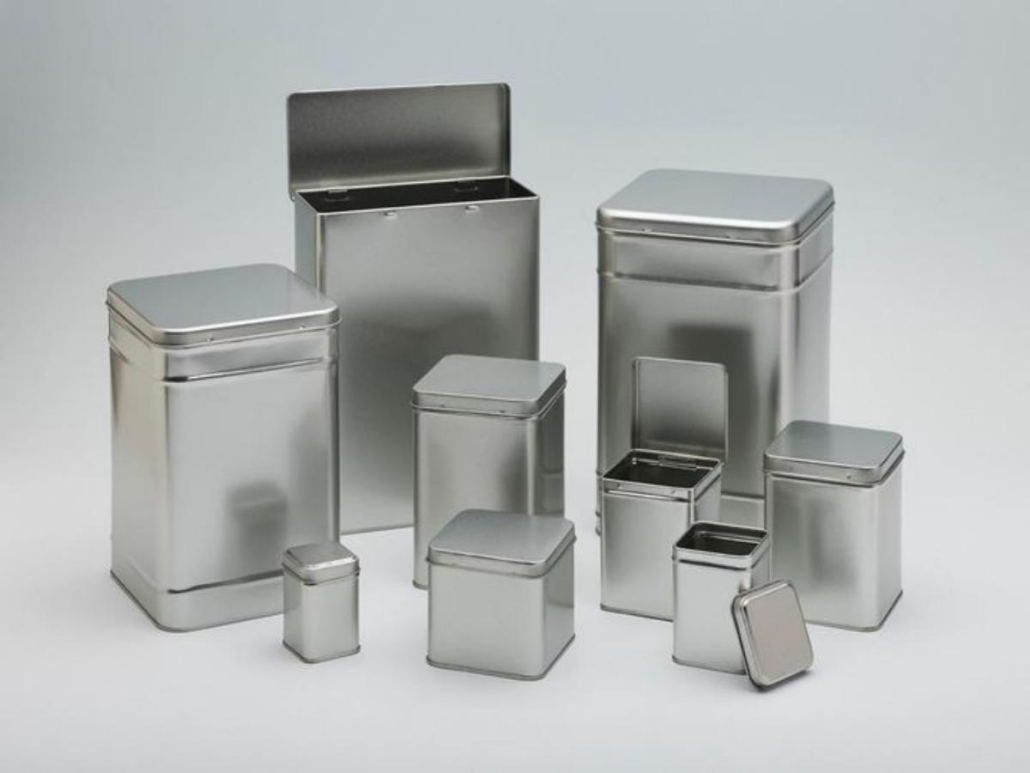
In terms of shape, round tins are easier to open and scoop, making them ideal for storing ground coffee. Meanwhile, square tins save space and are perfect for bulk coffee beans. Tsing offers both shapes, and the smooth inner walls keep coffee powder from sticking in the corners, thus avoiding waste and preventing spoilage. Additionally, the sturdy tinplate body effectively prevents dents, ensuring a tight seal.

A Can Design Balancing Freshness, Protection, and Ease of Use

Material Selection for Enhanced Sealing and Flavor

The materials used to seal coffee tins directly impact the freshness of the coffee. For dual-purpose designs, we prioritize materials that block air, light, and odors and do not react with the coffee. Tinplate is the ideal material for coffee cans. It is 100% recyclable, durable, and impermeable to water and air. Unlike plastic, it does not absorb coffee odors or leach chemicals. Tsing uses food-grade tinplated steel sheet, passivated to prevent rust and ensure safe direct contact with coffee.

Additionally, we incorporate a food-grade liner. For extra protection, we use a BPA-free, food-grade epoxy resin liner. Tsing’s liner thickness is moderate, ensuring the can’s seal is maintained while effectively preventing direct metal-to-coffee contact, crucial for preserving the delicate flavor of coffee grounds and beans. During the printing process, Tsing leaves the can edges exposed and polishes them to a smooth surface, maximizing the contact area of the sealing ring.

Tips for Brand Customization Without Sacrificing Sealing Security

Brand identity is crucial for coffee tins—but you can’t sacrifice sealing security for a logo. We print on the can body, not the lid, using food-grade ink to ensure it won’t peel or flake off even with frequent use. Alternatively, we emboss (raise) your logo or design on the can, adding a touch of sophistication without compromising the seal. Tsing achieves embossing depths up to 1 mm, creating a tactile brand experience without affecting the seal. We also recommend choosing fresh color options, such as darker colors (black, navy, forest green), which absorb less light than lighter colors, providing extra protection. Tsing’s custom color options allow you to build your brand identity while keeping your coffee fresh.

Delivering Designs Focused on Freshness, Versatility, and Brand Image

Designing airtight coffee tins for ground coffee and coffee beans is crucial to three core principles: a lid with a high-quality sealing ring and one-way valve, an opaque and durable tin can body, and customization that does not compromise sealing security. When designing our coffee containers, we strike a balance between scientific principles (preserving freshness) and practicality (ease of use and brand promotion). Whether you’re a small-batch roaster or a large chain coffee shop, a dual-purpose airtight coffee tin can help reduce your purchasing costs and ensure every customer enjoys the best-tasting coffee every time.

bulk candle tins 5-9

How to match Pantone color charts on bulk candle tins for different printing methods?

A candle brand once received a batch of 10,000 bulk candle tins only to find the colors were wrong: their signature “Lavender Mist” Pantone color was pink instead of the soft purple they had confirmed. This error cost them thousands of dollars in reprint fees, delayed product launch by three weeks, and left them with thousands of unusable tins. This is not an isolated case. Our quality investigation revealed that 73% of color problems in large-volume bulk candle tin orders stemmed from poor Pantone color matching, errors that could have been avoided. For anyone ordering bulk candle tins, matching Pantone colors to printing methods is not just about appearance; it’s about brand, budget, and time assurance.

Why is Pantone color matching so crucial in large bulk candle tins orders?

Color consistency is key for bulk candle tins, whether it’s a retail launch order of 6,000 or a subscription box order of 50,000. Pantone color charts can eliminate guesswork, but only if they are matched to your printing methods. Here are the reasons why cutting corners can lead to disastrous consequences:

Brand dilution: Mismatched Pantone color swatches confuse customers. One skincare candle brand found that after changing the color of its bulk candle tins, 28% of returning customers couldn’t recognize their product.

Resource waste: Even a 5% error rate out of 10,000 tins means 500 unusable units, resulting in wasted metal, ink, and shipping costs.

Delayed launch: Reprinting bulk candle tins takes 7-10 days, disrupting marketing plans and holiday deadlines.

At Tsing, we prioritize Pantone color matching. The color of the candle tin, like the fragrance inside, is an important part of the brand image.

bulk candle tins orders

Main Printing Methods for Bulk Candle Tins

Before doing Pantone color matching, you need to understand the four most common printing methods for bulk candle tins and the relationship between each method and color:

Offset printing: The preferred method for large orders (10,000+ tins). It uses ink rollers to transfer color onto the tin can, achieving clear, consistent Pantone color matching, but requires a metallic printing plate.

Digital Printing: Suitable for small to medium batch orders (5000 tins). Printing can be done directly from digital files, with faster setup, but achieving accurate Pantone color matching is challenging.

Screen Printing: Ideal for vibrant solid colors and textures. It uses a mesh stencil to transfer ink onto a tin plate; ideal for solid colors on the Pantone color chart, but less accurate for gradients.

Foil Stamping: Adds metallic or matte foil to bulk candle tins. Uses heat and pressure; requires a Pantone metallic or solid color coating color chart to match the foil color.

Each printing process presents its unique color challenges. Offset inks slightly penetrate the tin coating, while digital printing inks remain on the surface. Screen printing inks are thicker, and foil stamping has its own unique sheen. To match colors on the Pantone color chart, these characteristics must be embraced, not resisted.

Main Printing Methods for Bulk Candle Tins

Pantone color matching for offset printing is best suited for mass production.

If done correctly, offset printing is the most reliable method for Pantone color matching on candle tins in mass production. Please follow these steps to avoid errors:

Choose the appropriate Pantone color swatch: Select a Pantone solid color coated paper swatch. The surface of the tin can is smooth and slightly glossy, so the coated paper swatch will most accurately simulate the effect of the ink on the tin can. Never use uncoated paper swatches, as they will make the colors appear duller than they do in the final product.

Please provide a physical color swatch: Please include a physical Pantone color swatch with your order. Electronic files can cause color deviations on screens, leading to noticeable color differences. We will use the color swatch you provide to mix the ink according to the accurate Pantone color code.

Tin substrate testing: The ink shows different colors on paper and tin. Please request a pre-production sample: We will print the Pantone color code you provide on an actual candle tin, allowing you to confirm the color code before mass production.

Consider drying time: Offset inks will darken as they dry on the tin plate. Our samples include “drying time” instructions. The colors we print will be slightly lighter to match your color swatch after full curing.

Offset Printed Bulk Candle Tins

Pantone Color Matching in Digital Printing and Screen Printing

Achieving accurate Pantone color matching on bulk candle tin requires different skills in digital printing and screen printing. Here’s how to master both methods:

Digital Printing: Digital printing presses use CMYK inks to reproduce Pantone colors, which can result in slight color variations. The solution is to use Pantone Connect software to convert your Pantone color codes to CMYK values ​​optimized for tin.

Request a digital proof printed on tin to check color accuracy. Avoid using Pantone neon or metallic colors, as digital printing cannot reproduce these colors as vividly as offset or hot stamping.

Screen Printing: Screen printing uses thicker inks, resulting in higher color saturation. To obtain the perfect Pantone color matching scheme, specify “Pantone Solid Coated” and indicate the mesh count.

Request a “wipe test” sample: We print Pantone colors and gently wipe them to ensure they adhere to the tin without smudging—crucial for bulk orders.

Pantone Color Matching for Embossing and Special Surface Treatments

Embossing is a common process for high-end bulk candle tins, but matching Pantone colors requires attention to the foil type:

Choose the appropriate Pantone color swatch: For metallic foil, use the Pantone Metallic swatch. For matte foil, use the Pantone Solid Coating swatch.

Foil Sample Testing: Foil colors vary slightly between brands. We will send 2-3 foil samples that match your provided Pantone color codes so you can choose the one that best suits your needs.

Aligning Hot Stamping Patterns: If your candle tin uses both printing and hot stamping, ensure the Pantone colors are compatible. For example, one candle brand uses Pantone 186C offset printing with Pantone 877C hot stamping; we tested both processes to avoid color clashes.

Creating the Perfect Pantone Color Match

Matching colors from a Pantone color chart to bulk candle tins isn’t difficult, but it requires attention to detail and the right tools. Using the correct Pantone color chart, testing on actual tin, and following a rigorous approval process can help you avoid costly mistakes and ensure your candle jars reflect your brand philosophy. Whether you use offset printing, digital printing, screen printing, or hot stamping, we ensure accurate Pantone color matching every time.