
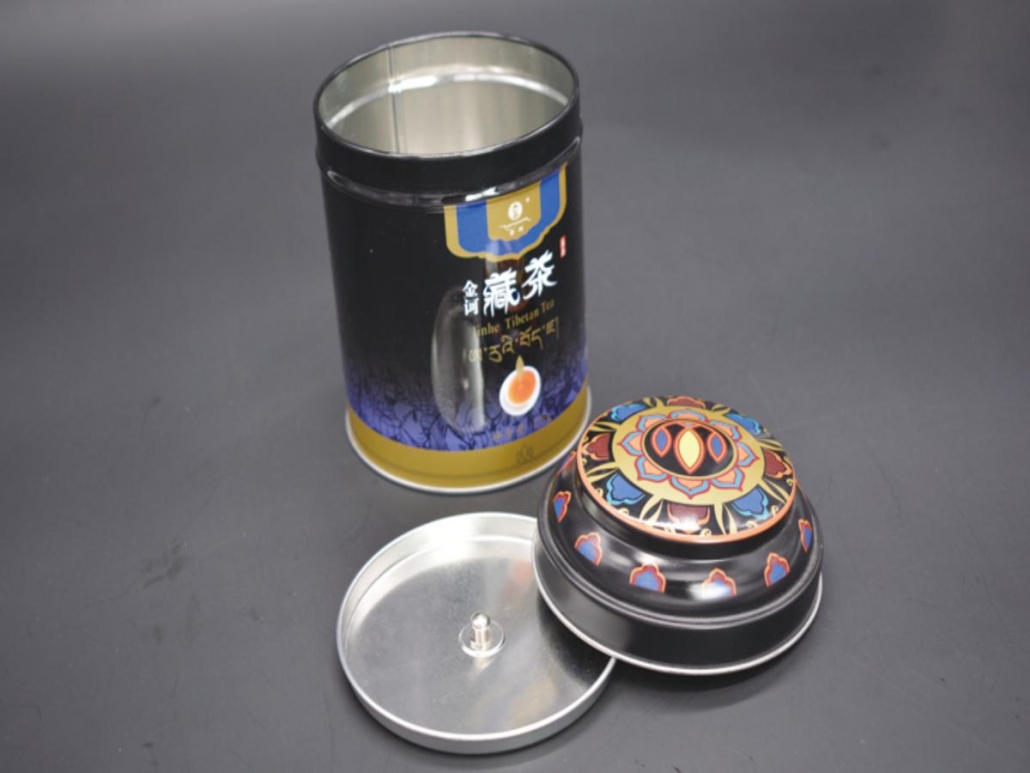
Can tea tins with inner lid prevent the loss of tea aroma? Key Sealing Benefits
Fresh tea leaves emit a rich, layered aroma ranging from floral and grassy notes to roasted scents, depending on the variety and processing method. Tea tins with inner lid are among the most practical packaging solutions for preserving this aroma over the long term, offering some of the best sealing performance available among tea tins. The inner lid creates an additional barrier between the tea and the external environment, helping to minimize contact with oxygen, limit moisture transfer, and slow down the loss of aroma that occurs with repeated opening and closing.
Why Does Tea Aroma Dissipate So Quickly?
Tea aroma is incredibly delicate because the aromatic compounds that constitute it are highly volatile. Once you expose tea leaves to air, moisture, light, or high temperatures, these compounds start to break down. This explains why, even with high-quality teas, the aroma may seem fainter than expected if the packaging fails to provide adequate protection. One of the primary culprits is exposure to oxygen. Once the packaging is opened, fresh air enters the container and reacts with the tea leaves. Over time, this leads to oxidation. Some teas may lose their bright, vibrant notes, while others may lose their inherent sweetness or mellow richness.
So, a tea tin serves a purpose far beyond mere storage; its most critical function is to help preserve the tea’s freshness. Furthermore, tea leaves are highly susceptible to absorbing odors and moisture from their surrounding environment. If the packaging isn’t airtight enough or you don’t reseal it properly after use, the tea can spoil or lose its original flavor.
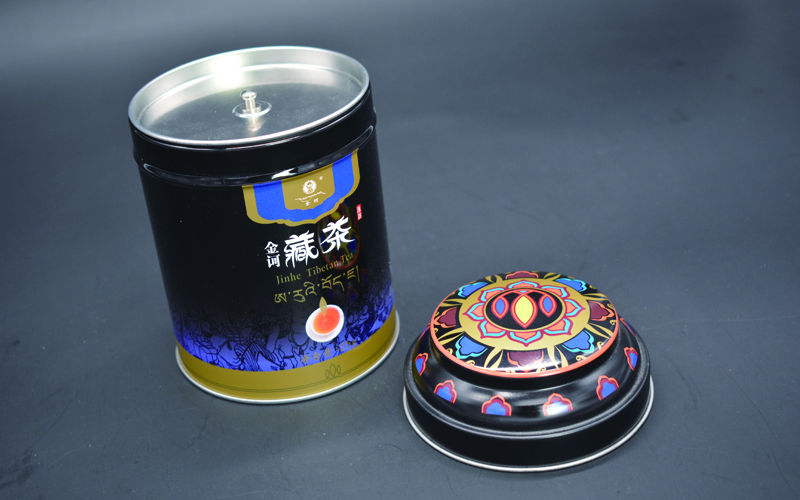
How Do Tea Tins with Inner Lids Enhance Sealing Performance?
The inclusion of an inner lid is the primary reason why these tea tins outperform standard containers equipped with only a single lid. In a tea tin featuring an inner lid, the outer lid handles the routine opening and closing, while the inner lid provides a crucial second layer of protection. This extra protective layer significantly reduces how much air goes in or out of the container each time you open the outer lid.
There are various methods for constructing this type of packaging structure. Some custom-designed tea tins use a “press-fit” inner lid that fits snugly against the container’s rim. Others employ a metal or plastic liner to create a sealed barrier. In either case, the objective remains the same: to provide a more effective seal than the outer lid alone can offer. Moreover, the design of the inner lid effectively mitigates the impact of minor imperfections in the outer lid. Even if the outer lid becomes slightly loose after repeated use, the tea remains safeguarded by this secondary line of defense.
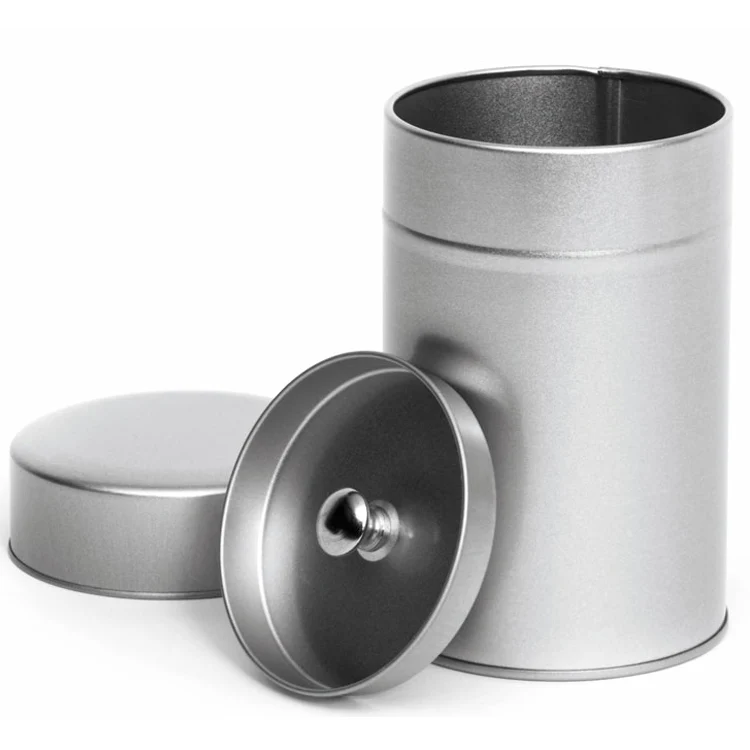
How to Achieve Superior Sealing in Custom Tea Tins?
The design of the inner lid structure depends on several factors: the specific type of tea, the intended storage duration, and the target market.
Our primary consideration is the fit. We ensure the inner lid fits snugly against the tin’s body to minimize airflow; however, it must not be so tight that customers find it difficult to open. If the lid is too loose, it cannot effectively preserve the tea’s aroma; so, if it is too tight, it creates an inconvenience for the user. The second factor is material selection. For certain custom tea tins, we use metal inner lids to enhance the sense of quality and durability; alternatively, we may use plastic or composite materials. The tea’s distribution method and the kind of brand experience the client wants to create determine the choice of material.
The third factor is capacity. Larger tea tins can hold more tea, but if you don’t design the packaging carefully, they also leave more empty space inside. Consequently, when designing tins intended to hold substantial amounts of tea, we typically incorporate a robust inner lid structure. The greater the tin’s internal volume, the more critical it becomes to effectively regulate airflow.
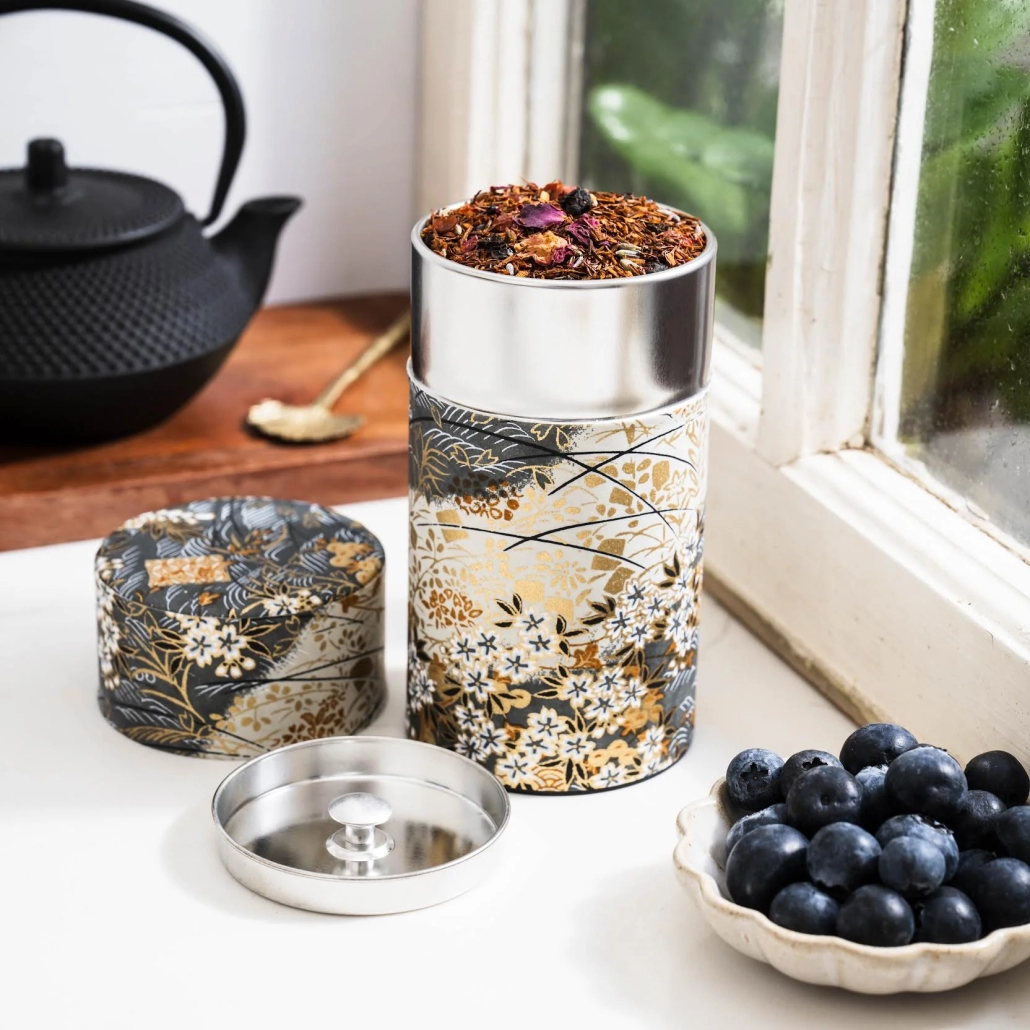
Tea Tins with Inner Lid: Beyond Just Preserving Aroma
While aroma preservation remains their primary advantage, tea tins equipped with inner lids also enhance other aspects of the packaging experience, making them a superior choice for premium tea brands. One significant benefit is ease of cleaning. The inner lid acts as a barrier, preventing loose tea leaves or fine particles from accumulating within the outer lid mechanism, thereby ensuring the packaging remains clean and tidy over time. Another advantage is enhanced storage stability. The tea can be stored for extended periods—whether in a pantry, on a kitchen shelf, or within a retail environment without being unduly affected by external conditions. Thanks to the inner lid’s protective function, the tea remains in excellent condition even when the surrounding environment fluctuates.
A Comparison of Sealing Effectiveness Across Different Lid Types
| Feature | Single-lid tea tins | Tea tins with inner lids |
|---|---|---|
| Aroma protection | Moderate | Stronger |
| Moisture resistance | Basic | Better |
| Repeated opening performance | Lower | Higher |
| Premium feel | Standard | Better |
| Suitability for premium tea | Limited | Strong |
Delivering Superior Sealing for Tea
Tea tins with inner lid offer superior sealing because the inner lid adds an extra protective layer. This reduces airflow and significantly improves moisture resistance, making it easier to maintain the tea’s freshness even after the tin has been opened and closed multiple times. While such packaging cannot entirely halt the passage of time, it is highly effective in delaying the natural degradation process of the tea. If your tea product is marketed based on its distinct aroma, freshness, and premium positioning, then a tea tin equipped with an inner lid is not merely a packaging element, it is an indispensable component of the product itself.
 Facebook
 Twitter
 Linkedin
