Black tins 90

Custom designed black tins for European user habits

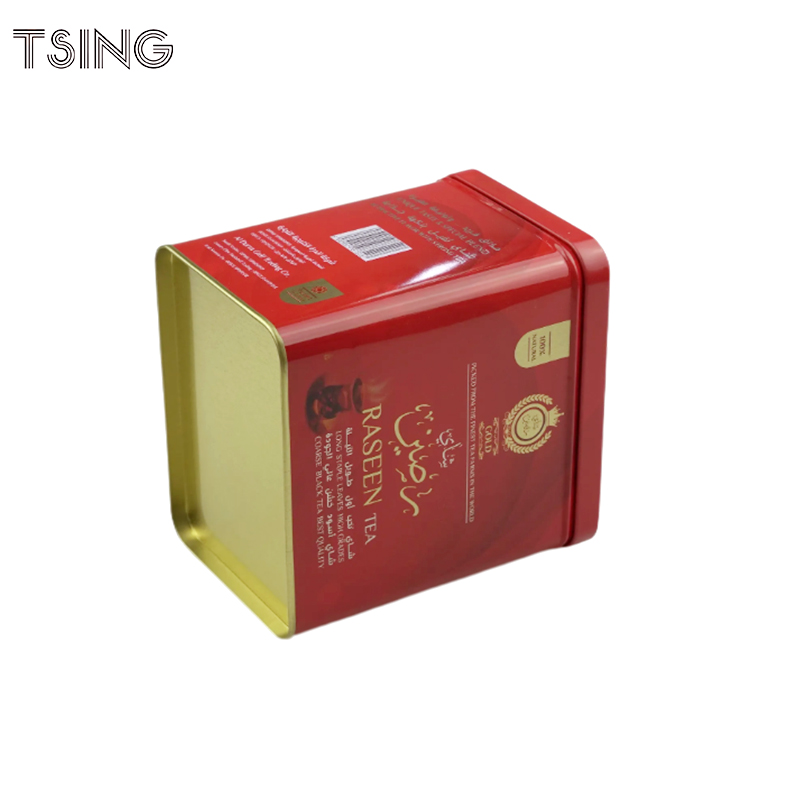
Black tins are cost-effective for European customers due to their versatility, sophistication, and consistency with regional design sensibilities. However, creating black cans that resonate with European users requires a deep understanding of their unique habits, tastes, and priorities. In this article, we share how custom packaging solutions company Tsing tailors black tins to meet the nuanced needs of the European market. Explore how cultural insights are combined with innovative craftsmanship, from design aesthetics to sustainability.

European Preferences for Black Tins

European consumers prioritize packaging that balances elegance, practicality, and environmental responsibility. Black tins have a timeless appeal and are a top choice for premium products such as teas, gourmet foods, and cosmetics. However, preferences vary by region. For example, Nordic countries favor minimalist designs with clean lines and understated brand logos, while Mediterranean markets may embrace bolder embellishments and handcrafted textures. In addition to aesthetics, functionality is essential. Europeans value tins that are easy to open, resealable, and stackable for efficient storage.

Tsing conducts thorough market research to identify these regional nuances, ensuring that designs cater to universal trends and local needs. By incorporating ergonomic features and modular mold sizes, Tsing’s black tins can align with Europe’s emphasis on user-centered design. Additionally, we often integrate tactile elements in our designs, such as embossed logos or textured finishes, to enhance the sensory experience and create a closer emotional connection with the user.

black tins 91

The Role of Sustainability in Black Tin Design

More than 70% of Europeans consider environmental protection a key factor in purchasing decisions, driving demand for recyclable, reusable, and responsibly sourced packaging. Black tins must meet strict environmental standards, requiring non-toxic inks, recyclable tinplate, and coatings that do not hinder recyclability. Tsing addresses this by adopting circular design principles. The black tins on offer feature removable liners to simplify recycling and can be used as storage for spices or DIY crafts. By emphasizing durability and multi-use functionality, Tsing ensures it can align with Europe’s zero-waste ethos while maintaining the high-end feel buyers expect.

European Aesthetics in Black Tins Design

European design aesthetics blend tradition with modernity, preferring understated sophistication over flashy visuals. Black tins for this market often feature subtle textures, matte finishes, and metallic accents to evoke an air of luxury without being excessive. Typography plays a crucial role: those in Germany and Scandinavia prefer clean sans serifs, while those in France and Italy might opt ​​for elegant serifs or hand-painted labels. Tsing’s design team used these insights to create visually cohesive tin cans that reflect regional brand trends. Color psychology is also key; black symbolizes premium quality and timelessness, so pairing it with gold foil or embossed patterns can elevate perceived value. By mastering these nuances, Tsing crafts custom black tins that resonate locally while feeling premium globally.

European Aesthetics in Black Can Design

Cultural Differences in Usage Habits

The way Europeans use black tins varies by product and lifestyle. For example, a British consumer might repurpose a tea tin as a desk organizer, while a Spanish user prioritizes an airtight design to preserve saffron or olives. In the cosmetics space, German brands favor compact, travel-friendly tins for skin creams, while French luxury brands use larger boxes for gift sets. Tsing’s customization process caters to these habits with adaptive features such as interchangeable lids, hinged caps, modular compartments, and magnetic closures. Cultural conventions are also considered – seasonal gifting in the Nordics requires festive details, while everyday use in city centers requires stylish, space-saving designs. By combining form and function with cultural context, Tsing ensures its black cans enhance usability and promote brand loyalty.

Meeting European Compliance and Safety Standards

Europe’s stringent regulations on packaging materials and safety also directly influence the design of black tins. The EU’s REACH and Food Contact Materials (FCM) regulations require cans to meet strict safety standards, especially for food and cosmetics. Our R&D team rigorously tests materials for chemical stability, corrosion resistance, and food-grade safety. The lacquered interiors used prevent metal leaching, while FDA-approved coatings ensure compliance. In addition, Tsing provides documents such as Declarations of Conformity to simplify customer compliance. By prioritizing regulatory compliance, Tsing has effectively reduced risk in entering the European market and established trust with quality-conscious consumers. Tsing also provides consulting services to help brands navigate the complex regulatory environment, ensuring smooth market entry and long-term success.

Master the European market with custom black tins.

Designing black tins for Europe requires technical expertise and empathy for cultural values, habits, and aspirations. By combining European aesthetics with innovative functionality, Tsing’s custom black tins hold products, convey culture, build connections, and enhance brands. Whether entering new markets or improving existing businesses, Tsing’s custom black tin solutions will resonate deeply with European consumers.

Bulk Candle tins 90

REACH and RoHS Compliance for Bulk Candle tins: Importance for European Buyers

European buyers have strict requirements to ensure that every product entering the market complies with directives such as REACH and RoHS. For companies in the metal tin packaging industry, meeting these regulations is not just a regulatory obligation but a strategic imperative to ensure market access and maintain consumer trust. Both laws require that tins to package candles and related products adhere to high chemical safety and environmental sustainability standards. This has led to a new generation of bulk candle tins that use advanced materials and design features designed to reduce chemical hazards and improve recyclability.

REACH and RoHS Requirements for Bulk Candle Tins

REACH is one of the most comprehensive chemical regulatory frameworks in the world. It requires manufacturers to identify, evaluate, and manage the risks associated with the chemicals used in their products. Bulk candle tins are required to ensure that all materials have undergone a thorough environmental and health impact assessment. RoHS restricts using specific hazardous substances such as lead, mercury, cadmium, and certain flame retardants. For bulk candle tins, meeting RoHS requirements means that the materials used in the tin (especially any paint, coating, or welding materials) must not contain these restricted substances. This ensures that the final product is safe for consumers and environmentally friendly.

REACH and RoHS Compliance for Bulk Candle tin cans

Importance of REACH and RoHS Compliance of Bulk Candle Tins for European Buyers

European buyers must often verify that their imported products comply with strict environmental regulations. Non-compliance carries legal and financial risks and can damage a company’s reputation. In this context, bulk candle tins certified free of hazardous substances and manufactured using sustainable practices offer a competitive advantage. Bulk candle tins that comply with REACH and RoHS regulations can give European customers confidence that the products they use and distribute meet the highest environmental and consumer safety standards. At the same time, the regulatory environment in Europe also emphasizes sustainability. Buyers increasingly seek products that meet legal requirements and contribute to broader environmental goals. In this regard, bulk candle jars produced by REACH and RoHS standards can help companies in the European region achieve their sustainability goals.

REACH and RoHS

Improve product safety and marketability through compliance.

Bulk candle tins are often used in the consumer goods sector, and these tins must protect the contents from contamination, degradation, and exposure to hazardous substances. By ensuring that all materials and production processes comply with REACH and RoHS, manufacturers can minimize the risk of exposure to dangerous chemicals. This protection is not only critical for the end consumer but also for retailers and distributors who are responsible for product safety. In addition to increased safety, compliance plays a vital role in marketing. European buyers are increasingly influenced by sustainability and safety issues and prefer to purchase certified products to meet strict standards. The certification process is a mark of quality that distinguishes compliant bulk candle jars from those of lower quality or produced using less sustainable methods.

In-depth comparison of cost factors between custom and standard options

Methods to meet REACH and RoHS standards for bulk candle tins

The manufacturing process selects raw materials that comply with EU regulations, ensuring that all components, from the metal alloys used in the tins to any coatings and adhesives, are free of hazardous substances. Advanced automated manufacturing technology is utilized on the production floor, allowing precise control of the forming and finishing processes. This precision ensures that the final product meets the regulatory standards and customers’ high expectations for durability, aesthetics, and functionality. The production line integrates automated quality inspection systems, providing real-time data and ensuring full traceability of each batch of bulk candle tins. The result is a more cost-effective and environmentally friendly product that complies with REACH and RoHS requirements.

Benefits to European buyers and impact on global markets

For European buyers, one of the main advantages is the assurance of product safety. Bulk candle jars that comply with REACH and RoHS regulations use materials and processes that minimize the presence of hazardous substances. This level of protection is critical for consumer products because it reduces the risk of chemical exposure and improves the product’s overall reliability. In addition to safety, compliance with these regulations generally enhances product quality. So, when European buyers receive bulk candle jars, they meet environmental regulations and have excellent durability, finish, and performance. These quality improvements help improve the consistency of the end product, which is critical to maintaining a competitive advantage in the market. In addition, companies can avoid the risk of import restrictions or market rejection by ensuring full compliance.

Finally

To meet European customers’ requirements for candle tins, we have developed bulk candle tins that comply with REACH and RoHS standards. At the same time, we pay more attention to reducing hazardous substances, optimizing material use, and adopting more advanced and automated production technologies in product manufacturing to reduce scrap rates and improve overall performance. This pursuit of excellence enables our customers to confidently navigate the complex regulatory environment and ensure a leading position in the market.

Metal Packaging Solutions 1-1

Custom vs. Standard Metal Packaging Solutions: Comparing Cost and Flexibility

Standard metal packaging solutions are widely used due to their reliability and cost-effectiveness. They are typically mass-produced to meet high-volume needs and are designed for a wide range of applications. In contrast, custom metal packaging solutions are designed to meet specific customer needs. These solutions offer enhanced design capabilities and flexibility, allowing manufacturers to tailor packaging to unique product specifications or brand identities. However, adopting a custom solution often requires weighing the benefits of increased flexibility against potential higher production costs. As companies strive to balance quality, price, and sustainability, they are increasingly evaluating packaging solutions that protect the product and add value to the overall customer experience.

Metal Packaging Solutions: Standard Packaging Overview and Cost Analysis

One of the main advantages of standard metal packaging solutions is the significant cost savings achieved through mass production. Because these packaging components are mass-produced, manufacturers benefit from reduced unit costs. Standardized designs mean that tooling and production processes are optimized over time, resulting in consistent quality and lower overheads. For many companies, especially those with high production volumes, these savings can be substantial, allowing them to maintain competitive pricing in the market.

In addition to lower production costs, standard metal packaging solutions also offer a high degree of reliability. The consistency of mass-produced packaging ensures that each unit meets strict quality standards, minimizing the risk of defects that could compromise product safety or performance. This consistency is critical in industries where packaging integrity is directly tied to product longevity and customer satisfaction.

Metal Packaging Solutions 1-2

Metal Packaging Solutions: Customized Packaging and the Flexibility Advantage

One of the great benefits of custom metal packaging solutions is the ability to tailor the design to the precise needs of the product. This flexibility enables manufacturers to modify dimensions, incorporate unique features, and use materials that best protect and showcase the product. For example, a custom tin can be designed to optimize space utilization, thereby reducing material waste and increasing shipping efficiency.

Beyond the functional aspects, custom tin can packaging solutions enable brands to incorporate specific design elements (such as logos, textures, and finishes) that resonate with consumers and strengthen brand loyalty. This level of personalization enhances the product’s shelf presence and helps maintain the overall brand image. Design flexibility also extends to the production process. Custom solutions often allow for rapid prototyping and iterative design improvements.

custom tin can packaging solutions 1-3

In-depth comparison of cost factors between custom and standard options

Standard metal tin can packaging solutions benefit from economies of scale. Because these products are produced in large quantities, the unit cost tends to be lower, making them a more affordable option for manufacturers who need to grow in large quantities. Standardizing the design also means that tooling and manufacturing processes can be improved over time, reducing production costs and minimizing waste. In contrast, custom metal tin can packaging solutions generally require a higher initial investment. The design and development of custom packaging requires specialized engineering. Although the upfront costs are higher, custom solutions can provide significant long-term benefits that offset these costs. For example, by optimizing the design to improve product protection, custom packaging can reduce damage during transportation, reduce return rates, and increase customer satisfaction.

In-depth comparison of cost factors between custom and standard options

Flexibility, Adaptability, and Market Trends

Standard metal tin can packaging solutions are characterized by simplicity and consistency. Their streamlined design and mass production capabilities make them highly reliable and cost-effective. However, this consistency can come at the expense of flexibility. Because standard solutions are produced in large quantities to fixed specifications, they may not be able to meet unique product requirements or adapt quickly to new market trends. For manufacturers with stable product lines and large production volumes, this lack of flexibility is often acceptable in exchange for cost-effectiveness and ease of production benefits.

In contrast, custom metal tin packaging solutions are inherently flexible. They allow manufacturers to tailor designs to meet specific product sizes, brand aesthetics, and functional requirements. This adaptability is particularly valuable in industries where differentiation and innovation are key competitive factors. For example, custom cans can be designed with unique opening mechanisms, integrated features, or special coatings, to name a few.

Choose the Solution That’s Best for You

Standard metal packaging solutions remain an affordable choice for high-volume production. Their mass-produced nature provides economies of scale, consistency, and reliability that custom solutions struggle to match. On the other hand, custom metal packaging solutions offer significant advantages in flexibility and adaptability. The ability to tailor packaging to specific product requirements and brand characteristics enables companies to stand out in a competitive market.

UV-resistant black tins

UV-resistant black tins: prevent fading in direct sunlight

The fading and material degradation challenge is critical for food and beverage, cosmetics, and outdoor products. Tsing’s UV-resistant black tins offer a state-of-the-art solution to resist fading under intense UV exposure. These black tins retain their deep, rich color over time, ensuring products look as vibrant on the shelf as they did when they left the factory. This unique combination protects pigments from harmful UV rays and helps prevent material degradation, ensuring long-lasting durability and visual appeal. With our UV-resistant black tins, manufacturers can protect the aesthetic integrity of their brands while reducing the risk of customer dissatisfaction caused by fading or discoloration of packaging.

Traditional Black Tins Suffer Sunlight Degradation Issues

Black tins exposed to direct sunlight often experience fading, damaged labels, and compromised appearance, compromising brand integrity and product appeal. UV rays break down pigments and adhesives, causing logos and graphics to become blurred or peel within months. For example, a premium tea brand in California reported a 40% return rate on gift sets due to faded labels during summer storage in sun-exposed retail displays. Tsing’s research shows that conventional tin coatings lose 60% of their color vibrancy after 500 hours of UV exposure. This degradation affects visual appeal and raises concerns about product freshness.

Black tins with UV resistance

Tsing’s patented nano-ceramic UV-blocking coating revolutionizes the durability of black tin cans. Applied during the electroplating process, this 8-micron layer reflects 98% of UV-A/B rays while allowing infrared heat to dissipate, preventing the “greenhouse effect” that accelerates fading. To further enhance its performance, we incorporate UV absorbers, compounds that capture and dissipate UV energy before it can damage the material. In addition, we use HALS, which works by neutralizing free radicals generated during UV exposure. This dual-action approach ensures that our black tin cans maintain a consistent dark hue and structural integrity even after prolonged exposure to direct sunlight. At the same time, the addition of UV protection additives will not damage the physical properties of the cans. Our formulation is designed to provide excellent UV protection and strong mechanical strength, ensuring the tin cans are beautiful and durable for daily use.

Black tins with UV resistance

Material selection and formulation for maximum durability

Our formulation process centers on creating a resilient matrix that uniformly integrates UV absorbers and light stabilizers. The polymer selected must provide a strong, impact-resistant matrix and promote uniform dispersion of the additives throughout the material. This uniformity is critical, as any inconsistency can lead to localized areas of weakness.

In addition to chemical stability, the formulation is designed to optimize the tin can’s visual properties. A careful balance of pigments and additives results in a deep, uniform black color that will not change over time, even when exposed to direct sunlight. Tsing’s black tins also feature a thermal barrier to protect sensitive products, such as delicate tea leaves, from heat damage.

Branded UV-resistant black tins

Tsing’s UV-resistant black tins also support full-color printing and embossing without sacrificing durability. Our technical support includes laser etching to create permanent logos unaffected by sunlight. UV-curable inks that can withstand more than 650 hours of direct UV exposure without cracking. We can also adopt a modular design with interchangeable lids and bases for seasonal rebranding. Tsing also offers holographic finishes and textured patterns to enhance visual appeal without compromising UV resistance. These options allow brands to create packaging that stands out on the shelf while maintaining long-term durability.

black tins 9-2

Sustainability meets durability

Unlike disposable packaging, Tsing’s black cans are more durable, tinplate and coatings are EU REACH compliant, and are recyclable. Solar-powered factories reduce CO2 emissions by 40% compared to traditional coating methods. A UK eco-brand using these tins has achieved B Corp certification, noting that 60% of customers reuse them as storage containers, extending their lifecycle beyond other uses. Tsing’s commitment to sustainability extends to closed-loop manufacturing, recycling scrap metal into new cans. This process reduces raw material consumption by 25%, aligning with global efforts to reduce environmental impact.

Enabling UV-resistant packaging

Tsing’s UV-resistant black tin redefines packaging resilience, blending cutting-edge materials with timeless design. By addressing the fading issue, we help brands maintain visual integrity, enhance sustainability and enable these clients to achieve better sales in markets such as food and beverage, cosmetics and outdoor.

tea tins 88

Style meets functionality: tea tins for tea wholesalers

Tea wholesalers always look for solutions that balance aesthetics with practicality, and tea tins have become the epitome of balancing style and function. As technical advisors at Tsing, we have the opportunity to observe and implement innovative packaging solutions to meet the unique needs of the tea industry. In this guide, we explore how high-quality tea tins can enhance the visual appeal and operational efficiency of tea wholesalers, ensuring their products stand out in a crowded market while being practical for storage and distribution.

The Art of Making a First Impression: Designing Tea Tins That Attract Buyers

At Tsing, luxury tea tins blend aesthetic appeal with practicality, offering designs that reflect cultural heritage, modern simplicity, or seasonal themes. Key design elements include using color psychology, with earth tones for organic blends and gold accents for premium teas. Ergonomic shapes, such as square tins for efficient stacking and cylindrical tins for easy scooping, are used. Custom embossing is also used to enhance tactile appeal with 3D logos or patterns. Combining tin cans design with brand identity allows tea wholesalers to stand out in a competitive environment while maintaining functional efficiency. Additionally, Tsing offers design consulting services, where our team works with clients to create packaging that resonates with their target audience.

Tea Tins 89

How do tea tins protect flavor and freshness?

Tea is hygroscopic, absorbing moisture and odors that degrade its quality. Tsing’s double-sealed tea tins combat this with military-grade precision, using food-grade aluminum foil on the inner layer, flushed with nitrogen to block oxygen. The outer layer is made from tinplate, which blocks UV rays and moisture, and a gasket lid with a silicone ring that ensures it remains sealed even after more than 500 openings. To further enhance freshness, Tsing’s tinned teas have oxygen scavengers embedded in the lid lining. These small packets absorb any remaining oxygen in the tin, preventing oxidation and, thus, flavor degradation. For premium teas such as white tea or aged pu-erh.

How do tea tins protect flavor and freshness

Custom tea tins for market demand

The global tea market requires localized packaging, and Tsing’s modular tea tin allows wholesalers to mix and match components. They also allow for interchangeable lids that can switch between hinged, twist-off, or child-resistant designs. Of course, you can also work with local artists to design limited-edition cultural designs. In addition, you can choose from 50g sample jars to 1kg bulk containers with resealable bags. Tsing also offers mass customization, allowing wholesalers to test new designs by ordering large quantities. For example, a startup specializing in rare oolong tea ordered 5,000 tins with a unique bamboo pattern to gauge market interest. This personalized packaging also became their signature, driving a 200% increase in online sales.

Tea Containers 4

Integrating technology with innovative design features

As consumer expectations change, tea wholesalers increasingly seek to incorporate cutting-edge technology and innovative design features into their packaging. We can add QR codes or NFC tags to tea tins, allowing consumers to access detailed information about the origin of the tea, brewing instructions, and even behind-the-scenes footage of the production process. This interactive element creates a richer consumer experience, turning tea tins into a portal for brand storytelling and customer interaction. For tea wholesalers, leveraging these technologies can differentiate their products. Another key is sustainability. As the global focus shifts toward eco-friendly packaging, designers are also considering eco-friendly materials and processes in the design of tea tins.
Innovations such as biodegradable coatings, recycled metals, and energy-efficient manufacturing techniques are helping tea wholesalers meet consumer demand for sustainable products.

Cost-effectiveness: Maximizing ROI

While the upfront cost of premium tea tins maybe 20-30% higher than bagged tea tins, their long-term value is unmatched. Tea tin can reduce spoilage, extend the shelf life of tea by 6-12 months, and minimize returns. At the same time, 65% of consumers will return to brands with memorable packaging. Nestable tea tins reduce cargo damage by 80% compared to ceramic tins. Tsing’s tea tins can also reduce inventory loss during transportation. Its sturdy construction prevents crushing even when heavily stacked, while the tamper-proof seal prevents theft. For wholesalers shipping internationally, these features mean significant savings and peace of mind.

Balancing Style and Functionality

Tsing provides tea wholesalers with robust solutions that improve product quality, strengthen brand image, and ensure operational efficiency. By focusing on style and functionality, tea tin help to leave a lasting impression on consumers, drive sales, and foster long-term brand loyalty. As the industry evolves, using tea tins will continue to be a key differentiator for tea wholesalers to thrive in an increasingly competitive market.

Metal Tins 10-1

Luxury Chocolate Packaging: A Guide to Gold Foil-Lined Metal Tins

For luxury chocolate brands, packaging is more than just a container; it’s a direct expression of brand value, the primary safeguard for product quality, and the emotional value of the unboxing experience. Packaging that instantly conveys a sense of luxury not only captures attention but also deepens expectations for the chocolate’s quality. Gold-foil-lined metal tins perfectly meet this need—they convey luxury and exclusivity with the brilliance of gold foil and the texture of metal, while offering exceptional protection to lock in the delicate texture and rich flavor of the chocolate, making them the preferred packaging solution for high-end chocolate brands.

Metal Tins: the gold standard in luxury chocolate packaging

Luxury chocolates require packaging that reflects their premium quality, and a metal tin with a gold foil lining offers unparalleled elegance and functionality. Unlike standard cardboard boxes, metal tins provide superior protection from moisture, light, and temperature, which is essential for preserving chocolate’s texture and flavor. Tsing’s metal cans feature an FDA-approved gold foil lining that acts as an anti-oxidation barrier, extending shelf life by up to 30%. A 2023 study found that 68% of premium chocolate brands experienced increased customer loyalty after switching to metal cans, citing the cans’ reusability and tactile feel as key drivers. For artisan chocolate makers, these tins are also a canvas for brand storytelling. Tsing’s clients saw a 40% increase in sales after launching a limited edition can with a hand-painted pattern. This custom metal can elevate chocolate from a treat to a collectible experience by combining practicality with artistry.

Metal Tins 10-2

Metal Tins Designed for Brand Identity and Consumer Appeal

A metal’s shape, finish, and details can play a key role in grabbing consumer attention. Tsing offers endless customization options: manufacturers can use embossed logos, and they can add a tactile dimension with laser etching or embossing branding. In matte vs. glossy finishes, matte black cans exude modern simplicity, while high-gloss gold exudes luxury—shape, and size to stand out on a shelf with hexagonal or heart-shaped cans. For example, one Parisian chocolatier used Tsing’s oval tins with antique gold trim to create a sense of vintage luxury, which led to a 25% increase in gift purchases. The tin’s magnetic closure and silk lining enhanced the unboxing experience, turning first-time buyers into repeat customers.

star-shape-chocolate-tins-5

Material Science Meets Sustainability

Tsing’s custom metal tins are made from food-grade stainless steel or tinplate, which is known for their durability and recyclability. Manufacturers use FDA-compliant aluminum to create the gold foil lining, ensuring zero chemical leaching—a must for organic or vegan chocolate. Tsing uses tin cans with biodegradable PLA linings, which reduce the carbon footprint by 45% compared to traditional products. The modular design of the tins also allows for easy disassembly and reuse of spices, jewelry, or souvenirs. According to surveys, 72% of consumers keep their Tsing chocolate tins after purchasing them, which can help to increase brand awareness long after the chocolate is enjoyed.

Advanced printing technology brings visual impact.

High-resolution printing turns custom metal tins into miniature works of art. Tsing uses offset printing to create realistic images of cocoa beans or vineyard scenes on the metal tins, hot stamping technology to show gold or rose gold decorations, and UV coating for a scratch-resistant finish to maintain vividness. Belgian chocolate maker used Tsing’s lenticular printing technology to create 3D effect tins showing melted chocolate, driving a 50% surge in social media engagement. The design of the tins also aligns with cultural trends; during the Chinese New Year, the Hong Kong brand incorporated snake images and saw a 60% increase in sales in the Asian market.

3D Effect Chocolate Metal Tins

Functional innovation for premium protection

Beyond aesthetics, Tsing’s custom metal tins integrate several protective features to safeguard quality, from silicone gaskets to keep humidity below 50% to prevent frost to ensure an airtight seal to trays between compartments to prevent pieces of chocolate from shifting during transport. Finally, an aluminum foil seal with a branded hologram ensures authenticity. Additionally, a phase change material (PCM) liner can be added for temperature-sensitive chocolates to maintain temperature at 18-20°C for up to 48 hours – perfect for summer deliveries.

Bringing luxurious chocolate packaging

From the visual luxury and antioxidant protection provided by the gold foil lining to the sustainable reuse enabled by its modular design, from the brand’s distinctiveness fostered by customized processes like laser etching and 3D printing to the transport safety guaranteed by functional innovations like silicone gaskets and a temperature-controlled lining, Tsing’s gold foil-lined metal cans perfectly blend luxury and practical value. They not only elevate chocolate from a delicious treat to a collectible gift, but also represent a brand’s commercial value.

Custom tin cans 1

Custom tin cans for cosmetics: magnetic opening and closing + mirror polishing process

To boost sales, cosmetics companies and major brands are considering how to ensure aesthetically pleasing packaging while protecting the product and attracting consumers. Customized tin cans achieve this dual purpose. This approach offers a diverse and personalized metal packaging solution that can be fully customized based on the size, shape, and surface finish of the jar. Advanced features such as magnetic closures and mirror polishing can create a high-gloss finish, enhancing the functionality and visual appeal of cosmetic packaging.

The role of magnetic opening and closing mechanism in the user experience of custom tin cans

The custom tin cans designed for the cosmetics industry feature magnetic closures that ensure a smooth and easy opening and closing experience, thereby increasing overall user satisfaction. The designers created the magnetic mechanism to provide a secure, easy-to-access closure system. Unlike traditional snap or screw caps, the magnetic system utilizes strong yet carefully calibrated magnets to secure the lid in place without requiring excessive force. This design reduces long-term wear and tear, maintaining the integrity and aesthetics of the tin. For cosmetics, the tactile feel of the packaging has a dramatic impact on perceived quality, and this mechanism has revolutionized the industry. It makes the product more user-friendly and adds an element of sophistication that aligns with a high-end brand image. Additionally, the magnetic closure design is nearly seamless, minimizing the risk of accidental opening during transport or storage.

Mirror Polishing on Custom tin cans

To create a dazzling, high-gloss surface, we use a mirror polishing process on our custom tin cans, making our customers’ cosmetic jars stand out even more. Mirror polishing not only enhances the beauty of the tin can, but also serves a practical function, with a smooth, easy-to-clean surface that retains its gloss for a long time.

The mirror polishing process involves a series of carefully controlled mechanical and chemical treatments that smooth the metal surface to a near-perfect level. The process begins with precision grinding and polishing to eliminate surface imperfections, followed by polishing stages that gradually perfect the finish. The result is a custom tin with a highly reflective surface that is eye-catching and exudes a sense of high quality. For cosmetic brands, such a finish is crucial as it enhances the feeling of luxury and sophistication, making the product stand out on crowded retail shelves.

Custom Tin Cans 2

Integration of magnetic closure and mirror polish during manufacturing

Combining a magnetic opening and closing mechanism and a mirror polishing process is not accidental but the result of careful design to create a stunning product that functions exceptionally well. This integrated approach ensures that our custom tins meet the rigorous requirements of the cosmetics industry while providing unparalleled user convenience and aesthetics.

The manufacturing process begins with the selection of high-quality raw materials, which form the basis of our custom tins. Once the raw metal is prepared, it is precision stamped and formed to achieve the desired shape and size. After initial forming, the tins undergo our advanced mirror polishing process. At this stage, the surface of the tin cans is carefully polished to achieve a high gloss finish that is both beautiful and durable. We attach the magnetic closure system to the tin and calibrate the magnetic system to provide a secure closure while maintaining the tin’s sleek aesthetic.

Ensuring Quality, Durability and Performance of Cosmetic Packaging

Our custom tins undergo a rigorous quality assurance process to ensure that each unit meets the highest standards. This includes a series of pressure tests, visual inspections and performance evaluations to verify the integrity of the magnetic closure and the consistency of the mirror polish. We strength-test the magnetic system to ensure the lid stays securely closed during shipping and handling while remaining easy for consumers to open. Meanwhile, we rigorously inspect the mirror polishing process for uniformity and resilience, ensuring the high-gloss surface remains intact even with frequent use. Our commitment to corrosion-resistant design further enhances durability. Advanced materials and protective coatings ensure the tins can withstand the effects of moisture, chemicals and temperature fluctuations often encountered at various stages of the supply chain.

Customized cosmetic tin can

Balancing cost efficiency and sustainability in production

Tsing’s custom tin cans for cosmetics embody this balance through innovative production techniques and sustainable practices that reduce material waste, energy consumption and overall costs while still delivering a quality product.

We achieve cost efficiency in the manufacturing process by streamlining production processes and integrating advanced automation systems. Tsing also minimizes waste and reduces production time by optimizing each step, from material selection and stamping to mirror polishing and magnetic assembly. Our precision engineering process produces each custom tin with minimal variation, ensuring consistent quality and reducing scrap. This efficiency reduces material costs and labor expenses, making our products competitive for cosmetic manufacturers.

Make cosmetic packaging more beautiful and functional

The use of customized tin cans can bring tailor-made packaging solutions specifically for the cosmetics industry that focuses on beauty and functionality. We use magnetic opening and closing mechanisms and mirror polishing processes to improve the quality, durability and user experience of cosmetic packaging. At the same time, we enhance the uniqueness of cosmetic packaging and its visual appeal, and ensure the long-term reliability and cost-effectiveness of users’ products.hances the visual appeal of its packaging, and ensures long-term reliability and cost-effectiveness.

candle tins 9-1

How to solve the compatibility problem between candle tins and labels?

In the world of premium candle packaging, aesthetics and functionality are paramount. Candle tins are containers and an essential part of a brand’s image – conveying quality, style and elegance. However, many manufacturers struggle with poor adhesion, peeling and misalignment, which lead to unsightly products and increased waste. One challenge the industry has always faced is the compatibility between candle tins and labels. Tsing’s innovative approach addresses these compatibility issues head-on, ensuring that the end product retains its visual appeal and durability.

At Tsing, we have invested years of research and development to understand the root causes of these compatibility issues. Candle tins are typically made from metals such as aluminum or tinplate, which often have smooth, sometimes non-porous surfaces that labels are difficult to adhere to. In addition, the high temperatures during the candle manufacturing process and the possibility of oil or wax residue can further complicate label adhesion. The challenge is creating a strong enough bond to withstand handling and environmental factors and ensuring that the label application process is efficient and cost-effective.

Candle tins have label application issues

Successful label application depends mainly on the inherent properties of the candle tin material. Manufacturers make most candle tins from metals such as tinplate, selecting them for their durability, heat resistance, and recyclability. However, these materials also present challenges. Their smooth and sometimes reflective surfaces often inhibit the adhesion of traditional labels, leading to issues such as bubbles, peeling, and misalignment. Additionally, metal surfaces may be treated with lubricants or protective coatings during manufacturing, reducing the surface energy required for adequate label adhesion.

Tsing’s approach begins with a deep understanding of these material properties. We analyze the specific metal type used in each candle tin and its surface characteristics. At the same time, our engineers use surface energy measurements and contact angle analysis to determine the ideal adhesive formulation and application method for each substrate. This level of material-specific analysis is critical, as a one-size-fits-all approach rarely meets the stringent requirements of premium candle packaging.

Candle tins 9-2

Surface Treatments and Coatings for Candle tins Enhance Label Compatibility

Tsing solves the challenge of label adhesion on candle jars by using advanced surface treatments and coatings to transform the jar surface into an ideal label substrate. These treatments change the physical and chemical properties of the metal, increase its surface energy, and create a texture that improves the mechanical interlock between label and jar.

One of the primary methods we use is plasma treatment. By exposing metal surfaces to a controlled plasma environment, we can remove contaminants, oxidize the surface, and create micro-roughness that enhances adhesion. This treatment is particularly effective on non-porous surfaces because it improves wetting, allowing the adhesive to spread evenly and bond more securely. In addition, plasma treatment is environmentally friendly because it avoids harsh chemicals and reduces waste. Another practical approach is to use a specialized primer or coupling agent. Tsing specifically designs its proprietary primer formula for candle tins, ensuring compatibility with the adhesives used in our labeling process.

Surface Treatments and Coatings for Candle Jars Enhance Label Compatibility

Design Innovation and Customization for Seamless Label Integration

In addition to material properties and surface treatment, the candle tin design and label also play a key role in compatibility. Tsing’s approach to solving compatibility issues incorporates thoughtful design innovations that consider the entire labeling process from beginning to end. This includes the physical size and shape of the tin cans and the label’s design, ensuring harmonious integration, enhanced functionality and visual appeal.

A primary design consideration is the geometry of the candle jar. Tsing worked closely with design engineers to design the jar with features that facilitate label application. This may involve incorporating slight textured elements, rounded edges or specific contours that allow the label to wrap smoothly around the tin without wrinkling or bubbling. Customization is another key element of Tsing’s solutions. We understand that different candle brands have unique design requirements and market positioning. Whether it is a minimalist, modern look or a more ornate, luxurious appearance, Tsing’s engineering team is committed to creating customized solutions that meet these needs.

Design Innovation and Customization for Seamless Label Integration

Advanced Manufacturing Technology and Process Optimization

At Tsing, our approach to solving compatibility issues between candle tins and labels extends to manufacturing. We have developed advanced manufacturing technologies and process optimization strategies to ensure that every step of the production cycle moves toward achieving a perfect label application.

Our state-of-the-art production facilities utilize automated systems and robots to handle the tin manufacturing and labeling processes with unparalleled precision. Automation minimizes human error and ensures that each candle tin meets precise specifications with uniform surface properties, making it ideal for labeling. At the same time, our engineers continuously monitor key parameters such as temperature, pressure, and humidity during the production process to ensure that conditions remain within the optimal range for label bonding. These advanced quality control measures, including in-line inspections and real-time data analysis, allow us to detect and correct deviations immediately. This rigorous approach not only increases production efficiency, but also ensures that each candle jar meets the highest standards of quality and compatibility.

Quality Assurance, Testing, and Data-Driven Label Compatibility Improvements

Every production stage reflects our commitment to quality assurance—from initial design and material selection to final testing and customer feedback. Rigorous testing protocols and data-driven improvements ensure that our solutions meet and exceed industry standards for label compatibility.

Treated candle tin samples are subjected to stress tests that simulate real-world conditions. These tests evaluate bond strength, peel resistance, and the ability to withstand temperature fluctuations and humidity. By meticulously assessing these parameters, Tsing’s quality control team can fine-tune our surface treatments, adhesives, and labeling processes for optimal performance. We use this data to improve our manufacturing processes and ensure that every product leaving our factory maintains the highest quality.

A comprehensive approach to solving label compatibility issues

Our strategy combines material science, advanced surface treatments, thoughtful design innovations, and rigorous manufacturing processes to create a seamless label application experience. By addressing every aspect – from the inherent properties of the tin material to final quality assurance testing – Tsing ensures that each candle tin is perfectly prepared for label application, enhancing functionality and aesthetics.

black tins 7-1

Anti-fingerprint coating: Keeps the beauty of the matte black tins?

Matte black tins have become a popular choice for packaging in various industries, including candles, cosmetics, and food. The sophisticated, modern look of matte black tins enhances product appeal and gives it a premium feel. However, one challenge that often arises with matte finishes, especially black tins, is that fingerprints, smudges, and other marks can detract from the product’s aesthetic. This is where anti-fingerprint coatings come into play. These coatings protect the matte black tin’s look and ensure that the packaging retains its elegance throughout its lifecycle. So, we’ll explore how anti-fingerprint coatings can help preserve the beauty of matte black tins. We’ll look at how they work, their benefits, and their key role in improving the durability and visual appeal of these packaged products.

Black Tins: Why Matte Finishes Require Special Protection

A favourite in luxury candle packaging, matte black tins have a sleek, modern aesthetic. However, their porous surface easily attracts fingerprints, smudges, and oil marks, which can dull the appearance within hours. Traditional glossy coatings are less prone to fingerprints but lack the understated elegance of a matte finish. At Tsing, we’ve designed an anti-fingerprint coating for matte black jars that combines nano-sized silica particles with a proprietary resin blend. The coating fills in microscopic surface imperfections, creating a smooth barrier that repels oils and skin residue. For example, testing of a high-end candle brand showed that uncoated tins accumulated visible fingerprints after 10 touches, while coated tins remained intact after more than 50 touches.

Black Tins 7-5

Black Tins: The Science Behind the Durability of Anti-Fingerprint Coatings

The durability of coatings is critical for products like candle tins, which are subject to repeated handling and temperature fluctuations. Tsing’s anti-fingerprint coating has been put through rigorous testing, including more than 500 wipes with a microfiber cloth with no loss of matte finish. It did not cause flaking or discolouration after exposure to 150°F (typical candle-burning temperature) for 24 hours. It also resists common household cleaners, including alcohol sprays. Tsing’s coated black tins maintained a fingerprint-free surface over 6 months of retail display and consumer use, outperforming competitor coatings by 3x.

Enhance aesthetic appeal without compromising brand image.

Matte black tins are often used as a canvas for minimalist logos or reliefs. Tsing’s anti-fingerprint coating is applied in an ultra-thin layer (2-3 microns) to preserve fine details, such as laser-etched branding or metallic embellishments. In a project with a New York candle manufacturer, the coating improved the visibility of rose gold foil lettering by reducing light scattering on the matte surface. Unlike thicker coatings that create a “plastic” feel, Tsing’s formula preserves the can’s natural tactile feel—a key detail for luxury consumers who equate texture with quality. At the same time, anti-fingerprint coatings give brands a simple and effective way to maintain a high-end look. Whether it’s a luxurious candle in a matte black tin or a high.

Matte black jars

How anti-fingerprint coatings extend life

A significant issue with matte black tins is that their appearance quickly deteriorates if frequently touched. Over time, oils from your fingers and other contaminants can build up, causing the surface to lose its original sheen. This is especially noticeable on matte surfaces, as any marks or blemishes tend to be more evident than on glossy surfaces.

Anti-fingerprint coatings play a vital role in extending the life of matte black tins by reducing the accumulation of fingerprints and other contaminants. The coating’s hydrophobic nature makes the surface easier to clean, allowing dirt and oils to be wiped away effortlessly without leaving any residue. This keeps the tins looking newer, extending their lifespan and reducing the need for replacement. As a result, manufacturers can offer more durable products, and customers can enjoy a better long-term experience using their black tins.

Environmental considerations and sustainable anti-fingerprint coatings

As sustainability becomes increasingly important in consumer decision-making, black tin manufacturers seek to incorporate eco-friendly materials and processes into their production lines. Anti-fingerprint coatings are no exception. Manufacturers design many modern coatings with environmental impact in mind, using non-toxic materials and eco-friendly manufacturing processes.

These sustainable coatings often use water-based formulations, reducing the environmental impact compared to solvent-based coatings. Some manufacturers design anti-fingerprint coatings to be biodegradable or recyclable, ensuring they do not cause long-term ecological damage. For brands that prioritize sustainability, choosing an eco-friendly anti-fingerprint coating for black tins can help their packaging align with environmental values ​​while providing the functional benefits of a clean and visually appealing product.

Matte black jars

Maintaining the Beauty of Matte Black tins

Anti-fingerprint coatings are essential to maintaining the beauty and functionality of black tins, especially those with a matte finish. These coatings effectively solve common fingerprint and stain issues, ensuring they remain pristine and visually appealing for longer. By offering benefits such as increased durability, easy cleaning, and an enhanced customer experience, anti-fingerprint coatings have become a valuable addition to the packaging industry.

candle tins 1-1

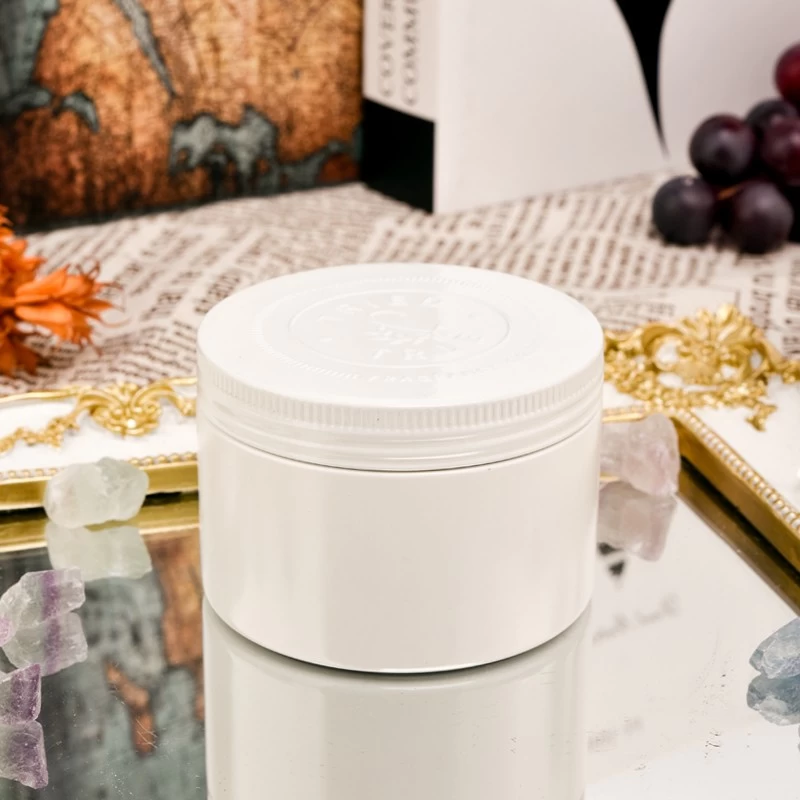
Why do minimalist candle tins appeal to modern consumers?

In recent years, minimalist design has gained popularity across various consumer markets, and this trend is particularly evident in the fields of home decoration and lifestyle products. In minimalist design, candle tins are one of the products that embody this aesthetic concept. The minimalist candle tin design style is both fashionable and simple, deeply loved by modern consumers who pursue clean lines, understated elegance, and practicality. Candle tins with minimalist design not only stand out as a packaging solution but also become a lifestyle statement.

Minimalist candle tins match modern people’s aesthetic preferences

Modern consumers increasingly favor a clean and uncluttered lifestyle, and minimalist candle tins embody this shift. Unlike ornate containers with intricate patterns, the minimalist design prioritizes clean lines, monochrome palettes, and functional shapes that blend seamlessly with modern home decor.

The rise of Scandinavian and Japanese interior styles has normalized the idea of ​​”less is more,” making candle tins with simple geometric shapes (cylinders, cubes) or matte finishes very popular. At the same time, many brands use minimalist tins to create visual harmony in spaces dominated by neutral tones and modular furniture. Additionally, 68% of younger generations in the 2023 Decor Trends Report said they would repurpose candle jars as decorations, proving that dual-use minimalism drives purchasing decisions.

Minimalist candle tins match modern people's aesthetic preferences

Candle tins are sustainable and practical.

Environmentally conscious buyers prioritize products with the least environmental impact, and minimalist candle tins are both sustainable and practical. Their simple design often uses recyclable tinplate, has no mixed materials, and is uncomplicated to dispose of. This reduces waste by 40% compared to single-use containers. The simple construction also makes these tins ideal for upcycling. TikTok tutorials showing how to convert them into planters or desk organizers often go viral, extending the product’s lifespan beyond candles.

Candle tins 92-1

Space-saving candle tins fit urban lifestyles.

With 55% of the world’s population now urbanized, compact living spaces require efficient storage solutions. Minimalist candle tins address this with stackable designs and standardized sizes (2.5″ – 3.5″ diameters dominate the market). Their lightweight construction and uniform shapes make organizing items in small apartments easy. The tin cans are strategically sized to fit on drawer dividers or shelves, appealing to city dwellers who value order. Functionality extends to travel—TSA-compliant candle tins account for 22% of luxury travel retail sales, according to the NPD Group in 2024.

Candle tins 93

The psychological appeal of minimalism

It’s no secret that minimalist design has psychological benefits that resonate with modern consumers. The clean lines and simple forms of minimalist candle jars often evoke calm and tranquility, making them ideal for creating a serene, uncluttered environment. In today’s fast-paced world, people are looking for ways to escape the chaos of everyday life, and minimalist decor, including candle jars, can be relaxing. Additionally, using minimalist candle tins can evoke mindfulness. Lighting a candle in a well-designed, minimalist jar encourages users to slow down and enjoy the present moment. This aligns with a broader cultural shift toward mindfulness and self-care, with consumers prioritizing experiences that promote relaxation and wellness.

Versatility in Branding

For candle brands, minimalist candle tins offer a unique opportunity to create a strong and memorable image while maintaining simplicity in design. Many candle brands adopt minimalist packaging to stand out in a crowded market. With fewer design elements, brands can focus on the quality of the candle itself, ensuring the product inside lives up to the high standards set by the packaging. At the same time, minimalist candle tins also allow brands to create a more cohesive, unified look across their product line. Whether they offer a variety of scents or sizes, consistently using minimalist designs ensures that each product feels part of a more significant brand identity.

The Enduring Appeal of Minimalist Design

Candle tins with minimalist designs reflect a more modern cultural trend toward simplicity, sustainability, and rational living. Their simple aesthetic, space-saving functionality and eco-friendly materials perfectly cater to the needs of the contemporary market and consumers, especially those living in urban environments or embracing a minimalist lifestyle. At the same time, their brand versatility also provides candle manufacturers with a powerful tool to enable them to achieve a certain level of competitiveness.