
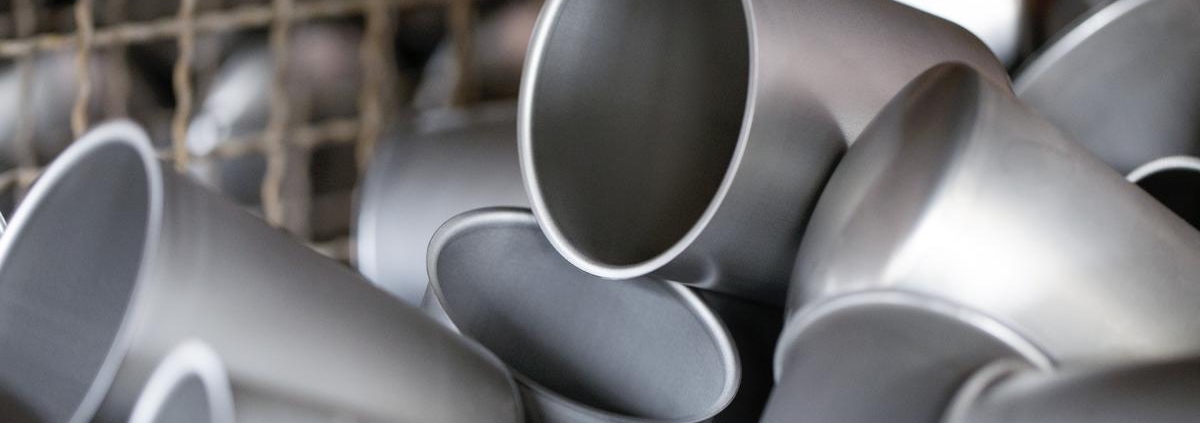
What Makes Deep-Drawn Metal Tins More Durable Than Stamped/Welded Metal Tins?
Packaging durability is not merely a technical detail; it directly impacts product protection, brand reputation, and long-term operational costs. In industries such as food, cosmetics, and confectionery, packaging must withstand the rigors of shipping, stacking pressures, and repeated consumer use without deforming or sustaining damage. This is precisely where deep-drawn metal tins excel. Unlike traditional stamped or welded containers, deep-drawn metal tins are formed from a single, solid piece of metal, resulting in a seamless and structurally stable vessel. This manufacturing process eliminates weak connection points, thereby significantly enhancing mechanical strength. Consequently, many brands opting for custom metal tins for their premium packaging are increasingly gravitating toward deep-drawn metal tins.
Manufacturing and Structural Advantages of Deep-Drawn Metal Tins
The primary distinction between deep-drawn metal tins and stamped or welded containers lies in the production process. The deep-drawing process uses a punch to press a flat sheet of metal into a die, undergoing a series of controlled forming stages to ultimately create a seamless metal can. Stamped or welded tin cans, conversely, are produced by cutting and shaping individual metal components, which are then joined together via welding or mechanical fastening. While this method can be highly efficient for certain designs, it introduces additional connection points into the internal structure. These structural differences play a pivotal role in durability. A seamless, deep-drawn structure distributes stress uniformly throughout the container. In contrast, welded seams can concentrate stress at specific locations. Over time, these stress concentrations may lead to deformation or structural failure.
Why Deep-Drawn Metal Tins Offer Superior Structural Integrity
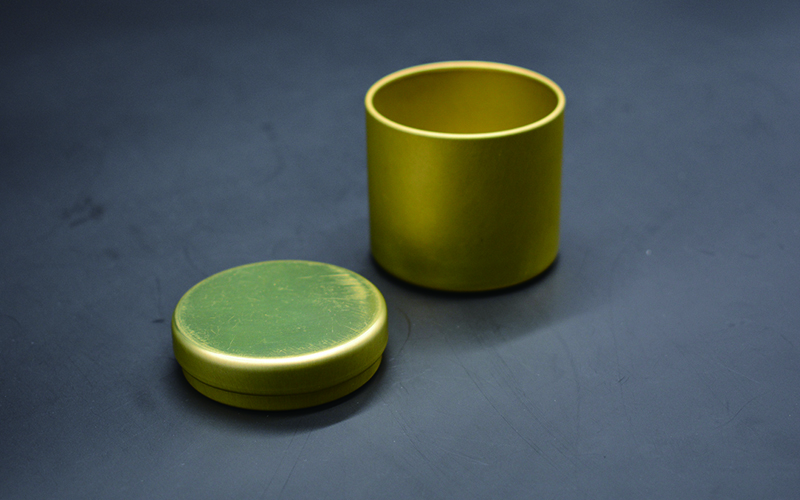
One of the most significant durability advantages of deep-drawn metal tins is their seamless construction. Because the can body is crafted from a single piece of metal stock, there are no welded seams or overlapping joints. This seamless structure offers several performance benefits. First, it eliminates weak points where cracks or leaks might otherwise develop. Welded joints in traditional tin cans can sometimes lose strength under repeated stress or environmental exposure.
Second, the seamless structure enhances resistance to deformation. When a tin can is subjected to impact or compression, the resulting stress is distributed throughout the entire structure rather than concentrated at the weld seams. Third, the seamless body contributes to superior long-term reliability. Due to the reduced number of structural interfaces, the risk of corrosion or fatigue occurring at connection points is correspondingly lowered. For high-quality, custom-made tinplate cans, this structural integrity ensures the packaging remains reliable throughout shipping, storage, and consumer use.
Dimensional Precision Ensures Reliable Packaging Performance
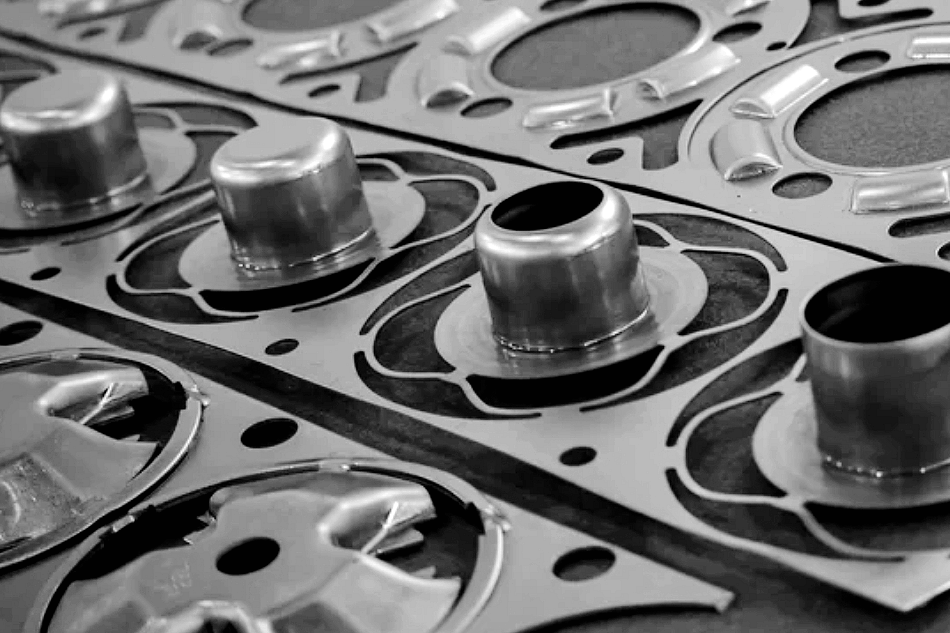
Durability is closely linked to manufacturing precision. Deep-drawn metal tins exhibit exceptional dimensional accuracy because they are formed through a meticulously controlled molding process. During deep drawing, the metal flows uniformly into the die, forming a body with consistent wall thickness and precise geometry. This uniformity enhances the container’s overall mechanical balance and mitigates the risk of localized stress concentrations.
In contrast, stamped or welded cans typically require multiple forming steps and assembly operations. Each step carries the potential to introduce slight dimensional deviations. Over time, these deviations can compromise the lid’s fit, the seal’s integrity, or the container’s structural strength. Dimensional consistency is particularly critical for custom tinplate cans destined for use in automated filling or packaging lines. Reliable tolerances ensure a secure lid seal and guarantee smooth, uninterrupted operation during high-speed production processes.
Performance, Durability, and Practical Advantages of Deep-Drawn Metal Tins
One of the most significant advantages of deep-drawn metal tins is their mechanical strength. Their seamless construction and uniform wall thickness significantly enhance their ability to withstand mechanical stress. Deep-drawn tin cans typically outperform their counterparts in impact, compression, and stacking simulations. Because the material structure remains continuous, external forces are distributed evenly across the entire container. Conversely, stamped or welded tin cans may deform near their seams under intense pressure or repetitive impacts. For brands utilizing custom tin cans to ship fragile or premium products, this enhanced mechanical strength translates into lower damage rates and superior product protection during transit.
Corrosion Resistance and Long-Term Durability
Beyond mechanical strength, environmental durability is another critical factor in packaging performance. Deep-drawn metal tin generally offers superior corrosion resistance, as its seamless structure minimizes areas where moisture can accumulate. The welded seams found in traditional tin cans can sometimes trap moisture or chemical residues, thereby increasing the risk of localized corrosion over time. Seamless containers, conversely, mitigate this risk and enhance the effectiveness of protective coatings.
Furthermore, the coating process typically applied to deep-drawn metal tins results in a more uniform finish. This improves their long-term resistance to moisture, temperature fluctuations, and other environmental conditions. For industries such as tea, confectionery, cosmetics, and specialty foods, this durability ensures that custom tinplate containers maintain both their aesthetic appeal and protective functionality throughout the entire product lifecycle.

Superior Durability
When selecting metal packaging solutions, durability should always be a primary consideration. Thanks to their seamless construction, uniform material structure, and exceptional mechanical properties, deep-drawn metal tins offer distinct advantages over stamped or welded alternatives. By eliminating weld seams, these containers reduce potential points of failure while enhancing resistance to impact, compression, and corrosion. Their precision manufacturing process also guarantees dimensional consistency and reliable sealing performance.



 Facebook
 Twitter
 Linkedin