
Are metal cigarette tins better suited for storing tobacco than standard paper packs?
We often hear brands ask a key question: When it comes to maintaining tobacco quality and the sensory experience, are metal cigarette packs truly superior to traditional paper packaging? In this industry, the flavor, aroma, and freshness of cigarettes directly determine whether consumers are willing to buy them; therefore, when selecting cigarette packaging, we must consider not only the packaging solution itself but also product quality and brand image. From the perspective of a tin manufacturer, we will compare the performance of traditional paper packaging with that of metal cigarette tins.
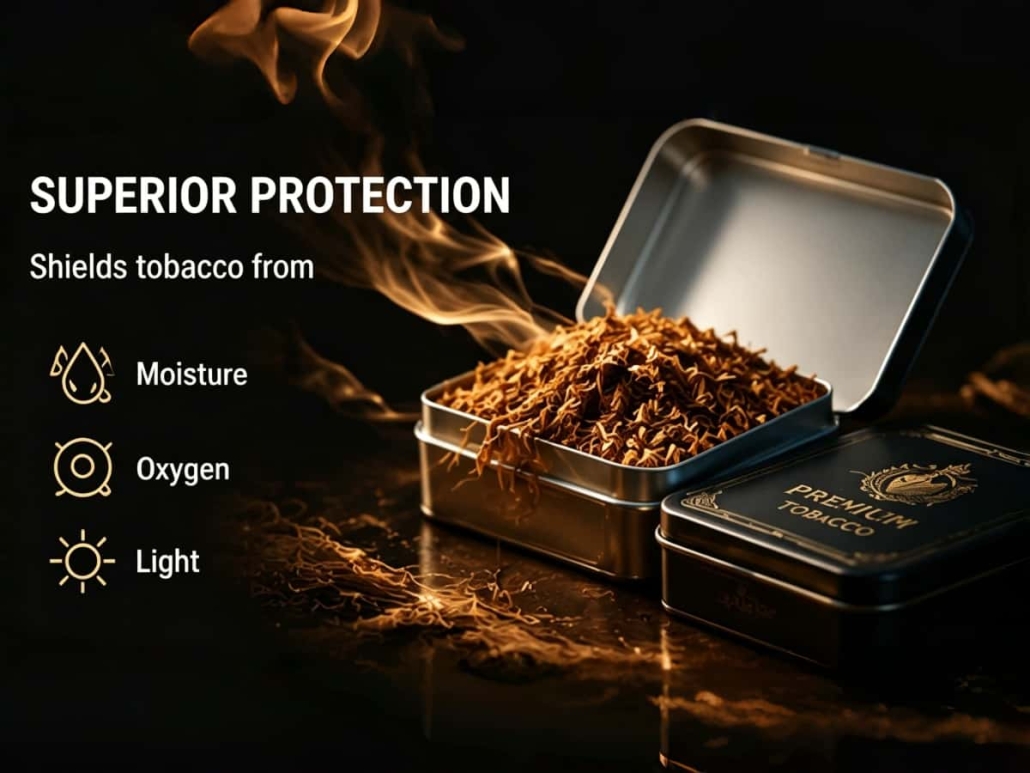
Metal Cigarette Tins Address Issues of Moisture, Oxygen, and Light
Tobacco is a hygroscopic organic material whose complex chemical composition contributes to its unique flavor and aroma. This complex composition makes tobacco extremely sensitive to environmental factors; without effective control, these factors can rapidly degrade tobacco quality and significantly shorten its shelf life.
Moisture, oxygen, and light are the primary causes of cigarette deterioration. Excessively dry tobacco becomes brittle, loses its essential oils, and results in a harsh, acrid burn; conversely, excessive moisture fosters mold growth, causes bacterial contamination, and produces an unpleasant musty odor.
Exposure to oxygen is another critical factor. When tobacco comes into contact with oxygen, its unstable compounds begin to break down, leading to flavor loss, a deteriorated taste, and a diminished aroma. Furthermore, light catalyzes chemical reactions within the tobacco, accelerating the breakdown of nicotine and other pigments, which in turn causes discoloration and further flavor degradation. Suoyi’s high-quality metal tins effectively block these three environmental threats.
Barrier Properties of Metal Cigarette Tins
The effectiveness of any tobacco packaging depends on its barrier properties. For the metal cigarette tin, thanks to the material’s inherent properties, their barrier performance offers a natural advantage.
Key barrier metrics include oxygen transmission rate, water vapor transmission rate, and light-blocking performance. The dense, non-porous structure of tinplate provides an excellent moisture barrier, preventing both the absorption of environmental moisture and the loss of internal moisture, thereby maintaining the tobacco’s suppleness and freshness. In contrast, even when specially treated or laminated, paper packaging has a high water vapor transmission rate and is less effective at regulating humidity over the long term.
Cigarette tins, on the other hand, are inherently 100% opaque, completely blocking light from reaching the tobacco. This complete opacity offers a more significant advantage over paper packaging.
Performance Comparison: Metal Cigarette Packages vs. Paper Cigarette Packages
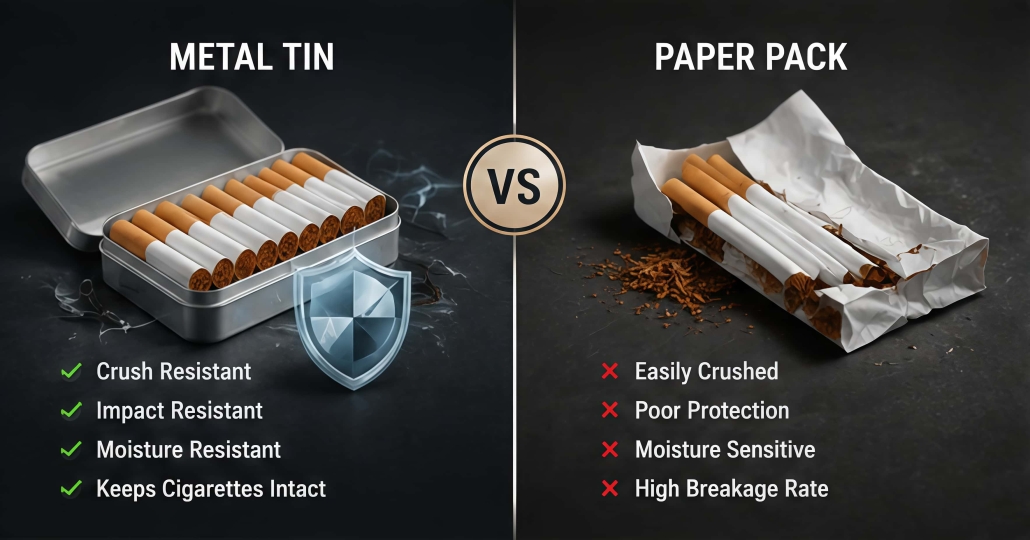
Cigarette products are subject to various impacts and physical stresses as they travel from the manufacturing plant to the consumer. During this process, metal cigarette packages offer advantages far surpassing those of standard paper cigarette packages, thanks to their inherent structural integrity. While paper packaging is lightweight and inexpensive, its ability to protect against external impacts, compression, and moisture intrusion is limited.
In contrast, cigarette tins—typically made of sturdy tinplate—offer superior durability. Their rigid structure effectively resists crushing and bending, thereby providing reliable protection for the cigarettes inside. This exceptional physical protection ensures that the product reaches consumers in pristine condition. Internal testing by TSING shows that, compared to paper packaging, tinplate packaging offers extremely high resistance to deformation, significantly reducing the product breakage rate during transportation and handling. This durability enhances the consumer experience and minimizes potential losses from damaged inventory.
Flavor and Aroma Retention: A Key Advantage of Metal Cigarette Packages
Preserving the complex flavors and aromas of tobacco is the most important function of cigarette packaging. As mentioned earlier, the volatile organic compounds in tobacco are highly susceptible to degradation caused by oxygen and moisture.
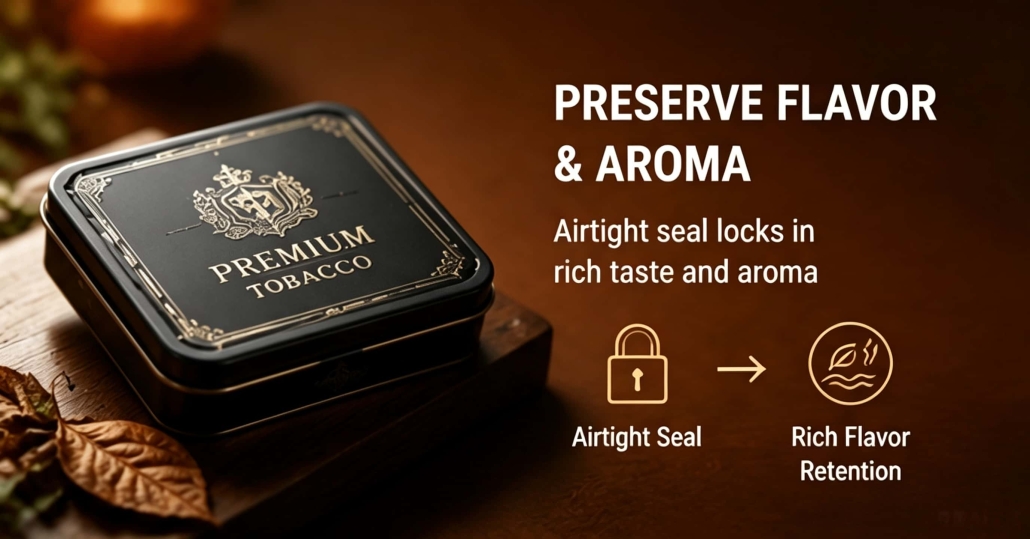
Metal cigarette tins excel in this regard due to their excellent barrier properties and airtight seals. Tinplate is dense and non-porous, effectively blocking oxygen penetration, thereby slowing the oxidation process and preventing the loss of tobacco’s distinctive taste and aroma. Additionally, metal packs typically feature tightly fitting lids and sealing mechanisms that help keep the tobacco fresh.
In contrast, ordinary paper packaging (even when lined with aluminum foil) often struggles to achieve the same level of sealing effectiveness. Paper is inherently porous, and while lamination processes can improve barrier properties, it is difficult to achieve the near-perfect seal provided by metal materials.
Shelf Life and Storage Stability
The barrier properties and physical protection offered by metal cigarette tins directly contribute to a significant extension of the tobacco’s shelf life. For both consumers and manufacturers, this long-term storage stability ensures product quality is maintained over time while reducing waste. As long as they remain sealed and stored under appropriate conditions, unopened cigarette tins can keep tobacco fresh for 5 to 10 years, or even longer. This exceptionally long shelf life clearly demonstrates that metal creates a stable microenvironment for tobacco, effectively shielding it from the adverse effects of air, moisture, and light.
In contrast, tobacco packaged in ordinary paper has a much shorter shelf life. Once opened, paper packaging offers virtually no protection, and the tobacco often dries out or loses its flavor within just a few weeks. Even when unopened, due to the paper’s poor barrier properties, the tobacco’s quality deteriorates much faster than that of tobacco stored in tin cans.

The Best Use Cases for Cigarette Tins
For premium tobacco products—including fine cigars, pipe tobacco, and high-end cigarettes—metal cigarette tins are the optimal choice. The barrier properties of metal ensure that these precious products maintain their optimal quality over the long term, thereby justifying the investment in this durable packaging.
Metal cigarette tins are also ideal for long-term storage. For collectors or consumers who purchase tobacco in bulk, the extended shelf life provided by airtight metal tins is essential. For brands seeking strong brand differentiation and a luxurious aesthetic, cigarette tin offer a wide range of fully customizable design options, including embossing techniques and premium finishes, thereby enhancing the product’s perceived value. When quality, durability, and brand image are essential factors, metal cigarette tins are the optimal packaging solution.
Optimal Applications for Standard Paper Cigarette Packages
Standard paper cigarette packs still hold an important position in specific market segments and product strategies. They are primarily suited for mass-market products intended for rapid consumption. The lower production costs and lighter weight of paper cigarette packs make them the top choice for high-volume, low-priced tobacco products. For products consumed within a short timeframe, the relatively weaker barrier properties of paper cigarette packs are generally considered acceptable, as the storage period for tobacco is not long enough to cause noticeable quality degradation.
Paper cigarette packs also offer advantages in terms of convenience for immediate use, aligning with consumers’ lifestyles that prioritize convenience over long-term storage. However, brands must recognize the inherent limitations of paper packaging. While paper cigarette packs are both convenient and economical in certain applications, they offer very little protection against moisture, oxygen, and physical damage.
Please make your choice based on your needs!
For premium tobacco products, including fine cigars and high-end cigarettes, metal cigarette tins are the best choice. Paper cigarette cases, on the other hand, are better suited for mass-market products intended for quick consumption. As a tin manufacturer, if you are a brand producing high-end tobacco or cigars, we can tailor high-quality metal packaging solutions to properly protect your tobacco products.
 Facebook
 Twitter
 Linkedin
