

Which manufacturing processes ensure that the black tins maintain consistent dimensions and shapes?
When a black tin can exhibits deformation, misaligned seams, a misaligned lid, or minor surface imperfections, the overall visual consistency is lost, resulting in a poor-quality experience. Therefore, during the production of black tins, we meticulously control every step of the process. Key processes include:
- Selecting the appropriate tinplate
- Precise cutting
- Stamping or deep drawing
- Precise trimming and curling
- Coating and curing under controlled conditions
- Dimensional inspection during production
- Proper packaging to prevent damage during transport
These manufacturing processes ensure that the dimensions and shape of the black tins remain consistent.
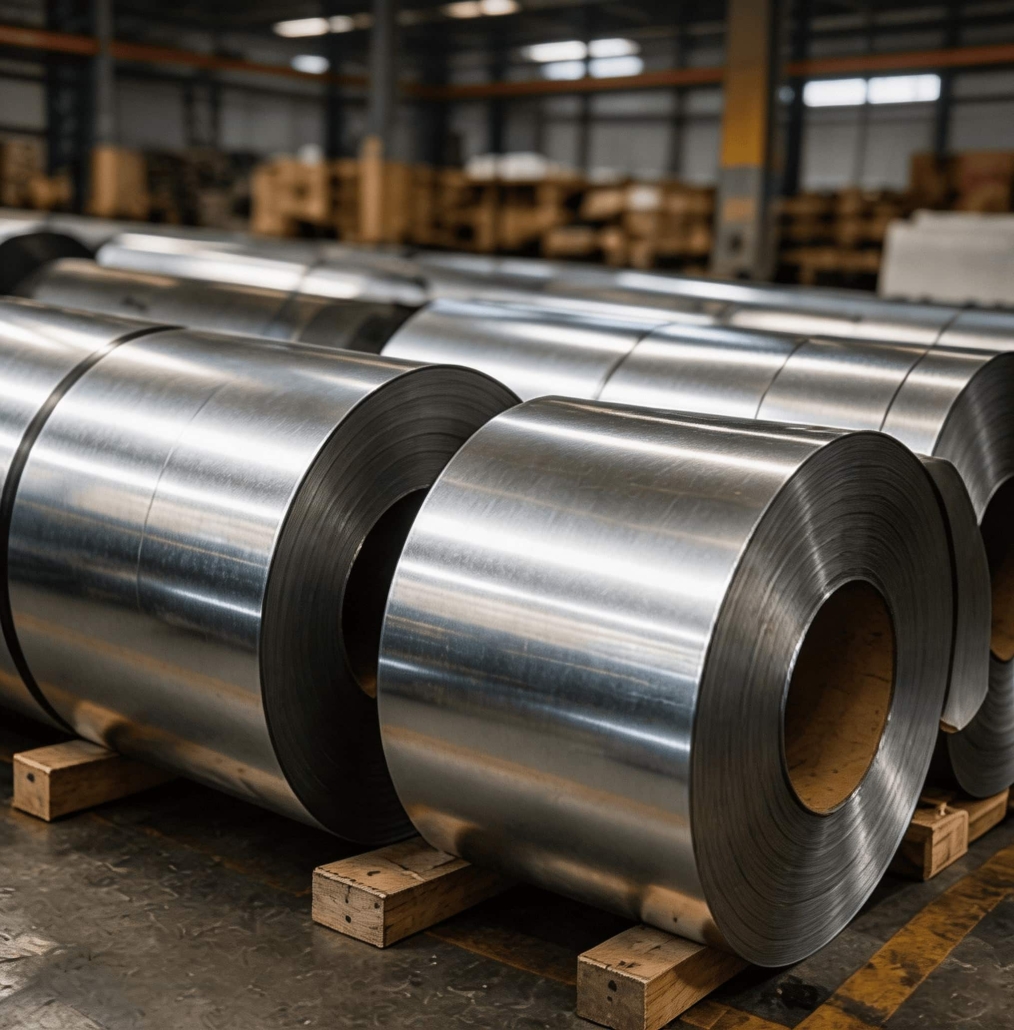
The Selection of Tinplate Determines the Dimensional Benchmark for Black Tins
As a tin can manufacturer, we select the appropriate tinplate grade, thickness, and temper based on the required structure of the black tin. This is the first step in ensuring the dimensional stability of the finished black tin can. For small black cosmetic cans, candle jars, or food cans, we choose tinplate sheets with suitable stiffness and formability to prevent the can body from deforming, shrinking, or stretching unevenly during production.
We also control the sheet metal’s surface condition before it enters the stamping line, avoiding situations where the tinplate is either too soft or too hard. Therefore, a professional tin can manufacturer uses materials that meet specific specifications rather than relying on standard stock metal. This is the foundation for ensuring consistent quality in the production of black tin cans.
Precision Cutting to Control Tin Can Shape
The second step is precise cutting. As manufacturers, we cut the sheet metal into precise blanks before stamping or drawing. Even the slightest deviation in blank dimensions can result in issues with the finished black tin can, such as uneven height, misaligned edges, or a lid that doesn’t seal properly.
Precise cutting also ensures stability during the forming process. Clean blanks provide the press with the correct starting point, helping the can body form uniformly. In fact, many shape issues stem from this stage. If the blanking is inaccurate, subsequent processes must compensate for it. Therefore, we control blanking dimensions, edge quality, and sheet positioning before stamping begins to prevent such issues.
Utilizing a Forming Process with Repetitive Shapes
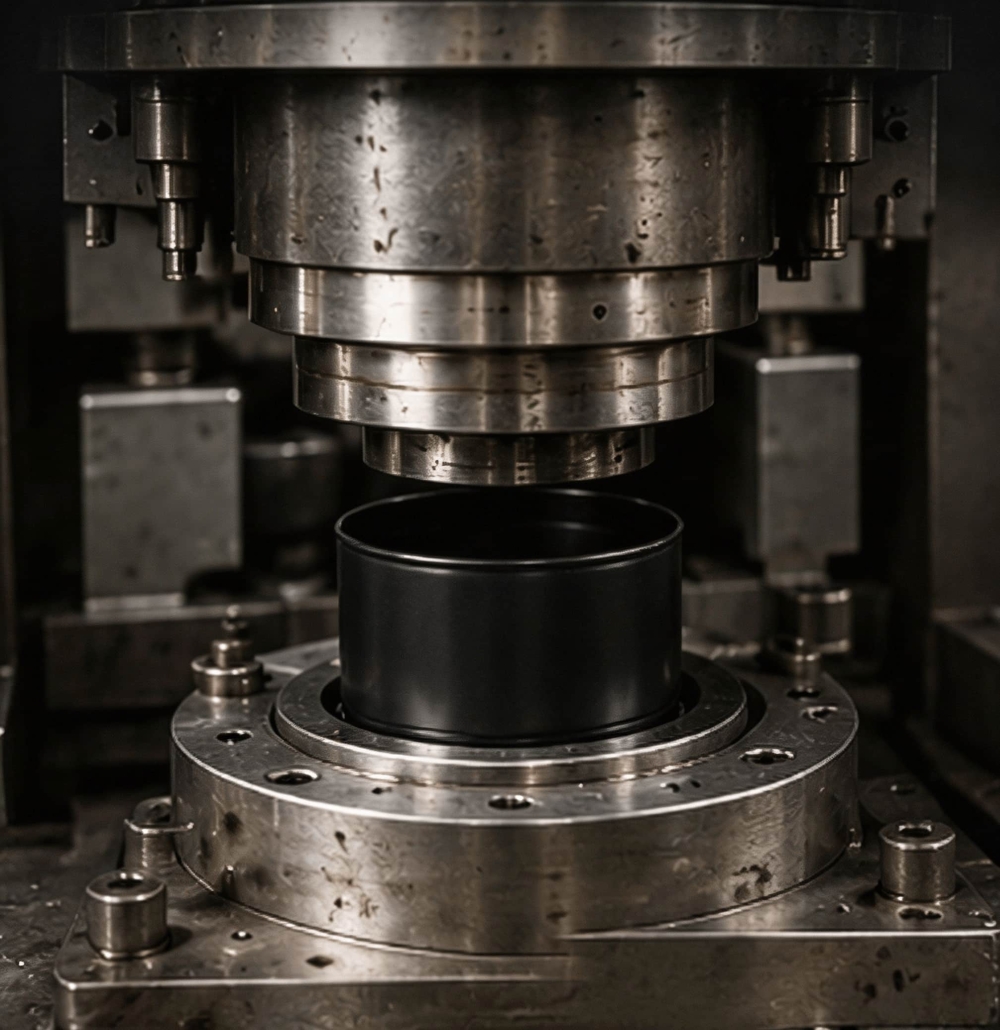
The third process is stamping or deep drawing. In this stage, the flat blank is transformed into the can body, lid, or base. To ensure consistent black tin can stamping, our stamping presses operate at a stable speed, maintain proper stamping pressure, ensure precise die alignment, and employ appropriate lubrication. Throughout the production process, we strictly control pressing parameters to minimize issues such as pressure fluctuations and die misalignment.
Trimming, Flanging, and Beading to Finalize Dimensions
The fourth process is finishing. After forming, the black tins must be trimmed to the appropriate height, then flanged or beaded to complete the edge structure. This step determines the final dimensions. If trimming is uneven, body height will be inconsistent; if flanging is inconsistent, the lid fit will vary as well; for black tin cans, edge quality directly impacts both appearance and functionality. Even if a tin can’s exterior is flawless, if the lid cannot close completely, or if the height of each container varies, this will directly affect the user experience. Therefore, in this process, our goal is not only to ensure that the edges are secure and aesthetically pleasing, but more importantly, to guarantee that the dimensions of the entire batch are completely consistent.
Coating, Inspection, and Shipping of Black Tins
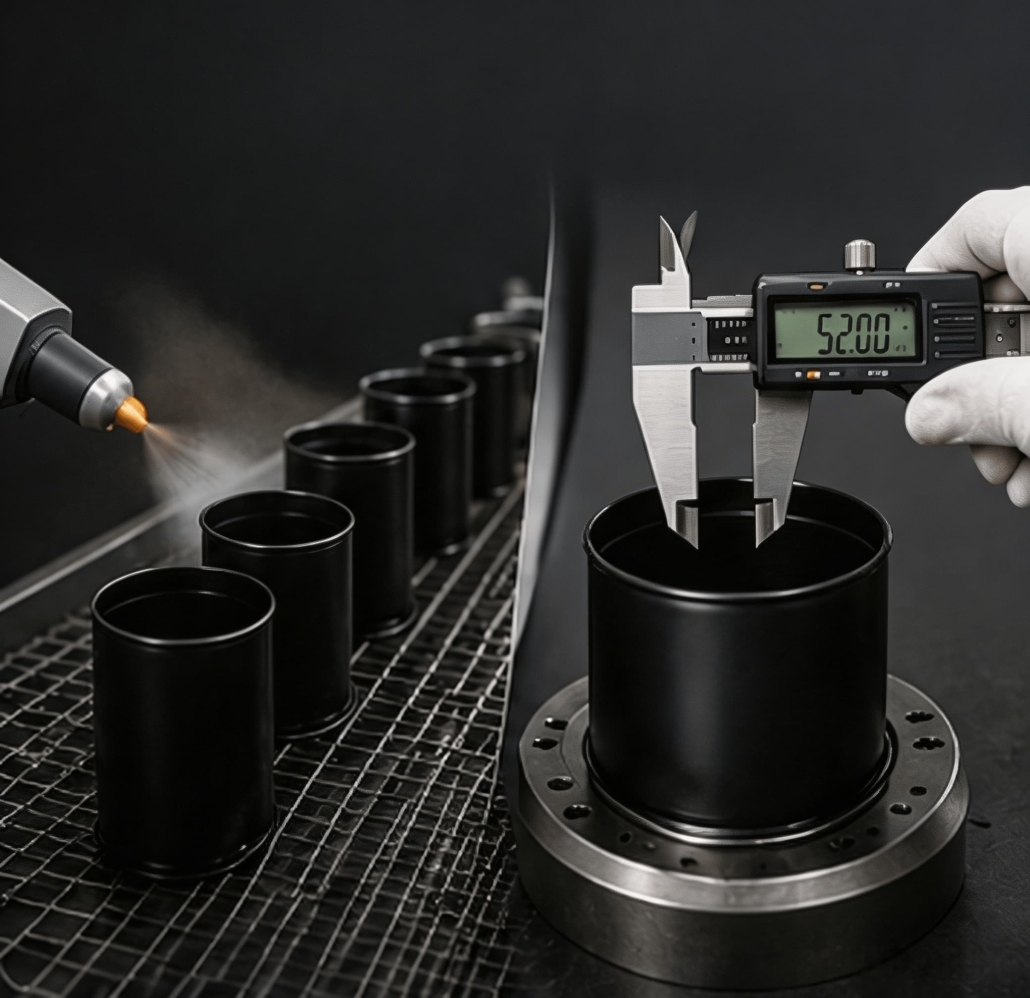
The fifth process is surface coating. Black tins can be coated using spray painting, baking, powder coating, or similar processes. During application and curing, we take great care to avoid tin can deformation caused by excessively thick coatings or high temperatures. To ensure consistency in black tins, we ensure that the surface coating supports the can’s shape rather than altering it.
This is crucial because dark coatings make surface imperfections more visible. If the coating thickness is uneven, the can will appear distorted even if the metal structure is intact. If curing temperatures are not properly controlled, the tin can may experience slight displacement after forming. For black metal cans, this can result in noticeable variations in height, gloss, or edge alignment.
Dimensional Inspection Detects Variations Early
The sixth process is inspection. We measure every batch of black tin cans after forming, after finishing, and before packaging. Inspection criteria include height, diameter, corner symmetry, lid fit, can wall alignment, and overall shape stability. This inspection process helps identify the root cause of any discrepancies. If the issue arises after forming, the press must be adjusted; if it occurs after coating, the curing process must be reviewed. Through this approach, we ensure consistent quality throughout the process, from the start of production to final shipment.
Adding Protective Packaging
The seventh step is final packaging. Even the finest black tins can become deformed if packaged improperly. Pressure from stacking, poor carton design, or improper handling can cause dents or deformation along the can edges, ultimately affecting the overall quality of the tin cans. We use dividers, cartons, and standardized stacking methods to protect the shape of the tin cans during transportation. We ensure that black tins leave the factory in pristine condition and arrive at the customer’s doorstep as a batch of products with consistent specifications.
Black Tins with Consistent Dimensions and Shape
The key to producing high-quality black tins lies in a strictly controlled production process. When material selection, mold precision, forming technology, surface treatment, and quality management work in perfect harmony, the resulting tin can packaging combines a flawless appearance, excellent structural integrity, and long-term reliability.






 Facebook
 Twitter
 Linkedin
