
Global Packaging Box Market 2025 Business Strategies
By 2025, the global packaging box market will not only expand but also undergo a transformation that will rewrite the rules of success. The industry is projected to surpass $2 trillion, with a steady compound annual growth rate (CAGR) of 5.3%. Unprecedented factors, including the booming e-commerce market, the drive toward sustainability, and consumer demand for personalized, functional packaging, are driving this. Consider this: by 2025, global e-commerce parcels will reach 3.5 trillion, with demand for corrugated packaging alone expected to surge by 12%, and 92% of shoppers now consider sustainability a key factor in brand selection. For businesses, this isn’t just about growth; it’s a call to action. The packaging market in 2025 favors agile, innovative, and purposeful companies: those who align their strategies with emerging trends such as recyclable cans, custom design, and supply chain resilience will capture market share, while others risk being left behind.
Decoding the Global Packaging Box Market Dynamics in 2025: Drivers, Challenges, and Momentum for Cans
To develop an effective packaging strategy, companies must first understand the forces reshaping the market. The core drivers are clear: the continued growth of e-commerce, demand for durable packaging in the food and beverage (F&B) industry, and global pressure to eliminate single-use plastics. In the F&B industry alone, packaging box spending is expected to reach $15.8 billion by 2025, growing at a compound annual growth rate of 4.9%, as ready meals, frozen meals, and premium snacks demand moisture-resistant, sustainable solutions. Meanwhile, Asia Pacific leads regional growth with a 41% market share, driven by China’s position as the world’s largest box producer and consumer, contributing 35% of global box production.
However, challenges remain. Raw material costs continue to fluctuate—recycled pulp prices increased by 13% in 2024—and regulatory complexity is increasing. The EU’s Green Packaging Directive requires packaging to contain 30% recycled content, while states like California and Maine in the US are enforcing Extended Producer Responsibility (EPR) laws that shift waste management costs onto manufacturers. This makes metal cans and tins strategic assets: with a 95% recyclability rate and the ability to be reused thousands of times, they not only meet sustainability standards but also provide superior protection for high-value goods such as tea, cosmetics, and pharmaceuticals.
Industry data indicates that as brands seek to combine functionality with environmental values, demand for tin cans will grow by 12% annually through 2025, outpacing traditional packaging formats. The key takeaway for businesses is clear: success depends on balancing demand for cost-effective standard packaging with investment in high-growth areas like metal packaging.

Sustainability-First Packaging Box Innovation: From Compliance to Competitive Advantage
In 2025, sustainability will no longer be a nice-to-have—it will be a necessity, and the most successful packaging strategies will transform compliance into a competitive advantage. EPR regulations now cover over 120 countries, with the US and EU leading the way: California’s Plastic Pollution Prevention Act and the EU’s Packaging and Packaging Waste Directive penalize non-recyclable designs while rewarding brands that use high recycled content. To thrive, businesses must integrate sustainability into every aspect of packaging design, from material selection to the production process.
Metal cans and tins are at the forefront of this shift. Their ability to be infinitely recycled without sacrificing quality makes them an ideal choice for brands targeting eco-conscious consumers, while innovative technologies such as ultra-thin tinplate reduce material use while maintaining structural integrity. For paper packaging, the future lies in bio-based materials: algae-based coatings, PLA adhesives, and straw fiber composites are replacing plastic laminates—areas where Chinese manufacturers hold a technological lead. Production processes are also evolving: water-based inks and solvent-free printing eliminate volatile organic compounds (VOCs), while minimalist designs reduce material waste by eliminating unnecessary secondary packaging.

Customization: The Engine of Packaging Differentiation: Meeting Individual Demands
In a highly competitive global market, generic packaging struggles to stand out—as evidenced by 2025 data: customized packaging costs 2.3 times more than standard designs, yet brands using personalized packaging experience 30% higher customer retention rates. What are the driving factors? Consumers now view packaging as an extension of the product experience: 43% consider environmental impact when evaluating packaging, but an equal number prioritize aesthetics and brand identity, particularly for gifts, cosmetics, and handmade goods. Social media has further amplified this trend—shareable, visually striking packaging transforms consumers into brand advocates, making customization a powerful marketing tool.
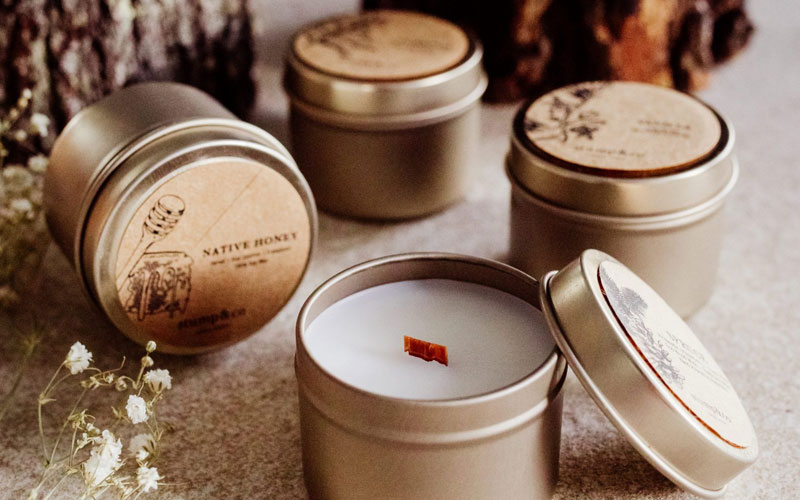
For tins and metal tins, the opportunities for customization are endless. Brands are leveraging digital printing and laser engraving to create limited-edition designs, embossed logos, and magnetic closures to enhance perceived value. For example, tea and coffee brands are turning their packaging into collectibles with customized tins featuring cultural themes or seasonal designs, while beauty brands are offering personalized cream and serum tins that double as travel essentials. Paper packaging is also seeing an upgrade in customization: digital printing enables short runs with variable data (such as customer names or order details). At the same time, 3D prototyping reduces lead times for unique shapes—critical for e-commerce brands competing on the unboxing experience.

Building a Resilient Supply Chain to Support Global Box Distribution
The global packaging box market in 2025 is fraught with uncertainty—tariffs, raw material shortages, and geopolitical unrest could all impact business operations. For businesses, supply chain resilience isn’t just talk; it’s a strategic imperative to safeguard profitability and delivery reliability. Key challenges are clear: secondary supplier risk (for example, a US box manufacturer sourcing resin from a single overseas supplier), commodity price volatility (tinplate costs increased by 8% in 2024), and regional regulatory differences that complicate cross-border sales.
To mitigate these risks, leading brands are implementing three core strategies. First, they are diversifying their supply sources by selecting multiple qualified raw material suppliers and investing in US manufacturing to avoid cross-border tariffs and delays. Second, they are implementing product-specific business continuity plans: storing spare tools in backup facilities, qualifying redundant manufacturers for complex boxes (such as those with modified atmosphere packaging), and proactively replacing materials facing regulatory scrutiny. Third, they are adopting the “Packaging as a Service” (PaaS) model, which allows companies to outsource inventory management and fulfillment, reducing operating costs and ensuring flexible production capacity.
Technology Drives Production and Design Efficiency
Technology is the backbone of the most effective packaging strategies in 2025, driving efficiency, quality, and innovation across the entire value chain. From automation to the Internet of Things (IoT), technology investments are helping companies reduce costs, meet customization demands, and stay ahead of regulatory changes. The data speaks for itself: packaging manufacturers using automated production lines have reduced labor costs by 25%, while IoT-enabled innovative packaging has captured 18% of the market share, up from 11% in 2023.
Automation is transforming production methods: Robotic arms fold and assemble corrugated packaging, while digital printing presses deliver high-quality, versatile designs without the need for expensive printing plates. For metal cans, CAD and CAM technologies ensure precise dimensions and consistent quality, while laser engraving systems add anti-counterfeiting features (such as QR codes) to enhance brand security. The Internet of Things is also revolutionizing the function of packaging: RFID tags enable real-time tracking of goods, temperature-sensitive labels alert retailers to spoilage in food and beverage packaging, and smart sensors in metal cans monitor the freshness of premium products like coffee and wine.
Integrating Strategies to Power Packaging Success in 2025
The global packaging market in 2025 will be a fertile field of opportunity for companies willing to adapt, innovate, and adjust their strategies to market changes. The core pillars of success are clear: sustainability is essential, customization drives differentiation, supply chain resilience mitigates risk, and technology enhances efficiency. Metal cans and tins will play an increasingly important role, leveraging their recyclability and versatility to capture market share in high-growth sectors such as foodservice, beauty, and high-end gifting. Meanwhile, paper packaging will continue to evolve as bio-based materials and digital customization develop to meet the needs of e-commerce and retail.
 Facebook
 Twitter
 Linkedin