Square-Metal-Tins-6

Square Metal Tins with Window: Balancing Product Visibility and Barrier Performance

According to a report by the Food Marketing Institute (FMI), 68% of American consumers choose visible products over opaque ones because visibility builds trust (allowing them to check freshness, texture, or color before purchase). Therefore, for tin can manufacturers, square metal tins with windows are the solution, allowing customers to see the product without compromising its protection. These tins combine barrier properties (moisture, oxygen, and tamper resistance) with the product display capabilities of a clear window.

Why Square Metal Tins with Windows Solve Packaging’s Biggest Pain Point

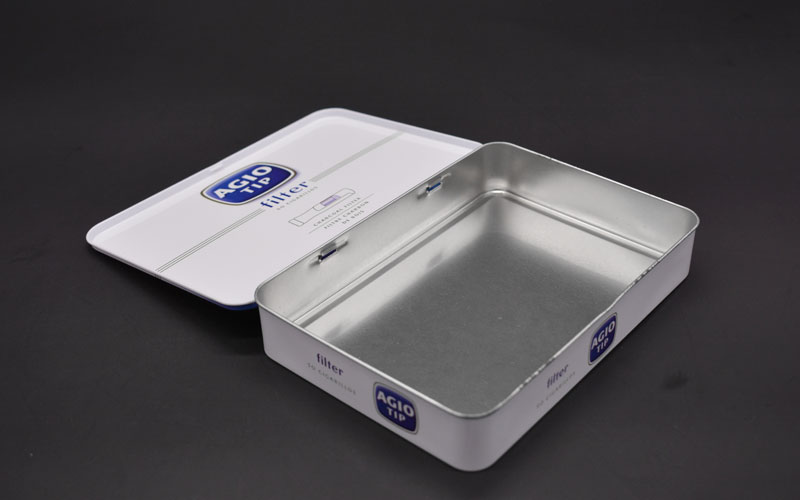
From food to cosmetics to crafts, brands across various industries often face a dilemma when it comes to packaging: prioritize visibility or protection. Square metal tins with windows address this dilemma by solving three core pain points. First, they build consumer trust: The clear window allows buyers to inspect the product without opening the can. Second, they retain metal’s unparalleled barrier properties: Unlike plastic containers, which allow oxygen or moisture to penetrate, square metal cans block 99% of oxygen and 95% of moisture, keeping products fresh for months. Third, their square shape maximizes storage efficiency—both for brands and consumers. Tsing, a bulk supplier of square metal tins, offers 4-ounce, 8-ounce, and 16-ounce windowed square metal tins to meet a wide range of needs, from small batches of gourmet nuts to large craft kits.

Why Square Metal Tins with Windows Solve Packaging's Biggest Pain Point

How can a square metal tin’s window design enhance product visibility?

Not all square metal tins with windows are created equal—the window’s location, material, and size directly impact the product’s presentation. First, consider placement. Tsing, a bulk supplier of square metal cans, typically offers three options: top window, front window, or full-panel window. For example, a chocolate brand might choose a top window to showcase the glossy coating on its truffles, while a stationery brand might use a front window to highlight a custom sticker inside.

Next, consider the material of the window. PET is the most popular choice because it’s shatterproof, scratch-resistant, and food-safe, which are crucial for edible products. PVC is also a more cost-effective option for non-food products, such as crafts. Finally, window size is also essential. Generally, a 2×2-inch window is suitable for small items, such as mints, while a 4×4-inch window is more suitable for larger items, like cookies. We recommend that customers test window sizes with their products to ensure the window showcases the product’s best features while not compromising the structural integrity of the square metal tin.

How can a square metal tin's window design enhance product visibility

Product Safety Even with a Window

Of course, many users ask whether adding a window will affect the barrier properties of a square metal tin. Our answer is no—provided it’s designed and tested correctly. The reason is that Tsing’s square metal cans are made from tinplate, a material that has been widely used in packaging for decades for its ability to create an airtight, moisture-proof seal. Furthermore, when adding a window, the bulk square metal tin supplier uses a two-step process to maintain the seal: First, a precise opening is cut into the can body or lid. They then bond the window material to the can using a food-grade adhesive and a pressure seal. This bond is tested to ensure it provides a barrier to moisture and oxygen.

We tested square metal tins with windows by exposing them to 90% humidity for 30 days; the results showed no moisture leakage, and the products inside, such as dried fruit, remained fresh. Furthermore, the metal walls of the square metal cans still provide physical protection. Unlike plastic containers that break when dropped, square metal tins with windows can withstand minor impacts without damaging the product inside.

Key Considerations When Purchasing Square Metal Tins with Windows

First, if your product is edible, prioritize food safety by ensuring your supplier uses food-grade tinplate and food-safe window adhesive. A good supplier will provide third-party certification to prove this. Second, discuss customization needs: Do you require branding on the tins? Can the supplier adjust the size or position of the window?

Third, ask about the minimum order quantity (MOQ): Bulk square metal can suppliers typically have lower MOQs for standard sizes, such as 3,000 for a 4-ounce can, but higher MOQs for custom designs, such as 5,000. Fourth, request samples to test the can’s durability and window clarity. Finally, inquire about delivery times: Standard square metal tins with windows typically ship within 2-3 weeks, while custom orders may take 4-6 weeks. Planning ensures you don’t run out of packaging during peak production periods.

Industry-Specific Uses

Square metal tins with windows excel across various industries because they can adapt to different product needs. First, in the food industry, gourmet snack brands typically use 6-ounce to 12-ounce cans for nuts, cookies, or chocolates, allowing customers to experience the freshness and quality of their products firsthand. For example, a caramel brand used square cans with a window on the top to showcase their golden caramel products, which boosted in-store sales. Next, cosmetics and personal care products. Soap and candle brands are using 8-oz to 16-oz jars with front windows to showcase the product’s color and texture.

Third, crafts and hobbies. Some suppliers of beads, buttons, or gadgets use 4-oz to 8-oz jars with windows, allowing crafters to check the quantity and style of the items inside. Furthermore, one jewelry brand even uses miniature 2-oz square metal jars with windows to package earrings, making them easy to display on store shelves. In each case, the jar’s window promotes sales, while the metal shell protects the product.

Square Metal Tins 4

Balancing Visibility and Barrier Performance

The windowed square metal tin solves a simple yet powerful problem: allowing customers to see their purchase at a glance while ensuring its safety, freshness, and integrity. For brands, this means higher sales, greater customer trust, and reduced waste. For consumers, it means confidence in their purchase, knowing exactly what’s inside and trusting the square metal jar to maintain optimal condition.

custom-tin-cans-5

What is the cost impact of one-piece vs. multi-part molds for custom tin cans?

For brands looking to expand their custom can orders, as well as manufacturers purchasing in bulk, the choice between a one-piece mold and a multi-part mold is a key cost driver to consider. Industry data from various mass-customized can suppliers indicates that this decision significantly impacts the total cost of custom tin cans over the medium and long term. In a market where consumer product margins are typically low, a mismatch between mold type and demand can erode profits. At the same time, a strategic choice can free up resources for product innovation or quality improvements.

The Cost of One-Piece vs. Multi-Part Molds for Custom Tin Cans

When ordering custom tin cans, the first cost hurdle is mold development, and the upfront investment required for the two mold types varies significantly. One-piece molds have a higher initial cost because they form the entire custom can—the body, base, and often the lid—in a single press. This integrated design requires precise manufacturing to avoid defects such as uneven walls or structural weaknesses, which increases development costs. In contrast, multi-part molds divide production into separate steps: one mold for the body, another for the base, and a third for the lid. This segmented approach simplifies engineering design, thereby reducing upfront expenses.

For small-batch custom tin can orders, the lower initial investment of a multi-part mold often makes it a more palatable option. However, suppliers of mass-customized tin cans emphasize that businesses should not evaluate upfront costs in isolation. For brands with consistently large order volumes and strong demand, the long-term cost savings from faster production or reduced waste with a one-piece mold can ultimately offset its higher initial cost.

Production Efficiency and Labor Costs for Mass-Customized Tin Cans

Production Efficiency and Labor Costs for Mass-Custom Tin Cans

Once manufacturers develop the mold, production efficiency and labor costs become key factors in the total cost of a custom tin can. A one-piece mold offers a clear advantage in this regard. It produces a complete custom tin can in a single step, eliminating the need to assemble separate components. This simplifies the production line, reducing the time and labor required to assemble the can body. Multi-part molds, on the other hand, require additional steps to sew the base to the body and attach the lid, either manually or through automated assembly. These extra steps increase production time and labor, thereby increasing overall costs.

Furthermore, a one-piece mold reduces the risk of assembly errors, such as misaligned seams that could cause leaks or structural issues, thereby minimizing the need for rework. As a custom can supplier, we understand that multi-part molds are more prone to assembly-related defects, while one-piece designs have a significantly lower defect rate. For brands ordering custom cans in bulk, the saved production time and reduced rework result in significant cost savings across the entire order.

Tinplate

Material Waste and Cost Efficiency

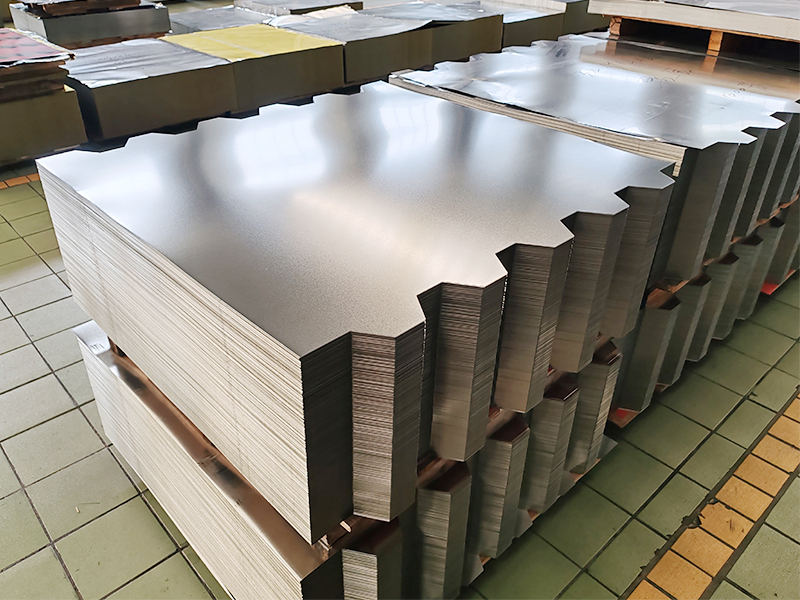
Material waste is a hidden cost driver for custom tins, and the type of mold directly impacts the amount of unused metal. One-piece molds use a single sheet of tinplate to form the entire can, minimizing the need for cutting and reducing scrap. This efficient material utilization lowers the overall raw material cost associated with production. However, multi-part molds require a separate sheet of tinplate for each component (can, body, base, and lid). The cutting pattern for each component generates additional scrap, resulting in higher material waste. Therefore, one-piece molds consistently offer better material efficiency because their integrated design eliminates the additional waste associated with cutting and forming individual components. For brands prioritizing sustainability, reducing waste also aligns with environmental goals, enhances brand reputation, and reduces costs.

Balancing Order Volume and Cost

When choosing between a one-piece mold and a multi-part mold for custom tin cans, the most crucial factor is order volume, as it determines when the upfront investment translates into long-term cost savings. For small-volume custom can orders, multi-part molds are generally more cost-effective. Their lower initial investment offsets the higher unit cost due to additional labor and material waste. However, for larger orders, the advantages of a one-piece mold become more pronounced. This is because the higher upfront cost of a one-piece mold is offset by lower unit costs: faster production speeds reduce labor costs, greater material efficiency reduces raw material expenses, and lower defect rates minimize rework.

Balancing Order Volume and Cost

Long-term Mold Maintenance and Durability Costs

Mold costs aren’t limited to initial development; maintenance and durability play a key role in the long-term expenses of custom can production. One-piece molds have fewer components than multi-part molds because they don’t require separate tooling for each can part. This simplicity means that one-piece molds require less frequent maintenance, as fewer parts necessitate cleaning, calibration, or replacement over time. Furthermore, multi-part molds require more frequent maintenance due to their numerous components and assembly-related stress points.

Each separate mold for the can body, base, and lid requires individual maintenance, and assembly wear and tear can shorten its lifespan. However, one-piece molds tend to be more durable and last longer over repeated production cycles than multi-part molds. This durability reduces the need for mold replacement, a significant long-term cost. For brands that place continuous custom can orders over many years, the lower maintenance and replacement costs of one-piece molds can result in significant savings.

Balancing Mold Selection

The cost implications of one-piece versus multi-part molds for custom tin cans require balancing the initial investment, production efficiency, material waste, and long-term maintenance with your specific needs. Small brands or those with infrequent, low-volume orders may find multi-part molds more cost-effective. Large brands or those with continuous, high-volume custom tin can orders will benefit from one-piece molds because the lower labor, material, and maintenance costs over time can offset the higher initial investment.

personalized tin box 1-5

Minimum order quantity strategy for personalized tin box for big brands

Tin cans are durable, suitable for gift giving, and serve as a brand touchpoint long after the product has been used. However, personalized tin box require molds, printing setups, sourcing metal coils, and finishing. These cost drivers make minimum order quantities a significant business variable. The upfront costs of designing custom cans, including mold cavities, embossing/debossing tools, printing plates, and pre-coating, are substantial. Spreading these fixed costs over too few units drives up the unit price and erodes the return on investment of premium campaigns. Conversely, producing too many units at once incurs significant inventory carrying costs and increases the obsolescence of limited-edition designs, necessitating a more strategic approach to ordering.

Why is 3,000 pieces the benchmark minimum order quantity for a personalized tin box?

For mainstream brand projects, Tsing recommends a minimum order quantity of 3,000 pieces, which generally balances these costs. Fixed costs in production include the upfront expenditure for molds, printing plates (for lithographic or offset printing), and rolling or drawing dies for more complex parts. Molds have long lifespans, but initial capital costs vary widely—small, simple round cans can be molded with standard molds, while shaped specialty cans with multi-layer embossing require precision machining, which can be costly.

For most bulk can packaging suppliers, amortizing these mold costs over a 3,000-unit volume keeps per-unit mold costs manageable and justifies the use of advanced surface finishes, such as multi-color offset printing or soft-touch lamination. Why is 3,000 units a reasonable inflection point? At a volume of around 3,000 units, mold amortization, printing efficiency, and logistics costs for most mainstream custom can projects fall to acceptable levels, resulting in competitive unit costs while retaining flexibility for seasonal SKUs or market changes.

personalized tin box 1-6

The Impact of Design, Artwork, and Manufacturing on Personalized Tin Box MOQ Planning

Design choices have a significant impact on the calculation of the minimum order quantity (MOQ) for a personalized tin box. Simple designs can lower MOQs because they reduce plate complexity. Conversely, complex patterns, multi-point varnishing, soft coatings, or heavy embossing increase both fixed and variable costs. When your artwork uses a limited palette and avoids tight registration at seams, you can minimize plate changes and reduce the number of required printing stations. This not only shortens makeready time but also enables suppliers to produce smaller, more economical batches.

Additionally, embossing or debossing requires a separate die and often necessitates a secondary production step. If embossing is critical to your brand, consider die costs and the associated minimum production volume your custom can supplier will accept. In many factories, the height and complexity of embossing can result in minimum order quantities exceeding 3,000 pieces, unless the supplier can reuse the die for multiple SKUs or campaigns.

The Impact of Design, Artwork, and Manufacturing on Personalized Tin Box MOQ Planning

Phase-Based Ordering Strategies for Brands

Phase-based ordering can mitigate risk, validate demand, and optimize cash flow, while still leveraging supplier economics when scaling to batches of 3,000 pieces or more. The first phase can be a pilot and validation phase. Start with a small pilot to verify market acceptance. Pilots may have higher unit prices, but they provide real-world data, including retail sales, point-of-sale feedback, and social media engagement. Companies use pilot programs to confirm product fit, finished product quality, and product artwork; they then make refinements before establishing a larger minimum order quantity.

The second phase involves mechanical mass production (with a baseline of 3,000 pieces). If the pilot achieves its targets, the minimum order quantity (MOQ) is expanded to the recommended 3,000 pieces. This volume typically reduces unit costs by decentralizing tooling and setup, while also avoiding excessive inventory. The final phase enables scalable replenishment and SKU expansion, with successful SKUs transitioning into a regular replenishment cycle. For multi-SKU campaigns, base molds can be reused, with mold plates swapped out for variants.

Supplier Selection and Quality Assurance

Choosing the right bulk tin packaging supplier is crucial for an effective MOQ strategy. Suppliers vary in terms of technology, material sourcing, regulatory compliance capabilities, and flexibility in production capacity. Major brands must prioritize suppliers that offer consistent quality, reliable delivery times, and transparent cost breakdowns.

To this end, tin packaging suppliers can be evaluated across four key areas: printing technology, post-press capabilities, tooling capabilities, in-house testing laboratories, and the ability to manage food contact coatings. Of course, you also need to consider the quality assurance agreement to understand whether they conduct print run sampling, in-line color measurement, and mechanical testing of seams and closures (lids and hinges). Personalized tin boxes orders of 3,000 or more require a written acceptance plan that includes tolerances for cosmetic defects, coating adhesion testing, and full batch traceability. For global brands, compliance is a non-negotiable requirement. Ensure your supplier provides documentation demonstrating compliance of food contact coatings with FDA or EU regulations, as well as RoHS and REACH declarations for any chemical substances.

Tinplate

Implement a Robust MOQ Ordering Strategy

A minimum order quantity (MOQ) strategy for personalized tin boxes for major brands requires a balance between tooling economics, design complexity, risk management, and marketing agility. A 3,000-piece MOQ provides a reliable starting point for many mainstream personalized tin box projects: it spreads setup costs, improves printing efficiency, maintains competitive unit pricing, and preserves the ability to iterate on creative and marketing strategies. However, the right MOQ for your brand depends on the specific design, coating, regulatory restrictions, and global distribution network.

Common Questions in Purchasing

Q1. Why is the recommended minimum order quantity for personalized tin boxes 3,000 pieces?
A1: 3,000 pieces typically balances mold and setup amortization, printing efficiency, and logistics costs. This reduces unit mold costs, improves printing efficiency, and ensures reasonable compliance testing and coating processes. Smaller batches are possible, but the unit price is generally much higher unless a pilot is conducted and subsequent batches are agreed upon.

Q2. Can I produce multiple designs without paying the full mold cost for each design?
A2: Yes. You can reuse the base mold and switch to different plates, embossing dies, or coatings to create a variety of designs. Additionally, consider negotiating with your bulk tin packaging supplier for multi-SKU mold combinations to spread the costs across different SKUs.

Q3. How does material selection affect minimum order quantities and costs?
A3: Material selection (tinplate vs. aluminum, thickness specification, food-grade lacquer) affects both fixed and variable costs. Special metals and coatings often increase the effective minimum order quantity due to increased setup complexity and curing requirements.

cookie tins 9-1

How to avoid printing deformation and stripes when printing on cookie tins?

Cookie tins are more than just containers for cookies; they are the first impression of a brand, a gift worth giving, and a symbol of product quality. Print distortion, banding, or streaking on the lid or body of a tin can can have immediate consequences, including reduced shelf appeal, customer complaints, and sometimes even expensive rework. To address these printing issues, Tsing, as a tin can manufacturer, utilizes advanced printing technology, including a German digital letterpress CTP workflow, CET international standard color printing, and Japanese Fuji printing presses. This equipment and these standards, when properly applied, can significantly reduce color mismatches and mechanical artifacts.

Preventing Printing Artifacts in Cookie Tins with Prepress and Design

Most printing issues stem from prepress decisions. Careful design of artwork and die lines can significantly reduce the likelihood of streaking, moiré, or noticeable distortion after ink contacts the metal. Cookie tin are often cylindrical, rectangular, or compound curved surfaces. When applying patterns to curved panels or lid edges, vector geometry and image tiling must consider stretching and seam placement. Use die lines that conform to the actual shape, generated from a 3D wrap or flat pattern provided by the cookie tin manufacturer, rather than a generic flat template. When designing lids, avoid using precisely straight horizontal bands in seam areas, as seams and embossing can create reflections that cause any slight misalignment to appear as visible streaks. Also, avoid using fine banded gradients or extremely fine halftones in areas where the print path skirts seams, sequins, and hems.

Substrate preparation and surface treatment to avoid irregular ink flow

The behavior of ink on metal depends primarily on the surface of the substrate. Inconsistent substrate preparation is the primary cause of post-print distortion and streaking. Tinplate and aluminum alloys vary in thickness, embossing, and substrate surface treatment. Variations in coil thickness or surface roughness can result in localized differences in ink distribution and drying, which may manifest as streaking. When purchasing bulk tin packaging, specify tight coil tolerances and request a coil test certificate to ensure the packaging’s quality. For critical, high-end printed cookie tins, consider pre-selecting coils from the same production batch to minimize surface variations.

Oil or contaminants can cause inconsistent ink beading and drying, creating repellent areas. Therefore, coils must be degreased and cleaned before printing. Tinplate and some aluminum products require passivation to stabilize the surface and ensure ink adhesion. Use a tested primer or conversion coating that matches the ink system and final finish. Inconsistent primer thickness can lead to localized variations in ink absorption and may cause streaking. Many printed cookie tins require a primer or undercoat to achieve a uniform white background, ensuring color accuracy. Tsing uses the CET standard color workflow to ensure consistent primer application and colorimetry across all jobs.

Substrate preparation and surface treatment to avoid irregular ink flow

Printing Technology, Press Setup, and Mechanical Stability for Cookie Tins

Factors in the printing process are the most direct cause of banding and distortion. Even with perfect prepress preparation and substrates, poor press setup can lead to visual defects on printed cookie jars. Different printing technologies are suitable for different effects. Offset printing achieves high-fidelity image reproduction, gravure printing creates deep, solid, and metallic finishes, and digital letterpress printing offers fast color changes and stable registration. Tsing uses German digital letterpress CTP presses and Japanese Fuji printing presses, both industry-proven platforms for high-precision tin can printing. Uneven printing plates often cause streaks, so we regularly maintain cylinder profiles, check gravure screens for wear or clogging, balance nip pressure on the cylinders, and promptly replace worn rubber or blanket cylinders.

Printing plates produced using CTP minimize prepress variations. However, plate mounting and cylinder concentricity remain crucial. Improper plate mounting, slight tilt, or uneven plate tension can result in repetitive streaks in the design. Tsing’s German digital letterpress CTP and CET standards ensure rigorous control at this stage.

professional-printing-machine

Color management, CET standards, and spectral control eliminate visible streaks.

Streaks are often more noticeable when colors shift or when adjacent tones have different spectral reflectances. Strict color management can prevent noticeable streaks. Therefore, during the printing process, we employ international standard workflows and ICC profiling in accordance with the CET standard. To achieve repeatable results on printed cookie tins, we calibrate the press to the ICC profile based on the precise substrate, primer, and ink set. We create press characteristics and generate linearization curves under production conditions to minimize tone mapping shifts and avoid visible banding.

For spot colors on cookie tins, we use standardized spot color formulas and control the dispersion of metallic pigments. We also avoid over-coverage of metallic colors in seams or embossed areas. If such specialized colors are critical, we utilize dedicated printing stations and print-side samples to prove the metallic appearance, thereby preventing unexpected results.

Process control, inspection, and finishing ensure high-quality production runs.

Quality assurance practices can detect and prevent banding before full production, ensuring that printed cookie tins are shipped defect-free. As a professional tin manufacturer, we install high-resolution cameras with line scan capabilities to detect banding, color variations, and register drift in real time.

We also utilize SPC tools to correlate ink density, temperature, and machine settings with defect rates. When streaks are detected, the corresponding timestamp history is checked for signs of unstable operation, cylinder temperature variations, or plate anomalies. Post-press processing stages, such as varnishing, UV curing, and embossing, can mask or amplify printing defects. For example, a thick varnish layer can reduce noticeable banding by providing an even surface gloss, but uneven application can create new streaks. Therefore, embossing the printed surface changes reflectivity, and proper alignment and placement of the embossing die are crucial to avoid highlighting minor registration errors.

Bringing Perfect Printing to You

Avoiding print distortion and streaking on cookie tins requires a systematic approach, starting with high-quality artwork and die lines, controlling the substrate surface, configuring appropriate printing technology and settings, applying strict color management, and adhering to a CET-compliant workflow. This is completed with process control and robust post-press finishing. Tsing eliminates common root causes of streaking and distortion by utilizing German digital letterpress CTP, CET-compliant color printing, and Fuji printing presses from Japan.

Custom-Metal-Tins-2-3

Costs and Advantages of Custom Metal Tins vs. Standard Metal Tins

Choosing between custom metal tins and standard metal tins is more than just a packaging decision; it’s a strategic business decision that impacts brand positioning, unit economics, logistics, and sustainability claims. For bakers, confectioners, and cosmetics brands across various regions and countries, product packaging is often the first point of contact. Furthermore, the cost of a custom metal tin is a significant component of product economics: processing, decoration, and certification add upfront costs that must be recouped through pricing, production volume, or operational cost savings.

Material, Geometry, and Surface Finish Selection Determine Custom Metal Tins Cost

The most direct factors determining custom metal tin cost are material selection, can geometry, and surface finish. Common choices are tinplate and aluminum. Tinplate is a strong and durable material, economical to produce in large quantities, and widely recyclable. Aluminum is lighter and corrosion-resistant, but typically costs more per kilogram. For products requiring extremely low migration rates or specific recyclability claims, buyers sometimes opt for specialty alloys or specify higher-grade coatings, both of which increase costs.

Furthermore, complex shapes such as square tins, hexagonal tins, curved lids, or tins with internal dividers require more complex molds and additional processing steps, which increase mold costs and unit production time. Meanwhile, special decorations and effects such as printing, embossing, debossing, and hot stamping can be powerful brand differentiators. Full-color offset printing on can bodies is cost-effective in high-volume production, but requires setup costs for cylinders or printing plates. Digital printing can reduce setup costs, but increases unit costs in large-scale production. Metallic foils, smooth varnishes, and tactile embossing can create a premium shelf presence, but also increase material and processing costs.

Material, Geometry, and Surface Finish Selection Determine Custom Metal Tins Cost

The costs vary depending on molds and minimum order quantities.

The defining difference between custom and standard metal tins lies in the mold and production setup. Mold costs are a capital expense that manufacturers amortize over the initial production run; therefore, minimum order quantities (MOQs) and lead times are central to cost planning.

Custom molds for can bodies, lids, and special features require upfront mold costs, which vary depending on complexity. Simple round can body and lid molds are moderately expensive; multi-stage molds for nested lids, embossing, or internal dividers are more expensive. If the mold costs $6,000 and you expect to produce 12,000 cans annually, factor this amortized cost into your unit cost model. Furthermore, custom molds imply minimum order quantities. Small brands often face minimum order quantities of several thousand per SKU for fully customized metal cans.

The Brand Impact and Commercial Advantages of Custom Metal Tins

Beyond the cost of raw materials, custom metal tins offer commercial value that differs from standard tins. They can increase conversion rates, increase prices, reduce damage, and enhance the brand image of reusability. Whether on the shelf or on e-commerce platforms, a custom metal tin instantly distinguishes a product from its competitors. Visual effects like embossing, hot stamping, and glossy lacquer create a tactile and visual sense of premium. Retail test data frequently shows that attractive secondary packaging can boost perceived value and conversion rates, sometimes by double digits.

For high-end or gift categories, brands can typically add a 10% to 40% markup to cover higher packaging costs, significantly improving profit margins if demand remains price-elastic. Furthermore, the reusability of high-quality metal tins enhances brand awareness and supports sustainability. When consumers can easily reuse or recycle their tins, they perceive greater value and are more likely to justify the higher price.

The Brand Impact and Commercial Advantages of Custom Metal Tins

Supply Chain, Regional Logistics, and Regulatory Considerations

Metal tins are heavier than flexible packaging, so unit shipping costs increase with distance. For imports to Europe, South America, and other regions, such as the US/UK, it’s essential to calculate landed costs (i.e., FOB + freight + tariffs + local transportation + warehousing). Furthermore, some of these countries impose higher tariffs on decorative metal products. For the US and UK, ensure compliance with food contact regulations and request migration testing reports for the inner coating. These compliance steps can add cost and time, but are essential for food and beverage applications.

Choosing the Right Packaging for Your Product

Customizing metal tins to match your brand, profit structure, and operational capabilities is a worthwhile option to consider. They are not universally applicable, but if your brand requires them and they are used appropriately, such as for high-end SKUs or gift editions, then custom metal cans can bring measurable business benefits. Conversely, when lead times, minimum order quantities or weight-sensitive delivery methods dominate, standard metal cans are more suitable.

Coffee Tins vs Bags

Coffee Tins vs Bags: Which Preserves Freshness Best for Roasters?

Which packaging truly preserves the aroma, flavor, and freshness of roasted coffee beans: coffee tins or coffee bags? This simple question involves several technical trade-offs. The coffee’s chemical composition, supply chain, brand positioning, and whether it’s for high-end retail or wholesale all determine the correct answer. Every coffee bean roaster should evaluate packaging based on three key criteria: its effectiveness in protecting against oxygen, moisture, and light; its ability to manage CO2 release immediately after roasting; and its support for consumer behavior.

Barrier Properties of Coffee Tins

When it comes to protecting ingredients, coffee tins and coffee bags differ fundamentally. Coffee tin offers a nearly perfect barrier to oxygen, moisture, and light. The impermeable metal shell blocks UV and visible light from penetrating, and when the lid seals correctly, it limits gas diffusion to negligible levels. Most retail coffee bags, on the other hand, utilize multilayer composite films, which, while offering excellent initial barrier properties, are not as robust as metal bags under mechanical stress.

During the roasting process, freshly roasted coffee releases carbon dioxide over days to weeks. This intense degassing increases headspace pressure, accelerating oxidation if oxygen ingress occurs. Packaging bags typically address this issue with one-way valves and barrier laminates. However, coffee tins trap carbon dioxide because they are rigid and initially sealed. Unless the cans have pressure relief vents or the roaster thoroughly degasses the beans before canning, the trapped CO2 can cause expansion, compromised seals, and even cracked lids.

Barrier Properties of Coffee Tins

Improving Freshness, Shelf Life, and Sensory Performance for Coffee Beans

From a roaster’s perspective, the ultimate metric is sensory: does the roasted flavor experience the consumer expects? Numerous controlled studies and field experience have shown that limiting oxygen exposure and controlling humidity are the most critical drivers of perceived freshness. Properly treated custom coffee tins, thanks to the nearly impermeable nature of metal, reliably maintain low oxygen exposure. If coffee cans are filled behind an appropriate venting window and sealed with an induction liner or press-fit gasket, their shelf life, in terms of aroma retention, is typically extended by weeks to months compared to standard bagged coffee under the same storage conditions.

After opening, bagged coffee often exhibits a slightly better “fresh roast” aroma upon initial smell, as the valve retains the concentration of gases and volatiles in the internal headspace. However, once opened, most coffee bags require consumers to reseal them. Therefore, coffee cans with sturdy lids generally offer better resealability for consumers.

Improving Freshness, Shelf Life, and Sensory Performance for Coffee Beans

Production and Supply Chain Advantages of Coffee Tins

The workflows of different coffee machine sizes vary significantly, and roasters must adapt to their factory processes. Coffee bags are typically filled by continuous or batch bagging machines with integrated valve installation and nitrogen flushing. This also requires laminate sourcing, printed roll inventory management, and quality control of valve bonding and zipper sealing. For roasters focused on high SKU diversity and short production runs, coffee bags offer flexibility and lower tooling costs.

Coffee tins require different capital and process requirements. Filling coffee tins typically involves placing coffee bags into tins or filling directly with a volumetric or gravimetric filler, including venting windows and additional sealing steps. Tin can processing, especially for custom can sizes or finishes, can result in longer lead times and higher upfront tooling costs. Therefore, bulk orders and wholesale coffee tins are more suitable for large-scale production. From a supply chain perspective, custom coffee cans also require coordination with the coffee can manufacturer. Lead times are typically 4 to 12 weeks, depending on the decoration (offset printing, varnishing, embossing), surface finish (matte, smooth touch), and minimum order quantity, making them more suitable for large-scale roasters.

Production and Supply Chain Advantages of Coffee Cans

The Different Influences of Brand, Retail Perception, and Merchandising

Packaging is a key branding tool. Coffee tins can convey a premium quality. Their weight, tactile metallic finish, embossing, and long-term reusability convey quality and sustainability to many consumers. Meanwhile, coffee tins, as durable retail items, perform well in the gift category, particularly in the US and UK, where aesthetics are valued for high-end homewares.

Customized metal embellishments enable high-fidelity artistic and special printing effects, allowing coffee tin manufacturers to produce limited editions that attract collectors. While custom coffee tins cost more than coffee bags, brands that value the tactile appeal and higher unit profits can justify using custom cans. Bags offer flexible printing, faster changeovers, and lower unit inventory costs, enabling roasters to experiment with small, seasonal production runs. While retailers in regions like Malaysia, the US, and the UK are eager for both tins, some specialty coffee shops and boutiques often prefer limited-run can packaging. In contrast, supermarkets and convenience stores prefer bags.

Cost, Sustainability, and Manufacturing Considerations

The unit cost of wholesale coffee tins is higher than that of bulk bags, influenced by metal prices, printing complexity, die amortization, and shipping weight. For small-batch production, the per-unit cost of cans can be several times higher than that of bags. However, due to their improved sealing and physical protection, coffee cans can command higher shelf prices and lower product-level returns. From a sustainability perspective, this comparison is nuanced.

Coffee bags are often laminated from multiple materials, which can make them lighter and use less energy per unit, but they usually end up as mixed plastic waste. In contrast, coffee tins are widely recycled in many markets, with strong closed-loop recycling systems in the UK and Europe. In the US, recycling rates vary by region, but metal remains one of the most recyclable packaging materials. Furthermore, working with a reputable coffee tin manufacturer ensures that the lining meets food-grade standards, passes migration testing, and complies with local food contact regulations.

Determine the final packaging method based on the intended use.

Which method best preserves coffee beans? The honest answer is: it depends. If you can control outgassing and accept the higher unit cost, coffee tins offer superior barrier and resealability, creating a premium retail experience. Coffee tins are a popular choice for premium single-origin batches, gift packaging, export shipments with long shipping times, and roasters seeking lasting brand exposure. In contrast, coffee bags offer operational flexibility and lower upfront investment, making them ideal for high-turnover SKUs and micro-batch retail channels.

tea tins 9-19

The most common problems in customizing tea tins

A custom tea tin may seem simple: a metal box, a lid, and some printing. However, clients in Canada, the US, and the UK often encounter recurring issues when ordering custom tea tins. These include food safety uncertainties, inconsistent coatings leading to flavor degradation, mismatched printing and colors, poorly fitting lids leading to aroma loss, high mold costs and difficulty meeting minimum order requirements, fragile packaging prone to denting during shipping, and unclear sustainability claims that confuse buyers. As an experienced tea tin manufacturer, Tsing identifies these issues and offers practical solutions.

Material Selection and Food Safety Concerns for Tea Tins

One of the first decisions when designing a custom tea tin is the material. Most high-end tea tins are made of tinplate or aluminum in some lightweight designs. The choice of material affects the tin’s hardness, printability, weight, and recyclability. Two common issues clients face are selecting an inappropriate substrate shape/surface treatment and failing to verify the interior coating’s compliance with food contact requirements.

Tsing’s approach begins with material selection and sample verification. Most of our tea tins are made of tinplate due to its structural strength and attractive printed surface. Even for coastal delivery or transportation-sensitive SKUs, we evaluate anodized aluminum as a corrosion-resistant and lightweight option; we don’t default to a single material.

Food safety is a secondary concern. Many customers assume “metal = safety,” but without the proper lining, tea oils and metal surfaces can interact. During production, we use food-grade paints and inks for lining contact surfaces and provide compliance documentation. Declarations of conformity, migration test reports, and batch traceability are also offered. If you plan to store flavored tea blends or canned tea with added ingredients (spices, citrus), please let us know during the quote so we can conduct more rigorous compatibility testing.

Interior Coatings and Aroma Preservation in Tea Tins

Interior coatings are a common area of ​​concern for many custom projects. The wrong coating can react with tea volatiles, especially oily or citrus-flavored blends, leading to subtle off-flavors, consumer complaints, and product returns. Another common mistake is misunderstanding insulation and shelf life requirements.

First, we recommend coatings based on your tea type. For example, epoxy phenolic resin coatings offer durability and thermal stability; polyester-based varnishes offer improved sensory neutrality; and specialized multi-layer barrier systems preserve aroma over time. Second, we combine coating selection with operational measures: using induction liners and heat seals under the lid to prolong aroma retention; optional nitrogen flushing during filling to reduce initial oxygen; and desiccants or oxygen scavengers for high-humidity markets. For tea bags that aren’t individually sealed, we recommend using polypropylene liners. For loose-leaf premium canned teas, we typically recommend individual food-grade inner bags to protect aroma and simplify resealing.

Interior Coatings and Aroma Preservation in Tea Tins

Concerns about lid fit, seal, and functional design

A beautiful tea tin is worthless if it loses its aroma on the shelf or if a poor-quality lid disappoints consumers. Common product defects include lids that don’t seal properly, become difficult to open over time, and designs that appear impressive but don’t stack or package effectively. These issues will become apparent later in production if functional prototyping is neglected.

Tsing addressed these issues through targeted engineering and user testing. We evaluated three types of tea tin lids: friction-fit slide lids (commonly used on round tins), hinged lids (used for gift tins and reusable tins), and twist-off or clip-on designs for highly protective closures. For each design, we created functional prototypes and conducted three tests: aroma retention, opening torque and wear, and stacking/dent stress.

For retail distribution in North America and the UK, which face stringent shipping requirements, we recommend adding a PE liner or induction seal to provide additional protection during shipping, which also boosts consumer confidence upon first opening. Furthermore, for gift tins with hinged lids, we design hinges and latches to maintain a consistent seal while minimizing metal thinning at the embossing locations. For larger tea tins, we incorporate inner liners or linings to stabilize the contents, reduce movement, and enhance the visual experience upon unpacking.

Issues of inconsistent decoration, printing, and color control

Tsing’s production process prioritizes color fidelity and repeatability. We begin with a formal artwork approval process, including metal print proofs, signature color approval, and signature approval for embossing depth and varnish. For multi-site production, we store masters and color recipes in a centralized color management system, ensuring that approved results are reproducible in subsequent production runs. For short-run production using digital printing, we provide color-managed digital proofs and final calibration printing on the selected substrate.

We also manage technical risks associated with embellishment. Foil stamping and embossing can thin the metal if the thickness isn’t considered during design. Windows with polymer film can complicate recycling and create adhesion issues. Heavy metallic inks can affect coating cure. To address these issues, Tsing provides early design-for-manufacturing (DFM) feedback and a checklist to flag risky combinations. We also offer mold models and press sheets to help you understand the necessary restrictions on printed artwork.

Issues of inconsistent decoration, printing, and color control

Avoiding Common Customization Issues

The most common issues with custom tea tins include incorrect material selection, inner coating migration, poor lid design, and inconsistent printing. Tsing’s approach combines engineering validation, rigorous color management, and proofing, supported by documentation including declarations of conformity, test reports, color proofs, and an explicit warranty and RMA policy. This helps you avoid common pitfalls and deliver tea caddies that preserve flavor and maintain a premium appearance.

Five Common Questions During the Sourcing Process

Q1. Which inner coating is best for preserving delicate loose-leaf tea?
A1: For delicate loose-leaf tea, we typically recommend high-barrier polyester lacquers or tested epoxy phenolic formulations, which exhibit low specific migration and neutral sensory effects after accelerated aging.

Q2. How do you ensure color consistency across multiple production batches?
A2: We manage color through a rigorous approval workflow: Pantone references, press proofs of actual substrates, and centralized color management files that store ink formulas and press parameters. For large or recurring projects, we maintain masters and press settings to reproduce consistent color in subsequent batches.

Q3. What information do you require to provide an accurate lead time estimate? A3: To provide a reliable delivery time, we require the final artwork, selected materials and coatings, selected printing and finishing methods, your target order quantity, and your delivery destination. Seasonal demand and customization complexity will also affect delivery time. Based on this data, we can provide a firm production schedule and shipping time.

custom tin cans for luxury chocolates and Cookies

How to choose custom tin cans for luxury chocolates and Cookies?

For premium chocolate or cookie brands, a balance must be struck between barrier performance, appearance, ergonomics, manufacturability, and cost. The correct custom tin cans preserves aroma and texture, prevents dents during shipping, supports eye-catching printing or embossing, and simplifies packaging and retail display. We approach this problem from two practical perspectives. First, product quality: chocolate is sensitive to oxygen, moisture, and light; biscuits require pressure protection and moisture resistance. Second, to convey a sense of luxury, your tin must convey high-end quality in a retail environment.

Material and Construction Selection for Custom Tin Cans

Material choice impacts the hardness, printability, weight, recycling characteristics, and cost of custom tin can. Currently, there are two primary materials: tinplate and aluminum. Each offers its advantages for premium chocolate and cookie tins.

Tinplate is the industry standard for many high-end tins and is the primary material used by Tsing. It offers dimensional stability, excellent print surface fidelity, and excels in deep drawing or complex shapes. Tinplate’s hardness also provides excellent dent resistance, making it particularly useful for delicate box-style cookie tins or multi-layer chocolate tins. Modern interior lacquers and BPA-free formulations ensure food safety; for export, manufacturers must comply with FDA 21 CFR, EU food contact regulations, and India’s FSSAI standards. Aluminum is lightweight and naturally corrosion-resistant, making it an ideal choice for applications where lightweighting and corrosion resistance are crucial, such as coastal distribution corridors in Canada or the UK. Aluminum’s soft surface may limit specific embossing depths, but anodizing offers superior aesthetics and long-term durability.

Specific construction types include one-piece, deep-drawn cans with separate lids, two-piece cans, and hinged-lid cookie tins. For layered chocolate packaging that may undergo heat treatment, two-piece cans with high seam integrity are recommended. For high-speed filling of biscuits, standard cylindrical cans with a diameter of 202-206 mm or rectangular tins with a rolled seam are typically used.

Internal Coatings, Food Safety, and Barrier Requirements for Chocolate and Cookies

Choosing the right inner coating and barrier layer for your custom tin cans is key to flavor protection and shelf life. The inner coating prevents metal from reacting with the food and controls aroma transfer. For high-end chocolate and biscuit tins, coatings primarily consider three aspects: chemical inertness, migration restrictions, and regulatory compliance.

Typical linings include epoxy phenolic resins, polyester-based lacquers, and specialized food-grade polymers, all of which provide excellent oxygen barriers. For fatty or acidic fillings (such as chocolates with added citrus or nut oils), Tsing uses coatings proven to resist fat migration and dissolution. If your product requires longer-lasting flavor preservation, consider using an aluminum foil induction seal or a polymer liner under the lid for additional barrier properties.

Custom tin can suppliers also provide migration test certificates to ensure compliance with the US Food and Drug Administration (FDA) and EU Directive 10/2011, or equivalent regulations currently in force in Canada and the UK. You must provide accelerated shelf-life testing data demonstrating volatile organic compound (VOC) migration, along with sensory panel testing results after 3–12 months at actual storage temperatures. For high-fat chocolates, combining oxygen scavengers or nitrogen flushing with tight-fitting lids and liners can extend shelf life. For cookie tins, consider using desiccants or liners to reduce moisture intrusion during frequent box openings.

Internal Coatings, Food Safety, and Barrier Requirements for Chocolate and Cookies

Designing Custom Tin Shapes to Embody Luxury

The size, shape, and internal structure of a custom tin determine the product’s visual impact, heft, and protective qualities. For premium chocolate assortments and artisan cookies, the packaging design within the tin significantly impacts the perceived value of the product.

Primarily, size is determined by portion size (e.g., a 12-piece chocolate box, an 18-piece cookie assortment). Size selection influences shelf presentation—tray-style displays suit wider, shallower tins better. Taller tins highlight the product’s richness. Standard rectangular or round jars simplify production. However, custom shapes such as hexagons or hearts can significantly enhance brand differentiation but increase tooling costs. For chocolate tins, custom thermoformed trays or die-cut cardboard dividers secure individual components and prevent movement. For cookie tins, corrugated paper or foam trays prevent breakage during stacking. Design inserts for quick placement on automatic filling machines, coordinating tongue dimensions and indexing capabilities to match your filling line.

Tin lid and seal types typically include friction-fit, hinged, or twist-off caps. Hinged-lid cookie tins offer a premium unboxing experience and are popular in the gift market. Hinged designs increase mold complexity and minimum order quantities. For high-value chocolate jars, consider using induction seals or inner laminates to retain aroma during opening.

Designing Custom Tin Shapes to Embody Luxury 1

Enhancing a sophisticated appearance through printing, embossing, and special treatments

High-end chocolate and confectionery rely on tactile and visual elements. Embossed logos, metallic foils, soft-touch lacquers, and selected varnishes all highlight their premium positioning. For custom tins used as chocolate and cookie jars, choose a finish that balances brand image and durability under retail lighting and handling conditions.

In terms of printing technology, offset printing on tinplate offers high-resolution, smooth color reproduction, making it ideal for complex color gradients. Digital printing (UV curing) reduces lead times and enables cost-effective customization. Furthermore, tactile embossing enhances visual value, particularly for logos or graphics. Embossing depth should be coordinated with the lid geometry; shallow embossing (0.4-0.8 mm) avoids thinning the metal. If specialized finishes are desired, consider metallic foil (hot stamping), soft-touch coatings, and textured lacquers.

Luxury Packaging for Premium Chocolates and Biscuits

Choosing the right custom tin can for luxury chocolates and biscuits begins with product protection needs: selecting a material and inner coating that prevents aroma migration and verifying this through migration and accelerated aging testing. Next, determine the geometry and inner lining to protect fragile products and optimize the appearance. Finally, specify a decorative technique that aligns with your luxury positioning, while also confirming printing tolerances and abrasion resistance.

Common Questions When Choosing Custom Tin Cans for Chocolates and Biscuits

Q1. Which material best preserves the aroma of premium chocolate: tinplate or aluminum?
A1: Both materials are acceptable, but tinplate is often used for premium chocolate tins due to its structural rigidity and excellent printability. Tinplate is coated internally with a proven food-grade lacquer. Aluminum is lighter and more corrosion-resistant; your choice should be based on your distribution channels and aesthetic needs, and verified through migration testing.

Q2. Which inner coating should I choose for high-fat chocolate?
A2: Choose a coating that has been tested for grease resistance—either an epoxy phenolic or a polymer liner specifically designed to prevent grease migration.

Q3. Will the embossed finish be durable in retail circulation?
A3: Yes, as long as the embossing depth and metal thickness are appropriate (medium embossing depth is typically 0.4-0.8 mm) and the finish includes a protective varnish.

tin cans 9-2

How to choose between easy-open lid and screw cap when designing tin cans?

When designing tin cans, how do you choose between an easy-open end and a screw cap? When single-use, tamper-evident properties, and a low-cost, high-throughput closure are primary considerations, an easy-open end with a ring-pull cap is advantageous. Where resealability, a premium feel, and reusability are crucial, a screw cap is preferred. However, the right choice depends on the product’s moisture sensitivity, oil content, expected shelf life, price point, volume, and user preferences.

Functional Requirements, Product Use Cases, and User Experience of Tin Cans

When choosing between an easy-open end and a screw cap for a tin can, first consider user needs and the product’s usage environment. Three fundamental questions to consider are: Will consumers open and reclose the container? Will the product be distributed in batches? And in which retail and distribution channels can they be sold?

Easy-open ends are suitable for single-serving foods and beverages (ring-pull cans) and products that require immediate access and have a lower unit cost. Advantages include fast, high-speed automated filling and lightweight can components, which reduce shipping costs. For can designs targeting institutional buyers or convenience channels, easy-open ends can maximize yields and minimize waste. They typically do not require resealing. Screw caps are suitable for applications requiring repeated use, such as loose-leaf tea, coffee, biscuits, candles, and premium candies. They offer resealability, improved dispensing control, and a premium tactile experience, enhancing gifting and retail positioning.

Functional requirements of tin cans

Structure, Sealing Performance, and Material Influence of Tin Cans

The mechanical and material differences between easy-open ends and screw caps help define their performance ranges. Both closure types are suitable for metal tins, but their construction and sealing methods vary significantly. Easy-open ends are stamped from tinplate or aluminum and typically incorporate a scored tear line and either an integrated pull tab or a fixed pull tab. For beverage cans, the lid is either seamed or seamlessly joined to the can body. For larger food tins, a double-seamed lid is often used, followed by a hermetic seal achieved through crimping and heat treatment. Easy-open ends are designed for predictable rupture force and reliable residue retention after opening.

Screw caps consist of a threaded neck and often include a liner to provide an airtight or aroma barrier. Metal screw caps must be precisely dimensioned to prevent cross-threading. For thin metal cans, the geometry of the cap can affect torque and seal performance. Screw caps offer mechanical resealability, but their barrier properties rely on the compressibility of the liner and the flatness of the cap. If true hermeticity is required to extend shelf life, an induction-sealed foil can be used underneath the screw cap, or an inner seal can be applied after filling. Furthermore, tinplate can reduce permeation and offer excellent printability, while aluminum can reduce weight. For custom tin orders, the type of inner coating and liner must be specified.

Tinplate

Differences in Manufacturing, Tooling, and Cost

Easy-open caps are suitable for high-speed automated production lines. Cap punching tools and sealing rollers are highly specialized, but for commodity tin cans, you typically purchase caps in standard sizes. Tooling for can bodies and caps can be reused in high-volume production, reducing unit costs during scaled-up production. Standard caps offer shorter lead times, while custom cap designs require new tooling and longer lead times.

From a tooling perspective, screw cap systems may be simpler for small-batch production: you can use standard-sized caps and custom-print your branding on the cap or bottle. However, if you require custom lug threads, precision seams on threaded necks, or unique integrated hinge mechanisms, tooling costs will increase. For very large production runs, easy-open caps generally offer the lowest unit cost. For niche, premium products or multi-use packaging, where resealability is key to enhancing consumer value, the higher unit cost of screw caps is justified.

Differences in tin cans packaging performance

Packaging performance is key to selection. Screw caps are resealable and, when used with liners, offer relatively good aroma retention and moisture barrier properties. For products consumed over extended periods, such as tea, coffee, and candy, screw caps are the preferred choice. For tin cans requiring high aroma retention, a liner material with suitable sealing properties should be specified; EVOH or multilayer PE with an EVOH barrier layer is a common choice.

Easy-open caps with hermetically sealed seals offer excellent long-term shelf life and are retort/pasteurization-compatible. For canned goods requiring heat treatment, easy-open lids are the industry standard. Avoid relying solely on screw caps to achieve extended retort-grade shelf life. Regarding tamper-evident and regulatory compliance, easy-open lids incorporate tamper-evident features and meet multiple consumer safety regulations. Screw caps can also incorporate tamper-evident bands, induction seals, or shrink bands to provide equivalent proof of integrity.

Differences in tin cans packaging performance

Choose Based on the Right Needs

Determine requirements such as single-use or reusable, retort/pasteurization requirements, odor sensitivity, and dispensing requirements. The best lid is one that combines product functionality with manufacturing practicality and consumer expectations. When sealing and high-speed filling are primary considerations, easy-open lids prevail. When resealability, a premium feel, and repeated use are crucial, screw caps are more suitable.

Candle tins suitable for the elderly

How to design candle tins that are suitable for the elderly and easy to open?

Aging populations in regions like India, the US, and the UK are driving a growing demand for safer, easier-to-use products. Seniors often face reduced hand strength, decreased dexterity, limited reach, and visual impairments, all of which make standard candle packaging less safe for them. Therefore, brands that design custom candle tins for seniors can improve customer satisfaction, reduce risks at home, and further differentiate their product lines. So, how can you design candle jars that are truly suitable and easy to open for seniors? Put, prioritize effort reduction, clear sensory cues, and heat and flame safety without sacrificing aesthetics or fragrance performance.

Designing Ergonomic Candle Tins

Ergonomics is fundamental to designing candle tins for seniors. First, consider how seniors grip, twist, or open the lid. The design’s shape and functionality should minimize the fine motor movements required to open the tin while maintaining visual appeal. First, ensure a comfortable contact area. A wide lid and shallow dome provide a larger gripping surface. Smaller diameters require more precise grip control, so avoid designing tins that are too small for seniors. The diameter of the candle tin should ensure that the entire palm is supported when applying pressure, which increases leverage and reduces the need for a pinch grip.

Second, add targeted textured surfaces. Integrate wide, low-profile knurling or a soft-touch elastomer band around the lid’s rim. The texture should be rough enough to provide grip, but not too sharp. A matte, tacky finish can enhance friction and reduce the risk of slippage when wet. Third, minimize the required hand strength and complex wrist movements. If designing a screw cap, increase the diameter and reduce the pitch to reduce the number of turns. Alternatively, use a hinged or pull-off lid with an ergonomically long pull tab to reduce torque requirements. Finally, consider weight and balance. Lightweight materials can reduce weight, but ensure the lid remains stable.

Designing Ergonomic Candle Tins

Designing Easy-to-Open Candle Tins

The lid mechanism you choose determines how easy it is for seniors to access their candles. Several practical options are available for candle tins, each with trade-offs in terms of seal quality, production cost, and ease of use.

One option is a lifting lid with an ergonomic pull tab. A 40-60mm wide tab ensures a secure grip. The tab should be thick enough for easy grip. For added convenience, a shallow groove or finger groove can be designed around the tab, allowing the user to slide their thumb underneath without getting pinched. A second option is a hinged lid with a latch. This permanently fixed hinge eliminates the need for separate alignment and lifting of the lid, and also prevents accidental drops. These use a long-bar hinge with a simple snap or magnetic closure, allowing for minimal force to open and close. Finally, a magnetic closure features a comfortable tactile feel when closed and requires minimal force to open. This is ideal for older adults.

Finally, a low-torque screw cap is recommended. If the brand requires a screw cap, use a coarse thread with a wide pitch to reduce torque. Alternatively, consider using a wide knurled band to maximize grip. Limit the thread travel to reduce the number of turns required; fewer turns means less stress on the wrist. When choosing an opening mechanism, three variables need to be balanced: ease of opening, seal performance, and manufacturability. For many candle tins designed for seniors, hinged or magnetic lids offer a balance of ease of use and high user satisfaction.

Designing Easy-to-Open Candle Tins

Materials More Suitable for Seniors

The choice of material affects heat transfer, weight, durability, and recyclability, all of which are crucial for candle tins designed for seniors. Therefore, the design must minimize the risk of burns, preserve the fragrance, and ensure long-lasting durability.

Tinplate remains a popular choice, being durable, affordable, easily printable, and recyclable. Aluminum is lighter, more corrosion-resistant, and offers better thermal conductivity. For senior-friendly designs, consider a double-layer or inner lining: a thinner inner wall or an insulating sleeve can reduce the temperature of the outer surface, making the candle easier to handle at high temperatures. Additionally, a heat-resistant coating can be used to prevent discoloration and maintain the grip. An inner coating prevents metallic odors from interacting with essential oils. For the exterior, a textured powder coat or soft-touch finish can improve grip.

It’s important to note that a burning candle raises the surface temperature of the tin. The lid and lining should be designed to minimize heat transfer to the outer grip area. Incorporating insulation can also reduce the temperature of the grip area. Many older consumers are concerned about sustainability. Therefore, choose recyclable metals and eco-friendly coatings, and clearly label the base as recyclable.

Visual, tactile, and labeling design enhances accessibility and independence

Accessibility extends beyond mechanical operation. Seniors also benefit from clear sensory cues and instructions. Customizing candle tins with thoughtful labeling and tactile design ensures safer and more independent use.

Use high-contrast labels and fonts, with sharp contrast between text and background. Avoid low-contrast metallic accents around key instructions, and use concise language for burning instructions and safety warnings. Tactile cues and embossing can also be used, integrating raised symbols and tactile markings to indicate lid orientation and pull tab location. Next, choose a color scheme that remains legible in a variety of lighting conditions. A matte finish can reduce glare that can affect cataract patients. For directional cues, use subtle colored bands around the gripping edge to guide hand positioning. Combining tactile and visual cues with digital support significantly improves candle tin usability and independence for seniors.

Implementing Elderly User-Centered Design

Designing candle tins for seniors requires ergonomic lids, effortless opening mechanisms, heat-resistant materials, and easy-to-understand labeling. When designing custom tins for seniors, it’s important to identify a core design, incorporate an easy-open lid, produce small batches of prototypes, and conduct user trials with a representative sample of seniors to assess ease of opening and comprehension. Materials and textures should also be designed to reduce slip risks and surface temperatures.